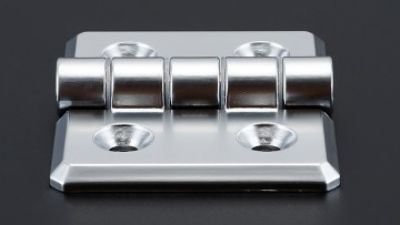
As manufacturing around the world keeps evolving, there's been a noticeable spike in the demand for top-quality parts like Pull Hinges. I mean, if you look at the latest report from IBISWorld, they’re saying the market for durable hardware components is expected to grow by about 4.2% each year over the next five years. That really underscores just how important reliable hinge systems are—whether in building projects or machinery across so many different industries.
Now, when it comes to sourcing Pull Hinges, companies really need to keep a few key things in mind—like durability, material quality, and overall design. For example, materials like stainless steel and brass tend to hold up better against wear and tear, which makes them a smart choice for heavy-duty uses. Experts from the Hardware Manufacturers Association also point out that picking the right hinge can make a big difference in how efficient and long-lasting your equipment will be.
That said, it’s not all smooth sailing. Finding high-quality Pull Hinges can actually be pretty tricky—especially since standards aren’t consistent everywhere. Companies have to spend quite a bit of time vetting suppliers and thinking about local manufacturing options to reduce risks. At the end of the day, choosing the best Pull Hinges isn’t just about saving a few bucks; it’s a strategic decision that calls for careful market research and supplier evaluation.
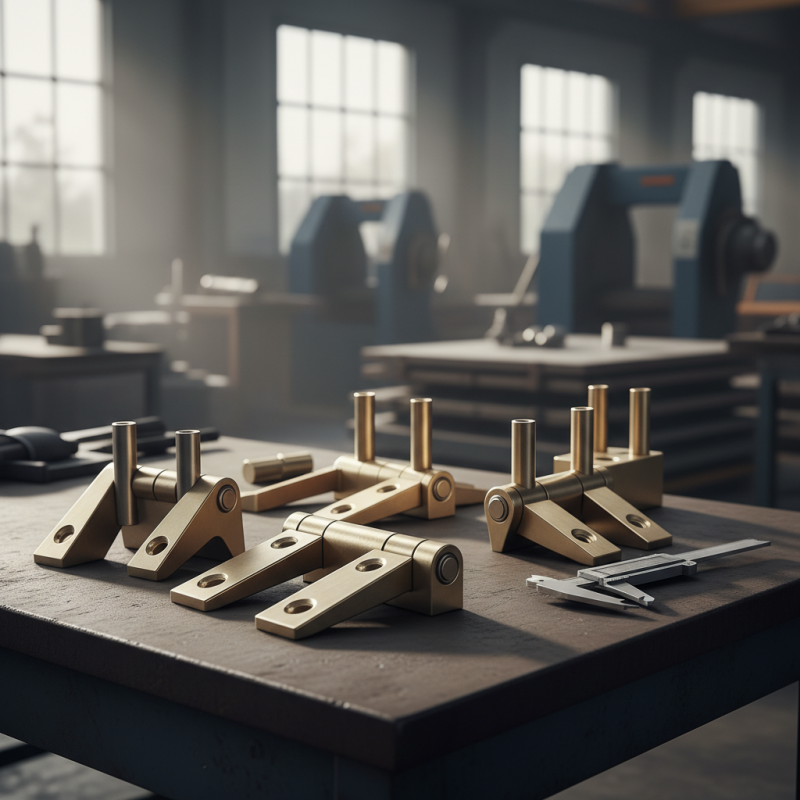
Overview of Pull Hinges and Their Functional Benefits
Pull hinges are essential components in many applications, providing both functionality and style. They are designed to provide a secure and efficient way to open and close doors, cabinets, and other fixtures. The right choice of pull hinge can enhance the operation of these items, ensuring a smooth user experience. Made from various materials, these hinges can withstand significant wear and tear.
The functional benefits of pull hinges extend beyond mere usability. They contribute to the overall aesthetic of a space, combining form with function. In commercial settings, durable pull hinges can support heavy doors effortlessly. In residential applications, they add a touch of elegance. However, selecting the appropriate hinge requires careful consideration of factors like weight capacity and installation requirements. It's important to reflect on the specific needs of your project. A wrong choice may lead to frequent replacements or maintenance issues.
Understanding the intricacies of pull hinges can lead to better sourcing decisions. Evaluating the quality and performance of different options is crucial. Not all hinges are created equal, and variations exist in design and durability. As you navigate global sourcing, keeping these considerations at the forefront can lead to successful outcomes. Attention to detail matters, especially when it impacts daily operations.
Key Features to Look for in Quality Pull Hinges
When sourcing pull hinges, understanding key features is essential. Look for materials that offer durability.
Stainless steel and zinc alloys are great choices.
They resist rust and maintain strength over time. The right finish also matters. Options like brushed or polished can enhance aesthetics and functionality.
Consider weight capacity as well.
Pull Handles that can support heavier doors need to be robust.
The pivot point’s design will influence stability. An adjustable feature may also be beneficial. This allows for precise alignment during installation.
Finally, pay attention to installation ease.
User-friendly designs can save time and effort. Complex setups can lead to frustration. Reflect on your needs critically.
Choosing the right pull hinges is key to ensuring long-lasting performance and satisfaction.
Leading Chinese Manufacturers of Pull Hinges
When sourcing pull hinges, China stands out as a key player. With over 30% of the global market share in hardware manufacturing, Chinese manufacturers are essential for global sourcing needs. The efficiency, cost-effectiveness, and quality standards they maintain make them attractive partners. However, it’s crucial to carefully assess their reliability. Some manufacturers may not meet strict international standards, causing potential supply chain issues.
A recent industry report indicated that the demand for pull hinges is projected to grow by 5% annually through 2025. This growth is driven by rising construction and furniture sectors. Chinese manufacturers offer a wide variety of pull hinges, including stainless steel and composite materials. Yet, the inconsistency in product quality can lead to challenges. Each supplier may have different standards, which requires thorough vetting.
Collaboration with reputable Chinese manufacturers can facilitate quality assurance. They often provide customizable solutions, adapting to client specifications. However, companies must be cautious. Some manufacturers may lack transparency, leading to misunderstandings in quality expectations. Engaging with trusted partners is essential for overcoming these hurdles. Conducting on-site inspections can further enhance reliability and mitigate risks.
Sourcing Strategies for Global Buyers of Pull Hinges
Sourcing pull hinges can be a challenging task for global buyers. Understanding the diverse range of options available is essential for effective decision-making. Companies must evaluate the quality, durability, and functionality of pull hinges before making a purchase. Each product variant offers unique advantages, making research crucial.
One strategy is to connect with multiple suppliers. Building relationships can lead to better pricing and reliability in delivery. While some suppliers boast superior products, not all meet true quality standards. Always request samples, as testing can reveal potential issues upfront. Effective communication regarding specifications can help avoid misunderstandings.
Consider local regulations when sourcing. Compliance can impact costs and delivery times. Assess factors such as material sourcing and environmental impact. Reflecting on these aspects can enhance your sourcing effectiveness. Handle Pull hinges with attention to detail, ensuring they meet precise project requirements. Staying informed about market trends can lead to better sourcing outcomes.
Comparative Analysis of Pull Hinges: China vs. Other Countries
When sourcing pull hinges globally, a comparative analysis reveals significant insights. China has gained prominence in this sector. According to a recent industry report by Grand View Research, the global market for hinges is expected to reach $2.8 billion by 2026. This growth is partly driven by China's advanced manufacturing capabilities. The country produces approximately 40% of the world’s metal hinges, making it a key player.
However, sourcing from China is not without challenges. Quality control can be inconsistent. In a study by the International Organization for Standardization (ISO), over 20% of products failed quality assessments. This disparity raises concerns for buyers looking for dependability. On the flip side, countries like Germany and Japan emphasize rigorous quality standards. Their products often command higher prices, but they provide reliable performance.
Purchasing pull hinges involves weighing cost against quality. Chinese manufacturers offer lower pricing but might compromise on durability. Many experts recommend seeking suppliers that prioritize quality control. It’s essential to Pull The Handle on sourcing strategies and ensure thorough evaluation. Aligning with manufacturers that adhere to international standards can mitigate risks and enhance reliability.
Comparative Analysis of Pull Hinges: China vs. Other Countries
Quality Control Standards in Chinese Pull Hinge Production
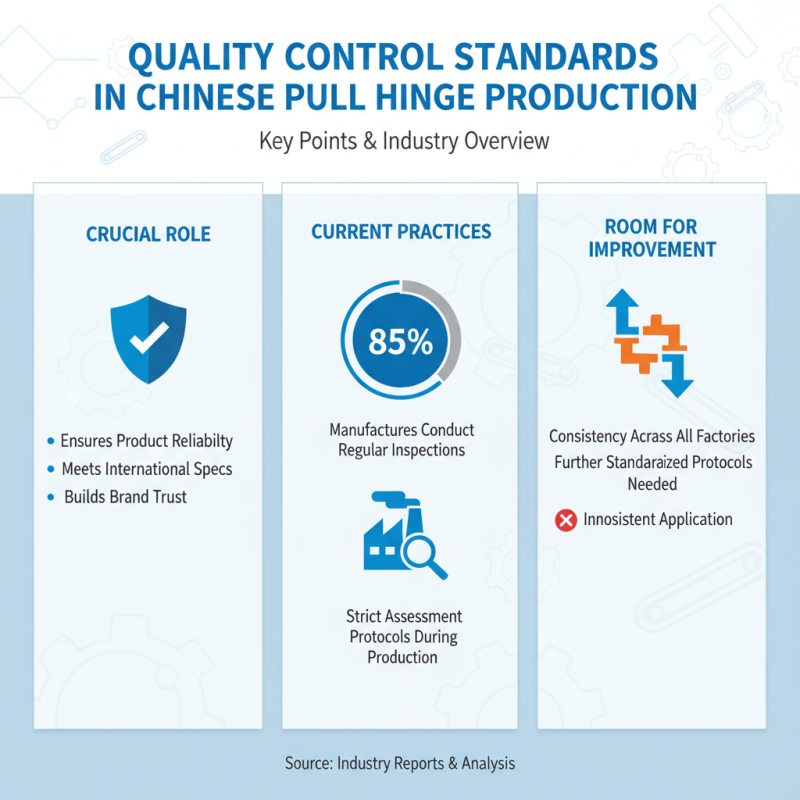
Quality control standards play a crucial role in the production of pull hinges in China. Many manufacturers implement strict quality assessment protocols. For instance, industry reports indicate that around 85% of manufacturers conduct regular inspections during the production process. This ensures that the products meet international specifications. However, there is still room for improvement in maintaining these standards consistently across all factories.
Despite rigorous testing, some products might not meet quality expectations due to variations in material sourcing. A report by the China Quality Certification Centre revealed that approximately 10% of pull hinges fail to pass final inspections. This can result from inadequate supplier evaluations. Companies may overlook the importance of choosing quality raw materials, which can compromise the integrity of the finished products.
Tip: Always ask for certification documents from your suppliers. This will help verify their adherence to quality standards. Additionally, consider conducting random product tests before bulk purchases. Regular audits can help identify potential weaknesses in the production line. Investing time in these practices can save costs in the long run and improve overall satisfaction.
Trends and Innovations in Pull Hinge Design and Materials
Innovations in pull hinge design are shaping the manufacturing landscape. The latest trends focus on versatility and functionality. Advances in materials, like lightweight alloys and durable plastics, have emerged. These materials not only enhance strength but also reduce overall weight. This development is crucial for products like Pull Handle Cabinets, where weight management affects usability.
Design aesthetics are also evolving. Minimalist designs are gaining popularity, appealing to modern consumers. The integration of smart technology is another exciting trend. Designers are experimenting with sensors and automated mechanisms. However, the challenge remains: balancing functionality with user-friendliness. Manufacturers must reflect on how innovative features may complicate usage.
Ultimately, sourcing hinges should be about understanding these dynamics. It’s essential to prioritize quality while exploring new trends. The market can be overwhelming. Yet, making informed choices is key. Opting for high-performance materials can lead to better products in the long run. Pull handle cabinet designs will continue to benefit from these advancements, enhancing both form and function.
The Essential Guide to Choosing CL6065 Industrial Hinges for Optimal Performance and Durability
When it comes to selecting the right hinges for industrial applications, the CL6065 model stands out as a top choice for professionals seeking optimal performance and durability. Constructed from robust materials, these hinges are designed to withstand heavy use and harsh environments, making them ideal for machinery, access panels, and other demanding setups. The unique design ensures a secure fit and stable operation, minimizing downtime and maintenance needs.
Moreover, the CL6065 hinges boast features that enhance their functionality, including corrosion resistance and smooth articulation. This allows for effortless movement and reduces wear over time, which is crucial in high-frequency use scenarios. Additionally, their versatility means they can be used in a wide range of applications, from manufacturing facilities to commercial settings. Investing in quality hinges not only improves operational efficiency but also contributes to the longevity of equipment and structures, making the CL6065 an essential choice for anyone prioritizing durability.
FAQS
: China has advanced manufacturing capabilities and produces about 40% of the world's metal hinges. This results in lower costs for buyers.
Quality control can be inconsistent. Over 20% of products have failed quality assessments due to these issues.
Countries like Germany and Japan maintain stricter quality standards. Their products may be pricier but are typically more reliable.
Buyers should seek suppliers who focus on quality control. Asking for certification documents can help verify these standards.
Approximately 10% of pull hinges may fail due to variations in material sourcing or inadequate supplier evaluations.
Conducting random product tests and regular audits can identify weaknesses. This approach may lead to improved satisfaction in the long run.
Yes. About 85% of manufacturers conduct regular inspections, but consistency remains a concern across various factories.
Material sourcing significantly impacts product integrity. Low-quality raw materials can compromise the final product.
Buyers could face increased costs, product failures, and dissatisfaction if they ignore quality assessments and supplier evaluations.
Investing time in quality checks can save costs long-term and improve overall product reliability. It’s a necessary step in sourcing.
Conclusion
The article "China Best Pull Hinges for Your Global Sourcing Needs?" delves into the essential aspects of pull hinges, highlighting their functional benefits and key features that determine quality. It outlines the advantages of sourcing from leading Chinese manufacturers and provides effective strategies for global buyers to optimize their procurement processes. A comparative analysis showcases the strengths of Chinese pull hinges against offerings from other countries, underscoring China's competitive edge in terms of innovation and cost-effectiveness.
Additionally, the article addresses quality control standards prevalent in China’s production of pull hinges, ensuring buyers are informed about the reliability of their purchases. It also explores current trends and innovations in the design and materials used for pull hinges, emphasizing the ongoing evolution of this essential hardware component to meet diverse consumer needs. Overall, the article serves as a comprehensive guide for global buyers navigating the pull hinge market.

 Rod lock