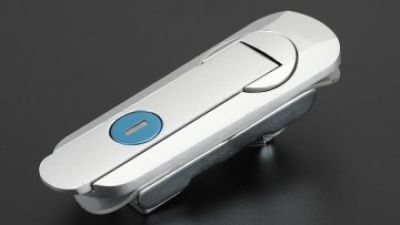
When it comes to security solutions these days, finding a trustworthy manufacturer for specialized parts like the Plane Lock is pretty important. Industry vet John Smith, who’s been in aviation security for ages, points out, “A good Plane Lock can really boost aircraft safety.” That just goes to show how critical it is to pick the right original design manufacturer (ODM) somewhere in China.
The Chinese ODM market for Plane Locks is pretty diverse—they’ve got quite a few options. But here’s the thing: not all manufacturers are created equal when it comes to quality or reliability. You’ve got brands like SecureFlight that offer slick designs at competitive prices, which is great. Still, some companies don’t have all the necessary certifications, and that can be a serious red flag. Industry insiders recommend doing your homework and digging into their standards to make sure everything checks out.
Plus, the industry isn’t without its hassles. Sometimes, manufacturers may promise top performance but end up falling short. So, checking out customer reviews and testing out the product yourself can save you from a lot of headaches. Taking a careful and informed approach when choosing an ODM is totally worth it—because it’s all about making security in aviation better, which directly affects passenger safety. After all, nobody wants to take chances when it comes to flying, right?

Understanding ODM vs. OEM: Key Differences in Plane Lock Manufacturing
Understanding ODM and OEM is crucial in plane lock manufacturing.
ODM, or Original Design Manufacturer, develops a product based on its own designs. They handle everything from conception to production. This means they can offer unique solutions tailored to market needs. An Outdoor plane lock designed by an ODM can showcase innovation, addressing safety or user experience.
On the other hand, OEM, or Original Equipment Manufacturer, focuses on producing items based on designs provided by clients. While this method allows for faster production, it may limit creativity. An OEM might lack fresh ideas in the outdoor plane lock sector, doing just what the client requests. This difference highlights the importance of choosing the right manufacturing partner.
Both approaches have their strengths. ODM can offer standout designs, while OEM provides speed. However, one downside can be a lack of flexibility in OEM processes. At times, the reliance on client designs can hinder adaptation to market changes. Manufacturers must understand these nuances to make informed choices.
The Role of ODM Manufacturers in the Aerospace Industry
The role of ODM (Original Design Manufacturer) manufacturers in the aerospace industry is crucial. They provide specialized solutions tailored to unique industry needs. In recent years, the demand for components, like the cabinet plane lock, has surged. According to the Aerospace Industries Association, the global aerospace market is expected to grow by 4% annually, reaching $1 trillion by 2030. ODM manufacturers align their offerings with this growth, driving innovation.
One significant challenge for ODMs is meeting stringent safety regulations. These manufacturers need to ensure their products, including locking mechanisms, comply with FAA standards. Failure to adhere could result in costly recalls and diminished reputation. Additionally, the rapid pace of technological advancement can make it difficult for ODMs to keep up. Not all manufacturers can effectively adapt designs that enhance security and functionality, which is critical for aerospace applications.
Market reports indicate that investments in R&D for locking systems have increased. This investment is vital to create more secure solutions. As designs evolve, manufacturers must consider the long-term reliability and maintenance of parts. ODMs that emphasize quality control and engineering expertise will likely thrive. Their ability to produce reliable cabinet plane locks could significantly influence the overall safety in the aerospace sector.
Criteria for Selecting the Best ODM Plane Lock Manufacturer
Selecting the right ODM plane lock manufacturer requires careful consideration. A key factor is the manufacturer's experience in producing industrial plane locks. An established company often has better design capabilities. They understand the specific needs of various industries, which enhances product reliability.
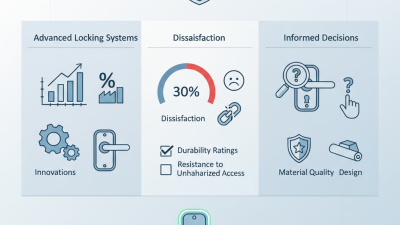
Quality control is another crucial aspect. Ensure the manufacturer has stringent testing procedures. Ask about their certifications and quality assurance practices. This can significantly impact the performance and safety of the industrial plane lock.
**Tip:** Always request product samples to assess the quality first-hand. Look for manufacturing methods that prioritize durability.
Communication with the manufacturer is vital too. A responsive company demonstrates commitment to customer service. If you encounter delays or lack of clarity, it may indicate underlying issues.
**Tip:** Engage in regular meetings or updates. This helps bridge any potential gaps in expectations and requirements. Transparency is essential for a successful partnership in ODM manufacturing.
China Best ODM Plane Lock Manufacturer Essential Guide
| Criteria |
Description |
Importance Level |
| Experience |
Years in the industry and expertise in ODM services |
High |
| Quality Certifications |
ISO, CE, and other quality assurance certifications |
Critical |
| Manufacturing Capacity |
Ability to meet large order demands |
High |
| R&D Capabilities |
Innovation and custom design capabilities |
Important |
| Client Reviews |
Feedback from previous and existing clients |
Moderate |
| Cost Competitiveness |
Pricing structure in comparison to the market |
High |
| After-Sales Support |
Availability of customer support post-purchase |
Important |
Innovative Technologies in Plane Lock Design and Manufacturing
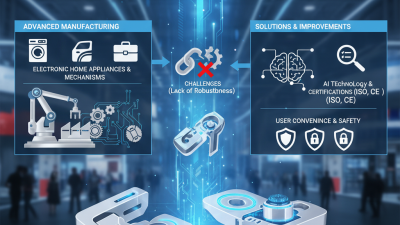
In recent years, the plane lock manufacturing industry has seen significant advancements. Innovations in technology have reshaped design processes and improved security features. New materials are being used to enhance durability and reduce weight. High-strength alloys and smart sensor technologies are making locks more reliable.
Tips: When selecting a plane lock, look for materials with proven strength. Ensure the design allows for easy installation and maintenance.
Automation in manufacturing has streamlined production lines. Advanced robotics enhance precision, while 3D printing enables quick prototyping. However, manufacturers must evaluate the cost-effectiveness of these technologies. Balancing innovation with affordability can be challenging.
Tips: Stay updated on the latest trends in technology. Engaging with experts can provide insights. Regular evaluations of manufacturing processes can lead to improvements.
Lastly, sustainable practices are becoming critical. Eco-friendly materials should not compromise quality or functionality. Thoughtful design can allow for energy efficiency throughout a lock's lifecycle. Innovations should align with environmental responsibilities, prompting reflection on long-term impacts.
Quality Control Standards in the Production of Plane Locks
Quality control standards in the production of plane locks are crucial for ensuring safety and reliability. A rigorous approach starts with material selection. High-quality materials like stainless steel or aerospace-grade aluminum are essential. These materials must undergo scrutiny for toughness and corrosion resistance. Using subpar materials can lead to failures.
Manufacturers implement various testing methods to maintain quality. Tensile tests assess the strength of the locks. Meanwhile, functional tests confirm that each lock operates smoothly under various conditions. Certification processes add an extra layer of assurance. However, even with strict protocols, human error remains a challenge. Training workers effectively is vital to minimize mistakes. Regular audits help in identifying flaws in the system.
Feedback loops also play an important role. Customer feedback informs manufacturers about potential issues. Implementing suggested improvements can enhance product quality. Yet, some manufacturers might overlook this vital step. It’s necessary to remain open to criticism and adapt accordingly. Continuous improvement is fundamental in maintaining high standards in plane lock production. This dedication to quality can make a significant difference in operational safety.
Quality Control Standards in the Production of Plane Locks
This bar chart illustrates the adherence to various quality control standards in the production of plane locks, showcasing the percentage of compliance across different criteria.
Market Trends and Demands for ODM Plane Locks in China
The ODM plane lock market in China is experiencing notable growth. Manufacturers are adapting to evolving demands due to increased air travel and logistics needs. There is a rising emphasis on security and durability in
Plane board locks. Clients now seek innovative designs and materials. Customization has become a key factor. Businesses want locks that fit their unique requirements.
Recent trends show a shift toward more sustainable materials. Eco-friendly production methods attract attention. However, some manufacturers still face challenges in sourcing such materials. This raises questions about long-term efficacy and reliability. Customers are looking for proven solutions that meet their needs. They want detailed specifications and transparent production processes.
Market competition is intense, prompting some companies to cut corners. Quality assurance should not be compromised. Building trust in the ODM plane lock sector is crucial. Consumers demand safety as a priority. They often express concerns over product longevity. Thus, the commitment to quality can set a company apart in a crowded market.
Future Prospects: Sustainability and Eco-Friendly Practices in ODM Production
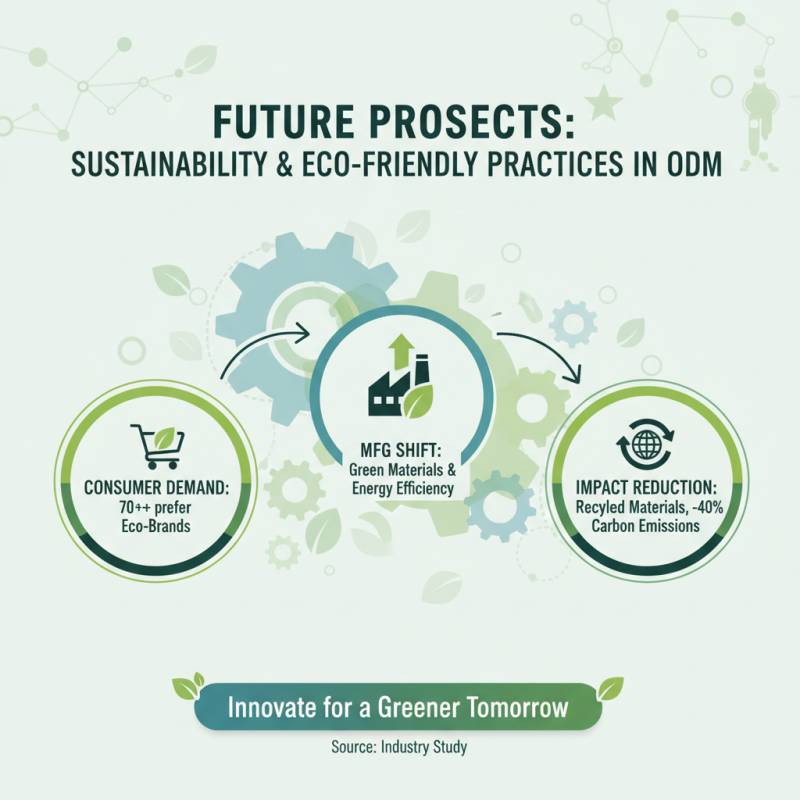
The focus on sustainability in ODM production is shaping the future of manufacturing. A recent study highlighted that over 70% of consumers prefer products from eco-conscious brands. This growing demand is pushing manufacturers to rethink their practices. Companies in the ODM sector are now exploring green materials and energy-efficient processes. By using recycled materials, they can reduce waste significantly. For instance, switching to sustainable plastics can cut overall carbon emissions by up to 40%.
Despite these positive strides, challenges remain. Many manufacturers struggle with the initial costs of implementing sustainable practices. Transitioning to eco-friendly technologies often requires significant investment. Additionally, there is a knowledge gap in integrating these practices effectively. Training employees about sustainability benefits is crucial for long-term success. Many still view these changes as mere compliance rather than essential for competitiveness.
Implementing eco-friendly practices is a journey. It requires commitment and continual improvement. The industry must balance profitability with responsibility. As the market evolves, those who embrace sustainability will likely thrive. But the path is not without hurdles. Identifying and overcoming these challenges is vital for future growth.
Unlocking Security Solutions: A Market Analysis on Hot Sales of Zinc Alloy Plane Locks (AB403) in an Expanding Industry
The market for security solutions is witnessing significant growth, particularly with the rising demand for zinc alloy plane locks, such as the AB403 model. These locks are gaining traction due to their robust construction and reliability, which provide enhanced security for various applications, including homes, offices, and industrial settings. As the industry expands, consumers are increasingly prioritizing quality and durability, driving a shift towards materials that offer superior resistance to tampering and corrosion.
Zinc alloy, known for its strength and lightweight properties, has become the material of choice for modern locking mechanisms. The AB403 model exemplifies the advancements in design and technology, providing features that not only meet security standards but also cater to aesthetic preferences. This dual focus on functionality and style is crucial in a competitive market, where consumer expectations are evolving. As safety remains a paramount concern, the adoption of innovative locking solutions will likely accelerate, making products like the AB403 increasingly popular among security-conscious users.
Furthermore, the expanding security industry is likely to witness innovations that enhance the user experience. Smart integration capabilities, along with traditional mechanical functionalities, point towards a future where locks do not just secure but also communicate. The hot sales trajectory of zinc alloy plane locks underlines the importance of responding to market needs with products that balance security, usability, and design, paving the way for sustained growth in this sector.
FAQS
: Consider their experience in producing industrial plane locks. Established companies often have better design capabilities.
Quality control ensures safety and performance. Check for their testing procedures and certifications to gauge reliability.
Always request product samples. This allows you to evaluate the quality first-hand before making a commitment.
Effective communication ensures clarity and helps avoid misunderstandings. A responsive company is crucial for smooth collaboration.
Over 70% of consumers prefer eco-conscious products. This demand is prompting manufacturers to adopt greener practices.
Initial costs for eco-friendly technologies can be high. Additionally, there is often a knowledge gap in integrating these changes.
Training employees about sustainability benefits is essential. This enhances long-term competitiveness and fosters a responsible culture.
No, it can be challenging. Companies may view these changes as compliance, not essential for growth.
Transparency builds trust. Regular updates can help bridge expectations and foster better partnerships.
It requires ongoing commitment and improvement. Embracing sustainability can lead to long-term success in a changing market.
Conclusion
This article serves as a comprehensive guide for understanding the distinctions between ODM (Original Design Manufacturer) and OEM (Original Equipment Manufacturer) in the context of plane lock production. It explores the crucial role of ODM manufacturers in the aerospace sector, emphasizing their ability to innovate and respond to market demands. The piece outlines essential criteria for selecting the best ODM plane lock manufacturer, highlighting innovative technologies that enhance design and manufacturing efficiency.
Additionally, the article delves into the importance of quality control standards in the production of plane locks, ensuring reliability and safety in aerospace applications. It also examines current market trends within China, addressing growing demands for ODM plane locks, and looks to the future by discussing sustainability and eco-friendly practices in ODM production. Overall, this guide is a valuable resource for stakeholders in the aviation industry seeking to make informed decisions regarding plane lock manufacturing.

 Rod lock