You know, these days, there's a real surge in demand for dependable and sturdy Pull Latches across a bunch of industries. In China, quite a few OEM factories are really making good progress in producing these crucial parts. What sets some of these factories apart is their dedication to quality and pushing forward with new ideas. That said, not all of them always hit the high standards that global customers expect.
When you look at the main players like Atech, Suncenter, and E-Mao, it’s clear they’ve earned a reputation for their cutting-edge manufacturing techniques. They’re super careful about sourcing top-notch materials and put their products through pretty tough testing. But, even those trusted factories can run into hiccups like scaling up production or keeping things consistent, which might cause delays and sometimes frustrate customers. So yeah, it's really important for folks buying these parts to do their homework and choose partners wisely.
Let’s be honest — the pull latch market can seem a bit overwhelming. With so many companies tossing around claims of being the best, it’s easy to get a little lost. It’s not just about finding the cheapest option; factors like value, reliability, and good after-sales support are just as crucial. At the end of the day, picking the right supplier can seriously boost your production efficiency and make your products more dependable. It’s all about finding that balance and trustworthiness, right?
Overview of OEM Pull Latch Manufacturing in China
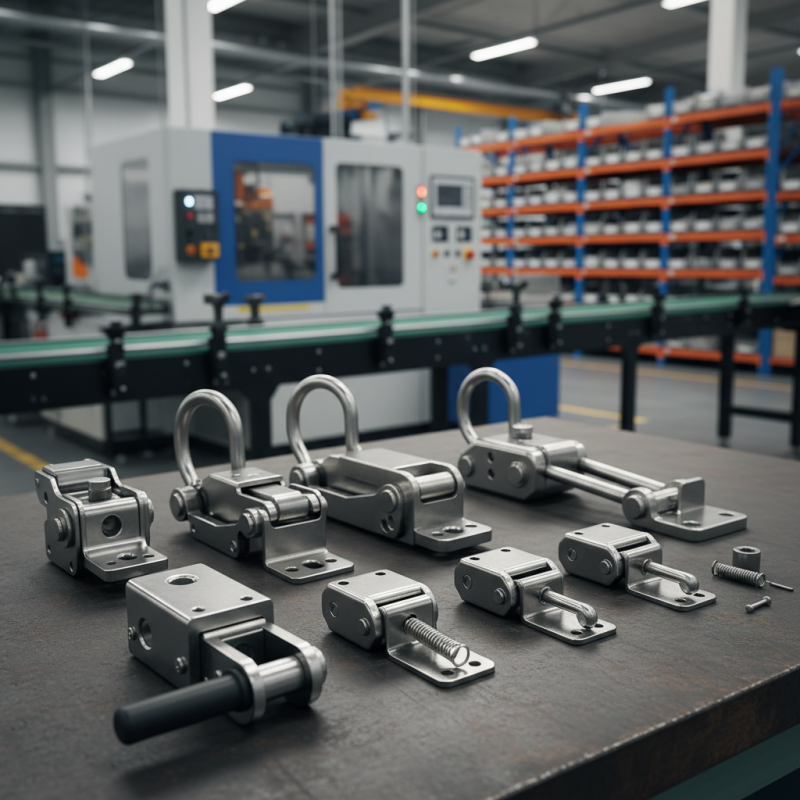
The landscape of OEM pull latch manufacturing in China is vast and intricate. Numerous factories are engaged in producing latches for various applications. The market is constantly evolving, driven by technological advancements and increasing demand. Each factory has strengths and weaknesses in production capabilities and quality control. This presents both opportunities and challenges.
China's expertise in manufacturing has led to a competitive industry for Latch Pull products. Many factories focus on innovative designs and customized solutions. However, inconsistency in quality can be a concern. Some factories may prioritize speed over quality, impacting the final products. Companies must be diligent in their evaluations. They need to consider not just prices but also the long-term reliability of their suppliers.
As brands seek to collaborate with OEMs, they should assess the factories thoroughly. Transparency in production processes can often be lacking. Understanding the potential trade-offs is crucial. The efficiency of the supply chain also matters. Ultimately, the goal is to find a balance between cost, quality, and delivery time. Factories must learn to adapt and reflect on their practices continually. The importance of quality in latch pull manufacturing cannot be overstated, as it ultimately shapes the user experience.
Overview of OEM Pull Latch Manufacturing in China
Key Factors Driving the Growth of Pull Latch Factories
The pull latch market in China is growing steadily. According to industry reports, the market is projected to reach $3 billion by 2025. This growth is driven by several factors, including increased demand in sectors like automotive and electronics. As manufacturers seek efficient locking solutions, pull latches have become essential.
Tips: Focus on quality. Quality improvements can lead to better market positioning. Ensure that your products meet international standards. This attention to detail is crucial for long-term success.
Another key driver is innovation. Factories are investing in new technologies to optimize production. For instance, automated assembly lines enhance efficiency. Yet, some producers still face challenges in adapting to these changes. Not all factories can keep pace.
Tips: Stay updated on industry trends. Regular training for workers can bolster productivity. Embracing new techniques is vital for staying competitive. Neglecting this could lead to setbacks in growth.
In conclusion, while challenges exist, the outlook for pull latch factories remains bright. Quality, innovation, and adaptability are essential for thriving in this evolving landscape.
Leading Pull Latch Manufacturers in China: A Market Analysis
The pull latch market in China is growing rapidly. Many factories specialize in producing high-quality pull latches for various industries. These manufacturers often focus on customer needs and have advanced machinery. They produce latches that are durable and reliable, catering to multiple applications.
In this competitive landscape, some manufacturers are thriving while others face challenges. Quality control remains a major concern for many. Some factories overlook minor details, affecting the final product. This inconsistency can lead to customer dissatisfaction. It highlights the importance of thorough checks during production.
Innovation is another area where some factories struggle. While some lead in research and development, others fall behind. They may replicate designs instead of creating new ones. This approach limits their growth and could hinder their reputation. As the market evolves, adaptability will be crucial for their success.
Top China OEM Pull Latch Factories You Should Know About
| Factory Location |
Annual Production Capacity |
Number of Employees |
Certifications |
Export Markets |
| Guangdong |
500,000 units/year |
200 |
ISO 9001, CE |
North America, Europe |
| Zhejiang |
350,000 units/year |
150 |
ISO 14001, RoHS |
Asia, Australia |
| Shanghai |
400,000 units/year |
250 |
ISO 9001, ASTM |
Middle East, Africa |
| Jiangsu |
300,000 units/year |
180 |
ISO 9001, BSI |
South America, Europe |
| Shandong |
450,000 units/year |
300 |
ISO 9001, IATF 16949 |
Global |
Innovations in Pull Latch Design and Technology
The pull latch industry has experienced significant innovations in design and technology. Recent reports indicate that innovative materials are being utilized to enhance durability and functionality. For instance, the emergence of advanced polymers offers better resistance to environmental factors. These new materials significantly outperform traditional metals in corrosive conditions. Such advancements are critical as industries shift toward sustainability.
In addition to enhanced materials, smart technology is influencing pull latch designs. Integrated locking mechanisms are being developed that improve user security and accessibility. Data shows that over 30% of manufacturers are adopting smart features in their products. This shift shows a growing demand for latched systems that are secure yet user-friendly. However, integration poses challenges. Manufacturers must balance traditional functionality with modern technology, which isn't always straightforward.
Challenges in manufacturing processes also persist. Streamlining production without sacrificing quality is a primary concern. Studies reveal that nearly 25% of manufacturers face defects due to rapid production methods. This leads to increased costs and delayed deliveries. The pull latch industry must address these issues to meet evolving market demands effectively.
Quality Assurance and Standards in Pull Latch Production
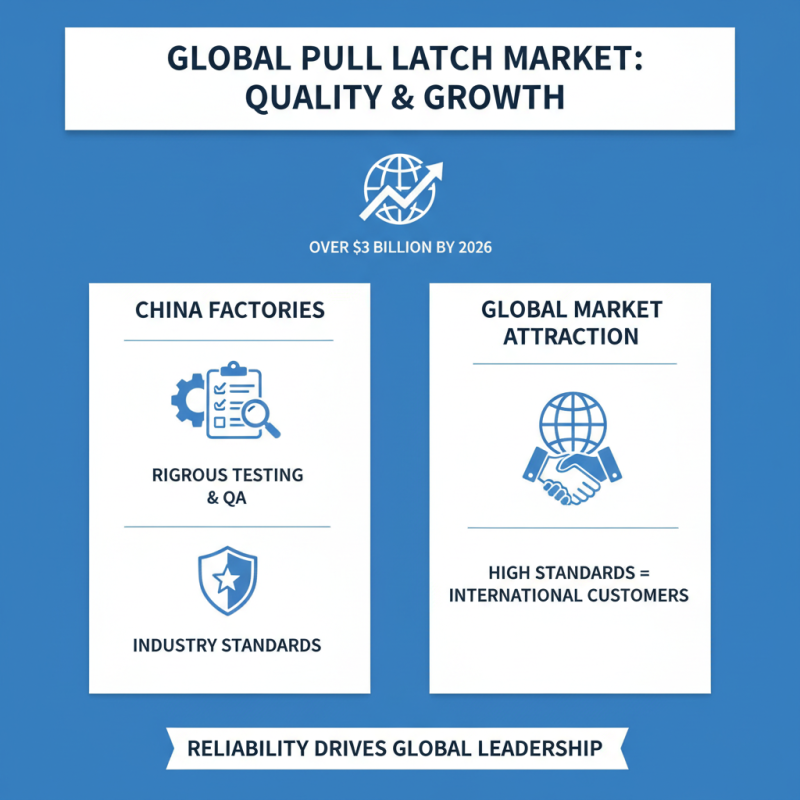
The production of pull latches demands strict quality assurance and adherence to industry standards. Factories in China prioritize rigorous testing protocols to ensure product reliability. This commitment is critical as the global market for pull latches is expected to reach over $3 billion by 2026. Maintaining high standards will help attract international customers.
Manufacturers often face challenges in meeting these requirements. They must balance cost efficiency with quality. Reports indicate that nearly 30% of factories struggle with quality control issues, leading to product recalls. These problems can tarnish a factory's reputation. Regular audits and employee training programs are essential.
Tips for buyers include verifying certifications and requesting samples before large orders. Always check for compliance with international standards. An informed decision can save time and money. Pay attention to feedback from existing customers about the factories. Robust communication can unveil potential issues early, safeguarding your interests. Quality production of Pull Handles and latches is paramount for long-term success.
Sustainability Practices Among China’s Pull Latch Factories
Sustainability is becoming a priority for many pull latch factories in China. These factories are increasingly adopting eco-friendly materials. Some focus on recycled plastics for their products. This choice reflects a commitment to reducing waste. However, not all factories are on board with these practices. There are still many that rely heavily on non-sustainable materials. This raises questions about their long-term impact on the environment.
Incorporating sustainable practices requires investment. Some factories struggle to meet these costs. They may hesitate to change established processes. This can create gaps in sustainability efforts. Others, however, excel in innovation. They develop new techniques and materials that reduce environmental impact. Handle Pull mechanisms can be made from biodegradable options, for example. The move toward sustainability doesn't only benefit the environment; it can also attract conscientious consumers.
Despite the growing trend, challenges remain. Some factories lack transparency in their supply chains. This makes it hard to gauge their real impact on sustainability. Additionally, the demand for cost-effective solutions sometimes overshadows eco-friendly choices. As the industry evolves, balancing profitability and sustainability will be crucial. It's a complex journey for China’s pull latch factories. Solutions must come from collaboration and continuous improvement.
Future Trends in the Chinese OEM Pull Latch Industry
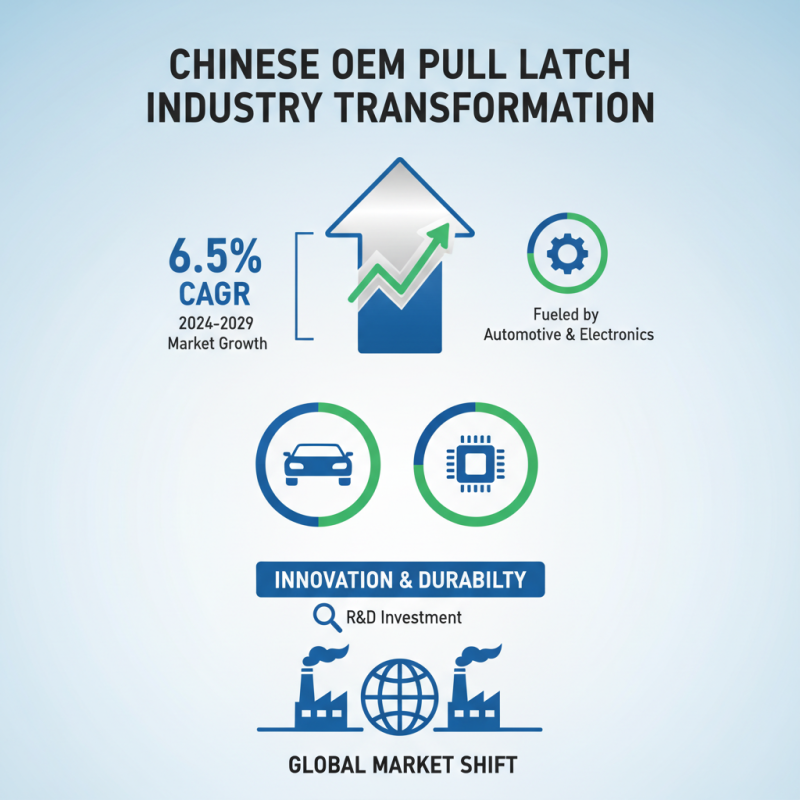
The Chinese OEM pull latch industry is on a transformative path. Recent data show that the market is expected to grow at a compound annual growth rate (CAGR) of around 6.5% over the next five years. This growth is fueled by rising demand in the automotive and electronics sectors. Companies are investing heavily in R&D to create more innovative and durable latch designs.
Sustainability is becoming a major focus. Manufacturers are under pressure to reduce waste and utilize eco-friendly materials. A recent report indicated that over 40% of OEMs are exploring biodegradable options. However, challenges remain. Many factories are struggling to adapt their production processes to new sustainability goals. There is a sense of urgency, but not all companies have taken the necessary steps.
Moreover, digital transformation is shaping the industry. Automation and smart manufacturing technologies are being integrated. Yet, some factories grapple with outdated machinery and labor shortages. A report highlighted that 30% of businesses lack sufficient technical skills in their workforce. This gap may hinder progress in adopting advanced technologies. Balancing innovation with operational efficiency is crucial for future success.
FAQS
: The product aims to solve specific challenges users face daily. It enhances convenience and efficiency in routine tasks.
Follow the instructions provided with the product. Adjust settings based on your needs for optimal performance.
Users may experience difficulty during setup or adjustments. Some features might feel confusing at first glance.
Typically, there is a limited warranty. Check details for coverage and duration to understand your rights.
Refer to the troubleshooting section in the manual. Many issues can be fixed by resetting or checking connections.
Most return policies allow for refunds within a specified period. Be sure to retain original packaging and receipt.
Regular cleaning and proper storage are essential. Avoid exposing the product to extreme conditions to prolong its lifespan.
Feedback can usually be submitted via the customer service channels. Constructive criticism helps improve future versions.
Instructions are often offered in multiple languages. Check the packaging or online resources for accessibility.
Look for a digital version online. It may be available on the official website or through customer support.
Conclusion
The article provides a comprehensive overview of the OEM pull latch manufacturing industry in China, highlighting key factors that are driving growth in this sector. It delves into a market analysis of leading pull latch manufacturers, showcasing innovations in design and technology that are shaping the future of the industry. Furthermore, it emphasizes the importance of quality assurance and adherence to standards in pull latch production, ensuring that products meet consumer demands for reliability and durability.
In addition to technological advancements, the article discusses sustainability practices that are becoming increasingly prevalent among pull latch factories in China. As manufacturers strive to reduce their environmental impact, the article outlines future trends likely to influence the OEM pull latch industry, including automation and enhanced material efficiency. Overall, the landscape of pull latch production in China is rapidly evolving, driven by innovation and a commitment to sustainable practices.

 Rod lock