Choosing a control lock supplier isn’t just about comparing prices — there’s a bit more to it. Buyers really need to consider whether the lock actually fits their application, performs reliably over time, and can be supported when issues come up. Every application is different, whether it’s a cabinet door, a machine panel, or an outdoor enclosure. These might require different sizes, key options, or levels of force to operate. And honestly, paying attention to the small details matters — a few millimeters in size can throw off the whole alignment.
As control-lock expert Daniel Wu puts it, 'Reliable control starts with picking a lock that matches the mechanism, fits the environment, and aligns with your maintenance plan.' Before you place a big order, it's worth double-checking things like drawings, mounting dimensions, material finishes, and the quality of samples. Don’t forget to ask how suppliers handle tolerance checks and what their process is for replacement parts. And definitely request clear product documentation — it makes life so much easier.
This guide will introduce you to some China-based suppliers who serve buyers worldwide, plus give you tips on how to compare what they offer. We’ll talk about customization options, communication, lead times, and how they prove their quality control. If you’re looking at something like an industrial lock rod control lock, it’s important to check if the rod travel, cam engagement, and mounting fit your equipment perfectly. Just because two products look similar doesn’t mean they work the same way. Testing a sample can reveal issues like rough rotation, loose fittings, or uneven finishes, but keep in mind—it’s not a full performance test. Make sure you ask suppliers about their testing methods and put your evaluation criteria in writing. What we’re sharing here is a practical starting point — but always double-check the claims they make, because buyers should be cautious and thorough.
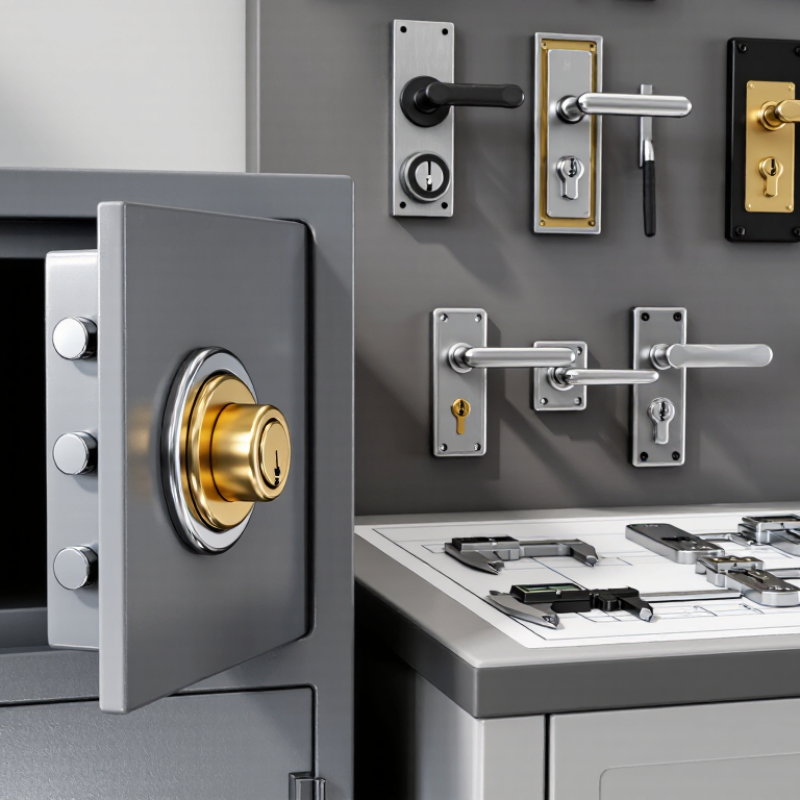
Industrial enclosure locks commonly use three formats: quarter-turn cam locks, rod-operated locks, and compression locks. A quarter-turn cam rotates behind the door edge to hold a compact cabinet shut. Check the cam length and door thickness carefully; a mismatch can leave the latch barely engaged. Small detail, big consequence.
A rod control lock moves vertical rods at the top and bottom of a tall door. This spreads retention across the frame, but alignment matters. Door sag can make operation stiff.
Compression locks pull the door against a gasket as they close, helping reduce rattling and support a consistent seal. They do not replace a correctly specified enclosure rating.
Compare mounting dimensions, materials, operating clearance, and expected use. On paper, all three may look suitable. A sample fit test can reveal awkward details: gloves, vibration, or a crowded panel may change what feels usable.
IEC 60529, the International Electrotechnical Commission’s enclosure-rating standard, assigns two digits to an IP code. The first digit ranges from 0 to 6 and describes protection against access and solid particles. Level 5 means dust-protected; level 6 means dust-tight under specified tests. The second digit ranges from 0 to 9 and describes water exposure. Small digits matter. These ratings describe test conditions, not guaranteed performance in every installation.
When comparing a zinc alloy rod control lock, check that the IP rating applies to the complete enclosure as installed. IEC 60529’s rating tables distinguish water tests such as dripping, splashing, jets, and immersion. An IP67 rating, for example, combines dust-tight protection with a defined temporary-immersion test. It does not automatically indicate resistance to salt, corrosion, impact, or wear on a moving rod. That distinction is easy to overlook.
Tips: Match the test level to the actual site. A cabinet near washdown may face directed jets; an outdoor cabinet may also need weather and corrosion checks. Ask for the test report and confirm its sample matches the supplied lock assembly. An IP code is useful, but it is not the whole specification.
For global buyers comparing control lock suppliers, salt-spray results can help screen finishes, but the test method matters. ISO 9227 describes three common procedures: neutral salt spray (NSS), acetic acid salt spray (AASS), and copper-accelerated acetic acid salt spray (CASS). They expose prepared specimens to different corrosive environments. They do not provide a simple, universal ranking of lock quality.
NSS uses a neutral salt solution and is often selected for general coating comparisons. AASS adds acetic acid, creating a more acidic exposure. CASS adds copper chloride to the acidic solution, making it a more aggressive screening method. The right choice depends on the coating and the buyer’s specification. More severe does not automatically mean more relevant.
Ask how specimens were prepared, where cuts or edges were assessed, and what failure criteria applied. On a control lock, inspect exposed edges, screw heads, and moving parts after testing. Does the finish blister? Does the key mechanism still operate smoothly? Record the exposure duration and test conditions, too. A chamber result is not the whole story. Salt spray cannot reliably translate into years of outdoor service, and test reports may omit details buyers need. That gap deserves a second look.
For a control lock exposed to rain, cleaning fluids, or salty air, material choice affects service life and maintenance. The World Stainless Association’s Stainless Steel in Figures 2024 reports 58.4 million tonnes of stainless-steel crude production in 2023. That scale supports broad availability, but it does not guarantee a lock’s grade or corrosion resistance. Ask for the precise alloy designation and test details. Stainless steel often suits outdoor housings and shafts, though machining can raise cost. A brushed finish hides small marks; mirror polish shows them quickly.
Zinc alloy is commonly die-cast into compact bodies with fine details and consistent shapes. It can help control cost for indoor cabinets and equipment panels. Finish matters. Plating or paint can improve appearance and add a barrier, but chips and worn edges deserve inspection. The International Lead and Zinc Study Group’s 2024 reporting places annual refined zinc production at roughly 13.6 million tonnes in 2023; this indicates a large materials market, not a lock-quality rating. A rod control lock factory should provide coating thickness, salt-spray test conditions, and substrate details. Compare like with like. I would not choose by finish photos alone; they rarely show how edges age. Check whether dissimilar metals contact each other, since moisture can accelerate corrosion at the joint.
Typical material density comparison for stainless steel 304 and Zamak 3 zinc alloy.
Stainless steel 304 has a typical density of about 8.0 g/cm³, while Zamak 3 zinc alloy is about 6.6 g/cm³. Actual values vary by grade and alloy. Common finish options include brushed or passivated stainless steel, and nickel or chrome plating or powder coating for zinc alloy.
A Control Lock supplier should be reviewed through the seven quality management principles in ISO 9000:2015, not judged by a certificate alone. The ISO Survey 2022 recorded 1,265,216 ISO 9001 certificates worldwide. That scale makes certification a useful screening signal, but it does not prove that every batch meets specification. Customer focus means checking whether lock dimensions, finish, and operating force match the buyer’s documented needs. Leadership and people engagement show up in practical details: clear inspection ownership, trained operators, and a supervisor who can explain how defects are contained.
Process approach and improvement require evidence from production, not polished promises. Ask for a sample inspection record, traceability from material lot to finished lock, and documented handling of nonconforming parts. Evidence-based decisions mean comparing defect trends and delivery performance over time. Relationship management includes honest communication about capacity changes and corrective actions. Small checks matter. A clean report is not the factory floor. Buyers should verify records against actual samples, and revisit suppliers after corrective actions; otherwise, a good-looking audit may miss recurring variation. These principles support a more reliable supplier review, while leaving room to question whether paperwork reflects daily practice.
When comparing control lock suppliers, treat the sample as a test, not a promise. Request the exact model, finish, and key configuration quoted for production. Check the body for sharp edges, uneven plating, and loose parts. Operate the lock repeatedly with its supplied keys. A sample can look perfect. It may still differ from the production batch, so confirm how the supplier controls approved samples and reports design changes.
Ask for traceability that connects finished locks to a production lot. Useful records may include lot numbers, inspection results, and material or component details. Check whether these records can be matched to the cartons you will receive. A spreadsheet alone is not enough if nobody can explain what its codes mean. This step is easy to overlook when deadlines are tight.
Review export documents before goods are ready to ship. Confirm that the commercial invoice, packing list, product description, quantities, and shipment details agree. Ask which origin or product documents are available for your destination, and have your logistics partner verify local requirements. Keep a written checklist and resolve mismatches before dispatch. I would not assume every supplier follows the same process; even a careful checklist can miss a detail, so leave time to review it twice.
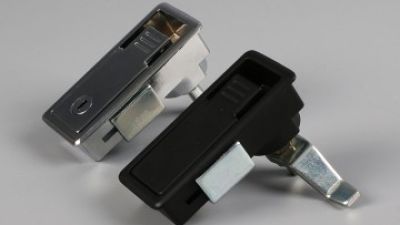
The MS3430 industrial zinc-alloy plane lock is designed to provide a compact, practical way to secure access panels, equipment enclosures, and service compartments. Its zinc-alloy housing can be formed with integrated mounting features and a consistent profile, while a cam-style locking arrangement can hold a panel closed with a simple turn. The lock’s suitability for a particular installation depends on details such as panel thickness, cam reach, mounting clearance, and the required level of access control; these should be checked against the product specification before selection.
Zinc alloy is valued in hardware manufacturing for its castability and ability to accommodate detailed shapes and finished surfaces. The U.S. Geological Survey’s *Mineral Commodity Summaries 2024* estimated global zinc mine production at about 12 million metric tons in 2023, reflecting the scale of the material supply chain, though this figure does not measure lock performance. In industrial use, an MS3430-style lock may be specified for machinery covers, control cabinets, and maintenance-access panels where a durable, space-efficient closure is needed. The finish, operating environment, and exposure to moisture or chemicals should guide material and coating choices.
The first digit rates protection from access and solid particles. The second rates protection against water exposure.
Level 5 means dust-protected. Level 6 means dust-tight under specified tests.
No. It combines dust-tight protection with a defined temporary-immersion test. It does not automatically cover corrosion, salt, impact, or wear.
Match the test level to the site. A washdown area may involve directed water jets, while outdoor use may require weather and corrosion checks.
Ask for the test report. Check that it covers the complete enclosure as installed and matches the supplied assembly.
Request the exact model, finish, and key configuration quoted for production. Check for sharp edges, uneven plating, and loose parts. Then operate it repeatedly with its supplied keys.
Ask for lot numbers, inspection results, and material or component details. Confirm that these records match the cartons you will receive. Codes should be explainable.
Compare the commercial invoice, packing list, product description, quantities, and shipment details. Ask which origin or product documents are available for your destination.
It helps, but it can miss details. Leave time to review documents twice with your logistics partner. I would not assume every process is identical.
Choosing a Control Lock for an industrial enclosure involves more than comparing prices. Buyers should first consider three common locking formats—such as quarter-turn, cam, and compression styles—and match the mechanism to the enclosure’s access needs. Protection ratings under IEC 60529 use two IP-code digits to indicate resistance to solid objects and water. For corrosion screening, ISO 9227 describes three salt-spray test methods; test selection and results should be reviewed in relation to the intended environment rather than treated as a guarantee of service life.
Material and finish choices also affect durability: stainless steel and zinc alloy offer different trade-offs in strength, corrosion resistance, weight, and cost. A supplier review can use the seven quality-management principles of ISO 9001:2015 as a framework for assessing consistency and continual improvement. Before placing an order, global buyers should verify product samples, confirm traceability and inspection records, and check that export documents are complete and accurate.