In today’s global world of procurement, picking the right Lever Lock can really make a difference when it comes to security and efficiency. Companies like SecureLock International stress just how important it is to choose a reliable locking mechanism that fits your specific needs. The right Lever Lock doesn’t just keep everything safe—it also shows you care about quality.
When you're selecting a Lever Lock, there are a bunch of things to consider—materials, how long it lasts, and how easy it is to operate, for starters. Plus, don’t forget to check out the reputation of the supplier. A well-trusted supplier usually offers better warranties and better customer support. But honestly, not all options are up to par, and it can sometimes be tricky to find that perfect one.
It’s also smart to stay in the loop with the latest industry trends. For example, some Lever Locks now come with smart tech built in, offering fancy new features. That said, it’s important to weigh the perks against potential risks—sometimes new tech can introduce vulnerabilities. Finding the right balance between cutting-edge innovation and good old-fashioned security can be a bit of a puzzle. Ultimately, making sure your choice lines up with your company's values and security needs is key—that way, you’re covering all your bases.
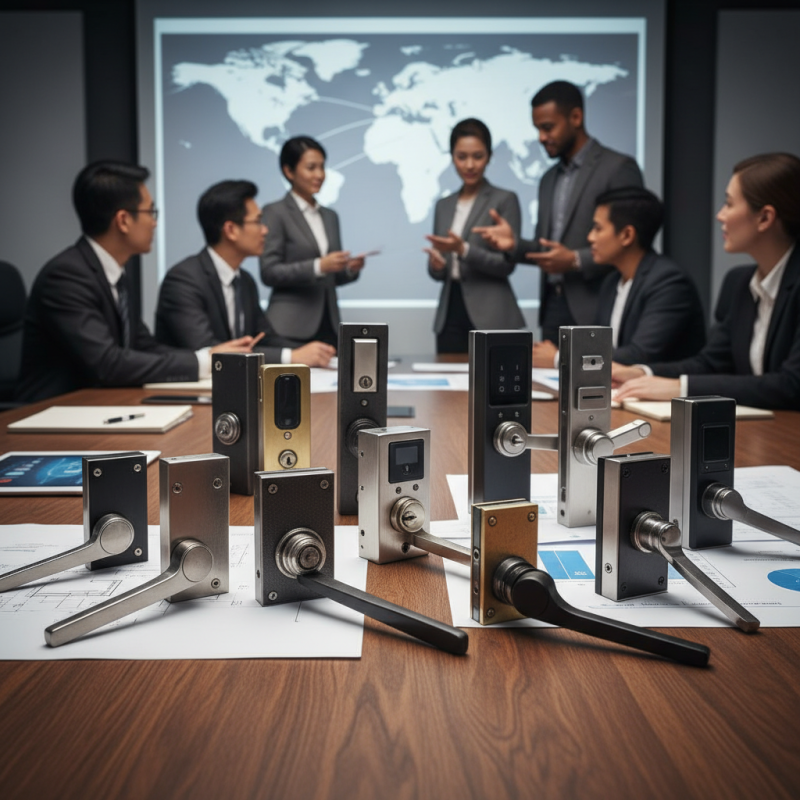
Understanding Lever Locks: Types and Mechanisms
When considering lever locks, understanding their types and mechanisms is crucial. Lever locks provide various designs suited for different applications. Common types include single-lever, double-lever, and multi-lever locks. Each type has unique advantages. For instance, multi-lever locks often offer enhanced security. According to industry reports, around 30% of security breaches in commercial properties are due to inadequate locking mechanisms.
The mechanism of a lever lock revolves around the rotation of levers instead of traditional pin tumblers. This can provide greater resistance to lock picking. A study by the International Security Association indicates that lever lock systems can reduce unauthorized access by 25% compared to standard locks. Individuals and organizations must weigh these aspects carefully. Some lever locks may be more susceptible to wear over time, leading to potential vulnerabilities.
While lever locks can be reliable, they are not infallible. Users often overlook regular maintenance, which can compromise their effectiveness. A survey conducted by the National Association of Security Professionals shows that nearly 40% of users do not conduct regular checks on their locking mechanisms. This lack of awareness can lead to security gaps, making it essential to keep up with lock performance and integrity.
Key Factors in Selecting Lever Locks for Global Procurement
When selecting Lever Locks for global procurement, several key factors come into play. One fundamental aspect is the material quality. According to a market research report from Global Industry Analysts, the durability of lever locks is often correlated with the materials used. Stainless steel and brass are recommended for their corrosion resistance.
Security features are equally important. The National Institute of Standards and Technology indicates that lever locks should meet specific security certifications. Facilities often require locks that can resist tampering and unauthorized access. Evaluating these certifications can save procurement teams from costly security breaches.
Cost-effectiveness is also a pivotal factor. A report by MarketsandMarkets highlights that bulk purchasing of lever locks can reduce overall expenditures. However, organizations must balance cost and quality. Choosing cheaper options may lead to higher replacement costs in the long run. This highlights the need for a thorough evaluation of potential suppliers and the products they offer.
Finally, consider supplier reliability. Assessing their delivery times and customer service can prevent procurement delays. An efficient supplier can make a significant difference in project timelines. Reflecting on these factors can ultimately guide procurement professionals in their decision-making process.
Evaluating Security Standards for Lever Locks in Procurement
When evaluating security standards for lever locks in procurement, it's vital to consider multiple factors. A reliable locking mechanism should provide both physical security and operational convenience. The design of the
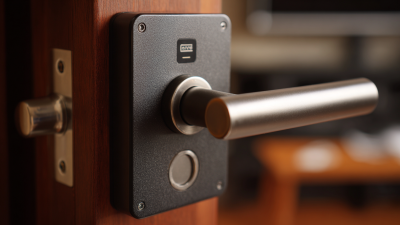
Lever Handle Lock plays a crucial role in how easily it can be used or breached. Choose locks that comply with established security certifications, as these usually meet higher safety protocols.
Assess the materials used in the lever handle lock. Durable metals and reinforced components can resist tampering and wear. However, remember that design flaws may occur even in well-rated products. Consider the usability aspect; a lock that excessively complicates operation may hinder efficiency.
Lastly, seek expert opinions and user experiences. Solid ratings from professionals in security can guide your decision. Still, personal anecdotes can shed light on potential issues. No lock is perfect; always weigh the pros and cons before finalizing your choice. The right lever handle lock can greatly enhance security, but it requires careful consideration to avoid mistakes.
Comparing Lever Lock Materials and Durability Options
When choosing the best lever lock for global procurement, understanding materials and durability is essential. Lever locks come in various materials, including brass, stainless steel, and zinc alloy. Each has its unique strengths and weaknesses. For instance, brass is resistant to corrosion but may wear over time. Stainless steel is durable and offers excellent security but can be expensive.
Pay attention to the lock’s finish. A good finish enhances durability and provides resistance to scratches and rust. Some finishes can wear off quickly, requiring more frequent replacements. Think about the environment where the lock will be used. High humidity areas demand different material choices compared to dry climates. Assessing local weather conditions may lead to better decisions.
Tips: Always inspect the lock’s construction. Look for strong seams and quality hardware. Research warranties and customer reviews for insights into long-term performance. Consider testing the lock if possible. Real-world usage can reveal flaws that specs alone may not. Keep in mind, small details can significantly affect your procurement choices. Make sure to prioritize durability alongside cost.
Lever Lock Material Durability Comparison
Assessing Cost vs. Quality in Lever Lock Procurement Decisions
When considering procurement, evaluating cost versus quality is essential. Lever locks are a critical component in many security systems. Their effectiveness directly ties to both cost and quality. A low-priced lock may seem attractive initially. However, poor quality could lead to failures, increasing costs in the long run.
It's vital to assess the materials used in a Lock With Lever. High-quality materials often mean durability and reliability. A more expensive lock could save money over time due to its longer lifespan. On the flip side, costly options might not always provide a noticeable quality improvement. Balancing these factors requires careful analysis and potentially expert advice.
Don’t overlook the importance of testing lever locks before purchasing. Sometimes, a budget-friendly option could outperform a pricier model in practical use. Seek feedback from other users to gauge reliability. This step may reveal that the cheapest option isn’t always the best in real-world scenarios. Ultimately, aligning your procurement strategy with long-term goals is crucial.
Identifying Reliable Suppliers for Lever Locks on a Global Scale
Identifying reliable suppliers for lever locks on a global scale is crucial for businesses engaged in procurement. The right supplier ensures product quality and consistency. Start by researching potential suppliers' histories. Read reviews and case studies to gauge their reliability. This information can highlight their experience and expertise.
Consider visiting trade shows or industry exhibitions. Networking can provide insight into suppliers’ reputations. Engaging with other businesses offers a real-world perspective. Personal connections often lead to trustworthy recommendations. Verify certifications and compliance with international standards. This step is vital for maintaining product integrity.
Building a strong relationship with suppliers is essential. Regular communication fosters transparency and trust. Discuss quality control processes and delivery timelines. Such conversations can reveal suppliers' commitment to excellence. Take time to assess their responsiveness to inquiries. This quality reflects how they may handle future issues.
Tips: Always request samples before making bulk orders. Samples can reveal the quality and fit of lever locks. Keep track of communication records. This practice can help resolve disputes if they arise. Review contracts carefully, focusing on terms of service. Unclear terms may lead to issues down the line.
Best Practices for Testing and Validating Lever Locks Before Purchase
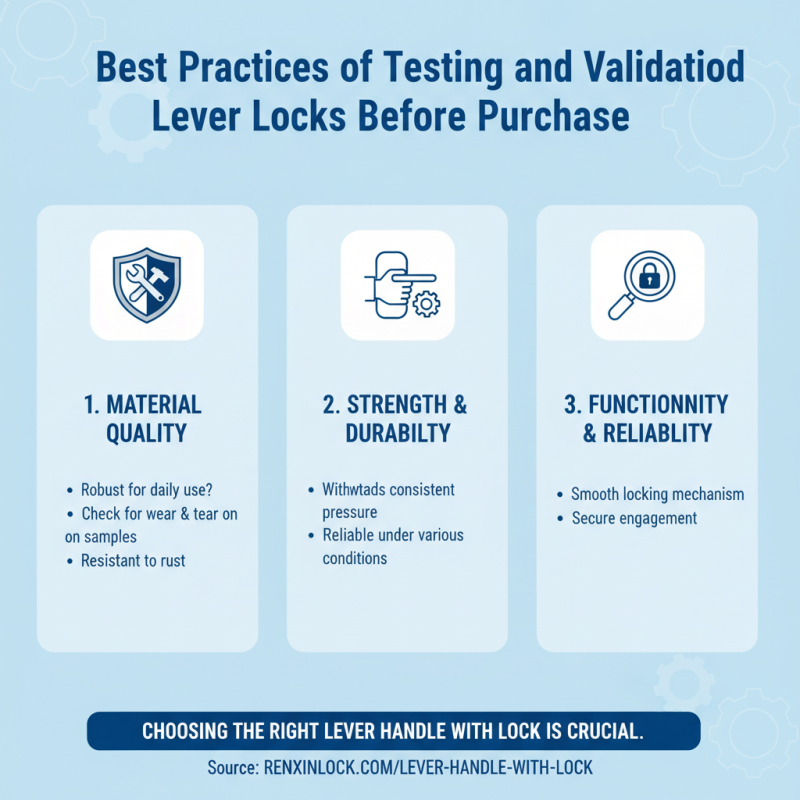
When considering the right lever lock, testing and validating are crucial steps. A Lever Handle With Lock should be reliable under various conditions. Begin by assessing the material quality. Is it robust enough for daily use? Look for signs of wear and tear on samples. A well-constructed handle can withstand consistent pressure and resist rust.
Next, perform functional tests. Does the locking mechanism operate smoothly? It should engage and disengage effortlessly. Try different angles and methods of operation. Not all users will handle a lever the same way. Observe any problems that arise and think about potential improvements.
Lastly, user feedback is invaluable. Before making a purchase, gather opinions from others who have used the lever locks. Are there common complaints? What aspects do users appreciate? Reflect on their experiences, especially the negative ones. This insight can guide your decision-making process, ensuring you choose a lever handle with lock that meets your specific needs and minimizes future issues.
Innovative Security Solutions: The Benefits of the Zinc Alloy Electrical Handle Lock MS301
The modern landscape of security solutions is rapidly evolving, and innovative mechanisms such as the Zinc Alloy Electrical Handle Lock MS301 are at the forefront of this transformation. With increasing concerns regarding safety and home invasions, adopting advanced locking systems has become a necessity. According to a report from the Security Industry Association, the market for electronic locks is projected to reach $2 billion by 2025, highlighting the growing trend of integrating technology in security measures.
The Zinc Alloy Electrical Handle Lock MS301 stands out for its durability and functionality. Crafted from high-quality zinc alloy, it offers exceptional resistance against corrosion and wear, ensuring long-lasting protection. Additionally, the electronic functionality eliminates the need for traditional keys, reducing the risk of unauthorized access. Data indicates that electronic locks offer up to 60% more security compared to conventional lock systems. This is due to their advanced features, which often include keyless entry, remote access, and audit trails that allow homeowners to track usage, thereby significantly enhancing home security.
Moreover, the installation of such locks is straightforward, making them an accessible option for many homeowners looking to upgrade their security. As the demand for reliable security solutions continues to increase, products like the Zinc Alloy Electrical Handle Lock MS301 exemplify a forward-thinking approach to safeguarding personal spaces, combining durability with cutting-edge technology to meet the needs of modern consumers.
FAQS
: Common types include single-lever, double-lever, and multi-lever locks, each with unique advantages.
Lever locks operate with rotating levers, offering greater resistance to picking than traditional pin tumblers.
While generally reliable, lever locks can fail if not maintained. Users often overlook maintenance, leading to vulnerabilities.
Lever lock systems can reduce unauthorized access by 25% compared to standard locks according to security studies.
Assess both cost and quality. A lower-priced lock may fail, leading to higher long-term costs. Testing is essential.
Research suppliers’ histories, read reviews, and verify certifications to ensure product quality and consistency.
Regular checks help maintain effectiveness. Many users neglect maintenance, which can create security gaps over time.
Yes, sometimes cheaper options can outperform pricier models. It's essential to seek user feedback before purchasing.
Regular communication fosters trust. Discuss quality control and delivery timelines to understand their commitment to excellence.
Always request samples to inspect the quality and fit of lever locks before making large purchases.
Conclusion
In the context of global procurement, choosing the best lever lock involves a comprehensive understanding of the various types and mechanisms available. Key factors to consider include the security standards associated with lever locks, materials used, and their durability, which directly impact their effectiveness in safeguarding assets. It's essential to balance cost and quality to make informed procurement decisions and select reliable suppliers who can provide consistent products.
Additionally, best practices for testing and validating lever locks before purchase ensure that they meet specific security needs and standards. By thoroughly evaluating these aspects, procurement managers can enhance their strategy in acquiring lever locks that offer both reliability and security for their operations worldwide.

 Rod lock