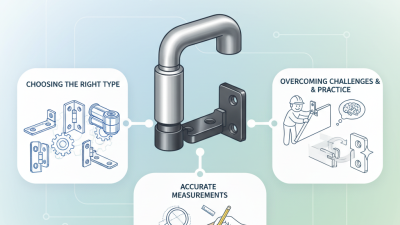
Picking the right pull hinges can really make a difference in how your project turns out, both in looks and in function. These little hardware pieces might seem small, but they’re pretty important—they not only shape the style of doors and cabinets but also impact how long they last and how well they work. When you're choosing which pull hinges to go with, it pays to be a bit thoughtful and do some homework.
First off, think about the material, size, and how much weight they need to hold. For bulkier doors, you’re probably gonna want heavy-duty hinges. Smaller cabinets, on the other hand, usually don’t need something that hefty. And don’t forget to consider where the hinges will be installed. If it’s a damp spot or an area with temperature swings, those things can really wear out hinges faster.
Also, don’t underestimate the power of proper installation. Even the coolest hinges won’t do their job if they’re not set up right. Take your time, do some research, maybe even chat with a pro if you can. Trust me, making a smart choice upfront can save you a lot of frustration down the line—and your project will turn out way better overall.
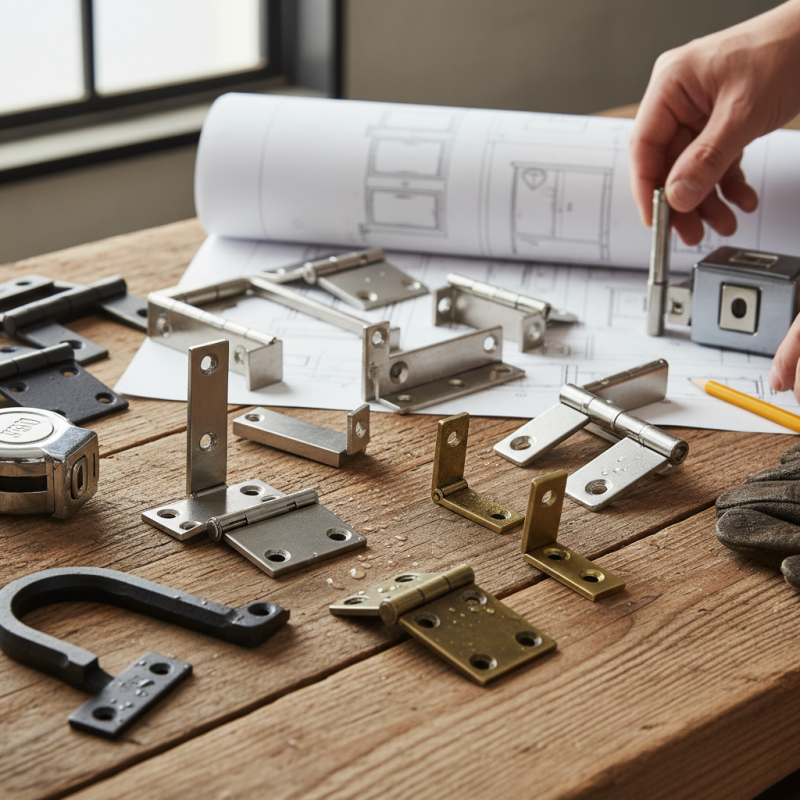
Understanding Pull Hinges: A Comprehensive Overview
Pull hinges are essential for many projects, offering a blend of functionality and style. Understanding their various types can enhance your design. Basic pull hinges pivot along a fixed axis, ideal for doors or gates. You find them in homes and businesses alike. More complex designs include continuous hinges, which provide stability and even weight distribution. This can be crucial in heavy-use areas.
Selecting the right Pull Handles matters just as much as choosing hinges. The materials—often metal, plastic, or wood—impact aesthetics and durability. Stainless steel pull handles resist corrosion, while brass offers a classic look. Factors like load capacity and installation methods also play roles. Sometimes, aesthetics lose out to functionality, leading to future regrets.
Consider where you’ll use these hinges. Environments with moisture demand careful material choices to prevent rust. Reflect on your choices. Neutral tones may blend in but lack character. Remember, the right pull handles can elevate your project’s overall appearance. Personal preferences can steer you off course, so be sure to weigh practicality against style.
Types of Pull Hinges and Their Applications in Projects
When selecting pull hinges for your projects, it's essential to understand the various types available and their specific applications. Pull hinges come in different styles, each suited for distinct functions. For example, continuous hinges provide stability for doors or gates, while piano hinges are perfect for larger, heavier items. Concealed hinges offer a clean aesthetic for cabinets, while offset hinges can accommodate doors that need to swing wider.
Here are some tips to consider while choosing pull hinges. Always assess the weight and material of the door or item you plan to equip. Using the wrong hinge can lead to functionality issues. Pay attention to the door's size too, as a mismatch can affect the overall balance. Additionally, evaluate the environment where the hinge will be installed. Indoor and outdoor settings require different hinge materials to withstand conditions like humidity and temperature fluctuations.
Remember, it’s okay to make mistakes during this process. You may find the first choice does not fit your expectations. This is an opportunity to learn what works best for your specific needs. Take your time to explore options and reflect on past experiences. Each project enhances your understanding, bringing you closer to expert decisions.
How to Choose the Best Pull Hinges for Your Projects?
| Type of Pull Hinge |
Material |
Weight Capacity |
Common Applications |
| Standard Pull Hinge |
Steel |
Up to 200 lbs |
Doors, Cabinets |
| Heavy-Duty Pull Hinge |
Stainless Steel |
Up to 500 lbs |
Industrial Equipment, Gates |
| Plastic Pull Hinge |
High-Density Polyethylene |
Up to 50 lbs |
Lightweight Projects, Boxes |
| Adjustable Pull Hinge |
Aluminum |
Up to 300 lbs |
Furniture, Custom Cabinets |
| Spring-Loaded Pull Hinge |
Steel |
Up to 150 lbs |
Doors Requiring Automatic Closing |
Key Factors to Consider When Selecting Pull Hinges
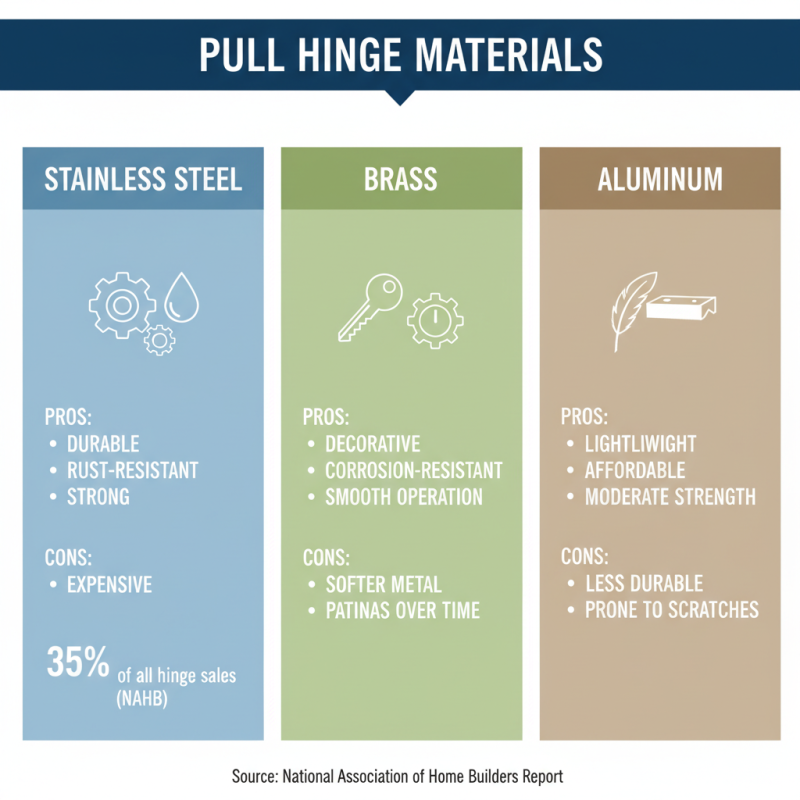
When selecting pull hinges for your projects, several key factors should guide your decision. First, consider the material of the hinges. Stainless steel pull hinges are often preferred for their durability and resistance to rust. According to industry reports, these materials can extend the lifespan of your hardware significantly. On the other hand, plastic hinges may be suitable for lightweight applications but lack the strength required for heavy doors.
Another important factor is the weight capacity of the pull hinges. Make sure the hinges can support the weight of the door or gate. A poor choice here can lead to malfunctions or even accidents. Proper weight distribution is crucial. If unsure about the weight, consult specifications or load capacity charts provided by manufacturers.
Tips: Always check the installation process for pull hinges. Some require specific tools, while others are more straightforward. Keeping your installation well-documented can help troubleshoot problems later.
Lastly, consider ergonomics. The design of the Handle Pull should enable comfortable operation. If the handle isn’t easy to grip or feels awkward, it can detract from the user experience. Remember, aesthetics also play a role. The finish and style should complement your overall project. Take your time to evaluate each aspect.
Material Choices for Pull Hinges: Pros and Cons
Choosing the right material for pull hinges can significantly impact your project. Each option has unique advantages and drawbacks. Stainless steel, for instance, is highly durable and resistant to rust. According to a report by the National Association of Home Builders, stainless steel hinges account for approximately 35% of all hinge sales in construction. However, they can be costly, which might not suit every budget.
Plastic hinges, on the other hand, are lightweight and resistant to corrosion. They are ideal for environments exposed to moisture. Yet, they may lack the strength required for heavy doors. Research indicates that while plastic hinges hold about 15% of the market, their usage is growing due to cost-effectiveness.
Wooden pull hinges provide a classic aesthetic and good strength for interior projects. Yet, their performance can be influenced by humidity and temperature. A study from the Woodworking Industry Association shows that 20% of reported hinge failures stem from wood expansion issues. This means careful selection is vital to avoid project setbacks. Thus, evaluating your project's specific needs before making a choice is essential.
Installation Tips for Pull Hinges to Ensure Optimal Performance
When installing pull hinges, attention to detail is crucial. Start by ensuring that surfaces are clean and free from debris. A smooth installation contributes to the hinge's longevity. Measure the distance carefully. Incorrect spacing can lead to misalignment. Misalignment often results in functional issues over time. The installation should feel natural and smooth, not forced.
Consider using a level when positioning the hinges. This step helps maintain a straight line, ensuring proper operation. Use the correct screws for your chosen hinges. An unsuitable screw can lead to instability, causing the hinge to fail sooner than expected. Don't rush through this process. Take your time to double-check all measurements.
After installation, test the hinges thoroughly. Open and close the door multiple times. Listen for any unusual sounds. If you notice sticking or grinding, reassess the installation position. Reflect on what might be improved. Regular checks after installation can help catch issues early. Aim for a seamless experience with each use.
Maintenance and Care for Longevity of Pull Hinges
Proper maintenance of pull hinges is crucial for ensuring their longevity and optimal performance. According to industry reports, metal components like hinges can corrode over time, especially in humid environments. Regularly inspecting and cleaning the hinges can prevent rust formation and maintain functionality. Grit and dirt can accumulate, making it hard to Pull The Handle smoothly. A soft cloth and mild detergent are often recommended for cleaning.
Lubrication is key to prolonging the life of your pull hinges. The National Association of Hardware Manufacturers states that using the right lubricant can enhance performance significantly. A light machine oil or silicone spray is ideal for this purpose. Regularly apply lubricant to avoid wear and tear. This practice not only improves ease of use but also protects against environmental damage.
Replacing worn-out hardware is another vital consideration. Even the best hinges will have a limited lifespan. According to a study by the American Institute of Steel Construction, stress fractures commonly occur in high-usage areas. Ignoring these signs can lead to larger issues. It’s essential to observe how often you pull the handle and replace hinges when necessary. Investing time in maintenance pays off in the long run.
Pull Hinges Selection - Durability Based on Material
Common Mistakes to Avoid When Choosing Pull Hinges
Choosing the right pull hinges for your projects can be tricky. Many overlook the importance of weight capacity. A common mistake is selecting hinges without checking how much weight they can support. It's essential to refer to industry reports stating that choosing the right hinge can affect durability by up to 40%.
Another frequent error is ignoring material compatibility. Different materials react differently under stress and environmental conditions. For instance, stainless steel offers high resistance, while plastic may warp over time. It's advisable to align hinge materials with the project requirements for longevity.
Tips: Always test hinge strength with a sample before finalizing your choice. Consider how the Pull Handle Cabinet will be used daily to ensure it meets user needs. Analyze the aesthetic and functional aspects to find the perfect match without compromising on quality. Lastly, evaluate hinge sizes carefully; even slight misalignments can lead to operational issues.
Analyzing Trends and Market Insights: The Rise of CL233 Popular Industrial Hinges in 2023 According to Recent Industry Reports
In 2023, industrial hinges are witnessing a significant transformation, with CL233 hinges emerging as a leader in this category. Recent industry reports highlight a notable increase in demand driven by their robust design and versatility. These hinges are particularly valued in manufacturing and construction sectors where reliability and efficiency are paramount. Their ability to function under extreme conditions while providing seamless operation makes them an essential component in various applications.
The rise of CL233 hinges can be attributed to their innovative engineering, which accommodates a wide range of door weights and sizes. This adaptability not only streamlines installation processes but also enhances durability, making them a cost-effective solution for businesses looking to upgrade their hardware. The demand for these hinges is further supported by the ongoing trend towards sustainable building practices, as they are often crafted from materials that comply with eco-friendly standards.
As industries continue to evolve, the focus on enhancing operational efficiency will sustain the popularity of CL233 hinges. Their integration into new projects signifies a broader shift towards advanced engineering solutions that prioritize functionality without compromising on design. This trend exemplifies how strategic product development is meeting the changing needs of various markets, ensuring that CL233 hinges remain at the forefront of the industrial hinge segment in the coming years.
FAQS
: Pull hinges are hardware used for doors or gates, allowing them to swing open and closed.
Material affects durability and aesthetics. Options like metal, plastic, or wood offer different looks and longevity.
Continuous hinges provide stability and distribute weight evenly, making them suitable for heavy-use areas.
Ensure surfaces are clean and measure distances carefully for proper alignment and smooth operation.
Overlooking weight capacity and material compatibility are frequent errors that can affect performance.
It's advisable to test a sample hinge to assess its strength before finalizing your choice.
Reassess the installation position and consider what might be improved if there are sticking or grinding noises.
The wrong weight capacity can lead to increased wear and decrease durability by up to 40%.
Analyze how they will be used daily to ensure they meet user needs without sacrificing quality.
Personal preferences may prioritize style over practicality, leading to regrets in functionality later on.
Conclusion
When selecting the best pull hinges for your projects, it's essential to understand their various types and applications. Pull hinges come in different configurations, each suitable for specific uses, and recognizing these can significantly enhance your project's functionality. Consider key factors such as load capacity, movement range, and material choice, as these elements play a crucial role in the performance and durability of pull hinges.
Moreover, selecting the right material involves weighing the pros and cons of options like stainless steel versus plastic, which can impact longevity and strength. Proper installation techniques are vital for optimal performance, alongside regular maintenance to extend the lifespan of your pull hinges. Lastly, being aware of common mistakes in selection can help ensure you make informed decisions, ultimately leading to successful project outcomes.

 Rod lock