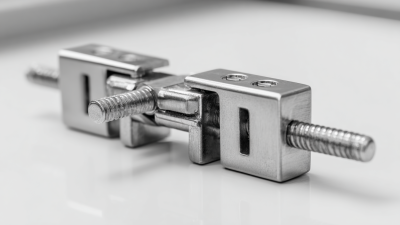
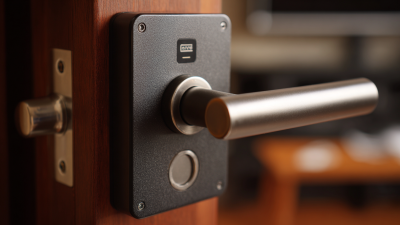
When it comes to industrial hardware, picking the right Compression Latch can really make a difference—not just in how well it works, but also in keeping things secure. As John Smith from SecureLock Industries, one of the top experts in fastening solutions, points out, "Choosing the right Compression Latch is key to making sure everything’s sealed tight and unauthorized access is kept out." That really highlights how important it is to understand your specific needs and what each situation calls for when you're selecting a latch.
These Compression Latches come in all kinds of designs and materials, basically tailored to fit different industries—everything from automotive to aerospace. It's super important to assess what you actually need, whether it’s environmental conditions, load capacity, or how easy it is to operate. A good latch doesn’t just keep things secure; it also makes life easier for the user by being reliable and built to last.
As industries change and grow, so do the challenges when it comes to hardware. Recognizing just how vital a Compression Latch is for keeping enclosures, hatches, and access points intact is something every business should pay attention to if they want safety and efficiency. My goal here is to help you navigate choosing the best Compression Latch for your specific needs, so you can approach this important piece with confidence.
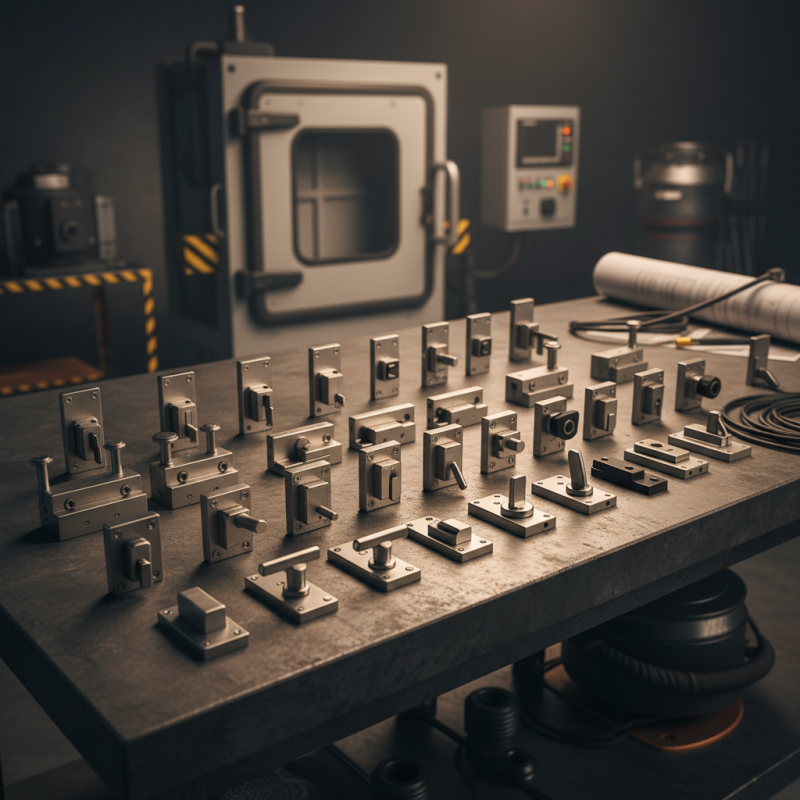
Understanding Compression Latches: What They Are and How They Work
Compression latches are specialized hardware devices designed to create a secure closure by compressing materials together when engaged. They function by utilizing a mechanism that allows a lever or knob to draw the latch inward, applying pressure to the door or panel it secures. This not only ensures a tight fit, preventing unwanted openings, but also maintains a weatherproof seal in cases where environmental protection is crucial. The fundamental concept revolves around the use of a cam or similar mechanism that exerts force downwards or sideways, locking the surface in place and enhancing safety and reliability.
In terms of applications, compression latches are widely used in various industries such as automotive, aerospace, electronic enclosures, and marine environments. Their ability to withstand external pressures and resist vibration makes them ideal for situations where reliability is paramount. Depending on the specific application, different types of compression latches can be selected, including those made of materials that offer corrosion resistance or enhanced durability. Understanding the working principle of these latches allows users to make informed decisions based on their specific needs, ensuring optimal performance and functionality in their respective applications.
Key Factors to Consider When Choosing a Compression Latch
When selecting the best compression latch for your needs, one of the first factors to consider is the material of the latch. Compression latches are available in various materials including stainless steel, zinc, and plastic, each offering different levels of durability and resistance to environmental factors such as corrosion, temperature fluctuations, and wear. For applications exposed to harsh conditions, choosing a latch made from robust materials can significantly enhance longevity and performance.
Another critical factor is the size and design of the latch. The dimensions and the mounting style must fit your specific application requirements, ensuring a secure and snug fit. Additionally, consider the mechanism of operation—whether you prefer a manual or automated system—as this can impact efficiency and ease of use. Understanding the environment in which the latch will operate, including the frequency of use and potential exposure to elements, will help in selecting the right type that balances functionality and practicality.
Different Types of Compression Latches and Their Applications
Compression latches are essential components for securing a wide range of applications, from industrial enclosures to automotive trunks. Understanding the various types of compression latches is crucial for selecting the right one for your needs. Common types include lift-and-turn latches, toggle latches, and quarter-turn latches. Each type offers unique advantages, such as improved sealing and resistance to vibration, making them suitable for different environments and operational requirements.
When choosing a compression latch, consider the specific application and environment. For instance, quarter-turn latches are often used in applications requiring quick access and minimal effort, while toggle latches provide a more secure closure, ideal for high-vibration scenarios. Additionally, selecting materials that withstand chemical exposure and harsh weather conditions is essential for longevity and performance.
Tips: Always assess the load requirements and frequency of use before finalizing your choice of latch. Ensure that the latch design corresponds with your enclosure’s dimensions to achieve an optimal fit. Furthermore, consider the installation method, as some latches may require special tools or techniques for mounting. By understanding the various options available, you can enhance the functionality and security of your equipment.
Material Choices for Compression Latches: Durability and Performance
When selecting a compression latch, the material choice is critical as it directly impacts durability and performance. Compression latches are commonly made from materials such as stainless steel, aluminum, and engineered plastics. Stainless steel is a popular choice due to its excellent corrosion resistance and strength, making it ideal for harsh environments. This is particularly crucial in applications such as marine, automotive, and industrial settings where exposure to moisture and chemicals can lead to rapid degradation of lesser materials.
Aluminum, while lightweight and resistant to corrosion, offers a good balance of strength and flexibility, making it suitable for various applications where weight savings are important, such as in aerospace or lightweight enclosures. On the other hand, engineered plastics are often used for applications that require non-conductive and non-corrosive properties. These materials can also provide sufficient durability while minimizing weight, making them an excellent choice for electronic enclosures or consumer products. Ultimately, evaluating the specific environmental factors and demands of your application will help you choose the compression latch material that ensures longevity and optimal performance.
Compression Latch Material Choices: Durability and Performance
Installation Tips and Considerations for Compression Latches
When installing a compression latch, it’s essential to consider the environment and specific application requirements. Begin by assessing the material of the door or panel where the latch will be mounted, as compatibility can affect performance and durability. Look for latches designed to withstand the conditions they will face, whether that be weather exposure, corrosive environments, or high-vibration settings. Additionally, determining the appropriate size and strength is crucial; a latch that is too weak may fail under stress, while an overly robust latch could complicate usability.
Proper installation techniques are vital for ensuring optimal functionality of the compression latch. Start by ensuring precise alignment during the mounting process; any misalignment can lead to insufficient sealing or the latch not engaging correctly. Utilize the appropriate tools and fixtures to secure the latch firmly without damaging the door or panel. Once installed, test the latch under conditions similar to its intended use to confirm that it seals effectively and operates smoothly. Regular maintenance checks should also be scheduled to monitor for wear or misalignment, as these factors can affect the performance of the latch over time.
Maintenance Practices to Extend the Life of Your Compression Latch
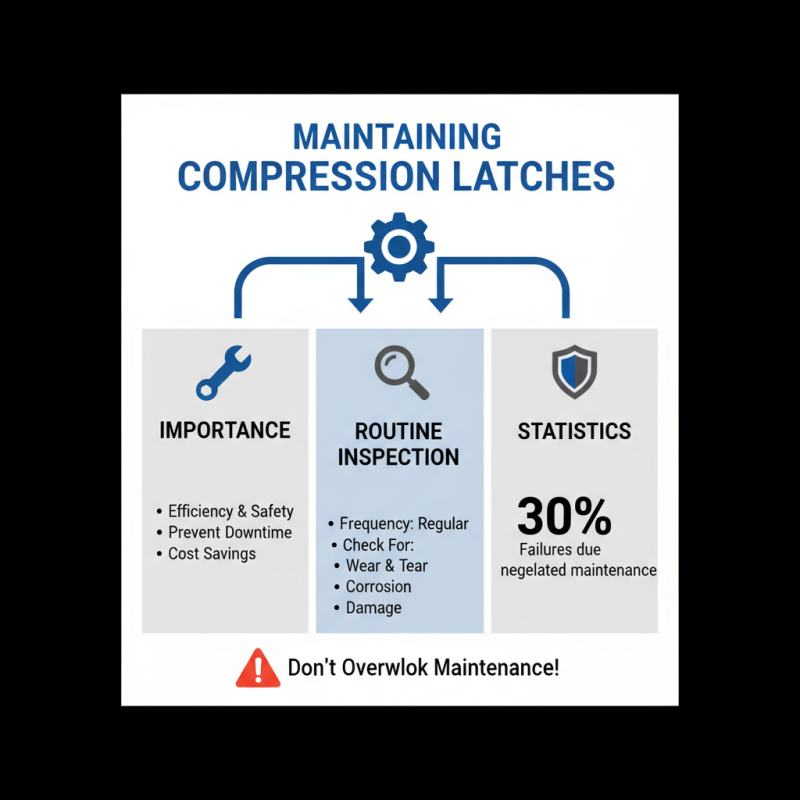
Maintaining the functionality and longevity of compression latches is crucial for ensuring the efficiency and safety of applications across various industries. Regular inspection of latches should be a fundamental practice; studies have shown that up to 30% of failure in latch mechanisms can be attributed to neglecting routine maintenance. Inspecting for any signs of wear, corrosion, or damage can help identify issues before they escalate, preventing costly replacements and downtime.
Additionally, applying proper lubrication is essential to extend the life of compression latches. Industry reports indicate that latches that are adequately lubricated can last up to 50% longer than those that are not. It’s advisable to use appropriate grease or oil specified for the materials of the latch to avoid any adverse reactions that could lead to deterioration. Furthermore, cleaning the latch from debris and contaminants plays a significant role in its maintenance. A clean latch operates more efficiently, reducing the risk of jamming or malfunction, thus enhancing the overall reliability in mission-critical applications. By implementing these maintenance practices, users can significantly enhance the durability and performance of their compression latches.
Common Mistakes to Avoid When Selecting Compression Latches
When selecting compression latches, it’s crucial to avoid common mistakes that could impact performance and usability. One frequent pitfall is failing to consider the specific application environment. Compression latches must be chosen based on factors like temperature fluctuations, exposure to moisture, and potential chemical interactions. Overlooking these environmental conditions can lead to premature wear and malfunction, causing costly repairs or replacements.
Another mistake is neglecting to evaluate the required load capacity and locking mechanism. Different applications may demand varying levels of security and strength. Choosing a latch that is inadequate for the load can result in failure to secure the enclosure properly, whereas selecting one that exceeds the necessary capacity might lead to unnecessary costs and complexity. Additionally, failing to account for user access needs can affect operational efficiency, as some latches may be cumbersome or difficult to use in specific contexts. By carefully considering these factors, you can ensure that your chosen compression latch meets both functional and practical requirements.
How to Choose the Best Compression Latch for Your Needs and Applications - Common Mistakes to Avoid When Selecting Compression Latches
| Parameter |
Description |
Common Mistakes |
Tips for Selection |
| Material |
Choose durable materials like stainless steel or zinc. |
Ignoring environmental conditions. |
Consider materials that resist corrosion and wear. |
| Latch Size |
Select the size that fits your enclosure. |
Choosing the wrong size for the application. |
Measure the installation area accurately. |
| Type of Operation |
Manual or automatic options available. |
Overlooking user convenience. |
Assess how frequently the latch will be used. |
| Locking Mechanism |
Options include keyed locks, combination locks, or no lock. |
Not prioritizing security needs. |
Evaluate the level of security required for the application. |
| Application Type |
Choose based on specific industry requirements. |
Assuming one size fits all. |
Consult industry standards and seek expert advice. |
FAQS
: Compression latches are commonly made from stainless steel, aluminum, and engineered plastics.
Stainless steel is favored for its excellent corrosion resistance and strength, making it ideal for harsh environments like marine, automotive, and industrial settings.
Aluminum is lightweight, resistant to corrosion, and provides a good balance of strength and flexibility, making it suitable for applications that prioritize weight savings.
Engineered plastics are ideal for applications requiring non-conductive and non-corrosive properties and where minimizing weight is important, such as in electronic enclosures.
Common mistakes include failing to consider the specific application environment, neglecting the required load capacity, and not accounting for user access needs.
The application environment affects factors like temperature fluctuations and exposure to moisture, which are critical for ensuring durability and proper functioning of the latch.
It's essential to evaluate the required load capacity and locking mechanism to ensure the latch can securely hold the enclosure without exceeding necessary strength.
Considering user access needs is vital for operational efficiency, as some latches may be cumbersome or difficult to use in specific contexts.
Neglecting to account for environmental conditions can lead to premature wear and malfunction, resulting in costly repairs or replacements.
Evaluating environmental factors, load capacity, and user access needs will help select a compression latch that provides longevity and optimal performance.
Conclusion
Compression latches are essential components used in various applications to securely close doors, hatches, and enclosures. Understanding what compression latches are and how they function is vital to selecting the right one for your specific needs. When choosing a compression latch, key factors such as the latch type, material durability, and intended application should be carefully considered to ensure optimal performance.
Different types of compression latches exist, each suited for distinct applications, ranging from industrial to automotive uses. Material choice plays a crucial role in the durability and functionality of a compression latch, impacting its resistance to environmental factors. Proper installation and regular maintenance practices are essential for extending the life of a compression latch. Additionally, being aware of common mistakes can prevent costly errors during the selection process. By focusing on these areas, you can make an informed decision that enhances the security and efficiency of your applications.

 Rod lock