Picking the right Flat Lock can actually feel pretty overwhelming at first. It’s super important to find one that really suits your specific needs. I remember what expert John Smith from Secure Locks Co. always says — “A Flat Lock is only as good as its application.” That really hits home because it’s all about understanding what you actually require.
When you’re on the hunt for a Flat Lock, think about things like how secure you need it to be and what material suits your situation. There are a bunch of options out there, but not every lock is perfect for every job. Having some knowledge in this area makes a big difference. If you pick the wrong one, it could leave your stuff vulnerable, which is the last thing you want.
Also, it’s worth taking some time to reflect on your choices. Have you considered how often you’ll be using the lock? What kind of environment it’s going to be exposed to? Tiny details like these can sometimes lead to big problems down the line. The right Flat Lock doesn’t just boost security — it also gives you peace of mind. Just keep in mind, making an informed decision is really your best bet here.
Understanding Flat Locks: Definition and Key Features
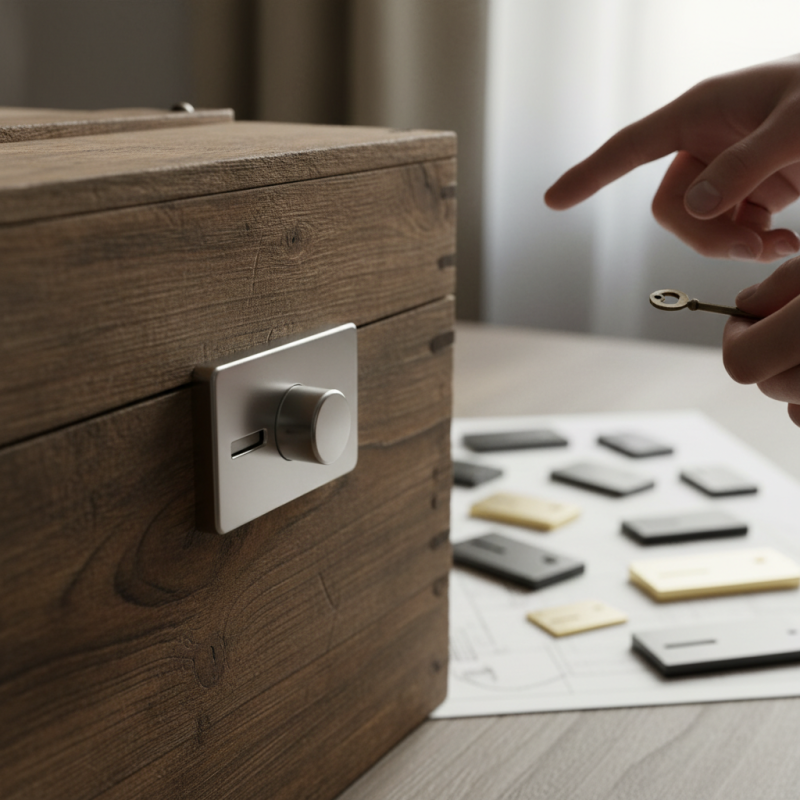
When choosing a flat lock, understanding its definition and key features is crucial. A flat lock is designed to provide a flush finish, which is vital in applications requiring a sleek, modern look. This type of locking mechanism is often used in furniture, cabinetry, and even in some automotive uses. The design allows for a seamless integration, enhancing aesthetics while ensuring security.
Key features of flat locks include durability and ease of installation. They are often made from high-quality materials that resist wear and tear. The locking mechanism should act smoothly and securely. However, potential buyers should be cautious; not all flat locks are created equal. Some may have design flaws that compromise security. Researching specifications is essential. Consider the environment where the lock will be used. Factors such as exposure to moisture or extreme temperatures can impact the lock’s performance.
A good flat lock should maintain its functionality over time. Look for user reviews and expert recommendations to gauge reliability. Before making a purchase, reflect on your specific needs. Will you prioritize aesthetics or security? Identifying these priorities can help in making a sound decision. Flat locks can be a great addition, but understanding their intricacies is key to selecting the best option for your needs.
Types of Flat Locks: A Comparison of Options Available
When choosing a flat lock, understanding the various options is crucial.
Flat Door Locks come in different types, each suited for different needs.
Mechanical flat locks are popular due to their durability. Reports indicate that they account for nearly 70% of the market. They do not require batteries, minimizing maintenance concerns. However, they might lack the convenience of electronic options.
Electronic flat locks are gaining popularity. Their convenience is a major advantage. A report from the Security Industry Association shows that the electronic lock market is projected to grow by 25% over the next five years. Many users appreciate smartphone access and remote controls. Yet, the reliance on batteries can be problematic. Some users report issues with connectivity, leading to frustration.
Smart locks, another category, offer advanced features. They often integrate with home automation systems. This can enhance security but can also be overly complex for some users. Installation sometimes presents challenges, and not all flat door locks will fit existing frames. Therefore, testing the lock’s compatibility with your door is vital. Each type of flat lock has unique benefits and challenges. Make careful comparisons to find the best choice for your specific needs.
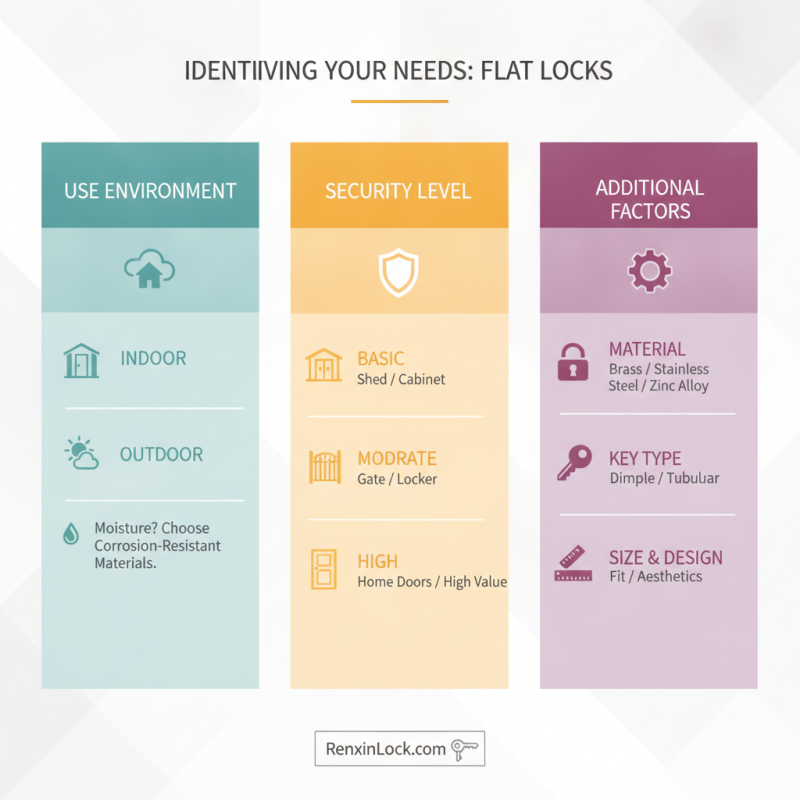
Identifying Your Needs: Factors to Consider for Flat Locks
Choosing the right flat lock depends on multiple personal factors. Start by evaluating where you plan to use the Flat Key Lock. Will it be for outdoor or indoor use? Environmental conditions play a major role. For instance, locks exposed to moisture may require corrosion-resistant materials. Consider how much security you need. A simple flat lock may be enough for a shed, while a more robust option is essential for home doors.
Next, think about your level of expertise. Are you a DIY enthusiast or a beginner? Some flat locks are easier to install than others. If you’re unsure, select models that offer clear instructions or professional support. Additionally, assess your budget. Prices can vary significantly. A high-end lock may offer extensive features, but not every situation requires that level of security.
Lastly, ponder maintenance. Some flat locks need regular upkeep, while others are nearly maintenance-free. Keep in mind that a lock’s durability often correlates with its upkeep needs. Investing time in maintenance can prolong the lock’s lifespan, but make sure you are prepared for that commitment. A well-thought-out choice can enhance security while fitting within your lifestyle.
Material Matters: Choosing the Right Material for Durability
When choosing a flat lock, the material plays a crucial role in its durability and function. Stainless steel is often a solid choice due to its resistance to corrosion and wear. It can endure harsh conditions, making it suitable for both indoor and outdoor applications. However, it's essential to consider the thickness of the material as well. Thinner materials might not offer the same level of durability, despite being lighter.
When evaluating materials, think about where the lock will be used. If it's for a coastal area, opt for higher-grade stainless steel to combat saltwater corrosion. For indoor uses, a galvanized steel option may suffice to balance cost and strength. Remember, not all materials perform equally over time.
Here are some tips for selecting the right material:
- Determine the environment: Indoor vs. outdoor.
- Factor in exposure: Moisture, temperature, and potential impact.
- Don’t overlook maintenance: Some materials require more care than others.
Reflect on your choice. A lock that appears sturdy may fail if the wrong material is chosen. Take your time to assess your options carefully. The right material can enhance the lifespan of your flat lock considerably.
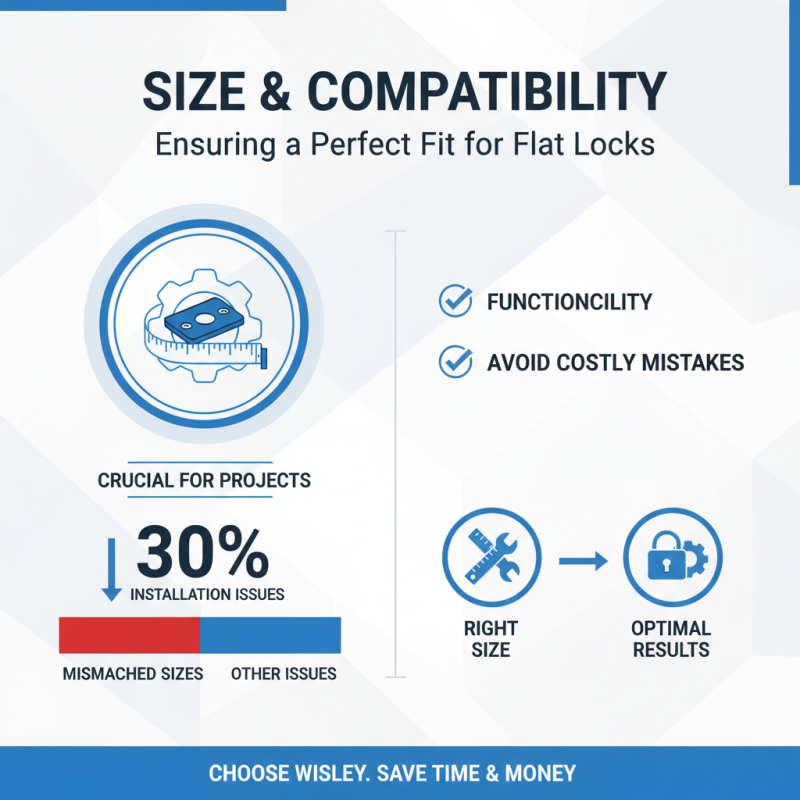
Size and Compatibility: Ensuring a Proper Fit for Your Application
Choosing the right flat lock is crucial for any project. Size and compatibility play a vital role in achieving the best results. According to industry data, nearly 30% of installation issues stem from mismatched sizes. This not only affects functionality but can also lead to costly mistakes.
When selecting a flat lock, measuring correctly is essential. A minor oversight in dimensions can create gaps or tight fits. A report by the Building Research Establishment indicates that proper fitting can enhance the durability of locks by up to 25%. Ensuring compatibility with existing systems or equipment is equally important. Research shows that incompatible locks may require additional adjustments, increasing both time and expenses.
Consider the materials used in the flat lock. Different applications demand different strengths. Various studies reveal that the right material choice can impact the lifespan of a lock. Evaluate environmental factors too. Humidity and temperature changes can influence performance. It's vital to reflect on these aspects to avoid potential drawbacks in your project.
Installation Considerations: Tips for Easy Setup and Maintenance
When installing Flat Concealed Hinges, consider the type of door and the surrounding structure. The installation should complement the door's weight and style. Inspect the wall or cabinet depth to ensure it can accommodate the necessary hinge size. This can prevent potential alignment issues later. Even slight miscalculations can lead to improper door function.
Use a level to check alignment before securing the hinges. This small step is crucial for optimal performance. Mistakes here can lead to an uneven door, causing friction and wear. It’s not uncommon for inexperienced installers to overlook this detail, leading to frustrating adjustments later on.
Maintenance is often forgotten but essential. Regularly clean and lubricate the hinges to ensure smooth operation. Pay attention to watch for rust or wear, especially in humid environments. Catching these issues early can save time and money. Reflection on past projects can help improve future installations, making attention to detail vital.
Installation Considerations for Flat Locks
Cost Factors: Evaluating Budget-Friendly Flat Lock Options
When selecting a flat lock, cost is a vital factor. Affordable options are available, but they may vary in quality. A recent industry report highlighted that 45% of consumers prioritize budget over brand when purchasing flat locks. It's essential to assess what features matter most. Basic security may suffice for some, while others may need advanced options. Balancing cost and functionality is crucial for meaningful decisions.
Consider looking at the long-term investment. A cheaper flat lock may save money upfront, but could lead to higher replacement costs down the road. Experts estimate that spending just 15% more now can increase durability and performance significantly. Durability impacts security, making it worth considering spending a little extra for higher-quality materials. The type of mechanism can also influence the price. Simpler designs like Flat Mount Hinges may offer both functionality and cost savings, catering to various user needs.
Industry insights suggest evaluating the warranty and customer service options. An inexpensive flat lock with robust support can enhance value significantly. Without reliable service, the savings may diminish quickly. Reflecting on personal priorities helps clarify choices. Is immediate savings worth potential future expenses? Only you can determine what balances your needs and budget effectively.
Enhancing Security and Efficiency with MS311 Factory Industrial Handle Locks: A Comprehensive Overview
The industrial sector continuously seeks innovative solutions to enhance security and operational efficiency, particularly within manufacturing and factory settings. MS311 factory industrial handle locks represent a significant advancement in securing sensitive areas while promoting workflow optimization. Research indicates that more than 60% of manufacturers recognize the importance of robust security measures in preventing unauthorized access, thereby reducing theft and increasing workplace safety. The MS311 locking system not only addresses these concerns but also streamlines everyday operations through its user-friendly design.
One of the key features of the MS311 locks is their durability and reliability. According to industry reports, over 70% of businesses prioritize durable locking systems as essential for maintaining stringent security standards. In high-traffic environments, the wear and tear on locks can lead to operational disruptions. MS311 locks are engineered with high-quality materials that withstand the rigors of daily use, ensuring long-term, efficient performance. Additionally, their advanced locking mechanisms provide enhanced resistance against tampering, a growing concern in the industrial landscape where data and equipment are critical assets.
Efficiency is further bolstered by the ease of installation and maintenance of the MS311 locks. An industry survey shows that 55% of facility managers cite time consumption during the installation of security systems as a major drawback. With the MS311 system, installation is streamlined, minimizing downtime and allowing businesses to quickly resume operations. Furthermore, the locks are designed for easy maintenance, ensuring that they remain functional without significant interruptions to workflow. This combination of security and operational efficiency positions the MS311 locks as an essential component for modern industrial facilities focused on safeguarding their assets while optimizing performance.
FAQS
: A flat lock is a locking mechanism designed for a flush finish. It enhances aesthetics and provides security.
Key features include durability, ease of installation, and smooth locking mechanisms. High-quality materials are important for performance.
Exposure to moisture or extreme temperatures can impact performance. Choose locks suitable for specific environments.
Correct size ensures a proper fit. Mismatched sizes can cause installation issues and affect lock functionality.
Look for user reviews and expert recommendations. Reflect on how often you maintain the lock.
Consider your specific needs. Identifying your priorities will help you make a more informed decision.
Choose models with clear instructions. Professional support may also be available for more complicated installations.
Yes, some require regular upkeep. Taking care of a lock can prolong its lifespan. Reflect on your maintenance commitment.
Different applications need different strengths. The right material choice affects the lock's durability and lifespan.
Yes, but compatibility with existing systems must be ensured. Adjustments may lead to additional costs and time.
Conclusion
When selecting the best Flat Lock for your specific needs, it is essential to begin by understanding what Flat Locks are, including their key features and functionalities. Various types of Flat Locks are available, and a comparison among these options can help in identifying the most suitable choice. Factors such as the intended use, material durability, and size compatibility should be carefully considered to ensure a proper fit for your application.
Additionally, installation considerations play a vital role in the overall experience; thus, seeking tips for easy setup and maintenance is advisable. Cost factors are equally important, as evaluating budget-friendly options will assist in making an informed decision. By addressing these aspects, you can confidently choose a Flat Lock that meets your needs and maintains its performance over time.

 Rod lock