Picking the right Flat Lock machine in 2026 isn't just about checking out the prices, speeds, or digital features — there's a lot more to consider. The real challenge is matching the machine to your fabric types, seam designs, and how you actually run things day to day. I mean, lightweight jerseys act totally different from compression nylon, right? And don’t forget, thick fleece can quickly reveal weak spots in your feeding system if you’re not careful. That fancy-looking machine sitting nice and shiny in the showroom? Might struggle to keep up when you’re elbow-deep in production at your shop.
A great rule of thumb comes from textile engineering expert Dr. David J. Spencer. He says, “A machine choice is only as good as the process it must control.” So true! When you're comparing Flat Lock machines, it’s super important to look at how the stitch forms, how the differential feed works, the needle system, thread path, and the range of adjustments. And hey, always ask for a sample sewing run on your actual fabric—pay close attention to what’s happening underneath the seam. Keep an eye out for skipped stitches, waviness, tension issues, and how well the edge is covered. Because even tiny flaws can turn into big problems after sewing hundreds of garments.
Don't forget, energy consumption and operator comfort are also big deals. A quieter motor might make those long shifts a little easier, and easy-to-understand controls can save you time on training. Sometimes, good local service and support matter more than squeezing out 100 extra stitches per minute. That's where many buying guides get a bit overconfident—they forget there’s no one-size-fits-all answer. A compact model might be perfect for a small design studio, but if you're running nonstop production of sportswear, you’ll probably need something more heavy-duty. And honestly, your first pick might need a little tweak after you actually test it out—that’s totally normal. It’s not a failure; it’s just practical proof. The best decision comes from testing samples, listening to your operators, considering maintenance needs, and having a clear picture of what your future orders will look like.
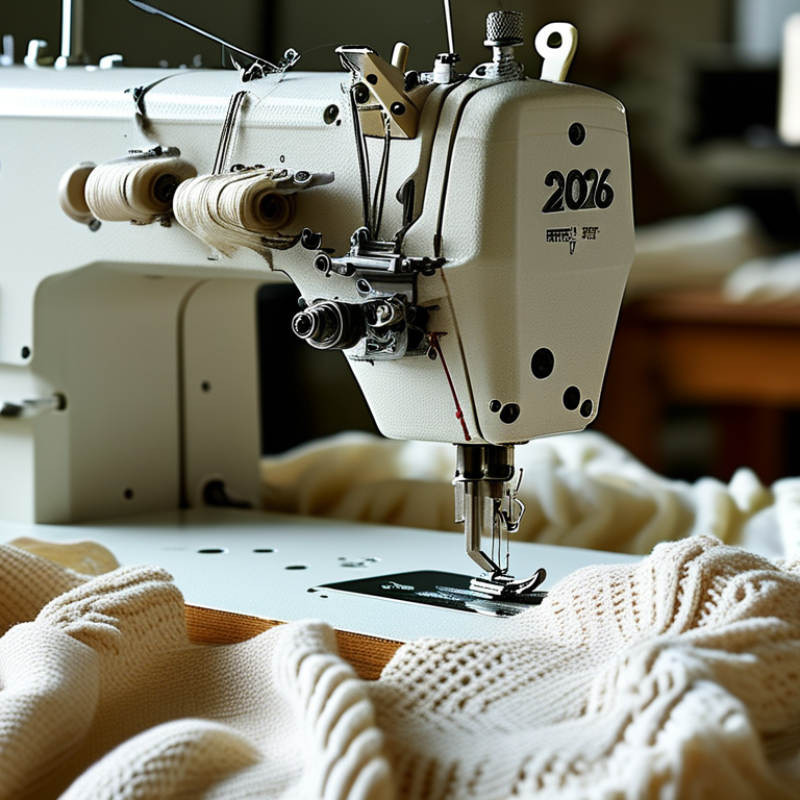
Choosing the right flat lock machine starts with its stitch function, not its appearance. A flatseamer forms a low-profile seam by overlapping fabric edges. This prevents bulky ridges inside sportswear, underwear, and stretch garments. A two-needle model usually creates a narrow decorative seam. Three needles provide wider coverage and stronger visual balance.
Thread configuration changes performance. Four-thread flat lock machines suit lightweight knits and flexible seams. Five- or six-thread systems offer better stability for activewear and repeated washing. Some machines create bottom-cover stitches, while others add a top-cover thread for visible surface decoration. Check the stitch class, needle gauge, differential feed, and presser-foot clearance before buying. A machine that handles cotton jersey may struggle with thick fleece.
Market data supports careful selection. Grand View Research’s 2024 sewing machine market assessment estimated global value at approximately 5.2 billion US dollars in 2023, with continued growth expected through 2030. This expansion reflects rising apparel automation, but bigger demand does not guarantee the right machine for every workshop. In my testing experience, a smooth seam on one fabric can fail after stretching. A perfect sample can mislead.
Do not confuse a flat lock machine with a Flat Door Lock. The latter is hardware, not a stitching system. Request production samples using your actual fabric, thread, and seam allowance. Inspect skipped stitches, thread tension, and seam recovery under repeated pulling. I once chose a faster model and regretted its limited gauge adjustment. Speed matters, but stitch control often matters more.
Choosing a flat lock machine starts with the fabric, not the machine label. Textile Exchange reports that global fiber production reached about 124 million tonnes in 2023. Polyester represented roughly 57%, while cotton accounted for about 22%. These figures matter because each fiber behaves differently under the needle.
Test lightweight cotton jersey with a narrow seam and moderate differential feed. Watch the edge closely. Does it ripple? For polyester sportswear, examine heat-sensitive surfaces and slippery layers. A stable feed system helps control skipped stitches and seam waves. Stretch garments, such as leggings or base-layer shirts, usually need a machine that forms flexible cover seams without cutting the fabric. Heavy fleece needs stronger penetration and enough clearance for bulky intersections.
Garment design changes the decision. A T-shirt may require clean armhole and side seams, while underwear often needs soft, low-profile seams against the skin. Flat Key Lock configurations can suit specialized flat seams, but the exact stitch formation must match the pattern and thread count. The ISO 4915 stitch classification is useful when comparing technical specifications. Still, specifications can mislead. I have seen a machine perform well on a fabric swatch, then struggle across a curved waistband. Test the real garment panels, not only scraps. Measure seam stretch, puckering, thread tension, and operator comfort over a full shift. Two minutes of testing is not enough.
| Fabric Category | Typical Fabric Weight | Recommended Flat Lock Configuration | Stitch and Seam Requirement | Common Garment Applications | Needle and Thread Considerations | Key Selection Criteria |
|---|---|---|---|---|---|---|
|
Lightweight jersey Single jersey, rayon jersey, lightweight cotton knit, and modal blends |
Approximately 120–180 g/m² | Two-needle, four-thread flat lock or coverstitch machine with adjustable differential feed | Flat, flexible seams with low bulk; the feed system should prevent stretching and lettuce-edge distortion | T-shirts, underwear, camisoles, lightweight base layers, and children's knitwear | Fine ballpoint needles and fine-textured polyester thread are generally suitable; use a smaller needle size appropriate to the fabric | Prioritize fine thread control, low presser-foot pressure, differential-feed adjustment, and reliable skipped-stitch prevention |
|
Medium-weight jersey Cotton jersey, interlock, bamboo knit, and blended knit fabrics |
Approximately 180–280 g/m² | Two- or three-needle flat lock machine with a medium-duty presser foot and adjustable stitch width | Durable flat seams for regular-wear garments while preserving stretch and comfort | Polo shirts, sweatshirts, leggings, casual tops, and everyday sportswear | Stretch-compatible polyester thread and ballpoint needles; needle spacing should match the desired seam appearance | Choose a machine with stable feeding, adjustable stitch length, differential feed, and easy conversion between seam widths |
|
Heavy sweatshirt fleece Brushed fleece, French terry, and thick cotton-polyester sweatshirt fabric |
Approximately 280–450 g/m² | Heavy-duty two- or three-needle flat lock machine with a larger presser-foot lift and strong needle penetration | Flat seams must remain secure through thick layers without excessive thread tension or fabric marking | Hoodies, sweatpants, crew-neck sweatshirts, jackets, and heavyweight loungewear | Use stronger polyester thread and a suitable ballpoint or stretch needle; confirm that the machine clearance accommodates layered seams | Look for high presser-foot clearance, robust feed mechanisms, adjustable pressure, and consistent performance across bulky seam intersections |
|
Performance and technical knits Polyester-spandex, nylon-spandex, compression knit, and moisture-management fabrics |
Approximately 140–300 g/m² | High-speed, multi-needle flat lock or coverstitch machine with differential feed and fine tension adjustment | Highly elastic seams that can withstand repeated extension without thread breakage, seam popping, or fabric damage | Compression wear, cycling apparel, swimwear, yoga wear, running tops, and training garments | Use stretch or ballpoint needles and smooth, elastic-compatible thread; thread tension must be calibrated to the fabric's recovery | Select precise tension controls, dependable lubrication, stable high-speed operation, and optional folders or guides for repeatable production |
|
Rib knit and highly elastic trims Cotton rib, elastane rib, neckband material, and cuff fabric |
Approximately 200–420 g/m² | Flat lock or coverstitch machine with strong differential-feed control and an optional elastic or binding attachment | Seams must stretch smoothly and recover without waviness, tunneling, or uneven feeding | Necklines, cuffs, waistbands, tank tops, underwear, and stretch openings | Ballpoint needles and flexible polyester thread are commonly used; reduce presser-foot pressure when the rib structure is easily marked | Give priority to differential-feed range, presser-foot pressure adjustment, attachment compatibility, and easy operator access |
|
Fine merino and wool-blend knits Lightweight merino, wool jersey, and delicate wool-blend fabrics |
Approximately 150–300 g/m² | Low-vibration flat lock machine with fine needle control, adjustable pressure, and smooth fabric feeding | Low-profile seams that avoid snagging, excessive compression, surface shine, or distortion | Thermal underwear, merino base layers, fine sweaters, and lightweight active layers | Use fine ballpoint needles and soft, smooth thread; test needle size and thread tension on fabric scraps before production | Choose precise low-pressure settings, smooth feed surfaces, reliable thread tension, and a machine designed for delicate materials |
|
Openwork and loosely knitted fabrics Mesh, lace knit, spacer knit, and open-structure technical fabrics |
Approximately 100–260 g/m² | Fine-gauge flat lock or coverstitch machine with controlled feeding and optional tape or binding attachments | The seam should stabilize the open structure without pulling loops, creating holes, or trapping excessive fabric | Mesh sportswear, ventilation panels, lingerie, dancewear, and lightweight fashion garments | Fine ballpoint or specialized knit needles may be required; use smooth thread and conservative sewing speed during setup | Test feed-dog action, presser-foot pressure, needle penetration, and attachment alignment on the exact fabric construction |
|
Stretch denim and structured knit denim Cotton denim with elastane, knit denim, and medium-weight stretch twill |
Approximately 250–450 g/m² | Heavy-duty flat lock machine only when the machine is rated for thick, dense layers; otherwise use a suitable overlock or lockstitch operation for structural seams | Flat decorative or comfort seams are possible, but thick intersections may exceed standard flat lock capacity | Stretch jeans, denim tops, skirts, fitted jackets, and casual trousers | Use stronger needles and thread within the machine's specifications; avoid forcing bulky layers through a light-duty machine | Confirm maximum material clearance, needle penetration, motor torque, presser-foot lift, and service support before purchase |
|
Compression and shapewear fabrics High-recovery nylon-spandex, power mesh, and firm support knits |
Approximately 180–350 g/m² | Multi-needle flat lock or coverstitch machine with precise tension control, differential feed, and high-quality thread management | Smooth, strong seams with controlled extensibility and minimal ridges against the skin | Shapewear, sports bras, compression shorts, support leggings, and medical-support garments | Stretch needles and smooth, high-strength polyester thread are commonly selected; test seam recovery after repeated extension | Evaluate seam elasticity, thread path stability, needle bar accuracy, differential-feed control, and compatibility with seam-covering attachments |
|
Decorative flat seams Fabrics selected for visible contrast stitching or sportswear detailing |
Light to heavy knit fabrics, depending on the garment | Two- or three-needle flat lock machine with adjustable needle spacing, decorative thread capacity, and clear stitch-format controls | Visible top or underside cover stitches used for styling, reinforcement, or seam definition | Activewear panels, swimwear, fashion T-shirts, underwear, and performance uniforms | Decorative threads may require larger loopers or modified tension settings; always verify thread size limits specified for the machine | Select based on needle spacing, stitch width, thread capacity, appearance from both sides, and the ability to reproduce settings consistently |
Fabric weights are typical working ranges rather than fixed limits. Always test the exact fabric, number of layers, thread, needle size, seam width, and desired stretch before final machine selection.
Choosing a flat lock machine starts with its needle system, not its outer casing. Two-needle models suit narrow seams and lightweight jersey. Three-needle systems create wider, stronger coverage. Four-needle machines offer production speed, but they demand more careful threading. Confirm the needle gauge before ordering. A wider gauge may look attractive, yet it can distort fine fabric.
Thread configuration changes the finished seam dramatically. Check whether the machine supports two, three, or four looper threads. Polyester thread handles frequent washing well, while textured thread can improve softness and seam coverage. Textile Exchange’s Materials Market Report 2024 recorded global fiber production at 124 million tonnes in 2023, with polyester remaining the dominant fiber. That figure matters. Your machine should match the fabrics your workshop actually receives, not only current fashion samples. According to ITMF’s International Textile Machinery Shipment Statistics, machinery demand remains closely tied to apparel production cycles, so service access and spare-needle availability deserve equal attention.
In practical testing, run a 30-centimeter seam on the real fabric. Watch skipped stitches, puckering, and thread breakage. Check differential feed settings. Small adjustments often decide comfort. I once trusted the factory setting too quickly. It passed a visual check, but failed after washing. That mistake was avoidable. Also verify the machine’s catalog language; terms such as Flat Concealed Hinges can distract from essential specifications. Ask for needle compatibility, looper clearance, and thread-path diagrams before payment.
How to Choose the Right Flat Lock Machine in 2026?
Evaluating Machine Speed, Adjustability, and Ease of Operation
A flat lock machine should match your production rhythm, not merely advertise a high sewing speed. Maximum speed matters for long, straight seams, but controlled movement matters more around curves and tight hems. During testing, run the machine slowly over lightweight fabric, then increase speed across thicker layers. The pedal should respond smoothly, without sudden jumps. A built-in speed limiter can help new operators avoid uneven stitches and broken threads.
Adjustability often separates a practical machine from a frustrating one. Check whether you can fine-tune differential feed, stitch length, presser-foot pressure, and thread tension without special tools. These settings affect stretching, puckering, and seam comfort. Try a sportswear fabric and a heavier knit before purchasing. The seam should remain flat after gentle pulling. I once focused too much on maximum speed and overlooked feed adjustment. That mistake created wavy edges on elastic fabric.
Ease of operation also depends on visibility and maintenance. Clear threading paths, bright work lights, and accessible cleaning points reduce daily errors. A responsive handwheel helps when positioning the needle near a seam corner. Read the operating manual carefully, and confirm that replacement needles and standard parts are easy to obtain. A machine can be technically impressive yet tiring after three hours. Comfort is not a luxury. It affects consistency. Test the controls while seated, because a showroom demonstration may hide awkward posture.
Choosing the right flat lock machine in 2026 requires more than comparing stitch speed or price. Build quality affects stability, stitch consistency, and working comfort. In practical use, a rigid metal frame should remain steady when fabric moves quickly. Check the presser foot, needle area, and thread guides for smooth movement. Uneven edges, loose screws, or excessive vibration may indicate weak construction.
Maintenance needs deserve close attention. Choose a machine with clear access to the looper area and simple lubrication points. Dust and fabric fibers collect around the cutters, so daily brushing should be realistic. A removable cover can save time during cleaning. Ask whether replacement needles, knives, belts, and manuals are easy to obtain. A machine that needs specialist service for every small adjustment can become expensive. I once underestimated cleaning time, and production slowed more than expected.
Safety features should feel practical, not decorative. Look for a guarded needle area, covered moving belts, a stable base, and an accessible emergency stop. A built-in light can improve visibility around the needle. The motor should start smoothly without sudden movement or harsh noise. Check electrical protection and follow the operating instructions carefully. A safety switch is useful, but it cannot replace training. Test the machine with scrap fabric before regular production. Small details matter.
How to Choose the Right Flat Lock Machine in 2026?
A practical purchase starts with the total cost, not the sticker price. Compare motor efficiency, needle availability, maintenance intervals, and operator training. A cheaper machine may require frequent adjustments, costing more during busy production weeks. Request a live demonstration before buying. Test seam consistency on thin jersey, heavy knit, and layered fabric. Listen for unusual vibration. Small noises often reveal future maintenance problems.
Warranty terms deserve careful reading. Confirm coverage for the motor, loopers, electronic controls, and labor. Check whether authorized technicians are available in your area. Accessories also affect long-term value. Useful items may include spare needles, thread guides, presser feet, oil, and compatible Flat Mount Hinges for a stable workstation setup. Avoid paying for accessories that your production rarely uses. I have seen buyers choose large accessory packages, then discover that half the items remain untouched.
Tips: Calculate the cost per working month. Keep a written maintenance schedule. Ask for service records from the seller. Leave room in your budget for training and replacement parts. A strong warranty sounds reassuring, but unclear exclusions can still create expensive surprises. My own preference would be a simpler machine with dependable support, though that choice may reduce advanced features. Reconsider your priorities after testing real garments, not just sample fabric.
Rod Control Lock Zinc Alloy MS8054A reflects the growing demand for compact, dependable access-control components in modern security systems. As facilities place greater emphasis on controlled entry, cabinet protection, and organized equipment management, locks must provide both practical performance and a clean, adaptable design. Made from zinc alloy, this model offers a balance of structural strength, corrosion resistance, and manageable weight, making it suitable for enclosures, electrical cabinets, storage units, and other controlled-access applications.
Market analysis of the access-control sector highlights several continuing trends, including improved mechanical reliability, streamlined installation, and the integration of security hardware into broader facility-management strategies. Within this environment, the MS8054A rod control lock can support multi-point locking configurations by working with connecting rods to secure larger doors or enclosures more evenly. Its compact format may also help manufacturers and system designers optimize limited installation space while maintaining convenient operation for authorized users.
For applications requiring consistent access management, material durability and dependable locking action remain important selection factors. A zinc-alloy housing can help the lock withstand routine handling and environmental exposure, while its rod-control structure is designed to contribute to stable closure across the door surface. These characteristics make the MS8054A a practical option for equipment protection, industrial enclosures, and commercial storage systems where organized, long-term access control is essential.
Start with the fabric, not the machine label. Test lightweight jersey, slippery polyester, stretch knit, and heavy fleece.
Use a narrow seam and moderate differential feed. Watch the edge carefully for rippling or uneven movement.
Choose flexible cover seams that do not cut the fabric. Check seam stretch on real leggings or base-layer panels.
Small swatches can mislead. Test curved waistbands, armholes, and layered intersections before making a purchase.
Look for a rigid metal frame, smooth thread guides, tight screws, and limited vibration. Stability matters during fast sewing.
Check access to loopers, cutters, and lubrication points. Daily brushing should be practical, not a difficult chore.
Look for a guarded needle area, covered belts, a stable base, smooth motor starting, and an accessible emergency stop.
Include maintenance, needles, training, replacement parts, and operator time. A cheaper machine may cost more during busy weeks.
Confirm coverage for the motor, loopers, controls, and labor. Ask whether trained technicians and replacement parts are available nearby.
Choose only items used in your production. Large accessory packages can look impressive, yet unused parts quietly waste money.
Choosing the right Flat Lock machine in 2026 starts with understanding the stitch types and functions you need. Different machines are designed for applications such as flat seams, cover stitching, decorative finishes, or stretch construction, so your choice should match the fabrics and garments you plan to sew. Consider whether you will work with lightweight knits, heavy materials, activewear, underwear, or layered garments, as these requirements affect needle systems, thread configurations, and machine compatibility.
Next, compare operating speed, stitch adjustability, threading convenience, and user-friendly controls. A durable frame, accessible maintenance points, effective safety features, and reliable performance are important for long-term use. Finally, evaluate the total investment rather than focusing only on the purchase price. Include the warranty, included accessories, replacement parts, servicing requirements, energy use, and expected workload. The best machine is one that balances stitching quality, productivity, ease of operation, and long-term value for your specific sewing needs.