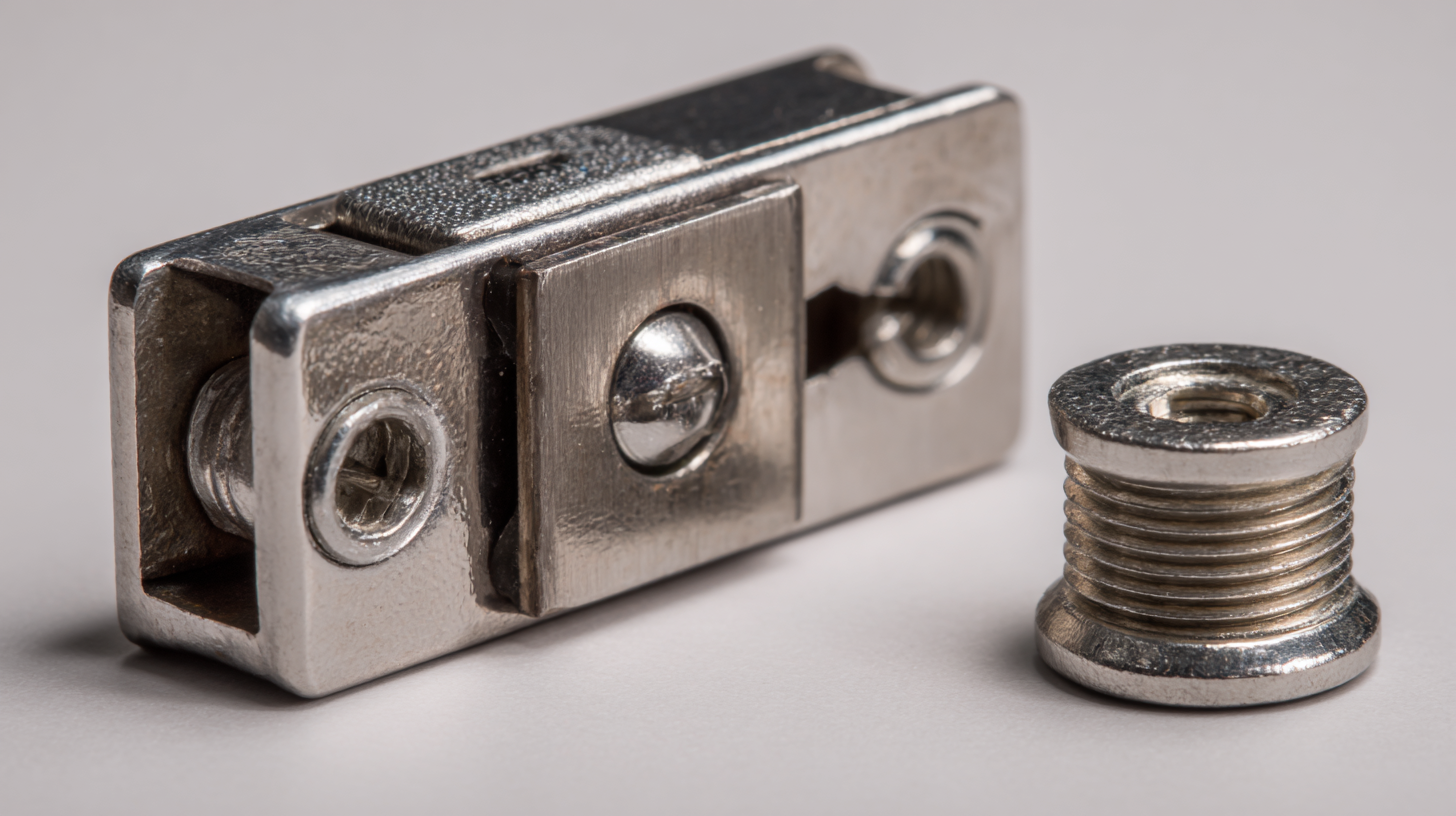
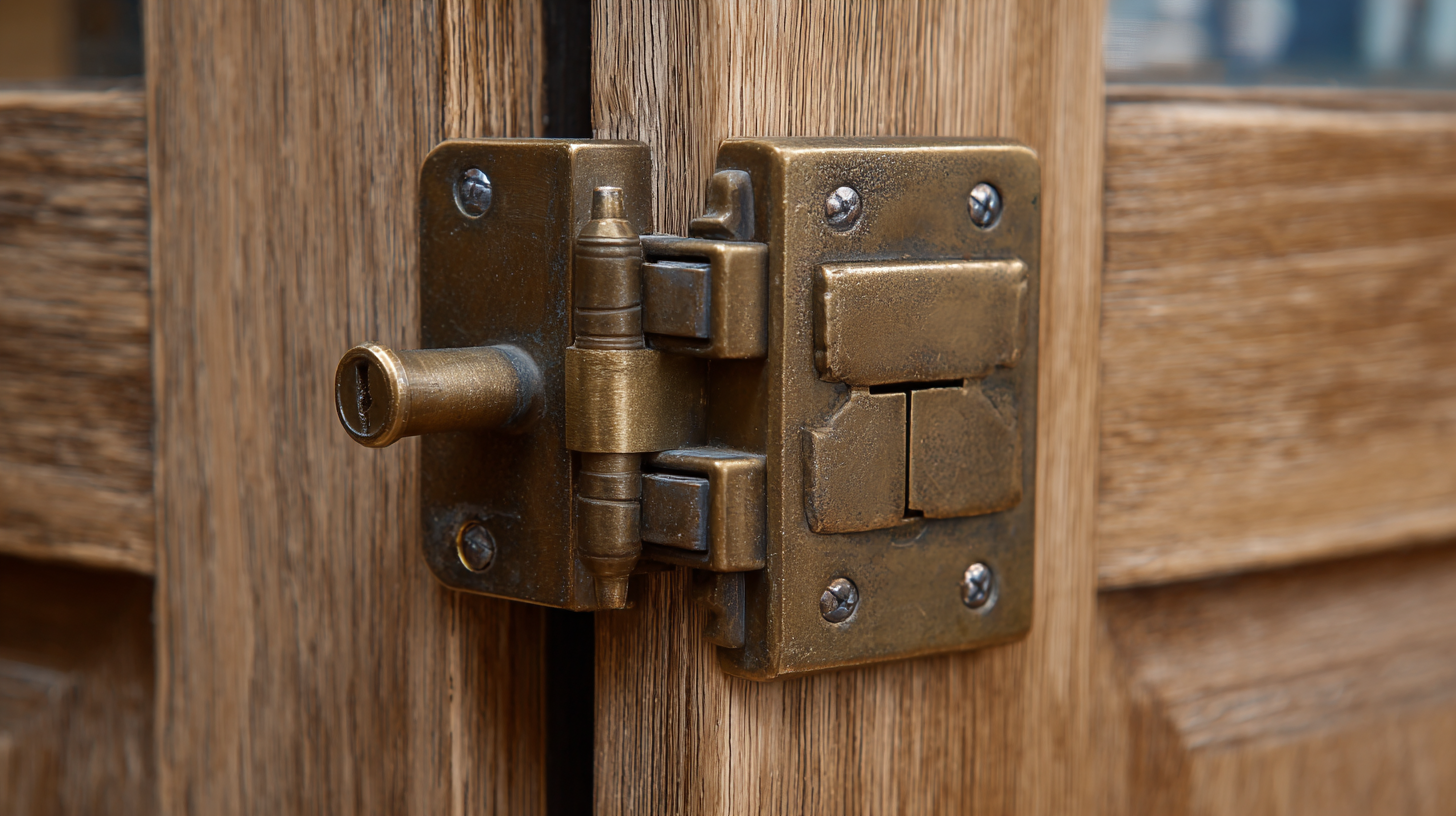
Rod lock
Leave Your Message
Lately, it feels like everyone’s been talking more and more about the need for secure locking systems—especially for homes and businesses. I came across a report on the global hinge lock market, and it’s pretty interesting: it’s expected to grow at about 5.2% annually from 2021 to 2027. A big part of that push? People just want better security and stronger locks that can hold up over time. As tech keeps advancing, picking the right hinge lock isn't just a small detail—it really matters.
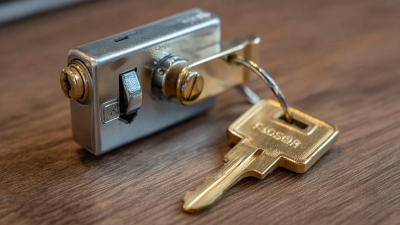
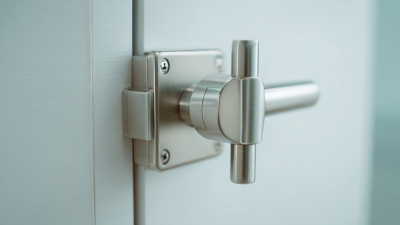
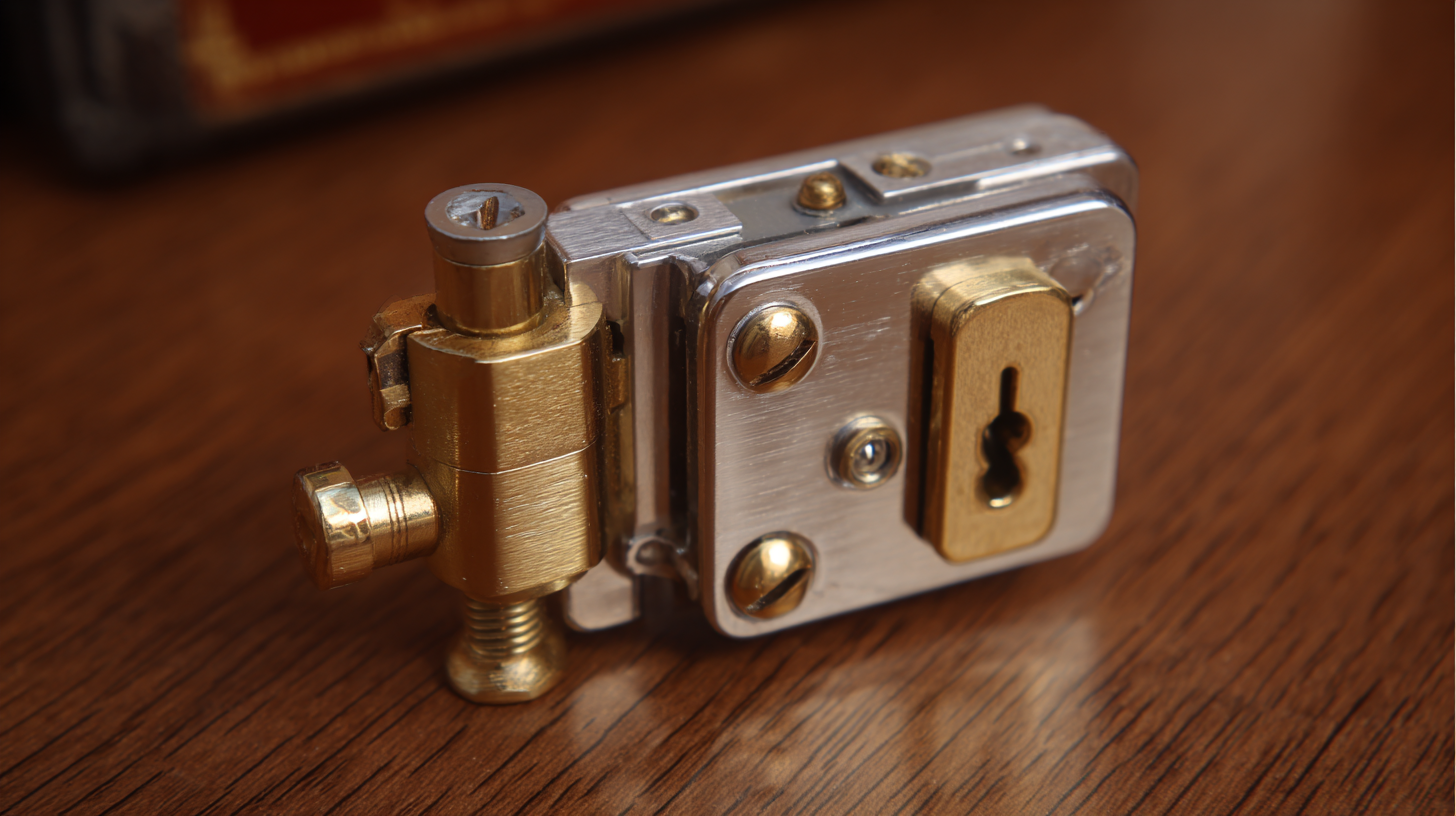 Zhejiang Renxin Lock Co., Ltd. is doing some pretty cool stuff here, offering tons of options like rod locks, cam locks, and especially hinge locks, with over a thousand different products to match just about any need.
An industry pro, John Smith, pointed out something I think a lot of us overlook—‘The choice of hinge lock can seriously make or break the security and lifespan of a door system.’ That really hits home, right? It’s a reminder that whether you're a homeowner or a manufacturer, choosing the right lock isn’t just about convenience; it’s about safety and durability. With high-quality materials and smarter designs becoming the norm, it’s more important than ever to understand what types of hinges and locks you should be looking at if you’re serious about keeping your space protected.
When it comes to home security, hinge locks play a crucial role in fortifying doors against unauthorized access. Understanding the security ratings and durability indices of various hinge lock types can significantly enhance your home’s safety. For instance, ANSI (American National Standards Institute) grades locks based on their performance; locks graded 1 offer the highest level of security, making them suitable for exterior doors. Reports indicate that using high-rated hinge locks can reduce the likelihood of forced entry by up to 60%.
In addition to robust hinge locks, incorporating door security bars can provide an added layer of protection. These devices, placed behind doors, provide extra reinforcement beyond what standard locks and deadbolts can offer. Tests suggest that door security bars, when used alongside high-quality hinge locks, can deter burglars and improve overall home security. In fact, homes equipped with both advanced locking mechanisms and physical barriers, such as security bars, experience significantly lower break-in rates, highlighting the importance of a multi-faceted security approach.
: The primary materials for hinges are steel and brass. Steel hinges are known for their strength and resistance to impact, making them ideal for high-traffic areas and enhanced security. They can withstand harsh weather conditions and often have protective coatings to prevent rust. Brass hinges, while less strong, offer aesthetic appeal and resist tarnishing and corrosion, making them suitable for indoor use.
Proper installation of hinge locks is crucial for maximizing their effectiveness. It’s essential to choose the appropriate type of hinge lock, ensure perfect alignment with the door frame, and use high-quality screws. Careful measurement and marking during installation can prevent misalignment, which can compromise security and lead to premature wear.
Best practices for maintaining hinge locks include lubricating the hinge and lock mechanisms regularly, ensuring the door swings freely, and scheduling periodic inspections to address wear or misalignment. Testing the lock's operation after installation is also important to identify any potential issues.
Yes, the design of hinge locks is evolving with advancements in technology, including smart hinge locks that use biometric access and mobile connectivity. These locks allow users to unlock doors with fingerprints or smartphones, enhancing security and convenience.
Manufacturers are using reinforced composites and weather-resistant coatings in modern hinge lock designs. These materials increase durability and resistance to tampering, enabling locks to withstand harsh environmental conditions.
The incorporation of IoT capabilities in hinge locks allows for real-time monitoring and alerts. This provides users with vital information about their security status, enhancing overall safety and responsiveness to potential breaches.
When choosing between steel and brass hinges, consider the specific application needs, balancing security requirements with aesthetic preferences. Steel is better for high-security and outdoor applications, while brass suits indoor environments with moderate security needs.
Brass hinges are aesthetically appealing and resistant to tarnishing and corrosion. They offer smoother operation due to reduced friction, making them well-suited for indoor environments with less exposure to the elements.
Using high-quality screws during hinge lock installation is important because they resist stripping and corrosion, reinforcing the lock's hold over time and contributing to the overall security and longevity of the installation.
Shims can be used to adjust the positioning of the lock during installation, ensuring a perfect fit that enhances security and improves the visual appeal of the entrance.
The article "Top 10 Essential Hinge Lock Types for Enhanced Security and Durability" provides an in-depth examination of various hinge lock types, emphasizing their security ratings and durability indices. It highlights the top five hinge lock varieties, detailing their effectiveness in different security applications. A comparative analysis of single-action versus double-action hinge locks sheds light on their respective advantages in safeguarding spaces. Additionally, the article explores how material choices, such as steel versus brass, significantly impact the longevity and security of hinge locks.
Installation best practices are also discussed, ensuring that users can maximize the performance and effectiveness of their hinge locks. Finally, the article addresses emerging technologies in hinge lock design, showcasing innovations that enhance security and user convenience. With expertise in producing a wide array of locking mechanisms, Zhejiang Renxin Lock Co., Ltd. is well-equipped to meet diverse client needs while contributing to improved security solutions through optimized hinge lock designs.