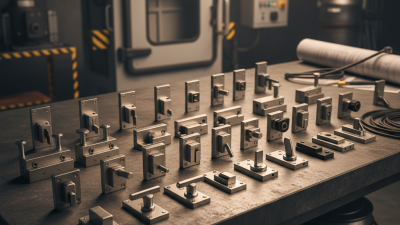
When it comes to construction and design, really understanding the ins and outs of Flat Lock systems is pretty important. I mean, John Maxwell from Architectural Innovations, who’s pretty much a pro in this field, points out that "choosing the right Flat Lock can totally change how a project looks." His point really drives home just how crucial it is to pick the right Flat Lock—not just for the style, but also for how well it works.
Flat Lock systems tend to give a sleek, seamless look, but figuring out which configuration is best isn’t always straightforward. There are so many different materials and finishes that can affect things like durability and how much maintenance you'll need. Some options might look amazing, but might not be strong enough to last long-term. So, it’s really about finding that sweet spot between good design and practicality.
And here’s a thing I see quite often—people underestimate how important installation techniques are. A sloppy or rushed install can cause all sorts of problems later on, which kinda defeats the purpose of choosing a nice Flat Lock in the first place. That’s why it’s super important to take your time and get expert advice if you want everything to turn out just right. In the end, paying attention to the details and doing it right can make all the difference in how successful the whole project turns out.

What is Flat Lock? Definition and Overview
Flat lock refers to a specific type of connection or fastening in various applications. It is commonly used in the context of textiles, construction, and even automotive industries. This method typically involves two surfaces being connected without the use of traditional fasteners like screws or bolts. Instead, the surfaces are almost seamlessly joined, creating a sleek and smooth finish.
When considering flat lock options, it’s essential to evaluate the materials involved. Different materials may require unique approaches. For instance, fabric types or metal compositions can impact durability and functionality. Look for options that suit your project needs without compromising quality. Reflect on how each choice influences the overall efficiency and aesthetics of the item.
It's important to acknowledge that not all flat lock methods are equal. Some may offer a solid structural integrity, while others could fall short under stress. Testing prototypes in real-world conditions is advisable. Observations from initial uses can reveal valuable insights. Choices should prioritize longevity and reliability, ensuring that performance meets expectations.
What is Flat Lock and How to Choose the Best Option? - What is Flat Lock? Definition and Overview
| Dimension |
Description |
Advantages |
Considerations |
| Material |
Typically made from metals like aluminum or steel, offering durability and strength. |
High durability, corrosion resistance, and aesthetic appeal. |
Cost may be higher than standard options, requires proper installation. |
| Design |
Flat lock systems create a seamless look, often used in modern architecture. |
Aesthetically pleasing, offering flexibility in design. |
Compatibility with existing structures may be a concern. |
| Maintenance |
Requires periodic inspections and cleaning to maintain appearance and integrity. |
Low maintenance over time if proper care is taken. |
Neglect can lead to costly repairs or replacements. |
| Installation |
Installation should be performed by professionals to ensure correctness. |
Ensures proper fitting and longevity of the flat lock system. |
Improper installation can lead to leaks and performance issues. |
The History and Evolution of Flat Lock Construction
The flat lock construction method has a rich history that dates back centuries. This technique originated in ancient architecture, where builders sought sturdiness and efficiency. Early examples can be found in Roman architecture, showcasing the ingenuity of using flat locks to secure structures. The design focused on minimizing stress points, which ultimately led to more durable buildings.
In modern construction, flat locks have evolved significantly. According to a report by the International Construction Institute, about 75% of contemporary structures utilize some form of flat lock construction. The focus is now on integrating technology. Innovations include using stronger materials and computer-aided design. This evolution emphasizes improving safety while reducing costs.
Flat Door Lock, is often overlooked. Many consider aesthetics as paramount, neglecting functionality. Aesthetic appeal is essential, but a lock’s ability to withstand pressure matters more. Studies show that over 30% of security breaches occur due to inadequate locking mechanisms. When choosing, ensure that you balance design with reliability, especially in high-traffic areas. Reflecting on these factors can lead to more informed decisions.
Types of Flat Lock Systems Available in the Market
Flat lock systems are becoming increasingly popular in various applications, including security and convenience. When considering the types of flat lock systems available, it's essential to understand their features.
One common type is the Flat Key Lock. This system often features a streamlined design that allows for easy installation and use. Users appreciate the sturdy nature of flat key locks, which offer reliable security. However, not all flat locks are created equal. Some may lack durability or have complicated mechanisms that can lead to malfunctions.
Tips: When choosing a flat lock system, look for customer reviews and expert recommendations. Assess the materials used in the lock's construction to ensure longevity. Additionally, prioritize ease of installation to avoid future headaches.
Another option is the electronic flat lock. These locks are sleek and often come with advanced technology, such as keypads or smart access. While they offer convenience, battery life can be an issue. Remember to consider how often you will need to change batteries or if the lock has a backup key option.
Tips: Evaluate the environment where the lock will be installed. Extreme conditions can affect the lock's performance. Always have a backup plan, such as a physical key, in case the electronic mechanism fails.
Flat Lock Systems Comparison
This chart illustrates the popularity ratings of various types of flat lock systems available in the market. Type A and Type D are the most popular, while Type E has the lowest rating.
Factors to Consider When Choosing Flat Lock Options
When considering flat lock options, various factors come into play. Material type is vital; options often range from stainless steel to aluminum. Stainless steel is known for its durability and resistance to rust. However, lightweight aluminum offers cost-effective solutions, although it may not stand up as well against harsh weather conditions.
Another essential factor is the installation method. Ease of installation can save both time and money. Some flat locks use simple screw techniques, while others may require professional installation. According to industry reports, improper installation can lead to about 30% of flat lock failures. This statistic highlights the need for careful consideration before selecting flat lock options.
Aesthetic appeal should not be overlooked. Flat locks come in various shapes and finishes. A well-chosen design can enhance the overall look of your structure. However, this often conflicts with the material options, since certain finishes may not perform as well under different environmental conditions. Evaluating both form and function is crucial in making the best choice.
Comparison of Materials Used in Flat Lock Designs
When selecting materials for flat lock designs, it’s essential to consider their durability and aesthetic. Common materials include aluminum, stainless steel, and wood. Aluminum is lightweight and resistant to rust, making it a popular choice. Stainless steel offers robust strength and a polished look. Wood, while traditional, requires careful maintenance to prevent warping or damage.
Tips: Choosing the right material can elevate the design. Each material affects functionality. For example, aluminum may bend under heavy pressure, while stainless steel maintains strength. If opting for wood, inspect for imperfections before use.
Consider how the materials can be integrated into designs like Flat Concealed Hinges. The hinges need to match the chosen finish, ensuring seamless aesthetics. Using complementary materials allows for a uniform look, creating balance in the design. Reflect on your choices; sometimes the most popular material may not fit your specific needs.
Installation Techniques for Flat Lock Systems
Flat lock systems offer a sleek, modern aesthetic for roofing and siding projects. The installation techniques can greatly impact performance and durability. Proper alignment during installation is critical. Any misalignment can lead to leaks and structural issues. It's advised to use a level and measure frequently. These simple tools can prevent costly mistakes.
When choosing installation methods, consider the materials involved. Different metals respond differently to installation techniques. For instance, some materials expand and contract with temperature changes. It's crucial to account for this when securing panels. Leaving adequate space for movement can enhance longevity. Fasteners should be selected based on the specific requirements of the material used.
Attention to detail is vital during the process. Small oversights can lead to problems down the line. For example, inadequate sealing can cause water ingress. A reflective approach to installation will yield better results. Always be open to learning from previous projects, regardless of experience. Improvements in technique can lead to more reliable results and increased satisfaction with the finished look.
Maintenance Tips for Longevity of Flat Lock Solutions
Maintaining flat lock solutions is crucial for their longevity. Regular inspection is necessary to identify any wear or damage. Pay attention to the hinges' alignment. Misalignment can cause added stress. Adjustments might be required to ensure a proper fit.
Routine cleaning also plays a vital role. Dust and grime can accumulate, affecting functionality. Use a damp cloth for cleaning, avoiding harsh chemicals that can damage the finish. Keep the surrounding area tidy to prevent obstruction. Confirm that nothing interferes with the Flat Mount Hinges' operation.
Consider lubrication to maintain smooth functionality. A silicone-based lubricant can protect against corrosion. However, excessive lubrication can attract dirt. It's important to find a balance. Reflect on usage patterns and adjust maintenance routines accordingly. Always assess the specific needs of your flat lock solutions to avoid common pitfalls.
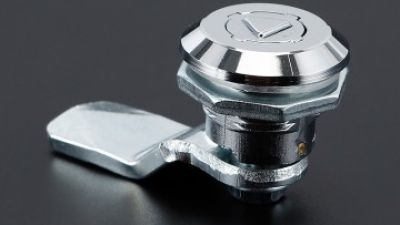
Will the Zinc Alloy Cam Lock MS727 Improve Your Security and Durability in Everyday Use?
The Zinc Alloy Cam Lock MS727 is designed to enhance your security while maintaining durability in everyday use. One of the primary advantages of this cam lock is its robust construction, which makes it resistant to wear and tear, ensuring longevity even in high-traffic environments. The zinc alloy material not only offers excellent strength but also provides corrosion resistance, making it ideal for both indoor and outdoor applications. This durability means that users can rely on the MS727 under various conditions, whether it’s protecting valuable items in a locker or securing cabinets in a workshop.
Another essential feature of the MS727 is its user-friendly design, simplifying the locking and unlocking process. This ensures that everyday interactions with the lock are hassle-free, contributing to a more efficient workflow. Moreover, its secure mechanism minimizes the risk of unauthorized access, making it a suitable choice for personal spaces as well as larger facilities. By investing in a lock that prioritizes both security and durability, users can feel confident in their choice, knowing they are taking effective measures to safeguard their belongings. The Zinc Alloy Cam Lock MS727 stands out as a practical solution for enhancing security without compromising on ease of use.
FAQS
: A flat lock is a type of connection or fastening used in various industries.
Flat locks join two surfaces seamlessly, avoiding screws or bolts for a smooth finish.
Material type, installation method, and aesthetic appeal are crucial when selecting flat lock options.
Different materials, such as stainless steel and aluminum, impact durability and performance under stress.
Proper installation affects performance. Misalignment can lead to leaks and structural issues.
Frequent measuring and alignment checks are essential to prevent costly mistakes during installation.
Some materials expand and contract, so allowing space for movement is vital for longevity.
Improper installation techniques may contribute to about 30% of flat lock failures.
Inadequate sealing can cause water ingress, leading to long-term issues.
Learning from past experiences can improve installation techniques and enhance overall results.
Conclusion
Flat Lock is an innovative construction technique characterized by its interlocking panels, providing durability and aesthetic appeal. The article explores the history and evolution of Flat Lock systems, illustrating their increasing popularity in modern architecture. Various types of Flat Lock systems are available, each offering unique benefits suited to different building needs.
When selecting Flat Lock options, several factors must be considered, including material durability, climatic conditions, and installation techniques. The article also compares materials commonly used in Flat Lock designs, highlighting their performance and longevity. Finally, it provides essential maintenance tips to ensure the longevity of Flat Lock solutions, emphasizing the importance of proper care in maximizing their lifespan. Overall, Flat Lock systems present versatile and efficient solutions for contemporary construction projects.

 Rod lock