Leave Your Message
0%

When you're tackling home improvement projects, it's often the little things that really make a difference. Take the hinge latch, for example—something that might seem pretty minor at first glance, but honestly, it’s pretty important. Even though it’s a small part, it’s big on security and making sure everything functions smoothly. Whether it’s doors, gates, or cabinets, a good hinge latch keeps things safe and working just right.

Choosing the right latch not only boosts your home’s look but also gives you some peace of mind knowing it’ll hold up over time. As you go through different DIY tasks, understanding why a hinge latch matters can actually help you make smarter decisions—saving you trouble down the line. Plus, a well-chosen latch can give your space a clean, seamless appearance and added security. So, even though it’s a tiny component, paying attention to this little detail can seriously level up both how your home looks and how well it works overall.
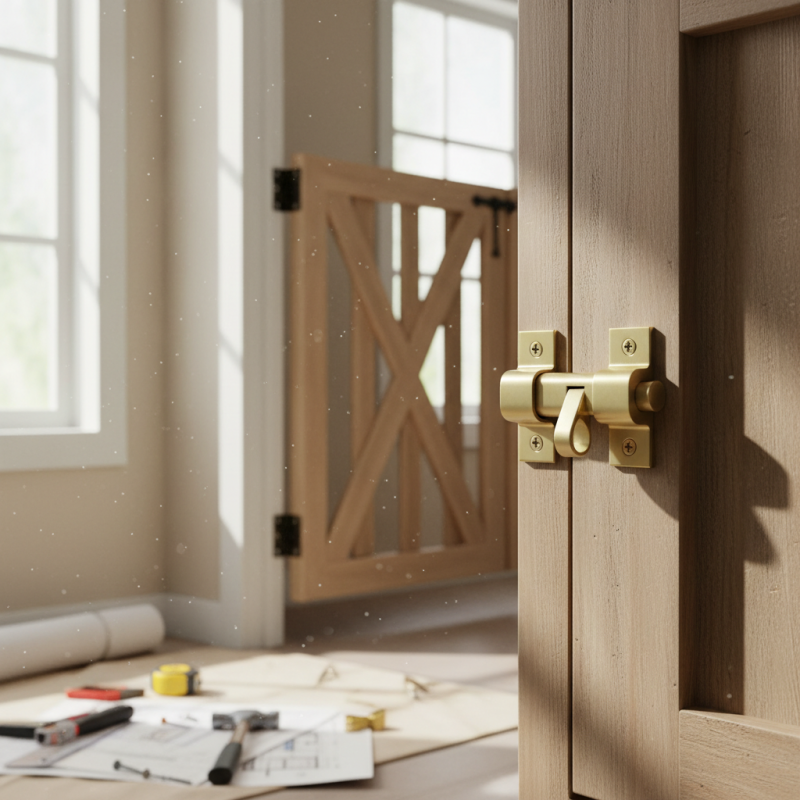
Why is a Hinge Latch Essential for Your Home Improvement Projects?

Understanding the Basics of Hinge Latches and Their Functionality

Why is a Hinge Latch Essential for Your Home Improvement Projects?

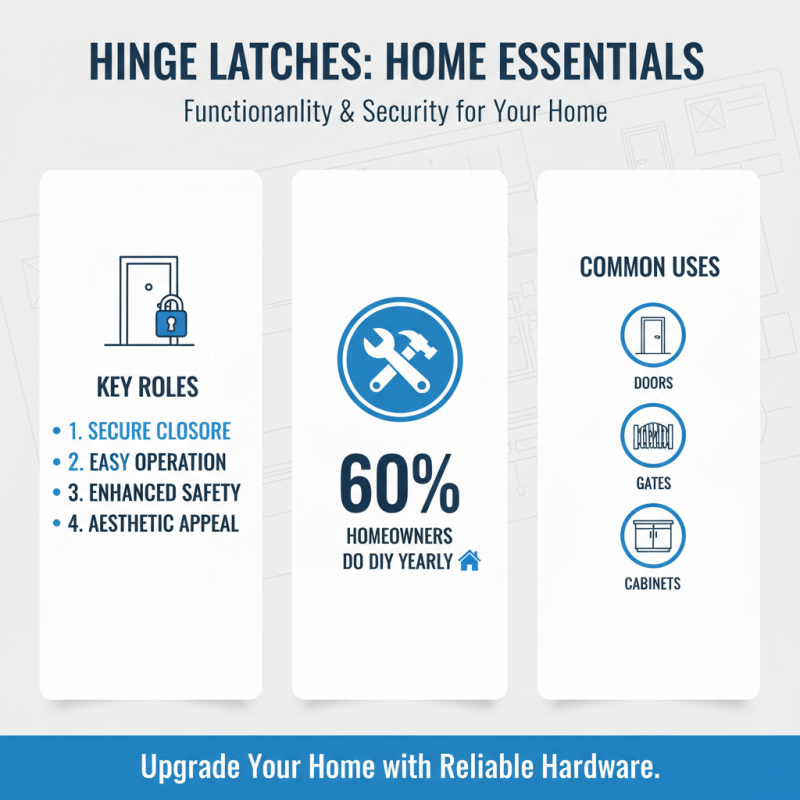
Hinge latches play a crucial role in ensuring the functionality and security of doors, gates, and cabinets within your home. They are designed to provide a secure closure while allowing for easy operation, making them an essential component in various home improvement projects. According to the National Association of Home Builders, over 60% of homeowners undertake at least one improvement project each year, highlighting the significance of effective hardware solutions like hinge latches. These devices not only enhance convenience but also contribute to the overall aesthetic of your spaces.

Understanding the basics of hinge latches involves recognizing their diverse functionalities. At their core, hinge latches are mechanisms that combine a hinge and a latch, allowing for smooth opening and closing while firmly holding doors in place when not in use. There are several types of hinge latches, including continuous, strap, and t-hinges, each serving specific purposes depending on the application. A report from the American Hardware Manufacturers Association reveals that properly selected hardware can increase the lifespan of home accessories, showing that choosing the right hinge latch can have lasting benefits. With a variety of materials such as stainless steel or brass, homeowners can ensure durability and resistance against the elements, further justifying the importance of hinge latches in enhancing home functionality and security.

Key Benefits of Using Hinge Latches in Home Improvement Projects

Hinge latches play a crucial role in various home improvement projects, providing not only functionality but also enhancing security. One of the key benefits of using hinge latches is their ability to secure doors and gates effectively. By employing a hinge latch, homeowners can ensure that their wooden or metal structures remain safely closed, preventing unauthorized access. This added security is particularly important for outdoor areas, such as gardens and backyards, where safety is a priority.

In addition to security, hinge latches also offer versatility. They come in various designs and materials, allowing homeowners to choose options that best fit their aesthetic preferences and functional needs. Whether you’re working on a garden shed, a gate, or indoor cabinetry, hinge latches can adapt to a wide range of applications.

Tip: When selecting a hinge latch, consider the weight and frequency of use for the door or gate. A heavier door may require a more robust latch for reliable support.

Another benefit of hinge latches is their ease of installation. Most hinge latches can be installed with basic tools, making them perfect for DIY enthusiasts. With just a few screws and some measurements, you can enhance both the functionality and look of your project.

Tip: Always ensure that the latch aligns correctly when installed to guarantee optimal performance. Regular maintenance, such as lubricating the latch mechanism, can further prolong its life and ensure seamless operation.

Different Types of Hinge Latches and Their Suitable Applications

Hinge latches come in various types, each designed to meet specific needs in home improvement projects. The most common types include spring-loaded latches, sliding latches, and gravity latches.

Spring-loaded latches are ideal for doors that require quick and easy access, as they automatically engage when the door is closed. This makes them perfect for high-traffic areas, such as garage doors or gates. Their simplicity in design ensures that they are not only easy to operate but also durable over time.

Sliding latches, on the other hand, offer enhanced security and are often used on gates and sheds. With a simple sliding mechanism, they provide a tight closure that is hard to breach, making them suitable for outdoor applications.

Gravity latches are another reliable option, typically used for wooden gates or enclosures. They function based on gravity to secure the gate in place when closed, allowing for easy operation without the need for additional hardware.

Each of these hinge latches serves a distinct purpose, ensuring that homeowners can find the right solution for their specific project needs, whether it’s enhancing security or improving accessibility.

Installation Guide: How to Properly Install a Hinge Latch

Installing a hinge latch may seem like a simple task, but proper installation is crucial to ensure security and functionality. Begin by gathering the necessary tools, including a measuring tape, a drill, screws, and a screwdriver. Start by marking the appropriate height for the latch on your doorframe, typically around 54 inches from the ground, but feel free to adjust based on your preferences. Ensure the latch is aligned with the corresponding side of the door where it will catch. Use a level to verify that it is straight before proceeding.

Next, drill pilot holes where you marked the positions for the latch and strike plate. This step helps prevent the wood from splitting and allows for easier screw insertion. Insert the screws gently but firmly, making sure the latch operates smoothly without any obstruction. After securing the latch, test the closure by pulling the door towards the frame to ensure it latches correctly. If adjustments are needed, it may involve repositioning the strike plate or adjusting the screws for the perfect fit. With your hinge latch installed properly, your home improvement project will benefit from enhanced security and functionality.

Why is a Hinge Latch Essential for Your Home Improvement Projects? - Installation Guide: How to Properly Install a Hinge Latch

Dimension Details
Function Secures gates and doors while allowing for a pivoting movement
Material Options Steel, stainless steel, brass, or plastic
Installation Tools Drill, screwdriver, measuring tape, level
Typical Applications Gates, barn doors, sheds, cabinets, and fences
Installation Steps 1. Measure the placement
2. Mark the holes
3. Drill pilot holes
4. Attach the latch
5. Test the latch function
Maintenance Tips Regularly check for rust, lubricate moving parts, ensure proper alignment

Common Mistakes to Avoid When Using Hinge Latches

When undertaking home improvement projects involving hinge latches, it's essential to be aware of common mistakes that can compromise both functionality and aesthetics. One frequent error is neglecting to choose the right size and type of latch for the door or gate. Using a latch that is too small for a heavy door can lead to inadequate security, while an oversized latch may overpower smaller doors, making them difficult to close or latch securely. Always measure your doors and select a hinge latch that matches their specifications for optimal performance.

Another mistake often made is improper installation. Many DIY enthusiasts may rush through the installation process or skip essential steps, such as ensuring the latch is aligned correctly with the strike plate. Misalignment can cause wear and tear over time, leading to malfunction. Additionally, failing to use appropriate tools or hardware can result in a wobbly installation that detracts from the piece's overall integrity. Taking the time to read installation instructions and using a level can help ensure a successful and lasting fit.

Maintenance Tips to Ensure Longevity of Hinge Latches

Hinge latches are a crucial component in various home improvement projects, providing security and functionality to doors, gates, and cabinets. To ensure these latches perform effectively over time, regular maintenance is essential. Start by periodically checking the latch for signs of wear or rust, as exposure to the elements can lead to deterioration. If you notice any issues, promptly clean and lubricate the latch to maintain smooth operation and prevent further damage.

Additionally, it's important to examine the alignment of the latch and its corresponding plate. Misalignment can cause the latch to jam or not engage properly, leading to frustration and potential safety risks. Adjust the latch as needed for a secure fit. Inspecting the screws for tightness is also vital, as loose screws can compromise the latch’s integrity. By incorporating these maintenance practices, you can extend the life of your hinge latches, ensuring they remain reliable components for all your home improvement endeavors.

Enhancing Security and Aesthetics with Hinge Latches in Your Home

Hinge latches play a crucial role in enhancing both the security and aesthetics of your home. When installed correctly, they provide a robust locking mechanism that keeps doors and gates securely closed, deterring unauthorized access and ensuring the safety of your property and loved ones. Beyond their practical function, hinge latches come in a variety of designs and finishes, allowing you to choose options that complement your home’s architectural style, whether modern, rustic, or traditional. This blend of security and style can significantly elevate the overall appearance of entryways and outdoor spaces.

In addition to safeguarding your home, hinge latches contribute to the seamless functionality of your doors and gates. A well-designed latch ensures smooth operation while maintaining a visually appealing facade. The choice of materials—from classic wrought iron to contemporary stainless steel—provides numerous customization possibilities to match any decor theme. Furthermore, when updating or renovating your home, selecting the right hinge latches can transform ordinary exits into focal points that enhance the overall aesthetic value, making a striking first impression on visitors. Hence, incorporating hinge latches into your home improvement projects not only fortifies security but also enriches the visual charm of your living spaces.

Hinge Latch Importance in Home Improvement Projects

FAQS

: What are the most common types of hinge latches?

: The most common types of hinge latches include spring-loaded latches, sliding latches, and gravity latches. Each type is designed for specific applications and needs.

What is the primary benefit of spring-loaded latches?

Spring-loaded latches are ideal for high-traffic areas as they allow for quick and easy access, automatically engaging when the door is closed. They are designed for durability and ease of operation.

Where are sliding latches typically used?

Sliding latches are often used on gates and sheds, providing enhanced security through a simple sliding mechanism that creates a tight closure difficult to breach.

How do gravity latches operate?

Gravity latches operate based on gravity to secure a gate or enclosure in place when closed, providing easy operation without the need for additional hardware.

How do hinge latches enhance home security?

When installed correctly, hinge latches provide a robust locking mechanism that keeps doors and gates securely closed, deterring unauthorized access and enhancing safety.

Can hinge latches improve the aesthetics of a home?

Yes, hinge latches come in various designs and finishes that can complement a home’s architectural style, enhancing the overall appearance of entryways and outdoor spaces.

What materials are commonly used for hinge latches?

Hinge latches can be made from a variety of materials, including wrought iron and stainless steel, offering numerous customization options to match any decor theme.

Why is it important to choose the right hinge latch for home improvement projects?

Choosing the right hinge latch can transform ordinary exits into focal points that enhance aesthetic value and functionality in home renovations or updates.

How do hinge latches contribute to the overall functionality of doors and gates?

Well-designed hinge latches ensure smooth operation of doors and gates while also maintaining a visually appealing appearance, adding to the seamless functionality of these entry points.

What impact do hinge latches have on the visual charm of living spaces?

Incorporating hinge latches in home improvement projects not only fortifies security but also enriches the visual appeal, making a striking first impression on visitors.

Conclusion

Hinge latches play a crucial role in home improvement projects by providing both security and functionality. Understanding the basics of hinge latches, including their different types and suitable applications, can help homeowners select the right latch for their needs. The key benefits of hinge latches include ease of installation, enhanced durability, and the ability to improve the aesthetic appeal of doors and gates.

Proper installation of hinge latches is vital to ensure their effectiveness, along with regular maintenance to prolong their lifespan. Common mistakes to avoid include improper alignment and neglecting to secure the latch correctly. By integrating hinge latches into various home improvement projects, homeowners can not only enhance security but also add a stylish touch to their spaces.
Olivia

Olivia

Olivia is a dedicated marketing professional with a deep expertise in the design and production of locking mechanisms and hardware solutions. With a focus on rod locks, plane locks, cam locks, handle locks, hinges, and buckle locks, she possesses a comprehensive understanding of over 1,000 distinct......
Previous Unlocking Efficiency: The Role of Compression Latches in Modern Industrial Design