In the fast-changing world of manufacturing, ODM China has really stepped up as a leader when it comes to innovative solutions. One of the standouts is their Sliding Lock technology. Companies are always trying to improve their products and meet all sorts of customer needs, right? These Sliding Locks are gaining popularity across pretty much every industry—think furniture, electronics, you name it. Take Hualong, for example—they’re giving customers more flexibility and safety with their designs. But, of course, it’s not all smooth sailing. Finding that sweet spot between pushing innovation forward and keeping things user-friendly can be pretty challenging.
Sometimes, certain Sliding Lock products don’t quite hit the mark for every user. That’s why testing is such a big deal—to make sure everything works well and is of good quality. And the feedback from clients? It’s often full of insights on how things could be improved. As ODM China's factories continue to innovate with these locks, paying attention to what users are saying will be super important if they want to stay ahead of the game.
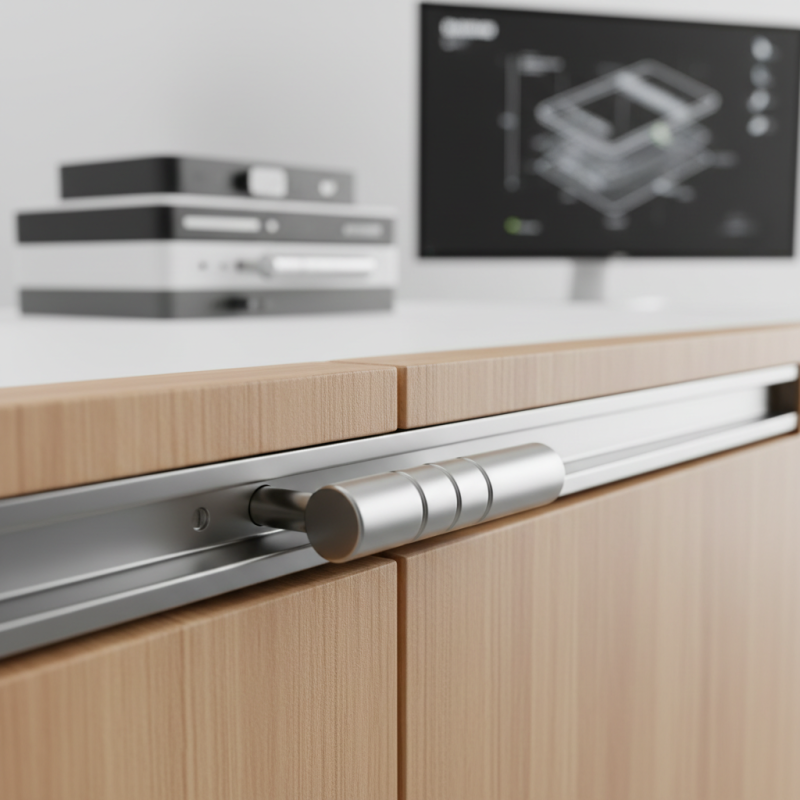
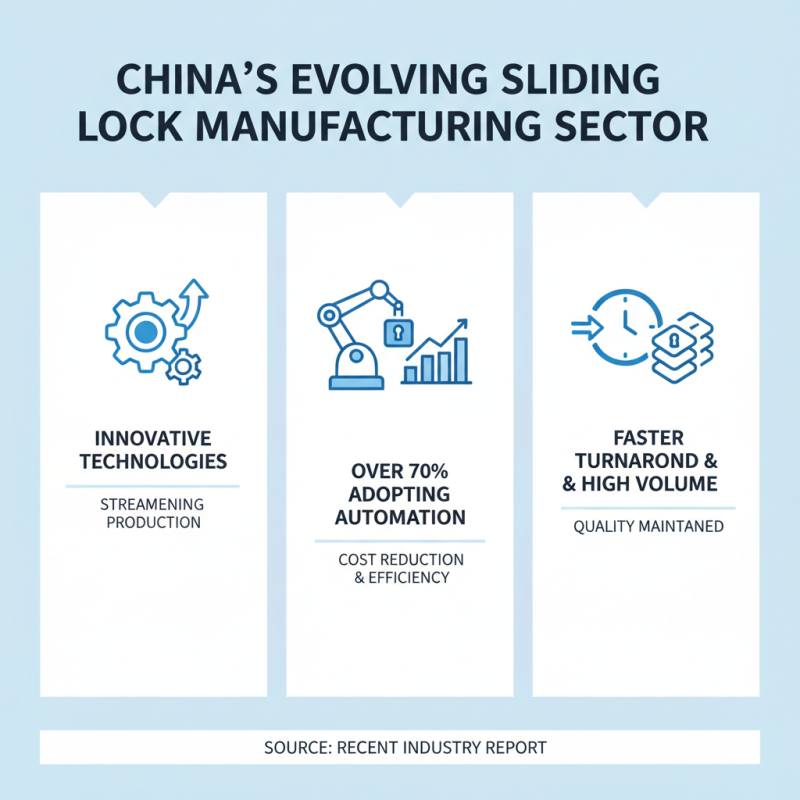
The sliding lock manufacturing sector in China is seeing rapid evolution. Innovative technologies are streamlining production. A recent report reveals that over 70% of manufacturers are investing in automation to reduce costs and improve efficiency. This shift allows for quicker turnaround times and high-volume production without sacrificing quality.
In 2023, environmental sustainability has become integral to Chinese ODM trends. Factories are adopting eco-friendly materials, reducing waste during production by up to 30%. Additionally, consumer demand for durability is reshaping design priorities. Many manufacturers are focusing on rust-resistant materials, ensuring longevity in various environments.
Quality control remains a challenge. Despite advancements, some manufacturers still struggle to maintain consistent quality standards. Approximately 20% report inconsistencies, which can lead to customer dissatisfaction. Companies are encouraged to use advanced testing methods to ensure product reliability. While innovations abound, achieving total quality assurance requires ongoing effort and adaptation.
Sliding locks are becoming essential in modern design. Innovative materials are driving advancements in this sector. Manufacturers are exploring alternatives to traditional metal. Composites and high-density plastics are now common. These materials offer durability while being lightweight.
Some materials improve weather resistance. This is crucial for outdoor applications. Others provide a unique aesthetic appeal, enhancing product design. However, not all innovations pass rigorous testing. Some may lack the durability expected in high-stress environments.
The use of eco-friendly materials is also growing. Bioplastics and recycled components are being introduced. This shift reflects a commitment to sustainability. Nonetheless, the performance of these materials can be variable. Manufacturers must ensure these eco-innovations meet standard requirements. Balancing sustainability and functionality remains a challenge.
| Innovation | Material Used | Benefits | Applications |
|---|---|---|---|
| Eco-Friendly Lock Design | Recycled Polycarbonate | Sustainability and reduced environmental impact | Furniture, cabinets |
| Smart Lock Technology | Aluminum Alloy | Enhanced security features and remote access | Smart homes, office doors |
| Adjustable Lock Mechanism | Stainless Steel | Versatility for various thicknesses of doors | Commercial and residential doors |
| Lightweight Biometric Locks | Titanium Composite | High durability with advanced security options | High-security areas, safes |
| Modular Lock Design | Plastic Polymer | Easier assembly and replacement | Manufacturing, assembly lines |
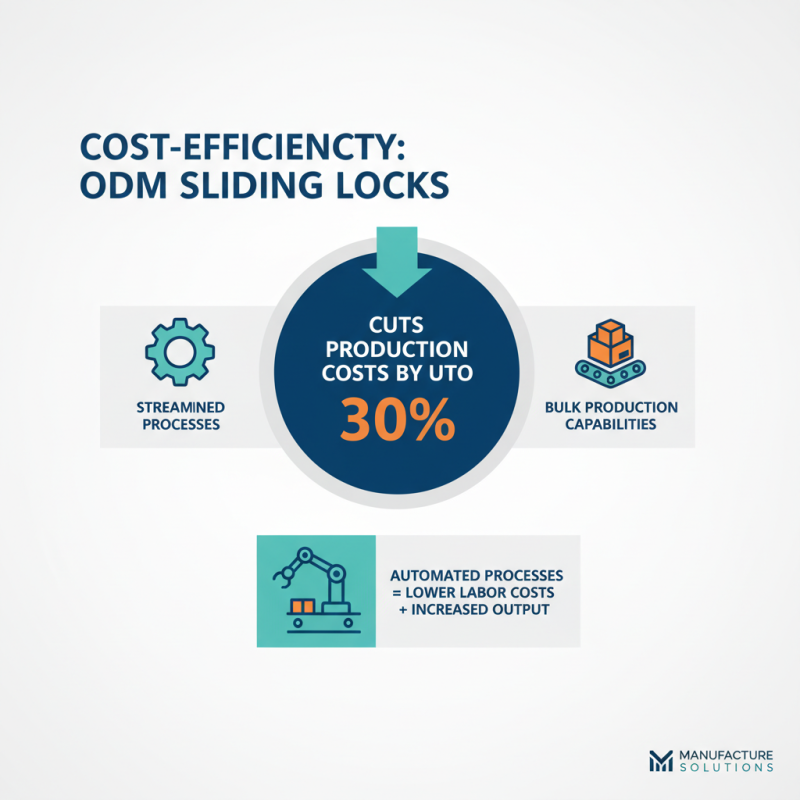
Cost-efficiency is a crucial factor for manufacturers when selecting ODM sliding locks. Recent data suggests that adopting ODM solutions can cut production costs by up to 30%. This reduction is significant for companies aiming to enhance their margins. The lower cost comes from streamlined processes and bulk production capabilities. Many factories utilize automated processes that drive down labor costs while increasing output.
However, while cost savings are substantial, they should not compromise quality. A study from the Global Manufacturing Insights report highlighted that 18% of ODM sliding locks produced may suffer from quality inconsistencies. This raises questions about material selection and production oversights. Investing in rigorous testing and quality assurance is vital, though it may impact short-term savings.
Balanced investment in quality and cost-efficiency is essential. Potential buyers must scrutinize ODM factories carefully. To gain an edge, some manufacturers might overlook stringent quality controls, leading to long-term repercussions. Effective partnerships are built on trust and commitment to excellence. Buyers need to ask the right questions and demand transparency. Only then can the real benefits of ODM sliding locks be realized.
Advanced technologies are significantly changing sliding lock production in China. The rise of automation and smart manufacturing has increased efficiency and precision. Reports suggest that automation can boost productivity by up to 30%. This is crucial in meeting the fast-paced demands of the market.
The integration of artificial intelligence (AI) enhances quality control. AI can detect defects in real time, reducing waste and improving product reliability. A study indicated that implementing AI in manufacturing can cut defect rates by about 15%. This not only saves costs but also strengthens brand reputation.
Tips: Regular training for staff on new technologies is essential. Staying updated can prevent skill gaps. Collaborating with tech firms can provide additional insights into emerging trends. Embracing innovation brings challenges. Companies need to evaluate their current processes and adapt accordingly to fully benefit from these advancements.
The growth of ODM (Original Design Manufacturer) has reshaped the sliding lock industry. Unlike traditional manufacturing, ODM focuses on design innovation. This approach streamlines the production process. Companies can introduce new styles faster. In a market driven by design, this ability is crucial.
Traditional manufacturing often delays product launches. It requires detailed specifications, which can slow development. ODM, however, promotes flexibility. This approach allows for rapid prototyping. Companies can test different designs without heavy investments. However, there is a risk of inconsistency in quality. Not every ODM can maintain high standards throughout production.
While ODM offers advantages, challenges exist. Some businesses struggle with communication issues. It’s crucial to ensure that designs meet specific needs. This can be tricky when working with external manufacturers. The solution is building strong partnerships. Continuous feedback can help refine designs over time. This relationship is essential for successful collaboration.
The demand for sliding locks is evolving in 2023. People increasingly prioritize security and convenience in everyday products. These locks are popular for residential and commercial use. They offer ease of access while enhancing safety. As innovation grows, manufacturers seek to develop stronger materials and designs.
Trends show a shift towards customizable locks. Users want products that fit their unique specifications. Smart technology is increasingly integrated. Remote access and app controls catch consumers' attention. However, not all innovations are flawless. Some designs may compromise security for convenience. Feedback indicates a need for better balance.
Manufacturers must understand shifting consumer desires. Market research reveals preferences for sustainable materials. Eco-friendly production processes are gaining traction. Yet, adapting to these trends can be challenging. Companies may struggle with cost and scalability. Addressing these issues is vital for growth in this sector. Sliding locks represent a market filled with potential, but innovation requires reflection and adjustment.
In today's competitive landscape, ODM sliding lock factories are leading the way in sustainability. Many adopt eco-friendly materials. This reduces environmental impact significantly. Recycled metals are gaining popularity. They decrease waste and support circular economy principles. For consumers, this means better quality locks that are safer for the planet.
However, achieving true sustainability often involves challenges. Some factories struggle with sourcing sustainable materials consistently. Quality control can suffer when using recycled components. Striking the right balance remains a work in progress. It is crucial to scrutinize supply chains. Transparency often highlights weaknesses.
Tips: Always verify a factory's sustainability claims. Look for certifications that confirm eco-friendly practices. Engage with manufacturers to understand their processes better. This can lead to stronger partnerships. Don't overlook the importance of innovation in driving sustainability. New technologies can solve existing problems.
: The product aims to enhance everyday tasks efficiently. It simplifies complex processes.
Follow the user manual for setup. Try to maintain a consistent routine for best results.
Yes, ensure proper handling during use. Avoid exposure to extreme temperatures and moisture.
Check the troubleshooting section first. If issues persist, contact support for further assistance.
Cleaning is generally straightforward. Use a soft cloth and mild detergent. Avoid harsh chemicals.
Yes, some neglect to read the manual. Others may not follow maintenance guidelines regularly.
Yes, minor flaws can occur during manufacturing. Reflecting on these can lead to better quality checks.
Regular maintenance is recommended every few months. This can help prolong the product’s lifespan.
Results may vary by user. Consistency and effort play major roles in achieving desired outcomes.
The article titled "Top ODM China Sliding Lock Factory Innovations and Benefits" explores the latest trends and advancements in the ODM manufacturing of sliding locks. It discusses innovative materials that enhance the durability and functionality of sliding locks, as well as the cost-efficiency that these products offer to consumers, supported by data-driven analysis. The article also highlights advanced technologies that are revolutionizing the production process, making it more efficient and sustainable.
Furthermore, a comparative study between ODM and traditional manufacturing methods is presented, demonstrating the advantages of ODM practices in meeting the growing market demand for sliding locks in 2023 and beyond. Sustainability initiatives within ODM sliding lock factories also receive attention, showcasing steps taken to minimize environmental impact while maintaining high standards of quality and innovation. Overall, the article provides a comprehensive overview of the landscape of sliding lock manufacturing in China, emphasizing its role in the evolving market.