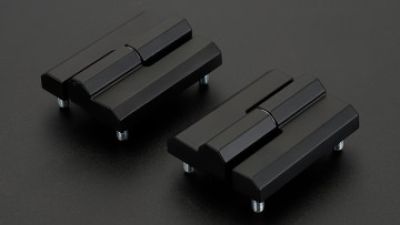
Pull hinges, which you can check out [here](https://www.renxinlock.com/pull-hinges), are pretty much a must-have when it comes to doors and cabinets. They might seem like a small detail, but they actually do a lot—think smooth opening and closing without a hitch. Picking the right hinges isn’t just about looks, though; you want them to last too. The thing is, with so many options out there, it can get kinda overwhelming trying to choose the perfect ones.
When you're shopping around, think about what you really need. Try to match the hinge style to your current decor to keep everything looking cohesive. And don’t forget to consider the size and weight of your doors—heavier doors need sturdier hinges, while lighter ones are a bit more forgiving.
Honestly, finding the right pull hinges can be a bit tricky. A lot of folks overlook how important the material is, but trust me, going for a durable quality can save you a lot of headaches down the line. Reliable hinges are worth the investment—you don’t want them to break or jam when you least expect it. After all, cheap or shoddy hinges can lead to all sorts of issues, and nobody wants that.
What are Pull Hinges? A Comprehensive Overview
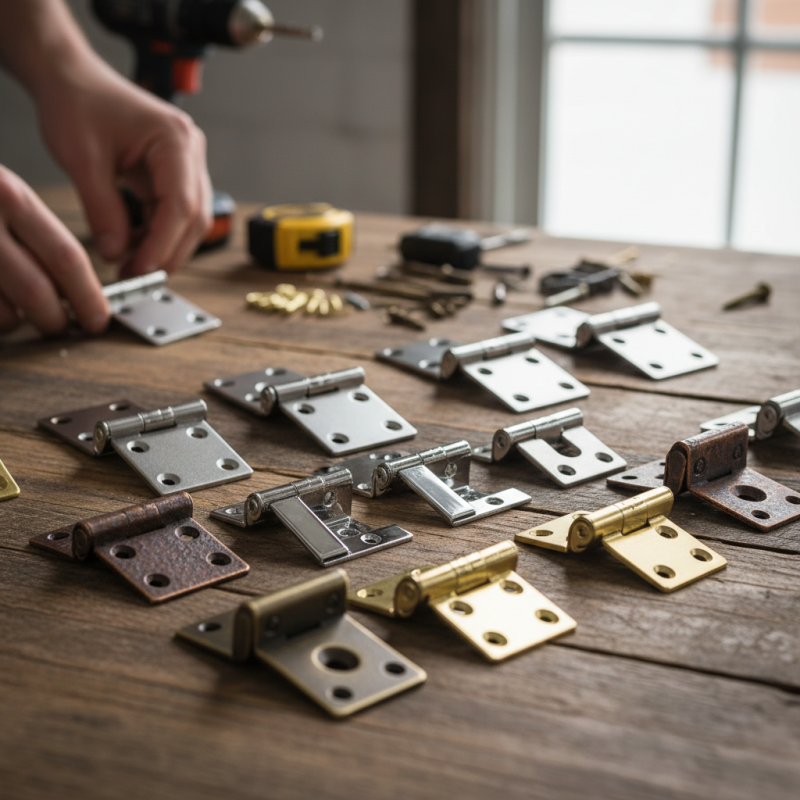
Pull hinges are crucial components in various applications. They allow doors and gates to open and close smoothly. These hinges come in different types, offering diverse functionalities. Understanding their design and application can help in making the right choice.
The structure of pull hinges varies significantly. They can be simple or complex, depending on their intended use. For instance, some are designed for heavy-duty tasks, while others are more suited for lighter applications. The material also plays a role; stainless steel offers durability, while plastic may be lighter but less robust. Choosing the correct material can impact the hinge's lifespan and functionality.
Installation is another important factor to consider. Improper installation can lead to issues. It may cause misalignment or premature wear. It is wise to consult a professional if unsure about the installation process. Ensuring that the hinge aligns well with the door or gate will enhance its performance significantly.
The Mechanics of Pull Hinges: How They Function
Pull hinges are essential components in many doors and gates, allowing them to swing open or closed smoothly. Understanding how pull hinges function helps in selecting the right ones for your needs. These hinges typically consist of two plates connected by a pin. As you pull the door, the hinge helps to distribute the weight evenly, preventing any undue stress on a single point.
The mechanics behind pull hinges are quite simple yet effective. The design allows for a seamless operation, making them ideal for high-frequency use. When choosing pull hinges, consider materials that offer durability. Stainless steel is a popular choice for outdoor applications, while brass can add a touch of elegance indoors. It's crucial to match the size and weight capacity of the hinge with the door for optimal performance.
One common oversight is underestimating the significance of proper installation. Misalignment can lead to premature wear or malfunction. Regular maintenance can enhance the lifespan of pull hinges, but many overlook this aspect. It’s beneficial to observe how they operate over time. Keep an eye on signs of wear, such as difficulty in opening or uneven movement. Making conscious choices can improve both functionality and aesthetics in your spaces.
Pull Hinges Types and Their Popularity
Types of Pull Hinges Based on Material and Design
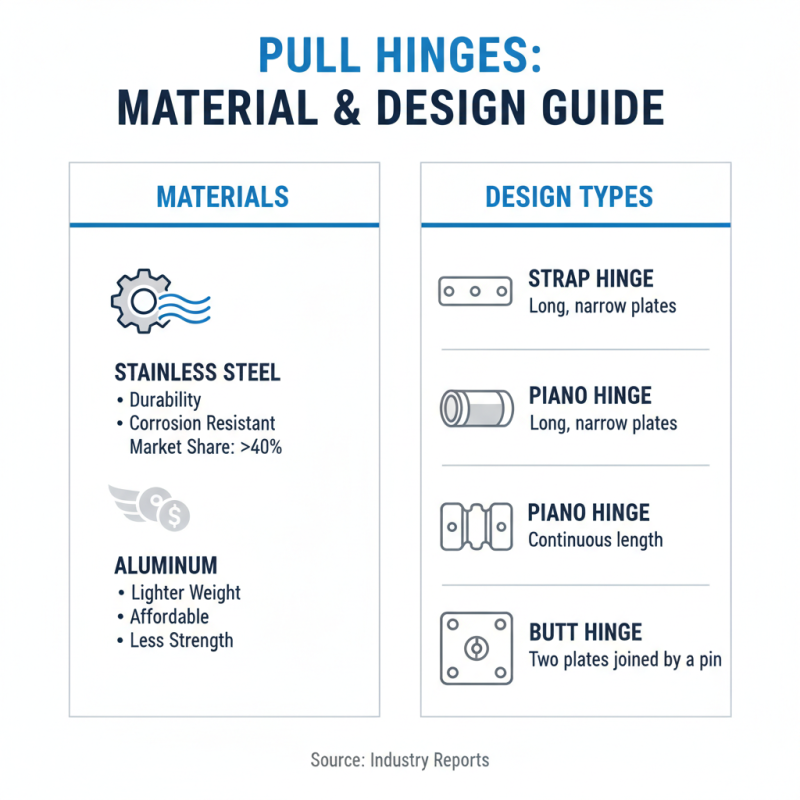
When selecting pull hinges, understanding the types based on material and design is crucial. Pull hinges come in various materials, each with distinct advantages. Stainless steel hinges are popular for their durability and resistance to corrosion. Aluminum options are lighter and more affordable, but they may not provide the same strength. According to recent industry reports, stainless steel has a market share of over 40% in the pull hinge sector due to its longevity.
Design-wise, pull hinges can be categorized into concealed, continuous, and pivot styles. Concealed hinges are ideal for aesthetics, as they are hidden from view when the door is closed. Continuous hinges offer uniform support along the door's length, reducing the risk of sagging. Pivot hinges allow doors to rotate smoothly, making them suitable for heavy-duty applications. Research shows that the choice of design can affect the operational efficiency of doors by up to 25%.
It's essential to consider specific use cases when choosing pull hinges. For instance, in high-traffic areas, a robust design may be necessary. However, beauty may be more important in residential settings. The ideal choice balances functionality with appearance, highlighting the importance of understanding varying environments.
Key Factors in Choosing Pull Hinges for Your Project
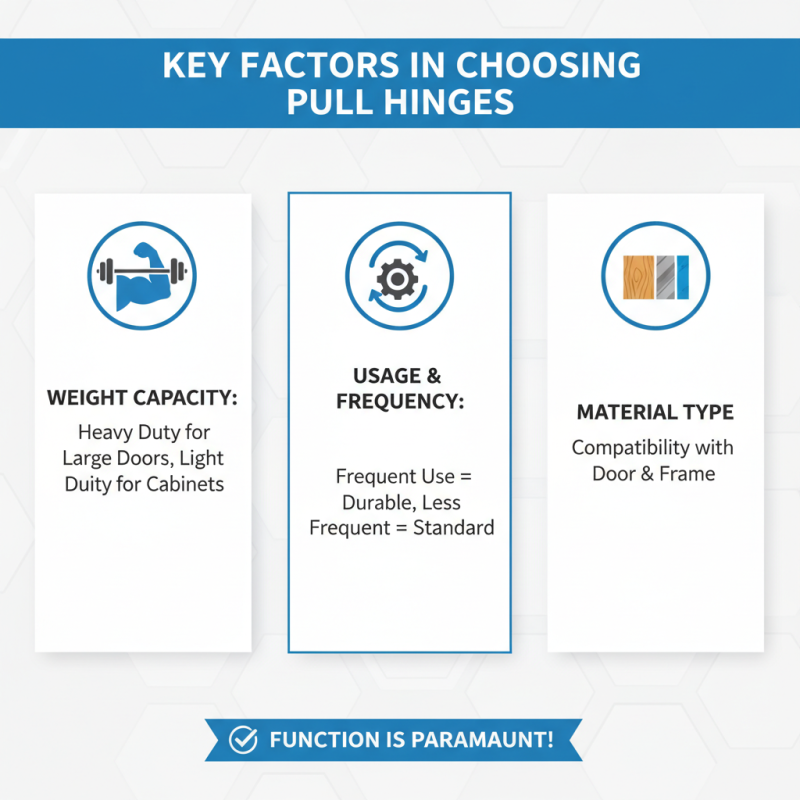
When selecting pull hinges for your project, several key factors come into play. The function of the hinge is paramount. Different projects require various hinge types based on weight, usage, and material. For heavy doors, robust hinges are needed, while lighter applications can use simpler options.
Material choice impacts not only durability but also aesthetics. Stainless steel is strong and rust-resistant, while brass adds elegance. Consider the environment. Will these hinges be outdoors? If so, weather-resistant materials are vital. Remember, the right material enhances the overall appeal.
**Tips for Choosing Pull Hinges:**
Examine the load capacity of hinges. A mismatch can lead to failure. Think about the finish and design. An attractive design can elevate overall décor. Finally, test the movement of your selected hinges. They should provide smooth, reliable operation. A Handle Pull that doesn’t function well can spoil the user experience. Prioritize functionality and style for the best results.
Industry Standards and Ratings for Pull Hinges
When selecting pull hinges, understanding industry standards and ratings is crucial. The American National Standards Institute (ANSI) and the Builders Hardware Manufacturers Association (BHMA) set guidelines for these components. Their classification system rates hinges based on performance metrics such as load capacity, durability, and cycle testing. For example, ANSI/BHMA A156.1 outlines the standards for commercial-grade hinges, ensuring they endure up to 30,000 open-close cycles.
It's essential to consider the weight and usage of your doors. Heavy doors require high-rated hinges that can support significant loads without failure. The load rating for hinges can vary widely, from 60 pounds for lighter applications to over 300 pounds for robust designs. Manufacturers often utilize materials such as stainless steel for enhanced strength and resistance to corrosion. Such material guidelines help in making informed choices.
In some cases, professionals encounter challenges in finding the right balance between aesthetics and functionality. A hinge might look appealing but fail to meet practical requirements. This mismatch can lead to issues such as door sagging or unnecessary wear over time. Evaluating these aspects aids in selecting hinges that not only meet standards but also provide reliable performance in real-world applications.
Common Applications of Pull Hinges in Various Sectors
Pull hinges are essential components in various industries, enabling smooth operation of doors and lids. They find applications widely in sectors such as automotive, aerospace, and furniture manufacturing. According to a recent industry report, the global hinges market is projected to reach $2.3 billion by 2025, driven by the demand for efficient mechanisms in both residential and commercial spaces.
In the automotive sector, pull hinges are often used in trunk lids, providing easy access and secure closure. The aerospace industry utilizes them in cargo doors, where reliability is crucial. Furniture manufacturers incorporate pull hinges in cabinets and containers, enhancing both functionality and aesthetics. These applications highlight the versatility of pull hinges, catering to different needs across sectors.
When choosing the best pull hinges, consider materials like stainless steel for durability. Assess weight capacity for your specific use case. Remember that selecting the right finish can also impact maintenance and appearance.
Tip: Always test the hinge's operation with your door or lid before final installation. This ensures smooth movement and proper alignment. Overall, understanding these applications can lead to better decision-making in sourcing pull hinges for your projects.
Maintenance Tips for Longevity of Pull Hinges
Maintaining pull hinges is crucial for their longevity and functionality. Regular inspections can prevent potential issues. Check for rust or corrosion, especially in humid environments, which could compromise hinge performance. Research shows that 30% of hinge failures stem from inadequate maintenance. Cleaning hinges is essential, using a damp cloth to remove dust and debris. Lubrication is equally important. A silicone-based lubricant extends the life of the Pull Handle Cabinet hinges.
Consider replacing components impacted by wear. If the hinge feels stiff or shows signs of misalignment, act promptly. A study indicates that 25% of mechanical issues relate to delayed maintenance. Tightening screws regularly can prevent further damage. Ensure hinges are aligned properly to avoid uneven wear. Using high-quality materials can improve performance too, but even the best hinges need care.
Take note of how frequently each cabinet is used. In high-traffic areas, pull handle cabinet hinges may require more frequent maintenance. Monitor the sound they make during operation; unusual noises often signal a need for attention. Ensure that the environment is conducive to hinge longevity, avoiding places with extreme temperatures or moisture. Recognizing these factors encourages proactive management of your hinges, resulting in longer-lasting functionality.
What are Pull Hinges and How to Choose the Best Ones? - Maintenance Tips for Longevity of Pull Hinges
| Dimension/Attribute |
Description |
Material Types |
Best Practices |
| Weight Capacity |
Maximum weight the hinge can support. |
Stainless Steel, Brass, Plastic |
Regularly check for wear and replace as necessary. |
| Size |
Overall dimensions of the hinge. |
Aluminum, Steel, Alloy |
Ensure an appropriate fit for your application. |
| Finish |
The surface treatment for aesthetic and protection. |
Chrome, Powder Coated, Anodized |
Choose finishes that resist corrosion and wear. |
| Type of Motion |
The way the hinge facilitates movement. |
Butt Hinges, Continuous Hinges, Pivot Hinges |
Select according to the desired door operation. |
| Installation Requirements |
Guidelines for proper hinge setup. |
Self-Closing, Concealed, Surface Mounted |
Follow manufacturer instructions for longevity. |
Maximizing Operational Efficiency: A Comprehensive Analysis of Popular Industrial Hinges HL093 in Modern Manufacturing Environments
In modern manufacturing environments, operational efficiency is paramount, and the choice of hardware plays a crucial role in achieving it. One key component that often goes overlooked is the hinge, particularly the popular HL093 industrial hinge. This hinge is designed to provide not just strength and durability, but also optimal functionality in a wide array of applications. Its robust construction ensures that doors and panels open and close smoothly, minimizing operational downtime and enhancing workflow processes.
The HL093 hinge stands out for its versatility across various industrial applications, making it a go-to choice for manufacturers looking to streamline their operations. Its design allows for easy installation and maintenance, which can significantly reduce labor costs and time spent on repairs. Additionally, the hinge's ability to withstand heavy loads and environmental stressors means that it can operate reliably in demanding settings, contributing to an overall increase in productivity.
Moreover, the HL093 hinge fosters energy efficiency by creating a tight seal when closed, which can lead to better climate control within facilities. This not only supports a conducive working environment but also aids in reducing energy expenses. In an age where operational efficiency is closely linked to cost management and sustainability, investing in quality hinges like the HL093 is a strategic move that aligns with broader organizational goals.
FAQS
: Consider the hinge's function, weight capacity, material, and environment. Different projects need different hinge types.
Material impacts durability and aesthetics. Stainless steel is strong; brass offers elegance. Weather-resistant materials are crucial for outdoor use.
Mismatched load capacity can lead to hinge failure. Always check the specifications to ensure safety and functionality.
Regular inspections for rust and corrosion are vital. Clean with a damp cloth and lubricate with silicone-based products.
Check hinges regularly, especially in humid environments or high-traffic areas. Frequent use demands more maintenance attention.
Look for stiffness, misalignment, or unusual noises. Delayed action can lead to more significant mechanical issues.
Testing ensures smooth operation and proper alignment. A non-functioning hinge can disrupt user experience significantly.
The finish can influence maintenance and appearance. An attractive design enhances décor while facilitating upkeep.
Yes, extreme temperatures and moisture can lead to premature wear. Choose materials suitable for the intended environment.
Ignoring load capacity, selecting wrong materials for the environment, and failing to test hinges can lead to issues.
Conclusion
Pull hinges are essential hardware components that facilitate the opening and closing of doors and gates. This article offers a comprehensive overview of pull hinges, explaining their mechanics and functionality. Different types based on material and design are discussed, highlighting the importance of selecting the right pull hinges for specific projects. Key factors to consider include load capacity, durability, and aesthetic appeal.
Additionally, the article outlines industry standards and ratings that ensure the quality and safety of pull hinges, along with common applications across various sectors such as residential, commercial, and industrial environments. To prolong the lifespan of pull hinges, maintenance tips are provided, emphasizing the significance of regular inspections and proper care. Understanding these elements is crucial for anyone involved in construction, renovation, or design.

 Rod lock