Leave Your Message
0%

Hey there! So, in the world of industrial design and manufacturing, picking the right components can really make or break your project’s success. One piece that often slips under the radar is the Compression Latch—trust me, it’s more important than you might think. I was chatting with John Smith, a top expert over at SecureTech Solutions, and he mentioned, “A properly chosen Compression Latch doesn’t just boost security; it also plays a huge role in how efficiently your equipment runs.” With so many options out there, though, figuring out how to pick the right Compression Latch for your specific needs can honestly be a bit overwhelming.

Getting familiar with the key features, the materials used, and what applications they’re best suited for can make the whole decision process way easier. The right Compression Latch doesn’t just make your products safer and more functional—it can help your equipment last longer too. In this article, I’m gonna share five top tips to keep in mind when selecting a Compression Latch for your project. If you follow these pointers, you’ll be better equipped to choose something that improves performance while also meeting industry standards.
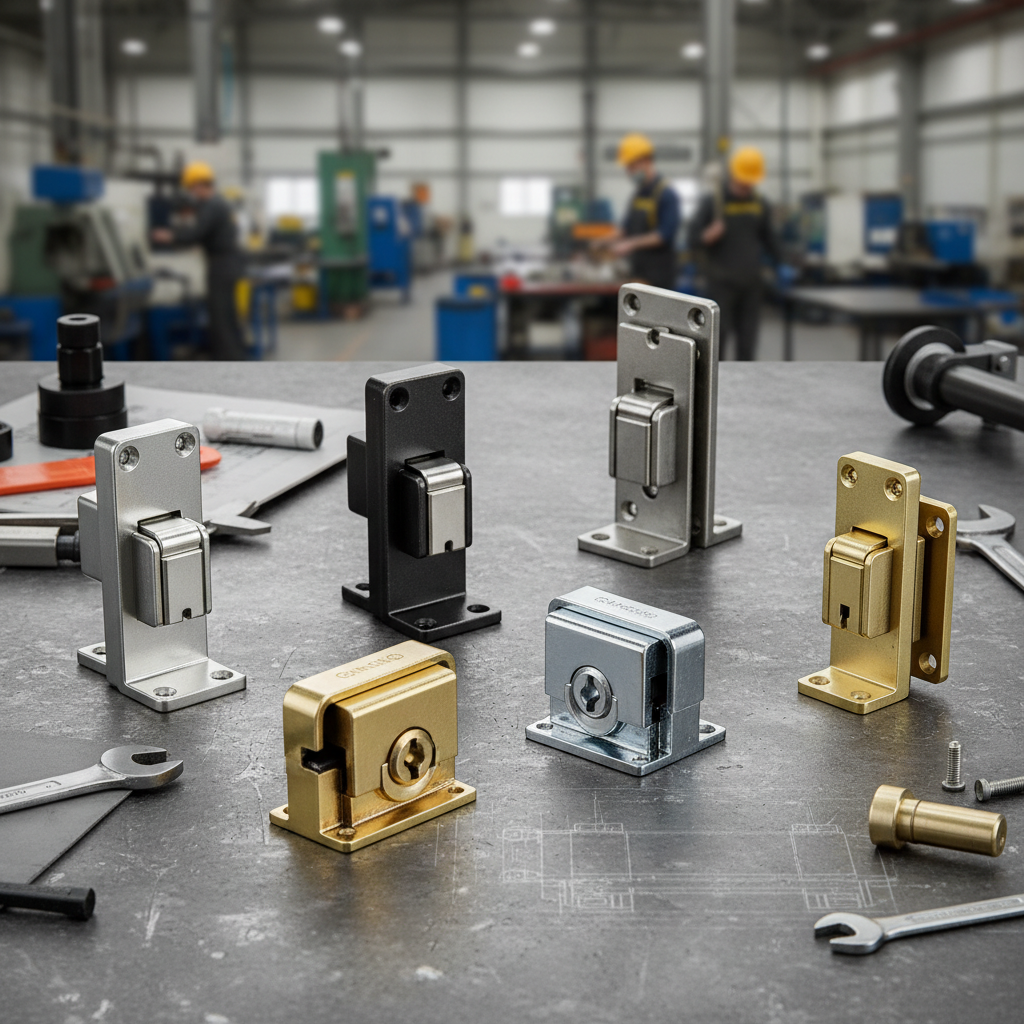
Top 5 Tips for Choosing the Right Compression Latch for Your Project

Understanding Different Types of Compression Latches for Various Applications

When selecting the right compression latch for various applications, it's crucial to understand the different types available and their performance characteristics. Compression latches are vital in maintaining closures under varying conditions, and choosing the appropriate type can greatly enhance the efficiency and durability of a project. For instance, positive-lock compression latches are preferred in environments subject to vibrations, providing a secure grip that prevents unexpected openings, while other types like lever-action latches offer quick engagement and disengagement for frequent access points.

Recent advancements in compression technology, akin to developments seen in data compression sectors, draw parallels to the importance of selecting the right tools for effective performance. The rise of machine learning methodologies has led to remarkable improvements in data compression rates, showcasing the potential for innovative approaches across various engineering disciplines. In PCB assembly, for example, thermal gap fillers used for heat management can inadvertently introduce stress unless carefully optimized, underscoring the necessity of selecting the right materials and designs for specific requirements. Understanding these nuances allows engineers and designers to make informed decisions, ensuring the longevity and reliability of their projects.

Top 5 Tips for Choosing the Right Compression Latch for Your Project

Tip Description Best Applications Key Features
1. Assess Load Requirements Determine the load capacity needed for secure fastening. Heavy machinery, automotive applications High tensile strength, durable materials
2. Material Selection Choose a material that withstands environmental factors. Outdoor equipment, marine applications Corrosion resistance, UV stability
3. Consider Actuation Type Decide on manual or automated operation based on convenience. Security panels, electronic cabinets Ease of use, integration with locking systems
4. Assess Installation Space Ensure there is enough space for the latch and actuation mechanism. Compact equipment, enclosures Compact design, versatility
5. Check Compliance Standards Verify that the latch meets industry-specific regulations. Aerospace, automotive industries Certified standards, reliability

Key Factors to Consider When Selecting Compression Latches

Top 5 Tips for Choosing the Right Compression Latch for Your Project

When selecting compression latches for your project, it's essential to consider several key factors to ensure optimal performance. One of the primary considerations is the material of the latch. According to a report by the National Association of Manufacturers, nearly 70% of equipment failures are tied to poor material choices. Stainless steel is often preferred for its strength and resistance to corrosion, making it ideal for outdoor applications.

In addition to material, the latch's design must align with your specific usage requirements. Factors such as installed space, operational ease, and the level of sealing required are crucial. It’s recommended to evaluate the operating conditions, which can include temperature fluctuations and exposure to harsh environments. A study by the International Organization for Standardization found that latches designed with weather-resistant features had a 30% longer lifespan than standard models.

Lastly, consider the latch's locking mechanism. Various designs exist, from simple spring-loaded options to more complex locking systems that offer enhanced security. A market study projected that the demand for highly secure latches will rise by 15% over the next five years, highlighting the increasing importance of safety in equipment design. When assessing your needs, prioritize latches that balance security with convenience to ensure efficient operation in your specific application.

Material Choices for Durability and Performance in Compression Latches

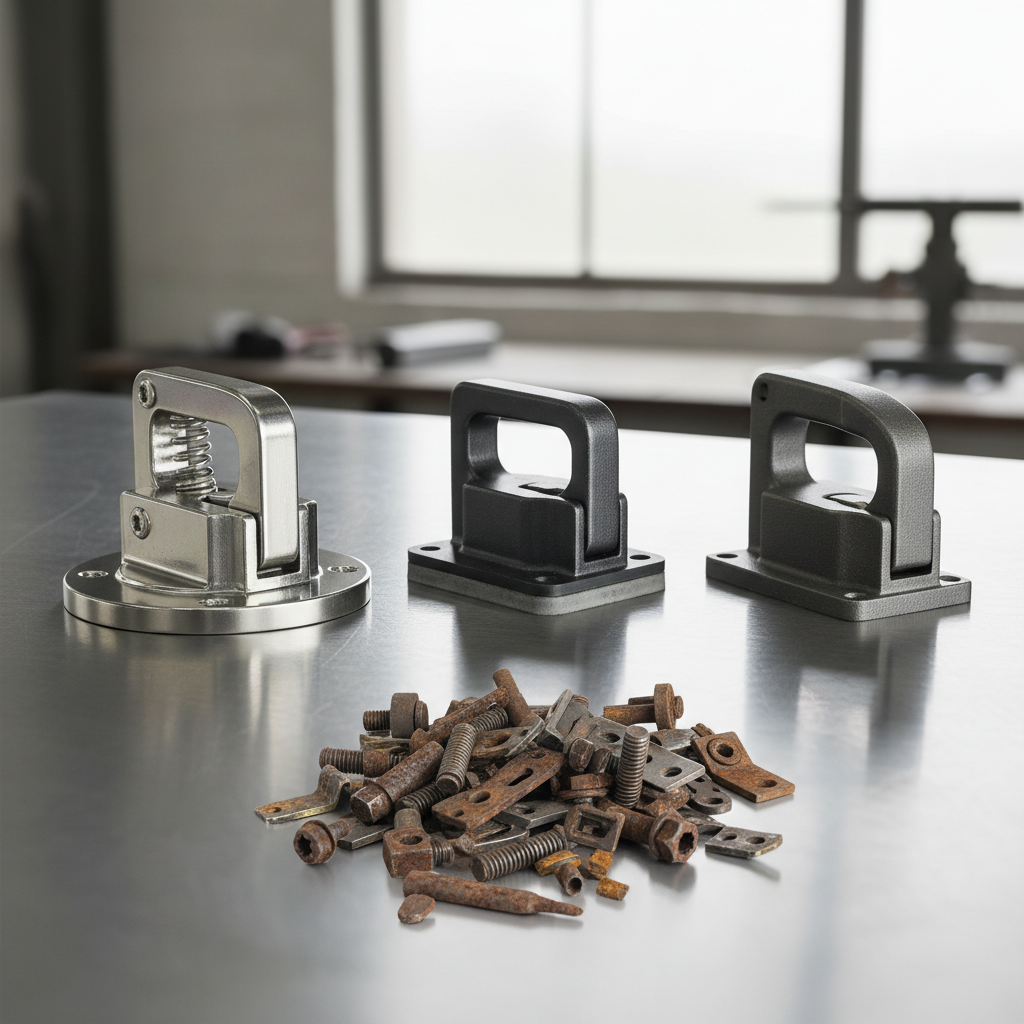
When selecting a compression latch for your project, considering the material is crucial for ensuring durability and performance. Compression latches are commonly made from materials such as stainless steel, zinc die-cast, and plastic. Stainless steel offers superior strength and corrosion resistance, making it ideal for marine or outdoor applications where exposure to harsh elements is common. According to a report by the Material Research Society, approximately 70% of manufacturers prefer stainless steel for its longevity and reliability in extreme conditions.

Another noteworthy option is zinc die-cast, which strikes a balance between cost and performance. While it may not match the corrosion resistance of stainless steel, zinc die-cast latches are perfect for applications where budget constraints are critical, and moderate exposure to environmental factors is expected. Furthermore, advancements in coating technologies have led to enhanced protection against wear and corrosion, increasing the reliability of zinc die-cast products substantially.

When choosing the right compression latch, consider these tips: First, assess the environmental conditions your latch will face; second, prioritize material selection based on longevity and function; and third, conduct thorough testing under expected loads to ensure optimal performance. By keeping these tips in mind, you can enhance the effectiveness of your project while maximizing the lifespan of the components you choose.

Evaluating Design Features that Enhance Security and Ease of Use

When selecting a compression latch for your project, understanding the design features that enhance security and ease of use is crucial. According to a 2021 report by Market Research Future, the global latch and lock market is projected to grow at a CAGR of 5.3% over the next five years, reflecting increasing demands for advanced security solutions across various industries. Features such as tamper-proof designs and robust materials can significantly bolster security. For instance, latches made from stainless steel or reinforced plastics can withstand higher levels of force, making them inherently more secure in critical applications.

Equally important is ease of use, which can greatly impact both the user experience and operational efficiency. A study by the American Society of Safety Professionals highlights that ergonomic design features—such as a comfortable grip and intuitive operation—can reduce the likelihood of user error and improve the effectiveness of the latch in daily use. Additionally, quick-release mechanisms allow for faster access, which can be essential in time-sensitive situations. By prioritizing these design features, you can ensure that the compression latch not only provides security but also facilitates a seamless user experience in your project.

Assessing Size and Compatibility for Optimal Installation of Compression Latches

When selecting a compression latch for your project, assessing size and compatibility is crucial for optimal installation. According to a report by Research and Markets, the global industrial hardware market is projected to reach $120 billion by 2025, emphasizing the importance of selecting the right components for various applications. The right size ensures that the latch fits perfectly within the mounting space, while compatibility with the existing design guarantees smooth operation.

One of the key factors in evaluating size is the latch's dimensions, which must align with the door or panel thickness. For instance, a study published in the Journal of Mechanical Engineering found that improper sizing can lead to premature wear and malfunction, costing companies up to 20% of their maintenance budgets. Additionally, understanding the mounting style—such as flush or surface-mounted latches—can influence the latch choice.
Manufacturers often provide detailed specifications, so consulting these resources can help designers avoid compatibility issues and ensure functionality that meets project requirements.

Cost vs. Quality: Balancing Budget and Functionality in Your Selection

When selecting a compression latch for your project, balancing cost and quality is crucial. According to a report by the National Association of Manufacturers, 68% of companies cite budget constraints as a primary challenge in their procurement processes. However, investing in a high-quality latch can significantly reduce long-term operational costs. For instance, a durable compression latch can withstand extreme conditions and reduce failure rates, which aligns with data showing that operational downtime can cost businesses up to $260,000 per hour.

Moreover, the functionality offered by a premium latch can enhance the overall efficiency of your project. A study from the Industrial Fasteners Institute indicated that the right choice of hardware can improve the security and accessibility of enclosures, leading to a 25% increase in workflow efficiency. While it may be tempting to opt for the cheapest option available, considering the potential costs associated with poor performance or premature failure is essential. Therefore, it’s vital to evaluate the long-term benefits of investing in quality compression latches that not only meet budgetary constraints but also ensure functionality and durability.

FAQS

: What are compression latches, and why are they important?

: Compression latches are devices used to maintain closures under varying conditions. They are essential for ensuring security and durability, especially in environments where vibrations or frequent access points are present.

What type of compression latch is best for environments with vibrations?

Positive-lock compression latches are preferred in environments subject to vibrations as they provide a secure grip that prevents unexpected openings.

How can the choice of latch affect operational costs?

Investing in a high-quality compression latch can significantly reduce long-term operational costs by increasing durability, reducing failure rates, and minimizing operational downtime.

What is the potential cost of operational downtime for businesses?

Operational downtime can cost businesses up to $260,000 per hour, highlighting the importance of reliable hardware like compression latches.

How does the functionality of a latch influence project efficiency?

The right choice of hardware, including compression latches, can enhance security and accessibility of enclosures, potentially leading to a 25% increase in workflow efficiency.

Why is it important to balance cost and quality in selecting compression latches?

While budget constraints are a common challenge, selecting high-quality latches can prevent the costs associated with poor performance and premature failure, making it essential to evaluate long-term benefits.

How do advancements in compression technology impact engineering?

Recent advancements in compression technology reflect the significance of selecting appropriate tools, enhancing performance across various engineering applications.

What role do thermal gap fillers play in PCB assembly?

Thermal gap fillers are used for heat management in PCB assembly but can introduce stress if not optimized, underscoring the need for careful material and design selection.

What percentage of companies cite budget constraints as a challenge in procurement?

According to the National Association of Manufacturers, 68% of companies report budget constraints as a primary challenge in their procurement processes.

How can machine learning methodologies relate to compression technology?

Machine learning methodologies have led to significant improvements in data compression rates, suggesting innovative approaches that can also benefit engineering disciplines like compression latch design.

Conclusion

When selecting the right Compression Latch for your project, it’s essential to understand the various types available and their specific applications. Key factors to consider include the materials used for durability and performance, as well as design features that enhance both security and usability. Size and compatibility are critical for ensuring optimal installation, while balancing cost and quality is crucial to meet budgetary constraints without compromising functionality.

At Zhejiang Renxin Lock Co., Ltd., we specialize in designing and producing a wide range of locking solutions, including Compression Latches. With over 1,000 product varieties, we provide tailored solutions that cater to diverse application requirements. Our expertise ensures that you can find the perfect Compression Latch that not only meets your project's needs but also upholds the highest standards of quality and performance.

Oliver

Oliver

Oliver is a dedicated and knowledgeable marketing professional specializing in the intricate world of locking mechanisms and hardware solutions. With a deep understanding of the company’s extensive product range, which includes over 1,000 varieties of rod locks, plane locks, cam locks, handle......
Previous Unlocking Efficiency: The Role of Compression Latches in Modern Industrial Design