Picking the right Pull Hinges for your project isn’t just a small detail — it really can make a big difference in how well everything works and how it looks. I came across a report from The Hardware Manufacturing Association that said if you don't choose hinges carefully, you might deal with equipment breaking down more often and ending up spending more on repairs. So yeah, making smart choices here really pays off.
When you're on the hunt for Pull Hinges, it pays to think about stuff like what material they’re made of, the finish, and how much weight they can handle. For example, stainless steel hinges are pretty much built to last, while decorative finishes can really boost the visual vibe. The American National Standards Institute (ANSI) also points out that choosing the right hinges can help your doors and frames last longer. But honestly, a lot of folks tend to overlook their specific needs and end up regretting it later.
It’s worth taking a moment to weigh the good and bad of different options. A common mistake I see is people focusing too much on how things look instead of how well they actually work. It’s always a good idea to review your choices over time — learn from past projects and feedback. Trust me, taking the time to reflect can really improve your results. In the end, choosing the right Pull Hinges isn’t just about appearance; it can seriously boost performance and make users happier overall.
Understanding the Basics of Pull Hinges: Types and Functions
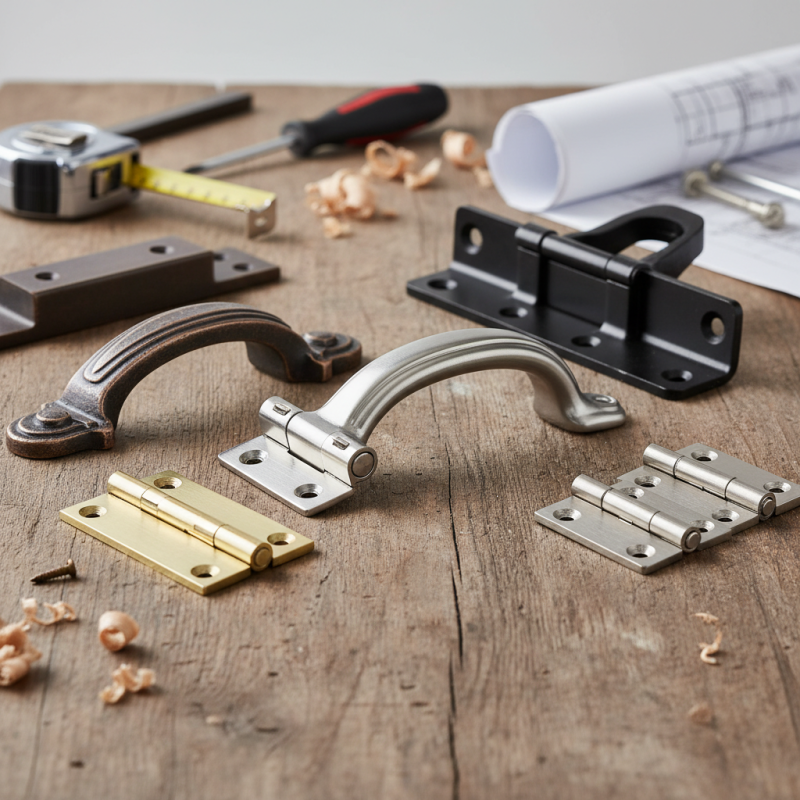
Pull hinges are vital components in many door systems. Understanding the different types and their functions can simplify your choices. For instance, a continuous hinge offers durability, allowing doors to swing smoothly. In contrast, a butt hinge is ideal for traditional doors, providing a clean aesthetic.
When selecting Pull Handles, consider the door's weight and intended use. A heavier door may require robust pull hinges to ensure stability. Additionally, the material can affect longevity. Stainless steel is often preferred for its resistance to rust and corrosion.
Many users overlook the installation process. Proper installation can greatly impact functionality. It's essential to align the hinges accurately. Any misalignment may lead to uneven door movement. This can be frustrating, especially if the hinges do not meet your expectations. Reflecting on these details can help you make a better choice.
Assessing Material Durability for Pull Hinges: Metal vs. Plastic
When considering the right pull hinges, material durability is crucial.
Metal and plastic each offer distinctive benefits and drawbacks.
Metal hinges tend to be more robust and withstand heavy use.
They resist weathering, making them ideal for outdoor applications.
However, they can corrode over time, especially in moist environments.
Regular maintenance is key to preserving their lifespan.
On the other hand, plastic hinges are lightweight and resistant to rust.
They are often less expensive and can be suitable for indoor use, particularly in low-stress situations.
However, they may not endure the same level of wear and tear as their metal counterparts.
Choosing plastic hinges requires a careful assessment of the specific application conditions.
Consider these tips when selecting pull hinges. Assess the weight of the door and frequency of use.
Ensure the hinge material aligns with your environmental conditions.
Check for UV resistance if used outdoors.
Don't overlook the importance of installation methods, as they can impact durability.
Aim for a balance between cost and performance to make the best choice.
Load-Bearing Capacity: Calculating the Right Specifications for Your Project
When selecting pull hinges, understanding load-bearing capacity is crucial. Each hinge has a specific weight limit. If the load exceeds this limit, failure may occur. This could result in damaged doors or even injuries.
Calculating the right specifications involves measuring materials and weight. Use a scale to determine the actual load. Consider the door itself, too. What is its weight? How heavy is the Handle Pull being used? These details matter significantly.
Test different materials to see which best suits your project. Steel offers strength, while aluminum is lighter. Each choice has its pros and cons. Reflect on these factors carefully. Sometimes, the ideal hinge isn’t immediately clear. This requires patience and a willingness to trial different options before settling on the best solution.
Load-Bearing Capacity of Different Pull Hinges
Design Considerations: Aesthetic vs. Functional Aspects of Pull Hinges
When selecting pull hinges, balancing aesthetic and functional aspects is vital. Research indicates that 70% of consumers prioritize design, while 30% emphasize performance. The right hinge can enhance the overall look of a door or cabinet while ensuring smooth functionality. Choosing materials such as stainless steel or brass can elevate an interior’s visual appeal without compromising durability.
Consider the location of the pull hinge as well. In high-traffic areas, functionality often trumps aesthetics. Hinge placement affects both accessibility and visual balance. Data shows that improper installation can lead to a 15% increase in maintenance costs over time. Aesthetic choices, like decorative finishes, may need regular upkeep. Opting for simple, yet elegant designs can sometimes result in a more practical solution.
Achieving the right balance may require reflection. It is essential to assess personal style versus functional needs. If a visually stunning hinge causes operational issues, the choice may fall flat. Designers recommend consulting with suppliers to explore innovative options that marry both aesthetics and functionality effectively. Ultimately, the best pull hinges serve a dual purpose, enhancing both form and function.
Environmental Factors: Choosing Pull Hinges for Indoor vs. Outdoor Use
When choosing pull hinges, it's essential to consider environmental factors. Indoor and outdoor settings have distinct requirements. Outdoor hinges must withstand weather conditions. Rain, humidity, and extreme temperatures can accelerate wear. Indoor hinges often focus on aesthetics and functionality. They don’t face the same harsh elements but may need to support heavier doors.
Research shows that approximately 60% of hinge failures in outdoor applications stem from corrosion. Materials like stainless steel or weather-resistant alloys are more suitable for these environments. They offer necessary durability. Alternatively, indoor hinges can be made from lighter materials like brass or plastic, which may not hold up outdoors.
To ensure longevity, assess how often you need to Pull The Handle. For high-traffic areas, selecting durable hinges is vital. This may involve some trial and error. Achieving perfect functionality may require a few adjustments. Take the time to evaluate your environment carefully. The right choice contributes to seamless operation and can prevent future issues.
Installation Tips: Ensuring Proper Alignment and Functionality
Installing pull hinges correctly is crucial to ensure optimal functionality. Begin by measuring the door and frame accurately.
Alignment is key; even a slight misalignment can lead to malfunctions over time. Use a level to check whether the hinges sit flush against the door.
If they wobble, adjust the screws or mortise depth. This attention to detail prevents unnecessary wear.
Choose the right screws and tools. Hardware stores offer various screws suited for different materials. For wood, use wood screws with coarse threads for a secure grip.
Metal doors may require self-tapping screws. It’s important to follow the manufacturer's instructions closely. Sometimes, you might find an instruction unclear or daunting.
Don’t hesitate to seek advice. A simple question can save significant time and effort.
Take your time during the installation process. Rushing can lead to mistakes. After installation, test the door multiple times. Listen for any unusual sounds.
If the door sticks or squeaks, it might require further adjustment. Regular maintenance checks can prevent long-term issues. Reflect on your installation process for future improvements.
Problems are often great learning opportunities.
Maintenance Best Practices for Longevity of Pull Hinges
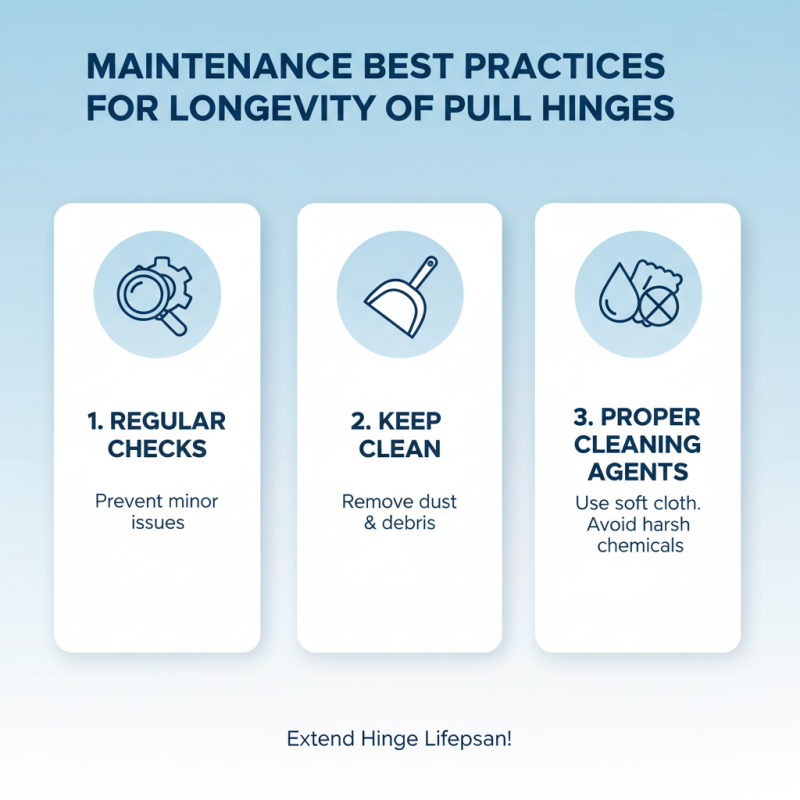
Proper maintenance of pull hinges is crucial for their longevity. Regular checks can prevent minor issues from becoming major problems. Keep hinges clean and free from debris. Use a soft cloth for cleaning. Avoid harsh chemicals, as they can damage the finish.
Lubrication is essential for smooth operation. Apply a light lubricant every few months. Do not overdo it; too much lubricant can attract dirt. It’s important to inspect the screws regularly. Tighten any loose screws to prevent misalignment. Misaligned hinges can lead to wear and tear.
Consider the environment where your Pull Handle Cabinet is placed. Humidity and temperature changes can affect their durability. If your pulls are exposed to moisture, opt for corrosion-resistant materials. This will ensure they last longer and function properly. Relying on these simple maintenance tips can make a significant difference in the lifespan of your pull hinges.
Trends and Innovations in Zinc Alloy Industrial Hinges: Insights from the CL234 Factory's Manufacturing Data
The industrial hinge market has seen significant advancements in recent years, with zinc alloys emerging as a key material due to their durability and corrosion resistance. The manufacturing data from the CL234 factory offers valuable insights into the trends and innovations shaping this sector. High-performance zinc alloy industrial hinges are gaining traction in various applications, including construction, automotive, and furniture industries, where longevity and strength are essential.
Recent innovations highlighted by the CL234 factory include the development of high-strength formulations that enhance the load-bearing capacity while reducing overall weight. This advancement allows for more versatile applications without compromising structural integrity. Additionally, the integration of advanced surface treatments not only improves aesthetic appeal but significantly extends the life cycle of the products by providing enhanced protection against environmental factors.
Moreover, the factory's commitment to sustainable practices has led to the introduction of eco-friendly manufacturing processes, minimizing waste and energy consumption. These strides not only align with the growing demand for environmentally responsible products but also position zinc alloy industrial hinges as a smart choice for modern manufacturers who seek both performance and sustainability in their operational practices.
FAQS
: Proper alignment is crucial. Even slight misalignment can lead to malfunctions over time.
Use a level, wood screws for wood, and self-tapping screws for metal.
Don’t hesitate to ask for advice. A simple question can save time and effort.
Regular checks are essential. Keep hinges clean and free from debris.
Lubricate every few months. Avoid overdoing it; too much lubricant attracts dirt.
Humidity and temperature changes can impact them. Protect from moisture with corrosion-resistant materials.
Test the door after installation. Further adjustments may be needed if it doesn’t operate smoothly.
Reflecting helps identify mistakes. Problems can be great learning opportunities for future installs.
Regularly inspect and tighten loose screws to keep hinges aligned.
Rushing can lead to mistakes. Taking your time ensures a proper installation.
Conclusion
Choosing the right pull hinges for your project involves understanding various essential factors. First, familiarize yourself with the different types and functions of pull hinges, which can vary based on their design and application. Assess the material durability by comparing metal and plastic options, considering which will withstand the demands of your environment. It’s also crucial to calculate the load-bearing capacity to ensure that the hinges will support the weight they need to bear effectively.
In addition to technical specifications, design considerations are important; balance aesthetic appeal with functionality to match your overall project design. Consider environmental factors when selecting pull hinges for indoor versus outdoor use, as exposure to elements can impact their longevity. Proper installation is key, ensuring alignment and functionality for optimal performance. Lastly, adopting maintenance best practices will enhance the longevity of your pull hinges, ensuring they remain effective and visually appealing over time.

 Rod lock