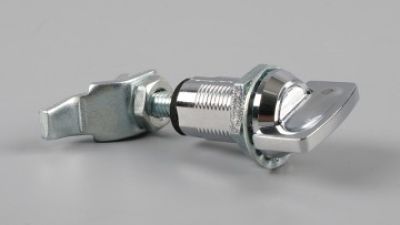
Picking the right Rotary Latch Lock isn’t just some small hardware choice — it really impacts safety, how long things last, noise levels, sealing, and whether users trust it or not. A latch that fails can leave a vehicle panel rattling like crazy, a machine guard unsecured, or an enclosure tough to get into. Trust me, it’s a big deal.
According to Grand View Research, the market’s seeing more demand for automotive closure systems, mainly because vehicles are getting lighter, more electrified, and buyers want something that’s durable and reliable. MarketsandMarkets also points out that trends are all about making systems more integrated, compact, and dependable. Basically, these reports remind us: choosing a latch isn’t just about what it looks like on the shelf — application details really matter.
Southco’s Product Manager Mike Leach has a good reminder for engineers: “A latch is only as good as the system around it.” That means things like the striker, mounting surface, cable routing, vibration levels, and the environment it operates in — they all play a part. You can’t just toss in a latch and expect it to fix poor alignment.
So yeah, the little details really do make a difference.
When you’re evaluating a workshop setup, start by thinking about the load direction, how often it'll be used (cycle frequency), temperature, chances of corrosion, and how quickly you need access. Following ISO 12100’s risk-assessment principles can help you spot potential hazards like misuse or maintenance issues. If you’re working with automotive latches, SAE J839 offers some good guidelines on how they should perform and be tested.
Now, I’ve got seven tips that’ll help you make smarter decisions — covering materials, holding force, installation tolerances, how you operate the latch, environmental stuff, testing, and overall cost. Sure, some folks still pick based on price alone — but honestly, that’s trickier than it looks. Even seasoned teams might overlook things like side loads or cable friction.
Honestly, nobody hits the perfect solution every time. But what you can do is make a choice that’s defensible — one that fits your real system, not just the best-looking latch on paper. It’s not about finding the strongest Rotary Latch Lock out there; it’s about finding the *right* one for your specific situation.
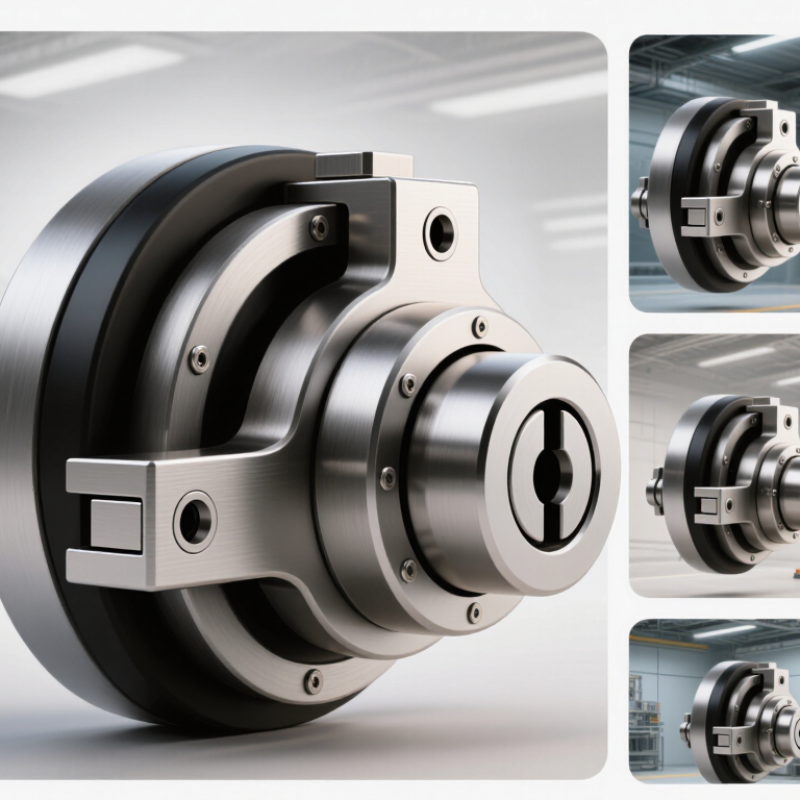
Understand How Rotary Latch Locks Work
A Rotary Latch secures a panel by rotating a claw around a striker. When the panel closes, the striker enters the latch mouth. The claw turns and holds it firmly. A spring returns the release lever after opening. This simple movement hides important engineering details. Alignment, preload, friction, and vibration all affect performance.
A 2024 Grand View Research report estimates the global automotive locking system market at about USD 7.8 billion in 2023. Its forecast also shows continued growth through 2030. That growth reflects rising demand for compact, reliable closure hardware. NHTSA’s Federal Motor Vehicle Safety Standard 206 also emphasizes door-latch strength and accidental opening resistance. These requirements matter when choosing a Rotary Latch for vehicles, equipment covers, or industrial enclosures. Check the holding load, cycle rating, corrosion protection, and operating temperature. A latch that feels smooth on a workbench may behave differently after dust enters the mechanism.
Tip: Inspect the striker path with a flashlight. Look for side loading, uneven gaps, or metal contact marks. Choose a two-stage latch when vibration or impact is likely. Confirm the release cable or handle has enough travel. Small details matter.
My practical mistake was judging quality by closing sound alone. A sharp click feels reassuring, but it proves little. Test repeated cycles, partial closure, and misalignment before approval. Review the supplier’s test report, then repeat critical checks in your own environment.
Define the Required Load and Retention Strength
A rotary latch should hold more than the door’s normal weight. Measure the real load at the latch point, not at the hinge. Vibration, impact, and misalignment can multiply that force. In a service enclosure, a light panel may slam shut repeatedly. That small event can create a surprisingly high peak load. Record both static load and expected shock load. Do not rely on a rough visual estimate.
Retention strength describes how much force the closed latch can resist before release. Check the load direction carefully. Pulling straight outward differs from sliding or twisting. Use a safety margin for temperature changes, worn seals, and installation errors. A practical test uses a calibrated force gauge and the actual mounting hardware. Test several samples. One successful pull is not enough. In field testing, I have seen acceptable latches fail after repeated cycling because the keeper shifted by only a few millimeters.
Ask the supplier for rated working load, maximum load, and test method. These figures are not interchangeable. Confirm whether the rating includes vibration or only a slow, steady pull. Inspect the latch after testing for bent parts, loose fasteners, or incomplete engagement. If the application is uncertain, choose a stronger retention level and validate it under realistic conditions. This may add cost. Replacing a loose panel later costs more. Still, over-specifying without measuring can create needless weight and difficult operation.
Choose the Appropriate Latch Type and Size
Tip 1:
Choose the latch type before measuring the hole. A Rotary Lock with a compression action suits doors that need a firm seal. A non-compression type works better for lighter access panels. Consider vibration, dust, moisture, and opening frequency. A latch that feels smooth on a workbench may behave differently on a moving cabinet.
Tip 2:
Match the size to the door, frame, and load. Measure the panel thickness, cutout dimensions, and available clearance behind the door. Check the latch’s holding capacity, not only its outside appearance. A small latch may look neat but struggle with a heavy steel panel. Allow space for the handle to rotate without touching nearby hardware. Even a few millimeters can prevent annoying interference.
Tip 3:
Confirm the cam reaches the frame correctly. The cam should engage fully while leaving enough adjustment for alignment. Test the closed position with the gasket installed, if one is used. In practical fitting work, poor alignment causes more trouble than the latch itself. I have seen a carefully selected latch fail because the frame was slightly twisted. That detail is easy to miss.
Use a sample latch when possible. Open and close the door repeatedly. Check for binding, loose movement, and uneven pressure. Recheck your measurements after installation. Paper specifications help, but real clearance tells the truth.
Match the Latch Materials to the Operating Environment
Choosing a rotary latch starts with the environment, not the catalog photograph. Ask where the latch will operate, how often, and what it will touch. A dry indoor cabinet may suit zinc-plated steel, especially when impact resistance matters. Outdoor equipment needs stronger corrosion protection. Salt spray is unforgiving.
Stainless steel is a safer choice near moisture, washdown areas, or coastal air. However, stainless grades perform differently, and surface damage can still invite corrosion. Aluminum reduces weight and resists many outdoor conditions, but it may deform under repeated high loads. Engineering plastics can handle chemicals and provide electrical insulation. Check their temperature limits carefully. Some become brittle in cold conditions.
I have seen a latch fail because its coating looked intact while moisture collected behind the mounting plate. Small details matter. Avoid pairing dissimilar metals without checking galvanic corrosion risk. Add suitable washers or isolation layers when needed. For dusty machinery, choose a design that limits particle entry and remains easy to clean. For vibrating assemblies, inspect the striker alignment and fastener retention. Test the actual material combination under heat, moisture, and repeated cycling. Laboratory data helps, but field conditions can be messier. A latch that works perfectly on a clean bench may struggle after months of grit, condensation, and careless handling. Allow for that reality.
7 Tips for Choosing the Right Rotary Latch Lock: Match the Latch Materials to the Operating Environment
Relative material suitability by operating environment
Stainless steel 316 is generally preferred for marine and salt-exposure applications because its molybdenum content improves resistance to chloride corrosion. Stainless steel 304 is a strong general-purpose option for wet outdoor environments, while zinc-plated steel is best suited to dry indoor applications. Engineering plastics such as acetal or nylon can be useful where low weight, electrical isolation, and moderate chemical resistance are important, but their temperature and load limits should be checked carefully.
Check Mounting Space and Installation Requirements
7 Tips for Choosing the Right Rotary Latch Lock
Check Mounting Space and Installation Requirements
Before selecting a rotary latch lock, measure the available mounting space carefully. Record the panel thickness, hole diameter, and distance to nearby hardware. A few millimeters can affect alignment and operation.
Check the latch body against the door frame, wiring, hinges, and protective covers. Leave enough room for the handle, cable, or linkage to move freely. Rotary Handles should remain easy to reach, even when operators wear gloves. Confirm the required latch travel and striker position from the installation drawing. Then compare those dimensions with a physical mock-up.
Use a steel ruler for flat surfaces and calipers for tighter measurements. Mark the centerline on the panel before drilling. The latch and striker must meet squarely, without forcing the door closed. Poor alignment can create friction, noise, and premature wear. Allow a small adjustment range because real panels are rarely perfect.
I have misjudged this before.
A test fit can reveal problems that drawings miss. Install the latch temporarily with hand-tight fasteners, then open and close the panel repeatedly. Check for binding, loose movement, and blocked service access. Think about future maintenance too. Can a technician remove the latch without dismantling half the assembly? Keep fasteners accessible and protect moving parts from sharp edges. If the space is cramped, a different mounting orientation may work better, but it should be tested before production.
Evaluate Safety, Access, and Release Mechanisms
7 Tips for Choosing the Right Rotary Latch Lock
Evaluate safety before appearance. Tip 1: Check the latch body, striker, and mounting points for sharp edges. Tip 2: Confirm the lock remains engaged under vibration, impact, and door misalignment. The U.S. Bureau of Labor Statistics recorded 2.6 million nonfatal workplace injuries in private industry during 2023. A poorly selected latch can add unnecessary exposure during routine access. Tip 3: Compare the latch’s tested load with the real door weight. Do not rely on appearance. It can mislead.
Tip 4: Define who needs access and how often. A guarded lever may suit frequent maintenance, while a recessed release can prevent accidental operation. Tip 5: Test the release mechanism with gloves, poor lighting, and limited hand movement. Tip 6: Decide whether the system should fail-safe or fail-secure after cable failure, power loss, or impact. The International Labour Organization and World Health Organization estimated 1.9 million work-related deaths globally in 2016, reinforcing the need for deliberate hazard control. Tip 7: Record opening force, release travel, cycle count, and corrosion exposure. Field checks often reveal small alignment errors. Those errors become expensive later.
A manual override may improve emergency access, but it can weaken security if poorly positioned. Consider key retention, tamper resistance, pinch zones, and cleaning chemicals. I would also repeat the test after installation, not only before purchase. That step is easy to miss.
Compare Durability, Maintenance Needs, and Total Cost
7 Tips for Choosing the Right Rotary Latch Lock
Tip 1: Check the latch body and striker for solid steel construction. A loose striker can create noise, wear, and unsafe closure. Tip 2: Match the latch capacity to the door’s weight and vibration. Tip 3: Test the mechanism under repeated cycles, not just during a showroom demonstration. Tip 4: Inspect corrosion resistance when the latch faces rain, dust, or cleaning chemicals. Stainless or coated parts may cost more, but replacement work costs more.
Tip 5: Compare maintenance needs before comparing purchase prices. A latch requiring frequent lubrication can become expensive in busy equipment. Ask whether grease attracts dust. Sometimes it does. Tip 6: Examine access to springs, pins, and mounting screws. Easy servicing reduces downtime and helps technicians find small faults early. Avoid confusing Latch And Latch terminology with actual performance; review the mechanism, load rating, and installation dimensions. I once selected a compact latch that fit perfectly, yet its difficult access caused unnecessary service delays.
Tip 7: Calculate total cost across the expected service life. Include installation time, spare parts, inspections, cleaning, and possible production interruptions. A cheaper latch may need replacement sooner. A premium option may not repay its price in a lightly used cabinet. Compare at least three operating scenarios. Also consider misalignment, because repeated slamming can damage both latch and frame. Exact cost forecasting is imperfect, but measured cycle testing and maintenance records make the decision more reliable.
Control Panel Zinc Alloy Cam Lock MS816-3: Features, Benefits, and Applications
The Control Panel Zinc Alloy Cam Lock MS816-3 is designed for secure and convenient access to electrical cabinets, automation enclosures, distribution boxes, and equipment panels. Its zinc alloy construction provides a practical balance of strength, dimensional stability, and corrosion resistance for indoor industrial environments. The cam mechanism supports quick quarter-turn operation, while the compact structure helps maintain a clean panel layout. Depending on configuration, different cam profiles and key options can accommodate varied enclosure designs and access requirements.
Its main benefit is combining reliable panel retention with efficient maintenance access. A 2024 industrial enclosure market report indicates that demand for modular and service-friendly enclosure components is increasing as manufacturers expand automation and connected equipment installations. In addition, an industrial maintenance survey published in 2023 found that reducing equipment access time is a major priority for plant operators, making a fast-operating cam lock valuable during inspection, troubleshooting, and component replacement.
The MS816-3 is suitable for control cabinets, low-voltage switchboards, industrial machinery, communication equipment, battery enclosures, and building-service panels. Its zinc alloy body can support repeated operation better than many lightweight plastic alternatives, while the lock’s relatively simple installation helps reduce assembly effort. For applications requiring improved security, weather sealing, or high chemical resistance, the lock should be selected with the appropriate gasket, surface finish, and cam configuration.
FAQS
Start with moisture, dust, temperature, impact, and cleaning conditions. A dry indoor cabinet may suit plated steel. Outdoor or coastal equipment usually needs stronger corrosion protection.
Not always. Stainless steel handles moisture well, but grades differ. Scratches and damaged surfaces can still allow corrosion.
Aluminum reduces weight and resists many outdoor conditions. However, repeated heavy loads may deform it. Engineering plastics resist chemicals but need careful temperature checks.
Moisture may collect behind the plate while the visible coating looks perfect. Use suitable isolation layers between dissimilar metals when needed.
Measure panel thickness, hole diameter, and nearby clearances. Check the door frame, wiring, hinges, and protective covers. A few millimeters matter.
Mark the panel centerline before drilling. Confirm the striker position and latch travel. The door should close squarely without force.
Drawings can miss real interference. Install the latch with hand-tight fasteners, then cycle the panel repeatedly. Check binding, noise, looseness, and service access.
Choose a design that limits particle entry and remains easy to clean. Inspect striker alignment and fastener retention regularly. Dust is persistent.
Leave enough room for the handle, cable, or linkage to move freely. Operators may wear gloves. Keep fasteners reachable without dismantling the whole assembly.
Test the actual material combination under heat, moisture, vibration, and repeated cycling. Laboratory data helps, but field conditions are less tidy. I have misjudged this before.
Conclusion
Choosing the right Rotary Latch Lock begins with understanding how its rotary mechanism captures and releases a striker, ensuring the latch suits the movement and function of the application. Start by defining the required load capacity and retention strength, then select a latch type and size that can safely handle expected forces, vibration, and repeated use. The available mounting space, door or panel thickness, alignment, and installation method should also be confirmed before making a decision.
Material selection is equally important because temperature, moisture, dust, chemicals, and outdoor exposure can affect performance and service life. Consider whether the latch needs a key, handle, cable, lever, or another release mechanism, and evaluate access and user safety requirements. Finally, compare construction quality, durability, maintenance needs, replacement costs, and overall lifecycle value. A well-matched Rotary Latch Lock should provide secure retention, dependable operation, convenient release, and consistent performance throughout its intended service life.

 Rod lock