As we head into 2026, everyone's talking about how Hinge Handle designs are evolving. Big names like DoorTech and HandleMasters are really setting the trend, blending innovation with practicality. These guys get that it’s not just about how it looks — functionality’s just as important.
Today’s modern hinge handles aren’t just for show anymore. They’ve got to meet the changing needs of users, which means ergonomic designs are really taking center stage. Handling should be smooth and easy — especially for folks who might have mobility challenges. People want stylish products, sure, but they also want thoughtful design that makes everyday use easier.
Even though the latest trends lean toward sleek lines and cool modern materials, there are some common concerns everyone seems to share. Sustainability and durability are still top priorities. It’s important to understand these trends so you can make smarter choices. Every Hinge Handle has its pros and cons, so it really pays to think about what matters most to you. Finding that perfect sweet spot between style and function isn’t always easy, but it’s definitely worth the effort.
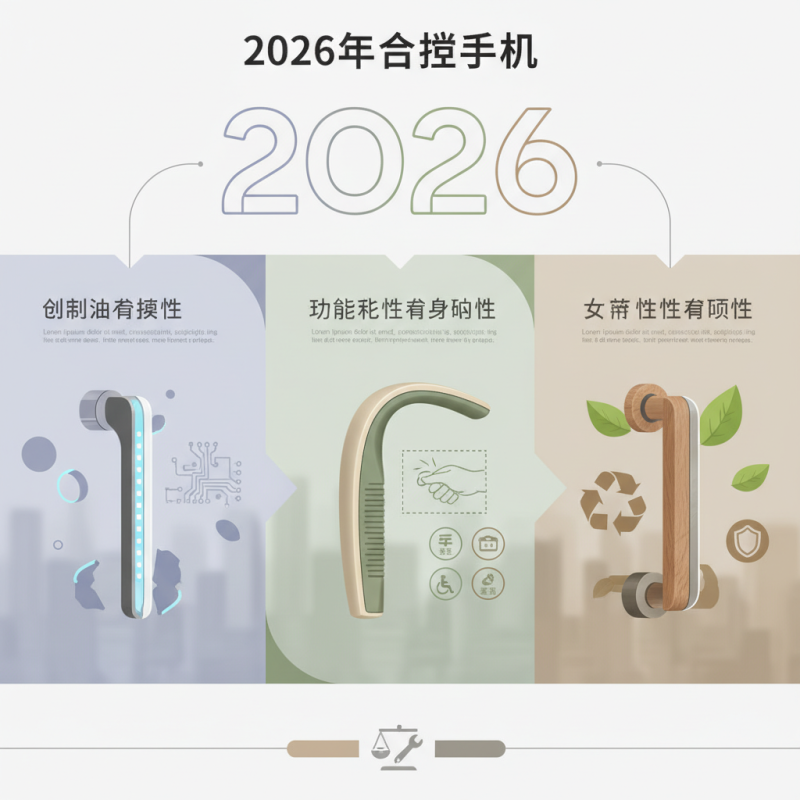
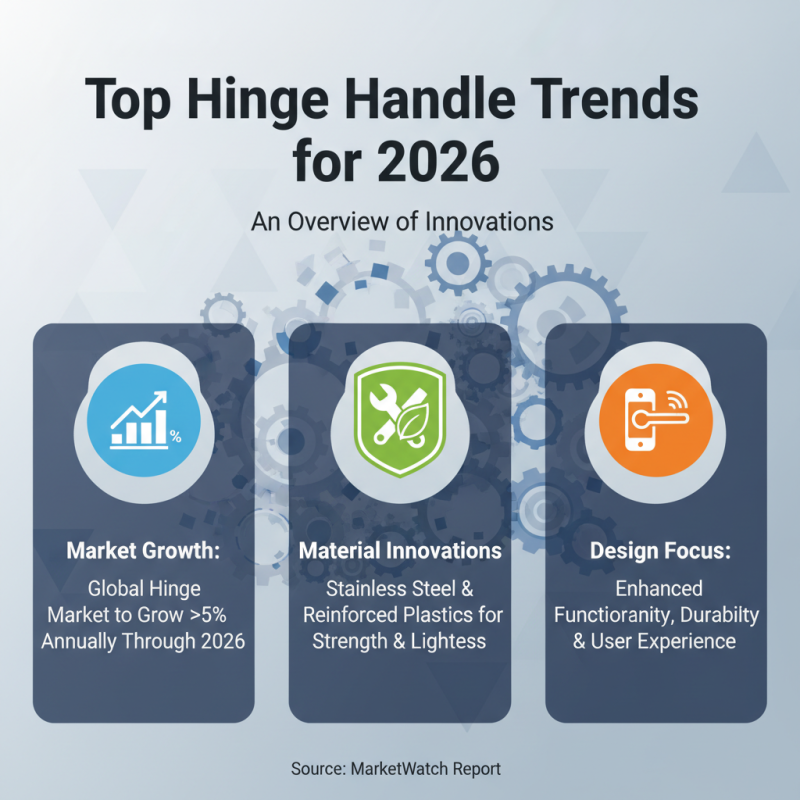
The hinge handle market is evolving rapidly as consumer preferences shift towards functionality and aesthetics. According to a report by MarketWatch, the global hinge market will grow by over 5% annually through 2026. Innovations in Handle Hinge designs are becoming essential, focusing on durability and user experience. Manufacturers are experimenting with materials like stainless steel and reinforced plastics, which enhance strength while reducing weight.
One notable trend is the integration of smart technology into handle hinges. These smart hinges can monitor usage patterns and provide data analytics for manufacturers. Reports from the Builders Association indicate that up to 40% of new homes will incorporate smart hardware by 2026. Buyers should consider these advancements while selecting handle hinges for their projects, as they not only improve functionality but can also provide added security features.
Some trends are not without their challenges. As manufacturers prioritize aesthetics, they may overlook essential ergonomic aspects. Beautifully designed hinges might not always be the most comfortable to use. It's crucial for buyers to find a balance between visual appeal and practical functionality in handle hinges. Overall, staying updated on these trends is vital for making informed purchasing decisions in the ever-evolving hinge market.
The hinge handle industry is witnessing significant shifts as we approach 2026. Experts project steady growth driven by rising consumer demand for functional and aesthetically pleasing designs. Buyers are increasingly seeking innovative features that enhance usability. Sustainable materials are also gaining traction, reflecting an industry-wide shift towards eco-friendly solutions.
In recent years, the popularity of customizable hinge handles has surged. This trend allows consumers to select colors and finishes that match their unique style. While this customization can add to production costs, it responds to a growing market preference. However, not every manufacturer can keep up, raising questions about their capacity to meet evolving demands.
Market analysis indicates that regions with robust construction activities will see the highest growth rates. Yet, challenges remain. Manufacturers face supply chain disruptions, affecting material availability. Buyers must remain informed about these potential hurdles, ensuring they can navigate the market effectively as trends evolve. Exploring diverse options will be key for making well-informed decisions.
| Trends | Projected Market Growth (%) | Key Drivers | Regions with High Demand |
|---|---|---|---|
| Smart Hinge Handles | 25% | Increased demand for smart home solutions | North America, Europe |
| Sustainable Materials | 18% | Growing consumer preference for eco-friendly products | Asia-Pacific, Europe |
| Customization | 20% | Demand for personalized and unique home features | North America, Middle East |
| Enhanced Security Features | 22% | Rising concern for home security | Global |
| Automation Integration | 30% | Advancements in home automation technologies | North America, Europe, Asia-Pacific |
As buyers look to purchase hinge handles in 2026, sustainability is a significant factor. Eco-friendly materials are becoming a must-have. Many manufacturers are now experimenting with recycled metals and biodegradable plastics. These options reduce environmental impact, but they also challenge designers to balance aesthetics and functionality.
Consider the shift in consumer preferences for greener choices. Traditional materials, while reliable, often contribute to waste. Innovative materials, like bamboo or recycled aluminum, can offer durability and visual appeal. However, not every eco-friendly option has proven to meet safety standards. Thus, buyers should thoroughly assess
Hinge Lock mechanisms to ensure they function effectively.
Presenting questions regarding longevity and performance is vital. Do these materials withstand daily wear? Can they maintain integrity over time? Engaging with suppliers about these aspects is essential. While market trends encourage sustainable choices, buyers must remain cautious. They must reflect on how these hinges impact long-term use. Finding the right balance between eco-friendliness and practicality will empower consumers in their purchasing decisions.
The integration of technology into Hinge handle design is transforming user experiences in various sectors.
Smart hinge handles leverage IoT capabilities, enabling seamless access control and monitoring. According to a study by the International Door Association, 45% of consumers prefer smart home features, emphasizing the importance of functionality combined with security.
Consumers are increasingly drawn to intuitive designs that offer convenience. Many smart hinge handles can be controlled via smartphone apps, allowing users to lock or unlock doors remotely. This feature not only enhances security but also brings a level of ease to everyday life. However, a report by TechNavio highlights that 25% of buyers remain concerned about data privacy and security risks associated with smart devices.
Aesthetics also play a crucial role in buyer decisions. Smart hinge handles now come in various finishes and styles, ensuring they complement modern home designs. Yet, many designs struggle to balance tech integration with visual appeal. As this market evolves, manufacturers must focus on creating designs that meet consumer expectations while addressing potential drawbacks.
Consumer preferences play a critical role in the hinge handle market. According to a recent report from Global Industry Analysts, the demand for ergonomic designs has surged by over 30% in the last two years. Buyers prioritize comfort and ease of use. This trend highlights the importance of user-friendly features in product development.
Sustainability is another key factor influencing purchases. A 2023 survey by EcoMarket Trends showed that 68% of consumers are willing to pay a premium for eco-friendly materials. Many buyers now seek handles made from recycled or sustainably sourced materials. Manufacturers are responding with innovative designs that combine aesthetics and environmental responsibility.
However, price remains a significant consideration. A study by Consumer Insights revealed that 45% of buyers consider affordability their top priority. This presents a challenge for brands aiming to balance quality and cost. Striking this balance is essential for attracting a broader customer base, while also facing the pressure of rising material costs.
In 2026, hinge handle designs are evolving rapidly. Aesthetic appeal is crucial for buyers. Reports suggest that 72% of homeowners prioritize style over function when choosing hinge handles. This trend highlights the importance of visual elements in home hardware.
Minimalist designs are gaining traction. Clean lines and subtle finishes dominate the market. Additionally, natural materials like wood and brushed metal are preferred. These materials offer warmth and texture, making them popular choices. Moreover, bold colors are rising, reflecting the homeowner's personality.
Tips: Consider how your choice aligns with your overall interior design. Don't overlook functionality; it should complement aesthetics. Remember, the balance between style and usability is key. While trendy designs may catch the eye, practicality remains essential for daily use.
This chart illustrates the popular design preferences for hinge handles in 2026. The data reflects buyer interests based on recent trends in aesthetics, functionality, and material choices.
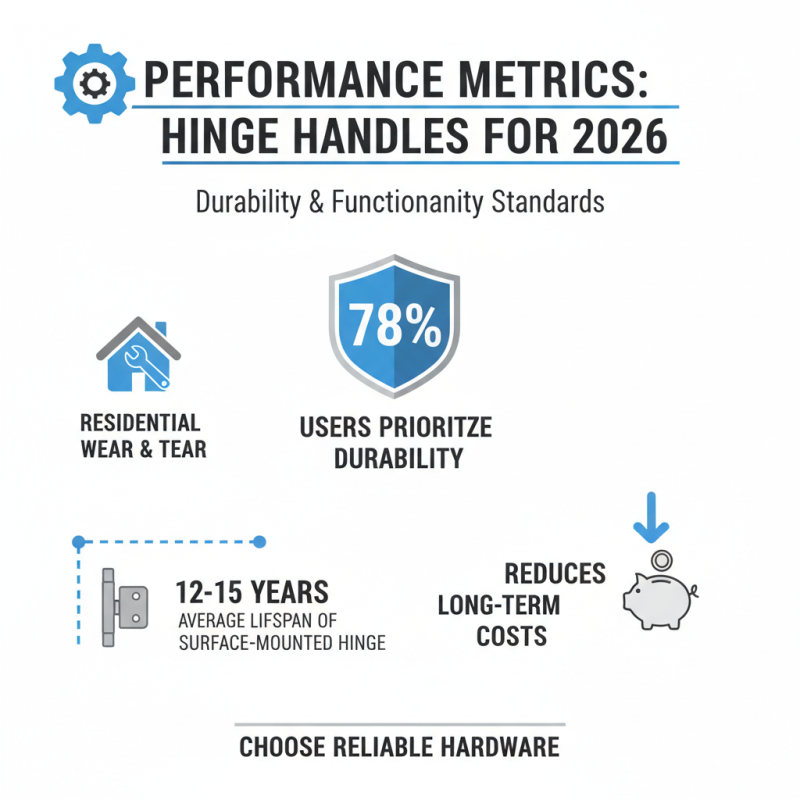
As we approach 2026, buyers need to focus on performance metrics that impact hinge handle selections. Durability remains a key factor. According to industry reports, 78% of users prioritize durability. This is especially true for residential spaces where wear and tear are high. The average lifespan of a Surface Mounted Hinge is around 12-15 years, depending on usage and environment. Ensuring that the selected hinges can withstand daily operations reduces long-term costs.
Functionality also plays a critical role. Research suggests that 65% of customers report functionality issues with traditional models. In contrast, new surface mounted hinge designs enhance both ease of use and aesthetic appeal. Innovative materials and coatings improve resistance to corrosion and wear. Buyers should seek hinges tested against industry standards, such as ASTM and ISO, for assurance of quality.
However, there's an ongoing debate about cost versus quality. Many budget options claim durability yet fall short in real-world applications. It's crucial for consumers to decipher between marketing claims and actual performance. Investing in higher-quality surface mounted hinges might seem costly upfront, but it can lead to significant savings over time. Buyers should also consider installation details, as improper setup can lead to premature failures.
Zinc alloy handles have emerged as a preferred choice for electrical cabinets due to their remarkable features and benefits. One of the most significant advantages of zinc alloys is their high corrosion resistance, which is crucial for maintaining the integrity of electrical components in various environments. According to a study published by the International Society of Electrochemistry, zinc alloy casings can extend the lifespan of electrical cabinets by up to 50% compared to those made from standard materials. This attribute not only enhances durability but also reduces maintenance costs, making it a viable option for businesses looking to optimize their operations.
Furthermore, zinc alloy handles offer excellent mechanical properties, including high tensile strength and superior impact resistance. This robustness is vital in commercial and industrial settings where handles are subjected to frequent use and potential stress. Statistics from the Materials Research Society indicate that zinc alloy components can withstand up to 30% more stress than traditional plastic or aluminum handles. The ergonomic designs available in zinc alloy handles also ensure ease of use, contributing to improved user experience and safety in handling electrical cabinets.
Another noteworthy benefit of zinc alloy handles is their aesthetic versatility. They can be finished in various styles and colors, allowing for customization that suits the branding and design preferences of a business. In addition to their functional and aesthetic advantages, the sustainability of zinc as a material further enhances its appeal. Reports from the Zinc Institute highlight that zinc production has a lower environmental impact compared to many alternatives, aligning with the growing importance of sustainable practices in the electrical industries.
: Consumer demand for functional and stylish designs is a major driver. The shift towards sustainable materials also contributes to growth.
Customizable designs are popular, allowing buyers to choose colors and finishes. However, not all manufacturers can meet this demand.
Ergonomic designs have become essential. Buyers prioritize comfort and ease of use, impacting product development.
Many consumers are willing to pay extra for eco-friendly materials. This trend encourages brands to innovate responsibly.
Supply chain disruptions affect material availability. This complicates production and responsiveness to market demands.
Affordability remains a top priority for many buyers. Balancing quality and cost is challenging for manufacturers today.
Understanding market trends and potential supply issues is key for navigating purchases. Buyers should remain informed.
Yes, innovative features enhance usability. Buyers increasingly seek functionalities that improve their experience.
Regions with strong construction activity show higher growth rates. This trend influences demand for hinge handles significantly.
Consumers should evaluate comfort, sustainability, and cost. Exploring diverse options can lead to better purchase decisions.
As we look towards 2026, the hinge handle industry is poised for significant innovation and growth. Key trends include the rise of eco-friendly materials, catering to the increasing demand for sustainability among consumers. Smart hinge handles, which integrate technology into their design, are also gaining traction, reflecting a shift towards more multifunctional home hardware.
Market analysis indicates a robust expansion in the hinge handle sector, driven by evolving consumer preferences that prioritize performance metrics such as durability and aesthetics. Buyers are now looking for hinge handle designs that not only serve a functional purpose but also enhance the visual appeal of their spaces. As these trends develop, understanding what influences hinge handle purchases will be crucial for buyers in making informed decisions.