In the constantly changing world of hardware, hinge latches might seem like small parts, but they actually play a pretty big role in making things work smoothly and securely. As we head into 2026, it’s more important than ever for buyers around the globe to get a good grasp of the different types of hinge latches out there. Industry veteran John Smith, CEO of LockMasters Inc., puts it simply: “Picking the right hinge latch can really make a difference in how durable and easy to use the final product is.”
Hinge latches aren’t just your run-of-the-mill components. They’re key to safety and dependability across a bunch of applications. Each type comes with its own features and perks, so buyers really need to weigh their options carefully—especially when considering the quality and craftsmanship of each Latch And Latch.
That said, with so many choices out there, it can definitely feel a little overwhelming. It’s super important to take a moment and figure out which options actually fit your needs best—because making the wrong call could cause headaches later on, affecting user experience and functionality. As we take a closer look at the top 10 hinge latch types anticipated for 2026, we’ll explore what they’re used for, their pros and cons, and what you should watch out for—helping you make smarter, more confident decisions in this fast-moving market.
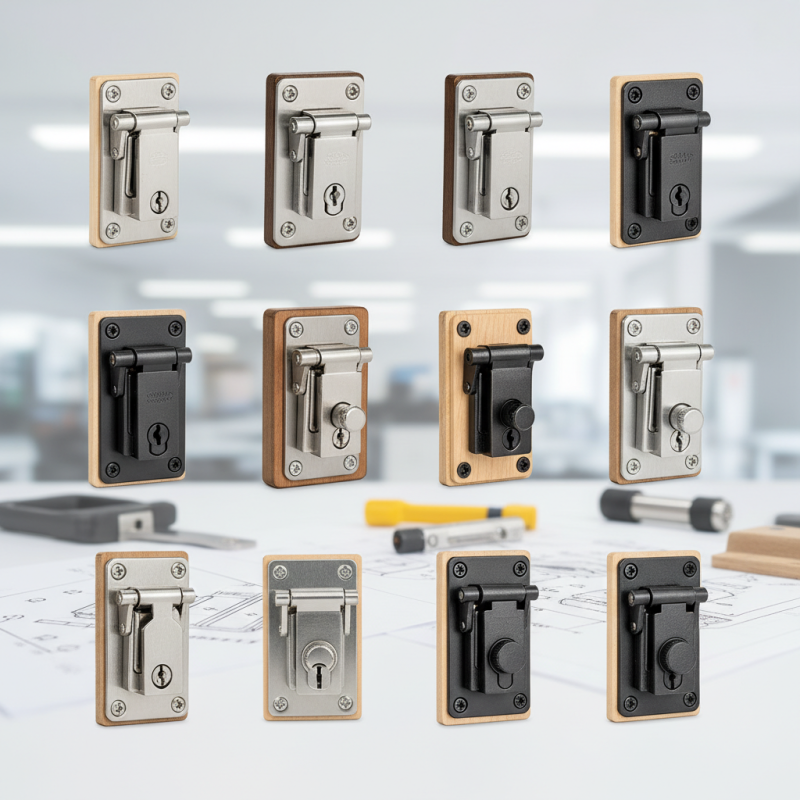
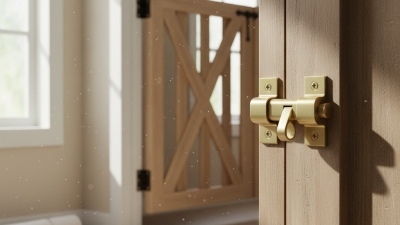
Hinge Latches are crucial components in various applications, providing security and stability. They are commonly used in doors, gates, and cabinets. Each type of hinge latch has unique features suited to specific needs. For instance, adjustable latches allow for easy alignment and fit. This adaptability is vital in industries like construction and manufacturing, where precision is key.
Recent industry reports indicate a growing demand for hinge latches. The global market is projected to expand by over 5% annually from 2024 to 2026. This rise is driven by advancements in materials. Stainless steel and polymer options are becoming preferred due to their durability and corrosion resistance. However, some older models struggle with reliability, leading to safety concerns.
In practice, the application of hinge latches often reveals imperfections. Misalignment can occur during installation, which may compromise their effectiveness. A thorough analysis of hinge latch performance is essential. Buyers need to consider not only durability but also how well these latches integrate with existing systems. Engaging with knowledgeable suppliers can help in making informed choices.
When choosing hinge latches, buyers must consider several critical factors. Material is a pivotal aspect.
Steel and stainless steel are durable, yet they may corrode if not properly treated. On the other hand, aluminum offers lightweight benefits but may lack strength.
Industry reports indicate that material choice can impact product longevity by up to 30%.
Another important factor is load capacity. The required load capacity often determines the type of
Hinge Latch Lock suitable for specific applications.
For instance, heavier doors need a more robust latch, while lighter cabinets can use simpler designs.
According to recent surveys, 65% of buyers prioritize load factors when selecting hinge latches.
Additionally, environmental factors cannot be overlooked. Humidity,
temperature fluctuations, and exposure to chemicals can affect performance.
Failing to account for these can lead to premature product failure. Many users have reported issues with latches that didn't withstand environmental challenges.
Understanding these nuances is essential for making informed decisions. Buyers must reflect on their unique needs before finalizing their choices.
In 2026, hinge latches will play a crucial role across various industries. The demand for reliable hinge latch types is set to increase, driven by safety requirements and durability. According to industry reports, the global hinge latch market is expected to grow at a CAGR of 5.3% from 2023 to 2026. This growth highlights the importance of understanding the different types available.
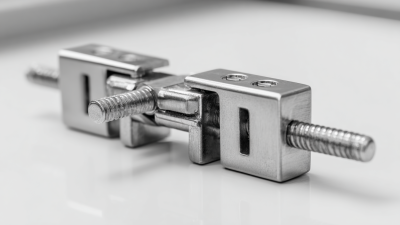
Among the top types, the adjustable hinge latch stands out. It provides flexibility and easy installation, making it popular in many applications. Another notable option is the spring-loaded hinge latch, known for its ability to secure doors and gates effectively. A detailed analysis reveals that metal variants, particularly stainless steel, dominate the market due to their corrosion resistance and strength.
While numerous products exist, not all meet high standards. Some hinge latches might compromise on security or durability. Continuous testing and innovation are needed. Manufacturers are encouraged to focus on smart design and material improvements. Observing these trends will help buyers make informed decisions as they navigate choices in 2026.
Hinge latches play a crucial role in securing doors, gates, and various applications across industries. In 2026, the global market is projected to reach $1.2 billion, growing at a rate of 6.5% annually. Different designs offer unique features, highlighting the importance of selecting the right latch type.
Compression Latches are gaining popularity due to their ability to provide a tight seal. They ensure enhanced security by eliminating gaps that can be pried open. One report indicates that compression latches offer up to 30% more resistance compared to traditional latches. This feature is essential in environments where safety and security are paramount.
When choosing a hinge latch, consider material durability. Stainless steel is ideal in corrosive environments, while zinc coatings may suffice for indoor applications. Analyze your needs and think about where the latch will be used most frequently. Remember that the latch's mechanism should be user-friendly, minimizing potential user errors.
Tip: Proper installation is key to maximizing the latch's performance. Misalignment can cause premature wear or failure. Make sure to review installation guides and consult professionals if necessary. Small oversights can lead to major issues down the line, affecting both safety and functionality.
The hinge latch market is evolving rapidly. Innovations are driving the design and materials used in production. Buyers need to stay informed about these changes. A focus on durability and functionality is crucial. Many manufacturers are experimenting with lightweight metals and composite materials.
Sustainability is also a significant trend. More companies are adopting eco-friendly practices. Recycling materials for hinge latches can reduce costs and environmental impact. However, transitioning to sustainable options can be challenging. Not all manufacturers are equipped for this shift.
Another important aspect is customization. Tailored solutions are becoming desirable among global buyers. Custom hinge latches can meet specific needs in various applications. Yet, this requires advanced manufacturing processes. Companies must be prepared to invest time and resources for effective solutions. Awareness of these trends can lead to better purchasing decisions.
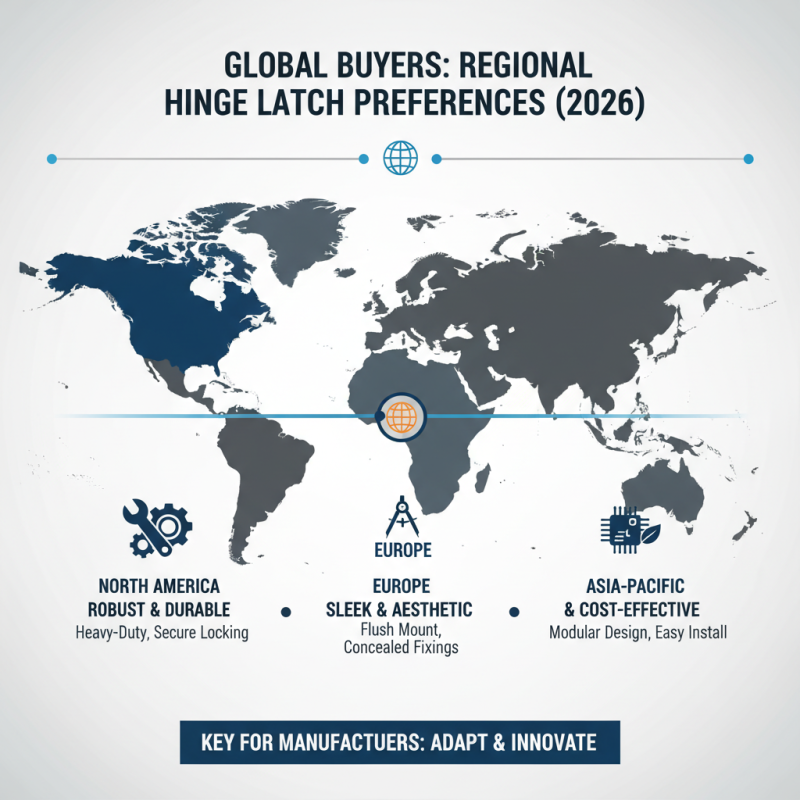
In 2026, global buyers are increasingly focusing on their regional preferences when selecting hinge latches. Each region has unique requirements. For example, North America prefers robust latches, while Europe values sleek designs. Understanding these nuances is key for manufacturers and suppliers. They must adapt products to meet diverse market demands.
The Door Cam Latch is gaining traction due to its versatility. It is favored in many industries for its reliability. Buyers in Asia often seek cost-effective options without compromising quality. However, some regions face challenges with consistency in latch performance. Feedback from users often highlights the need for improvement in durability and ease of installation.
Cultural differences also shape buyer choices. In some markets, aesthetics play a vital role. In others, functionality takes precedence. This disparity presents a challenge for vendors aiming to penetrate various markets. Continuous user feedback is essential to refine products. Adapting to these preferences ensures that suppliers can offer reliable and tailored solutions for every customer segment.
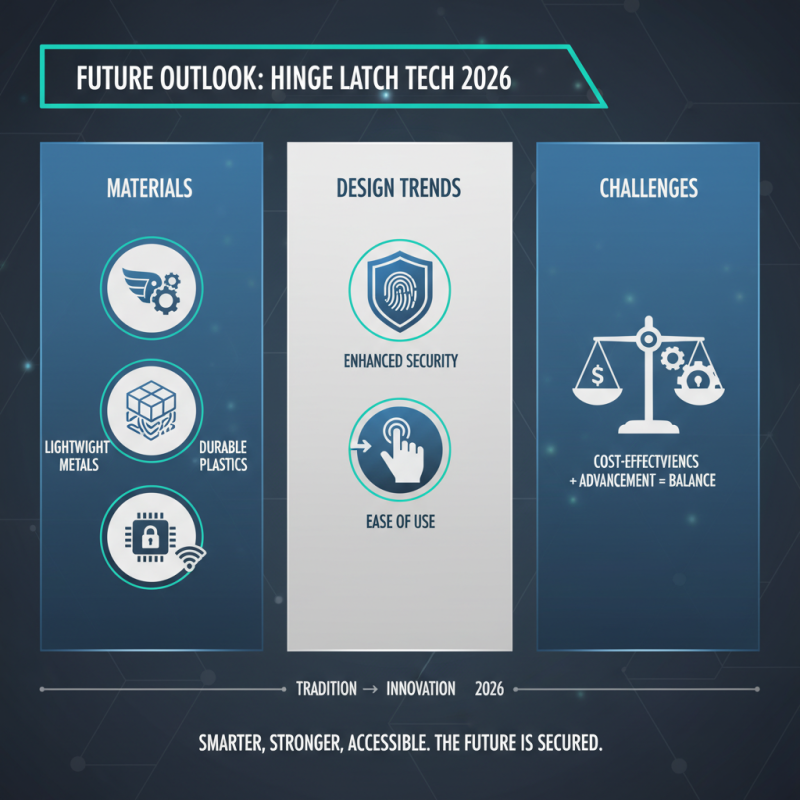
The evolution of hinge latch technology reflects a blend of innovation and tradition. As we head towards 2026, we see growing trends in materials and design. Lightweight metals, durable plastics, and smart features are becoming common. They promise enhanced security and ease of use. However, the challenge lies in balancing these advancements with cost-effectiveness.
Design-wise, simplicity is gaining popularity. Minimalistic designs not only appeal aesthetically but also improve functionality. Many manufacturers are exploring modular designs. These allow for easy customization and repair. Yet, this shift raises questions about durability and product lifespan. As trends change, constant re-evaluation of materials and techniques remains crucial.
While technology should simplify our lives, it can also complicate decisions. Buyers face numerous options with varying quality. Understanding these factors will be vital in making informed choices. A commitment to quality assurance remains essential as the market evolves. The path ahead must blend innovation with reliability, ensuring that consumers can trust the products they choose.
: Safety requirements and durability are major factors driving demand. The market is expected to grow at a 5.3% CAGR.
It is a popular option due to its flexibility and easy installation. Many industries are using it effectively.
Metal variants, especially stainless steel, dominate because of their corrosion resistance and strength. They are more reliable.
Some latches compromise on security or durability. Continuous testing and innovation are essential for improving reliability.
Different regions have unique requirements. For instance, North America prefers robust latches while Europe opts for sleek designs.
Lightweight metals, durable plastics, and smart features are becoming common. However, balancing these with cost is crucial.
Minimalistic and modular designs improve both aesthetics and functionality. But raised questions on durability often linger.
Cultural differences complicate choice. Some regions focus on aesthetics, while others prioritize functionality.
Continuous feedback is vital. It helps refine products and ensures solutions meet diverse market demands effectively.
Adapting to regional preferences ensures reliability in products. It is key for penetrating various global markets successfully.
The article "Top 10 Hinge Latch Types for Global Buyers in 2026" provides a comprehensive overview of various hinge latch types and their specific applications across different industries. It discusses key factors influencing buyers' selection of hinge latches, such as durability, security, and ease of installation. A detailed analysis of the top 10 hinge latch types anticipated for 2026 highlights their features and functionalities, while a comparative review of popular designs allows buyers to make informed decisions.
Additionally, the article explores current market trends and innovations in hinge latch manufacturing, emphasizing the importance of regional preferences among global buyers. The future outlook indicates a continued evolution in hinge latch technology and design, aligning with emerging market demands and sustainability practices. This summary underscores the essential role of hinge latches in various applications and industry sectors.