Hinge locks are pretty essential when it comes to keeping doors and cabinets secure around the world. If you're shopping for one, it’s helpful to know there are a bunch of different options out there. Big names like Schlage, Kwikset, and Assa Abloy all make a variety of hinge locks suited for different security needs — so, you’re not limited in choices.
Picking the right hinge lock can feel a bit overwhelming sometimes, especially with so many factors to consider—like the material, design, or how easy it is to install. Honestly, it's easy to get lost in the details and overlook some stuff that actually impacts security in the long run. For example, the finish of a hinge lock might seem trivial, but it can affect how well it holds up over time.
At the end of the day, it’s all about what actually works for you. Think about your main security priorities and what matches your style — because each option has its own pros and cons. Taking the time to pick thoughtfully can make sure you get something that keeps your stuff safe and looks good doing it.
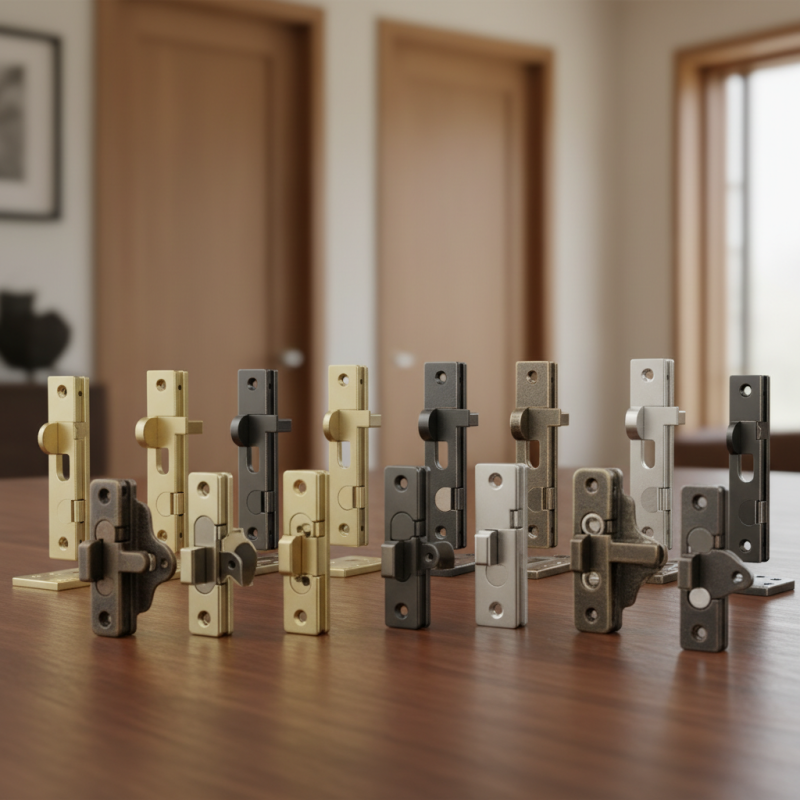
Understanding hinge locks is crucial for anyone looking to enhance security and functionality in doors and gates. Hinge locks, often used in commercial and residential applications, provide a reliable way to secure access points. These mechanisms work by locking the hinge itself, preventing unauthorized movements. When choosing a hinge lock, consider the thickness of your doors and the materials used. Metal doors require sturdy locks, while wooden doors may benefit from lighter options.
Tips for selecting hinge locks:
Ultimately, the choice of Lock And Hinge impacts your security systems. Regular maintenance is necessary, too. Keep locks lubricated to prevent rust and ensure functionality. A well-maintained lock lasts longer and performs better. Reflecting on your needs helps in finding the right balance between security and convenience.
Hinge locks come in various types, each catering to specific needs. A common option is the pin lock. It’s simple and effective. This type uses a pin to secure the hinge in place. Users often appreciate its straightforward installation. However, some find it less secure against strong impacts.
Another popular choice is the screw-in lock. This option offers better resistance against tampering. It's fitted directly into the hinge and provides a higher security level. Many people opt for this type in residential settings. Yet, installing these can be tricky for novices. It often requires precise measurements and tools.
Another option is the latch lock. It provides a rapid way to secure doors. Users often favor it for its convenience and quick release. However, it may not be the most reliable for high-security areas. Balancing ease of use and security can be a challenge. Each type of hinge lock suits different environments. Assess your specific needs carefully before deciding. Different projects may reflect varying requirements for security and accessibility.
| Type of Hinge Lock | Material | Security Level | Water Resistance | Weight Capacity |
|---|---|---|---|---|
| Standard Hinges | Steel | Medium | Yes | 50 kg |
| Heavy-Duty Hinges | Stainless Steel | High | Yes | 150 kg |
| Invisible Hinges | Aluminum | Medium | No | 100 kg |
| Spring-Loaded Hinges | Brass | Low | Yes | 30 kg |
| Piano Hinges | Steel | Medium | Yes | 75 kg |
| Lift-Off Hinges | Plastic | Low | No | 20 kg |
| Flush Hinges | Zinc Alloy | Medium | Yes | 60 kg |
| Concealed Hinges | Steel | High | Yes | 120 kg |
| Gate Hinges | Cast Iron | High | Yes | 200 kg |
| Self-Closing Hinges | Aluminum | Medium | Yes | 80 kg |
When selecting a hinge lock, buyers must consider durability. A sturdy Hinge Latch Lock can withstand wear and tear. Look for materials like stainless steel or brass for longevity. Corrosion resistance is also essential for outdoor installations. This prevents rusting and ensures functionality over time.
Security features are another crucial aspect. Hinge latch locks should have reliable locking mechanisms. Look for options with tamper-proof designs. This adds an extra layer of safety. Additionally, choose locks with various keying options to suit your needs. Compatibility with smart home systems is another modern advantage.
In your search for the best hinge latch lock, consider your specific requirements. Different applications demand different features. Reflect on the environment where the lock will be used. Seek feedback from other users to gain insights. Remember to balance quality and cost. Investing in quality often pays off in security and durability.
When selecting hinge locks, it’s vital to consider quality and reliability. Various manufacturers offer diverse options for different needs and environments. According to industry reports, a reliable hinge lock can significantly enhance security. Popular materials include stainless steel and bronze, known for their durability and resistance to corrosion.
Investing in reputable brands often ensures better customer service and product warranties. However, statistics show that not all well-known brands deliver consistent quality. Customers should analyze product reviews and ratings over time. A critical look at both high- and low-end products can reveal surprising insights. Low-cost options might perform well initially but could fail under high-stress conditions.
Tips for buyers: Always check for certifications. Verified locks tend to meet or exceed industry standards. Understanding the locking mechanism is also key; some options provide more security features than others. Consider potential installation challenges, as some models are easier to fit than others. Assessing the real-life performance of hinge locks will help in making informed decisions.
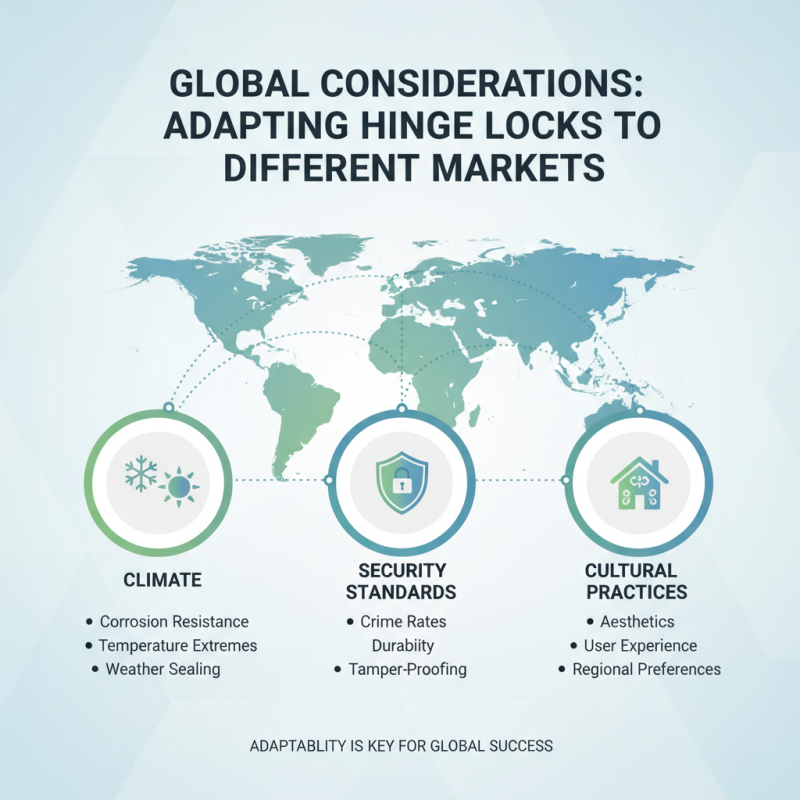
When considering hinge locks for global markets, adaptability is key. Each region has unique requirements influenced by climate, security standards, and cultural practices. For instance, some areas may favor more robust designs due to higher crime rates. In contrast, others might prioritize aesthetic appeal for residential applications. Understanding these nuances is essential for success.
Tips for selecting hinge locks: always evaluate local preferences. Research the local building codes and regulations that may affect your choice. Don't rely solely on generic data; engage with local suppliers and customers to gather first-hand insights. Their feedback can be invaluable.
Additionally, consider the materials used in hinge locks. Humid regions may require rust-resistant options, while cold climates may need locks that perform well in freezing temperatures. Some might overlook these factors, leading to unsatisfactory experiences and returns. Pay attention to these details to ensure a reliable and effective product.
When selecting Hinge locks, proper installation is key. It directly impacts security and efficiency. Understanding your door type is essential. Different doors require different locking mechanisms. Ensure the lock matches the door material. A metal door needs a different approach than a wooden one.
Before installation, gather quality tools. Check for alignment on the door and frame. Misalignment can lead to malfunction. Tighten all screws adequately. Loose fittings create vulnerabilities. Follow the manufacturer’s guidelines closely. Skipping this step may cause issues later.
Test the lock after installation. This will help confirm it functions properly. A well-installed hinge lock should operate smoothly. It shouldn't stick or jam. Regular maintenance is important too. Lubricate the lock occasionally. Neglecting this may lead to rust and decreased efficiency. Always reflect on any changes in performance. Adjustments may be necessary over time.
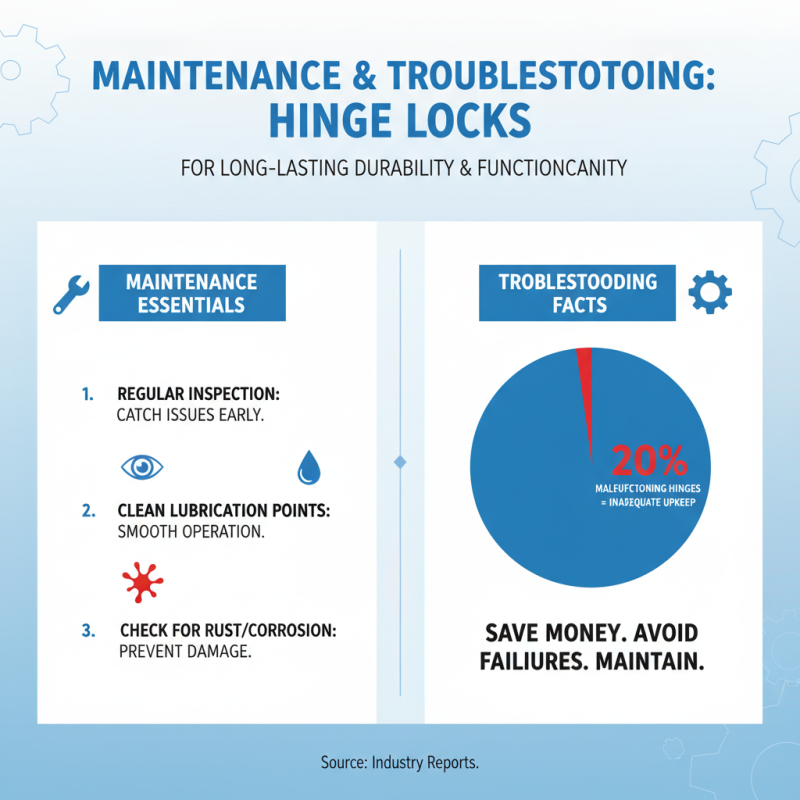
Maintaining hinge locks is essential for durability and functionality. Regular inspection can reveal issues before they escalate. Industry reports show that nearly 20% of malfunctioning hinges result from inadequate upkeep. Feed existing problems by cleaning lubrication points and checking for rust or corrosion.
Using a Surface Mounted Hinge can enhance resilience. This type of hinge allows for easy adjustments and access to components. However, improper installation can compromise its effectiveness. Some users overlook this, leading to alignment issues. Proper positioning prevents unnecessary strain on the locking mechanism.
Another common area for troubleshooting is loose screws. Many users fail to check if screws have tightened after installation. Surveys indicate that around 30% of hinge failures relate to this. Identifying such small problems can greatly improve the lifespan of the lock. Educating users about these details is crucial for optimal performance. Regular maintenance, combined with proper installation, ensures reliability over time.
In the ever-evolving landscape of security solutions, the 2023 Global Lock Market Report highlights the growing demand for high-strength handle locks, specifically the MS807-3 type. This model stands out due to its construction from high-strength zinc alloy, which significantly enhances its durability in various environmental conditions. Reports indicate that the market for high-strength locking mechanisms is expected to witness a compound annual growth rate (CAGR) of over 6% from 2023 to 2030, driven by increasing concerns regarding theft and unauthorized access.
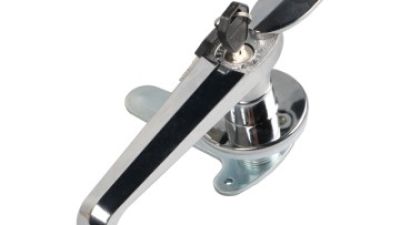
The MS807-3 handle lock is designed to excel in demanding scenarios, featuring a bright chrome electroplated finish that not only provides a polished aesthetic but also offers remarkable corrosion resistance. This characteristic is critical, as data points indicate that one of the leading causes of lock failures in outdoor settings is corrosion due to exposure to moisture and harsh weather. Additionally, the lock's dustproof and waterproof attributes ensure it remains operational even under challenging conditions, making it a reliable choice for securing valuable assets in both residential and commercial properties.
As security threats continue to evolve, investing in high-quality locking mechanisms like the MS807-3 is essential. According to recent industry insights, robust locking solutions can reduce the risk of break-ins by up to 70%. With its innovative design targeted at enhancing performance and resilience, the MS807-3 handle lock exemplifies the advancements in security technology necessary to meet the demands of modern safety protocols.
: Hinge locks secure doors and gates in both commercial and residential settings. They prevent unauthorized access.
Hinge locks function by locking the hinge, restricting movement. This mechanism enhances the security of entry points.
Consider durability when choosing materials. Stainless steel and brass offer longevity and resistance to corrosion.
Test the lock's operation before installation. A smooth mechanism is vital for ease of use.
Regular maintenance, like lubrication, prevents rust. Well-maintained locks perform better and last longer.
Look for rust-resistant materials. Corrosion can compromise functionality over time, especially in humid climates.
Understand local needs and environmental factors. Engage with local suppliers for insights on preferences and regulations.
Opt for tamper-proof designs and reliable locking mechanisms. Different environments may require varied security levels.
Seeking user insights can highlight practical experiences. Their feedback often points out strengths and weaknesses of products.
Investing in quality is essential for security and durability. Sometimes, higher costs translate to better long-term benefits.
Hinge locks are essential components in securing doors and gates, offering various options tailored to diverse needs and environments. Understanding the different types of hinge locks available and their key features is crucial for buyers seeking reliable security solutions. Factors such as durability, ease of installation, and maintenance will significantly influence the selection process, ensuring that the chosen hinge locks can withstand both environmental conditions and frequent use.
Moreover, global buyers must consider the adaptability of hinge locks to different markets, as regional standards and requirements may vary. Proper installation and ongoing maintenance are vital for ensuring the longevity and efficiency of hinge locks. By considering these aspects, consumers can make informed choices that align with their security needs while ensuring their investments remain functional over time.