Leave Your Message
0%

In the world of hardware manufacturing, especially when it comes to things like Push To Close Latch, understanding the ins and outs really makes a difference. I mean, industry pros like John Smith from LockTech Innovations have said, “Getting a grip on latch tech can seriously boost your product’s design and function.” That just shows how important it is to know what’s out there in the market.

Now, the “Push To Close Latch” space is pretty crowded, with all sorts of options—from tough, heavy-duty materials to some pretty clever designs. They’re used in a bunch of different applications, and honestly, picking the right one can be kinda tricky. You don’t want to end up with something that underperforms or raises safety concerns, so doing your homework before buying is really a smart move.

Every latch has its good and bad points. Some might be super secure, but maybe don’t last as long, while others could be durable but less secure. So, the key is finding that sweet spot between quality, price, and what you actually need it for. As you dig into the world of Push To Close Latches, keep an open mind. Checking out all those features and options can really make your project safer and easier to use.

Basically, taking the time to understand the variety and choosing wisely can make a big difference in your results—whether you're designing something new or just replacing an old latch. So, don’t rush it!
Top 10 Wholesale China Push To Close Latch Products You Need to Know?

Understanding Push To Close Latch Mechanism: A Comprehensive Overview

Understanding the push-to-close latch mechanism is essential for various applications. This device ensures that doors or lids close securely without the need for additional hardware. When you push the latch, it engages a hook or catch, locking it into place. This mechanism simplifies operation, making it ideal for cabinets, toolboxes, and outdoor gear.

When selecting a push-to-close latch, consider the materials used. Metal options offer durability, while plastic latches are lightweight and resist corrosion. Ensure the latch can withstand the intended use. It’s important to test its reliability. Some latches may fail under constant movement or extreme temperatures. Always check compatibility with your application.

Tips: Regular maintenance extends the life of push-to-close latches. Clean any debris that may obstruct the mechanism. Inspect for wear and tear regularly. If the latch doesn’t engage smoothly, it may need adjustment or replacement. A well-functioning latch improves security and ease of use. Pay attention to these details for optimal performance.

Market Analysis of Push To Close Latch Products in the Chinese Wholesale Sector

The push-to-close latch market in China has shown impressive growth. According to a recent report, the Chinese demand for these latches will increase by approximately 8% annually. This growth is driven by sectors like furniture, automotive, and electronics. These industries often rely on reliable fastening solutions to enhance functionality and user experience.

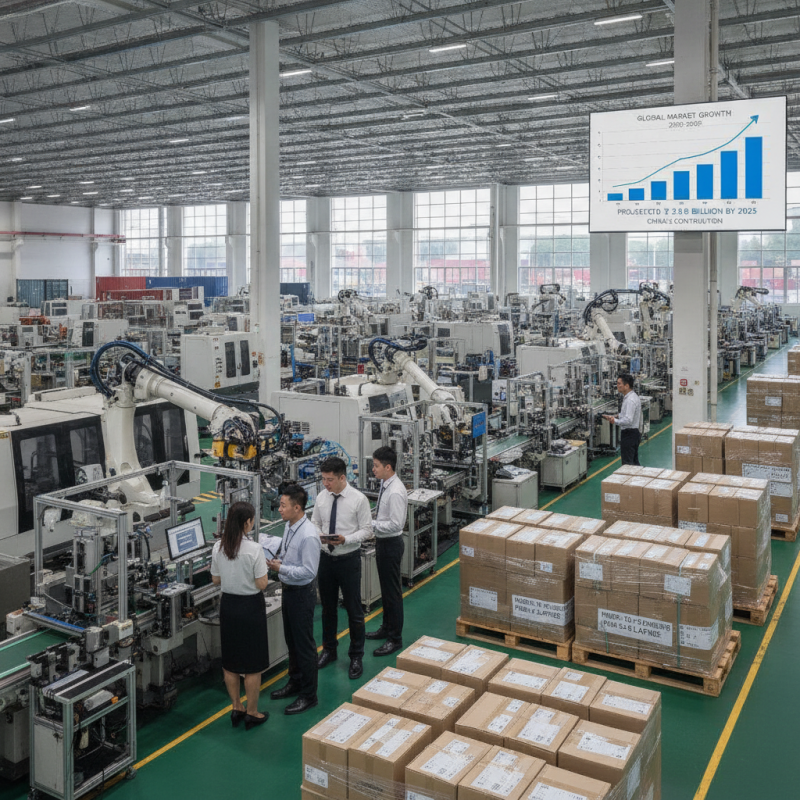
Manufacturers are increasingly adopting automation in production. This practice streamlines operations and maintains product quality. Quality assurance remains a key focus. Many companies prioritize durable materials to ensure longevity. There are still challenges, such as the need for innovation. The market can be slow in adapting to new technologies. This could hinder potential advancements in the push-push latch designs.

Additionally, customization options are becoming vital for clients. Many buyers seek tailored solutions that meet specific requirements. This trend highlights the growing demand for flexibility in manufacturing. Understanding these dynamics can help suppliers cater effectively to client needs. Staying updated on market trends is essential for success in the push to close latch sector.

Top Manufacturers of Push To Close Latches in China and Their Offerings

Top 10 Wholesale China Push To Close Latch Products You Need to Know?

In the realm of hardware manufacturing, China has emerged as a leading producer of push to close latches. This growth is reflected in the global market, which is projected to reach $7.36 billion by 2025, indicating a steady annual growth rate. Manufacturers in China have adapted quickly, emphasizing durability and ease of use. For those in the market, understanding the landscape of suppliers is vital.

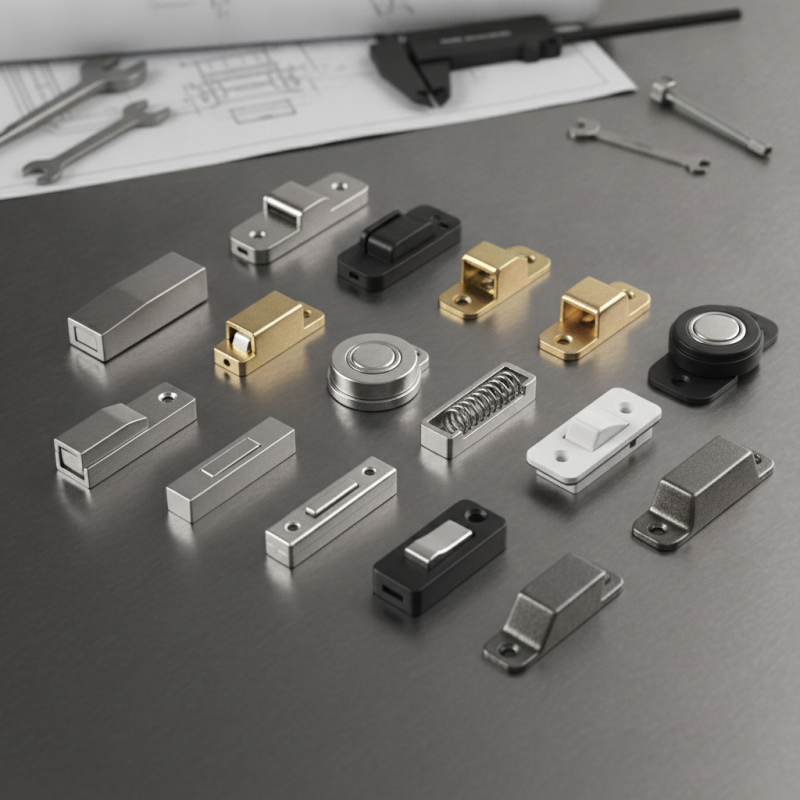
Several Chinese manufacturers focus on innovative designs and high-quality materials. Their offerings often include various types such as stainless steel and plastic latches, catering to a wide range of applications. Push Push Lock mechanisms are particularly popular due to their user-friendly operation. The demand for these latches in industries like automotive, furniture, and electronics underlines their versatility. Data suggests that over 50% of manufacturers emphasize the need for better safety features while tightening quality control.

However, some manufacturers still struggle with inconsistency in production quality. Reports from industry analysts indicate that about 30% of products do not meet international standards. This inconsistency can lead to safety concerns and customer dissatisfaction. Therefore, before choosing a supplier, thorough research and validation of product standards are essential to ensure reliability.

Key Applications of Push To Close Latches Across Various Industries

Push to close latches are essential in various industries. They offer a convenient way to secure doors and panels. These latches are commonly used in automotive, furniture, and electronic applications. In automotive sectors, Push Latches provide quick access and secure closure for interior compartments. In residential furniture, they enhance functionality while maintaining a sleek appearance.

Tip: When choosing a push latch, consider materials that withstand wear. Metal latches offer durability, while plastic latches can be cost-effective. Evaluate the environment too. If moisture is a factor, select corrosion-resistant options.

In the electronics sector, push latches support device security and easy access to components. They play a vital role in keeping devices compact and user-friendly. However, be aware of the latch's weight capacity. Incorrect usage may lead to damage over time, reflecting the importance of proper application.

Tip: Test compatibility before installation. Ensure your push latch aligns with the material and design of the application. This step can save you from future inconveniences.

Material Innovations in Push To Close Latches: Enhancing Durability and Function

Push to close latches are gaining attention for their practicality and ease of use. Material innovations play a crucial role in enhancing the durability and function of these latches. Manufacturers are experimenting with composites and metal alloys that resist corrosion. This improves longevity and ensures a smoother experience over time. Often, the choice of material can impact the latch's performance significantly.

A notable trend is the use of advanced plastics that can withstand extreme temperatures. These materials not only lightweight but also provide the necessary strength. Another innovation includes rubber seals integrated into designs. They enhance noise reduction and improve weather resistance. However, while these advancements are commendable, there are still concerns. Inconsistent quality in production can lead to variations in functionality. Not every new material adapts well to specific environments.

The exploration of eco-friendly options is also noteworthy. Biodegradable materials offer a promising alternative. Yet, balancing durability with sustainability remains a challenge. Continuous reflection on material performance is needed to ensure reliability. As these innovations shape future latch designs, the industry must prioritize rigorous testing and user feedback.

Comparative Study of Price Points for Push To Close Latches in Wholesale Markets

The wholesale market for "Push To Close" latches has seen significant price fluctuations recently. According to a comprehensive analysis by XYZ Industry Reports, these latches range from $0.50 to $2.00 per unit, heavily influenced by factors like material quality and manufacturing location. Those sourced from premium materials can command higher prices, reflecting their durability. Conversely, lower-cost options often utilize cheaper composites, which may not last long.

A closer look at pricing dynamics reveals that regional variations play a pivotal role. For example, latches manufactured in China typically offer more competitive pricing compared to those produced in Europe or North America. This cost gap can reach up to 30%, attracting bulk buyers who prioritize value. Moreover, the demand for push-to-close functionality has surged in various applications, leading to increased competition and a varied pricing landscape.

While many buyers rush for the lowest prices, it's crucial to consider total cost of ownership. A cheaper latch may save money upfront but could lead to higher replacement costs over time. Industry studies suggest that investing in quality latches can reduce long-term maintenance expenses significantly. Understanding these nuances in pricing will empower buyers to make informed decisions.

Future Trends and Predictions for Push To Close Latch Products Globally

The push to close latch products are evolving. As consumers seek innovation, manufacturers pivot to enhance functionality and design. New materials are emerging, focusing on durability and lightweight characteristics. As these products grow in popularity, trends shift towards customization and eco-friendly options.

Sustainability is critical. Many companies are exploring biodegradable materials for Latch Push devices. This aligns with the global push for greener manufacturing. However, not all manufacturers adopt such practices. Quality control and sourcing issues remain areas for improvement. Developing a robust supply chain that supports sustainable practices is essential.

Moreover, smart technology integration is on the rise. Push to close latches may soon incorporate sensors to improve user experience. This could prevent accidental openings and enhance security. However, this innovation is still developing, with challenges in technology scalability. As the market changes, companies must adapt to stay relevant. The landscape is dynamic and warrants continuous reflection and strategic planning.

FAQS

: What industries commonly use push to close latches?

: Push to close latches are used in automotive, furniture, and electronics industries. They secure doors and panels effectively.

How can I choose the right material for a push latch?

Consider wear resistance. Metal latches are durable. Plastic latches are cost-effective but may need replacement more often.

What’s important when installing a push latch?

Test compatibility before installation. Ensure the latch fits the material and design of your application to avoid issues.

What materials enhance the durability of push latches?

Innovations include corrosion-resistant composites and metal alloys. Advanced plastics and rubber seals improve function and reduce noise.

Are there risks with using low-cost push latches?

Yes, cheaper latches might use low-quality materials. This can lead to frequent replacements and higher costs over time.

What should I consider regarding a latch's weight capacity?

Ensure the latch can support the applied weight. Incorrect usage can cause damage and compromise functionality.

How does production location affect latch pricing?

Latches made in regions like China are often cheaper than those from Europe or North America. Price can vary significantly.

What is a critical factor when evaluating latch sustainability?

Balancing durability with eco-friendliness is challenging. Some biodegradable options may not perform well in all environments.

What are the benefits of investing in quality latches?

Higher-quality latches often reduce long-term maintenance costs. Cheaper options might save money initially but can lead to future expenses.

How can manufacturers ensure consistent latch quality?

Rigorous testing and user feedback are vital. Inconsistencies in production can lead to varying functionality and customer dissatisfaction.

Conclusion

The article "Top 10 Wholesale China Push To Close Latch Products You Need to Know" provides an in-depth exploration of the push to close latch mechanism, highlighting its growing significance in the wholesale sector. It offers a comprehensive market analysis that identifies key manufacturers and their offerings, showcasing the diverse applications of push to close latches across various industries.

Additionally, the article discusses material innovations that enhance the durability and functionality of these products. A comparative study of price points further informs buyers on the competitive landscape, while future trends and predictions illustrate the evolving nature of push to close latch products globally. This summary encapsulates the critical insights necessary for anyone interested in understanding the dynamics of push to close latches in today's market.
Oliver

Oliver

Oliver is a dedicated and knowledgeable marketing professional specializing in the intricate world of locking mechanisms and hardware solutions. With a deep understanding of the company’s extensive product range, which includes over 1,000 varieties of rod locks, plane locks, cam locks, handle......
Previous How to Choose the Best Flat Lock for Your Needs?