Leave Your Message
0%

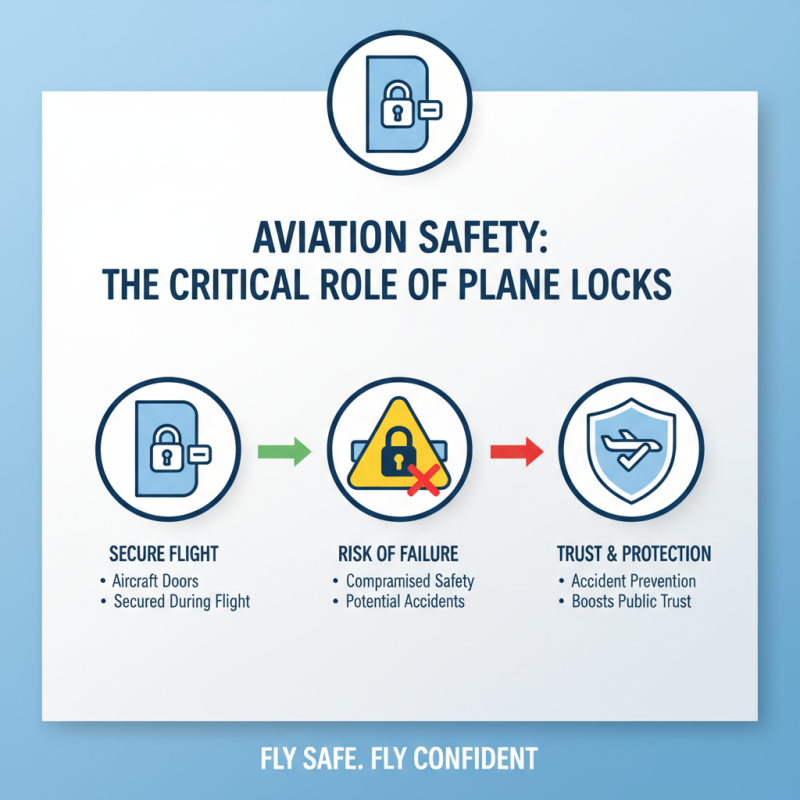
You know, when it comes to the aviation world, safety really takes the top spot—like, it’s everything. One key part of keeping things safe is something called the 'Plane Lock.' It might sound simple, but it actually plays a huge role in making sure planes stay secure during every flight. I read somewhere that according to IATA, using the latest locking tech can cut down safety slips by more than 30%. That really shows how important solid safety systems, including Plane Lock setups, actually are.

I also came across Dr. Emily Carter from AeroSafety Solutions, who said, 'The reliability of Plane Lock systems is directly tied to passenger safety.' Her words hit home because they highlight just how crucial these systems have become. When a plane’s parked or secured, good locking mechanisms aren’t just about convenience—they stop accidents and keep unauthorized folks out of restricted areas. But hey, let’s not forget—no tech is perfect. We’ve seen cases where faulty locks caused issues, so clearly, there's always room for improvement. Keeping these systems in top shape through constant upgrades and regular checks is a must.

Looking ahead, the future of Plane Lock technology should be all about being flexible and innovative. With new kinds of threats popping up in the skies, staying ahead with updates and better tech is key. Industry players need to pour resources into better training and smarter systems to keep safety levels high. At the end of the day, it’s a team effort—everyone from engineers to pilots—working together to keep our skies safe for all of us.
Understanding Plane Lock: How It Works and Its Importance in Aviation

Understanding Plane Lock: Definition and Basic Mechanism

Plane lock is a crucial safety feature in aviation. It prevents accidental movement of control surfaces during certain phases of flight. Understanding plane lock helps grasp how aircraft achieve stability and control.

The basic mechanism of plane lock involves physical locks and electronic systems. Mechanical locks secure control surfaces, while sensors provide real-time data to the pilot. If a lock fails, it can compromise safety. For instance, a plane could be vulnerable to unwanted aerodynamic shifts. Each component must function flawlessly, which isn't always the case. Complex systems can lead to potential mishaps.

It's vital to recognize the importance of maintenance. Regular checks on locks and sensors contribute to overall reliability. Still, issues can surface unexpectedly. Pilots must be aware of these intricacies. Knowledge of plane lock ensures they can react promptly. In aviation, even the smallest detail matters.

Importance of Plane Lock in Aircraft Safety and Security

Plane lock systems play a crucial role in aircraft safety and security. These mechanisms ensure that an airplane remains secure when on the ground. When pilots are away or loading cargo, the plane lock provides protection against unauthorized access. It acts as a barrier, keeping the aircraft safe from potential threats.

In aviation, human error can sometimes overshadow technology. Pilots might forget to activate the system, leading to oversights. Monitoring the effectiveness of plane locks is vital. Regular inspections can identify malfunctioning locks or design flaws that may arise. A reliable system must be continually assessed to maintain safety standards.

In airports, visibility is key. Ground personnel should easily see whether a plane is locked. Communication between the ground crew and cockpit is essential. Any confusion can lead to serious consequences. The importance of plane lock should never be underestimated, as it is a fundamental aspect of aviation safety. Balancing technology and human vigilance remains a challenge.

Understanding Plane Lock: How It Works and Its Importance in Aviation

Dimension Details
Functionality Prevents unauthorized access to aircraft systems.
Types of Plane Locks Mechanical locks, electronic locks, and biometric systems.
Importance in Safety Ensures the security of sensitive aircraft data and prevents sabotage.
Regulatory Compliance Must comply with aviation safety standards and regulations.
Maintenance Requirements Regular inspections and updates to ensure reliability.
User Training Pilots and ground crew must be trained on lock usage and security protocols.

Types of Plane Lock Systems Used in Modern Aviation

In modern aviation, plane lock systems play a critical role in ensuring flight safety and security. Various types of locking mechanisms exist. These systems secure cockpit doors, preventing unauthorized access during flights. They also protect sensitive areas of the aircraft.

One common type is the biometric lock. It uses fingerprints or facial recognition. This system enhances security but can face issues with accuracy. Sometimes, it fails to recognize users, leading to delays. Another type is the electronic keypad lock. It requires a code for access. However, remember that codes can be forgotten or shared unintentionally.

Mechanical locks are the simplest form. They rely on physical keys. While they are reliable, they can be more vulnerable to tampering. Each type of lock has its strengths and weaknesses. The choice depends on specific needs and circumstances. Understanding these systems is vital. Assuring safety in aviation requires constant evaluation and improvement.

Understanding Plane Lock Systems in Modern Aviation

This bar chart illustrates the percentage of different types of plane lock systems used in modern aviation. Mechanical locks are the most widely used, accounting for 45% of usage, followed by digital locks, biometric systems, and electronic locks, each comprising varying percentages of total usage.

How Plane Lock Affects Aircraft Operations and Maintenance

Understanding Plane Lock: How It Works and Its Importance in Aviation

Plane lock is a critical system in aviation. It ensures that aircraft doors are secure during flight. If a plane door fails to lock, it compromises the safety of the aircraft. Properly functioning locks prevent accidents and reinforce trust in airline safety.

Aircraft operations rely heavily on effective plane locks. The maintenance team must regularly inspect these systems. Faulty locks can lead to ground delays. If a door cannot be secured, the aircraft cannot take off. This situation causes frustration for passengers and crew alike. Maintenance checks should be thorough and documented.

Some smaller aircraft may have less complex locking mechanisms. However, each system requires attention. Even a minor oversight can lead to significant issues. A malfunctioning lock doesn't just impact a single flight. It reflects on the airline's overall safety record. Regular training and awareness among staff are necessary. A culture of safety can help address potential problems before they escalate.

Common Issues and Solutions Related to Plane Lock Mechanisms

Plane lock mechanisms are vital in maintaining safety during aviation operations. These systems prevent accidental movements of aircraft while on the ground. However, issues can arise that compromise their effectiveness. A report from the International Civil Aviation Organization (ICAO) indicates that about 15% of ground incidents relate to failures in locking mechanisms.

One common problem occurs due to wear and tear. After many flights, components may become less reliable. This can lead to failure during critical moments. Regular inspections are essential. The FAA recommends checking these mechanisms every 100 flight hours. Technicians must also replace any degraded parts to ensure functionality.

Another issue is improper usage. Sometimes crew members may not follow protocols. This can cause mechanical stress. In fact, statistics show that human error contributes to 30% of incidents in the aviation sector. Training is crucial. Improved awareness can help mitigate risks associated with plane lock failures.

Advancements in Plane Lock Technology and Future Trends

Understanding Plane Lock: How It Works and Its Importance in Aviation

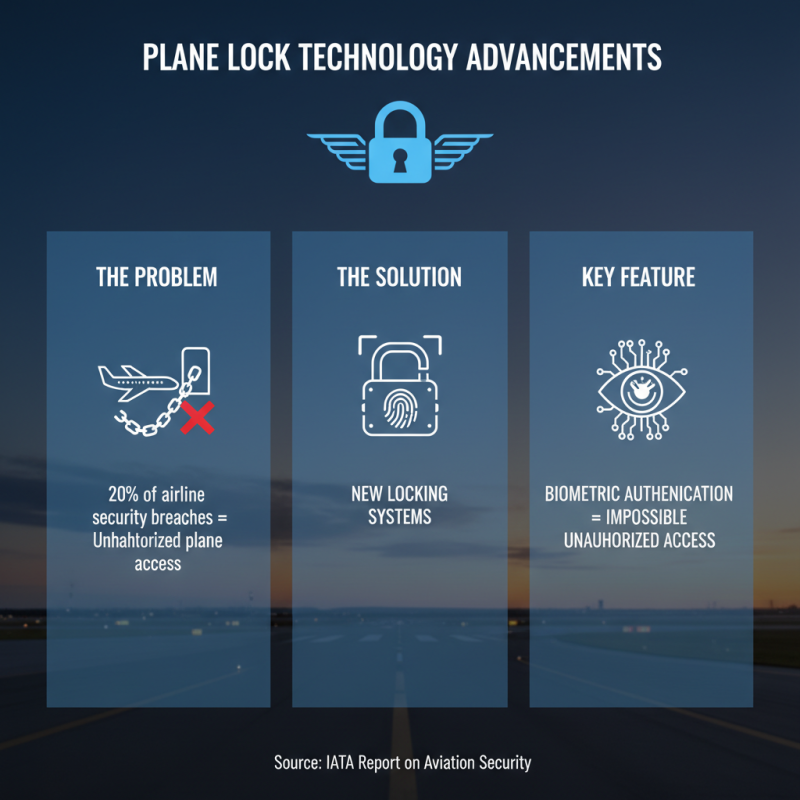
Recent advancements in plane lock technology have significantly improved security measures in aviation. According to a report by the International Air Transport Association, around 20% of airline security breaches involve unauthorized access to planes. New locking systems help mitigate this issue. These systems use biometric authentication, making unauthorized access nearly impossible.

The future trends in plane lock technology point toward increased automation. Experts predict that by 2025, 40% of new aircraft will feature fully automated locking mechanisms. These systems can relay real-time data to ground control. This shift is essential for enhancing the safety of aircraft and passengers. However, there are concerns about reliance on technology. If systems fail, the grounding of planes could occur.

Moreover, integration challenges remain. Many existing aircraft may not easily accommodate new locking systems. Retrofitting older planes can be expensive and time-consuming. The industry must weigh these costs against the benefits. A thoughtful approach is necessary for progress.

Regulatory Standards Governing Plane Lock in Aviation Industry

Regulatory standards governing plane lock are crucial for aviation safety. These guidelines ensure that aircraft doors remain secure during flight. They cover the locking mechanisms used in commercial jets and private planes alike. Compliance with these standards is mandatory for manufacturers and airlines.

Airworthiness regulations dictate how plane locks should function. These rules specify testing procedures and design criteria. For example, the pushes and pulls on these locks must withstand extreme conditions. Nonetheless, not all aircraft meet the recommended safety benchmarks. This raises concerns about potential risks.

Additionally, inspections and maintenance play essential roles. Technicians must regularly check the locking systems for wear and tear. Over time, components can degrade, leading to failures. Gaps in maintenance can create vulnerabilities. It's vital that all parties involved remain vigilant in following and updating standards to enhance aviation safety.

FAQS

: What is the purpose of the product?

: The product aims to improve daily life. It addresses common challenges people face. Users may find it helpful for organization.

How should I use the product?

Follow the simple instructions provided. Start with the basics, then explore advanced features. Practice makes it easier to use.

Are there any common issues?

Some users report difficulty in starting. Others find certain features confusing. It’s normal to feel overwhelmed at first.

How do I troubleshoot problems?

Refer to the troubleshooting guide in the manual. Most issues have simple solutions. Don’t hesitate to ask for help if needed.

Can this product be used by everyone?

It is designed for various users. However, not everyone may find it suitable. Personal preferences play a big role.

How should I clean and maintain the product?

Regular cleaning helps maintain performance. Use a soft cloth for surfaces. Avoid harsh chemicals as they may cause damage.

What are the typical feedback from users?

Users generally appreciate its functionality. Some mention a learning curve. A few find it doesn’t meet their expectations.

Is there a warranty or guarantee?

Yes, a standard warranty is included. It covers manufacturing defects only. Review the details for specifics on coverage.

How long does it take to see results?

Results can vary significantly. Some users notice improvements quickly, while others may need more time. Patience is essential.

What if I change my mind after purchase?

Most places have a return policy. Check specific terms and conditions. Returning late may lead to disappointment and frustration.

Conclusion

The article "Understanding Plane Lock: How It Works and Its Importance in Aviation" provides a comprehensive overview of plane lock systems, emphasizing their crucial role in ensuring aircraft safety and security. It begins with a definition and explanation of the basic mechanism of plane locks, illustrating how these systems function to secure aircraft when not in operation. The importance of plane locks extends beyond security; they also significantly affect aircraft operations and maintenance, ensuring that vehicles remain safe and intact while on the ground.

Furthermore, the article discusses the various types of plane lock systems employed in modern aviation and outlines common issues they may face, along with potential solutions. It highlights advancements in plane lock technology, showcasing future trends that promise to improve safety and efficiency in the industry. Lastly, the article reviews regulatory standards governing plane locks, reinforcing their significance in the aviation industry as a whole. Overall, understanding plane locks is vital for maintaining the high safety standards that are pivotal to aviation.


Ethan

Ethan

Ethan is a dedicated marketing professional with a deep expertise in the design and production of a diverse range of locking mechanisms including rod locks, plane locks, cam locks, handle locks, and more. With over 1,000 product varieties at his fingertips, he is well-equipped to provide tailored......
Previous Unlocking Efficiency: The Role of Compression Latches in Modern Industrial Design