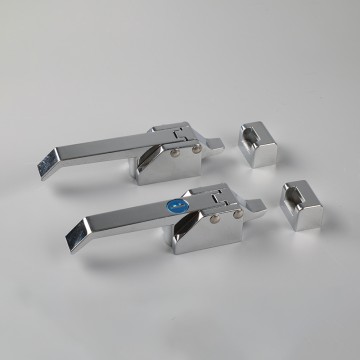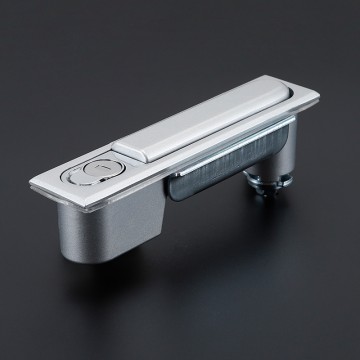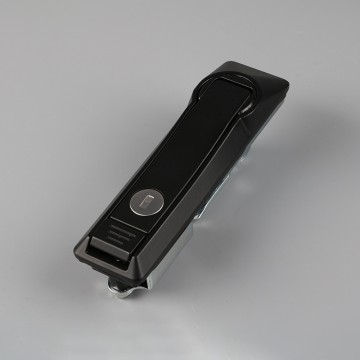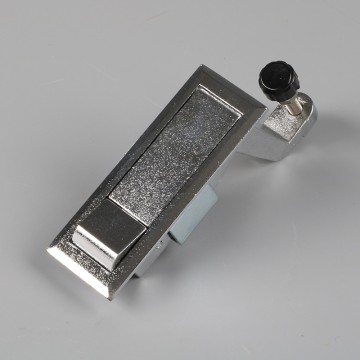
 Rod lock
Leave Your Message
Designed for immediate deployment across power grids, server racks, heavy machinery, and field telecommunication units.
Understanding the transition from basic mechanical closures to advanced, vibration-tested physical access architectures.
In modern industrial facilities, process automation networks, high-voltage substations, and edge computing enclosures, the humble cabinet lock has transformed from a passive hardware latch into a mission-critical line of defense. The rapid proliferation of Industry 4.0 architectures, unmanned outdoor installations, and sophisticated renewable energy storage solutions demands locking hardware that simultaneously withstands destructive environmental exposure, deliberate mechanical tampering, and continuous dynamic stresses.
Industrial cabinet locks serve a multi-dimensional purpose: ensuring IP (Ingress Protection) and NEMA sealing continuity, preventing unauthorized access to high-voltage or sensitive control hardware, and maintaining human operator safety through strict compliance with Lockout/Tagout (LOTO) and machinery directive regulations. When enclosures house variable frequency drives (VFDs), programmable logic controllers (PLCs), or multi-megawatt battery management systems, a mechanical latch failure is not merely an inconvenience—it can cause thermal de-rating, environmental contamination, catastrophic arc flash incidents, or costly unbudgeted facility downtime.
High-integrity polyurethane and EPDM continuous gaskets combined with compression locking levers deliver reliable IP65/IP66 barrier integrity against moisture, corrosive salt air, and airborne dust particles.
Uniformly disperses compressive closure loads across tall enclosure doors, preventing door panel warping, maintaining thermal seal consistency, and neutralising seismic vibrations.
High-grade zinc alloy die-casting (Zamak 3/5), marine-grade AISI 316 stainless steel components, and advanced multi-stage powder coatings withstand intensive salt spray tests.
The industrial hardware sector is experiencing an unprecedented convergence of mechanical durability and digital access control intelligence. Several key engineering trends define the current innovation trajectory:
Different industrial operating environments exert vastly different mechanical and chemical stresses on locking mechanisms. Ensuring operational continuity requires selecting the exact locking architecture matched to each specific application scenario:
Modern utility-scale solar farms and containerized BESS installations endure desert heat, freezing nights, and corrosive sandstorms. Outdoor inverter enclosures require compression plane locks and multi-point rod control locks equipped with UV-resistant foamed silicone gaskets. The lock must guarantee airtight compression to preserve internal HVAC cooling efficiency, prevent condensation, and safeguard lithium battery modules against catastrophic thermal runaways caused by external environmental ingress.
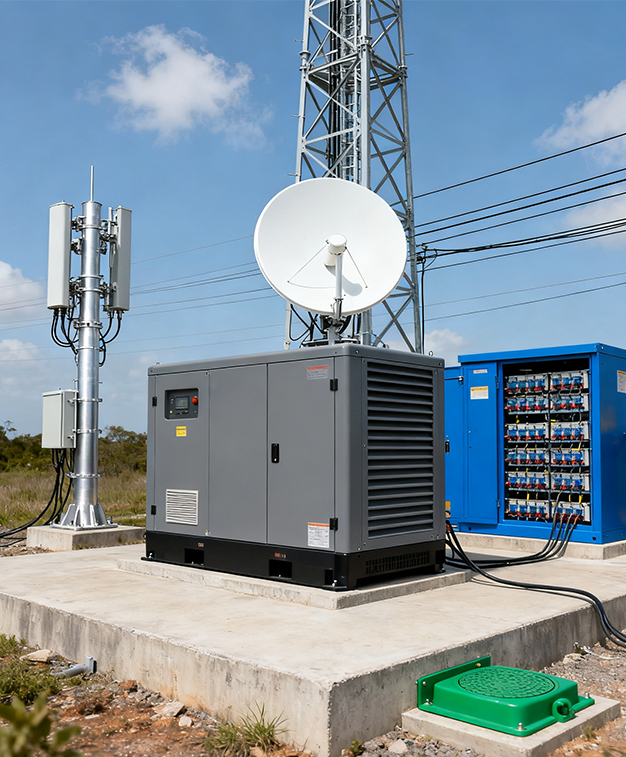
With 5G macro base stations mounted on exposed rooftops and roadside utility poles, outdoor telecom cabinets face unpredictable weather, unauthorized tampering, and vandalism. Swing handles and high-security cylinder cam locks featuring pick-resistant barrel profiles and anti-drill hardened zinc alloy housings are mandatory. Within hyperscale indoor server rooms, low-profile plane locks with interchangeable master keying and electronic access integration maintain strict regulatory data isolation.
Under-floor auxiliary converters, train door control units, and driver cab instrumentation panels endure continuous mechanical shock, longitudinal deceleration impulses, and track-induced vibration. Heavy-duty zinc alloy hinges and mechanism plane locks provide robust clamp forces and structural retention, ensuring that inspection panels remain securely locked regardless of centrifugal forces or pressure waves encountered in high-speed rail tunnels.
Mud-logging units, directional drilling control panels, and offshore drilling platforms expose hardware to drilling mud, abrasive slurry, hydraulic oils, and volatile chemical fumes. Heavy buckle locks and industrial-grade plane locks manufactured from high-tensile zinc alloys and stainless steel fasteners maintain mechanical engagement despite heavy grit accumulation, extreme moisture, and direct high-pressure washdown protocols.
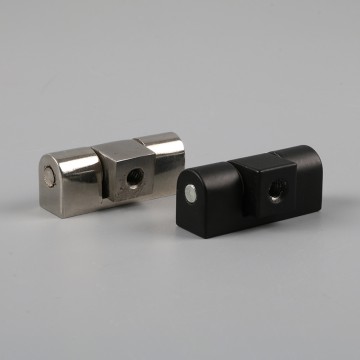
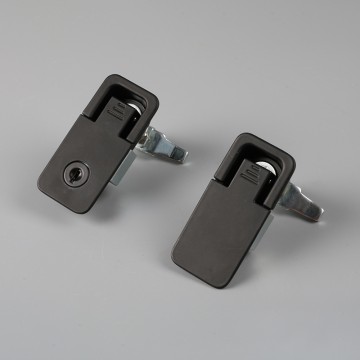
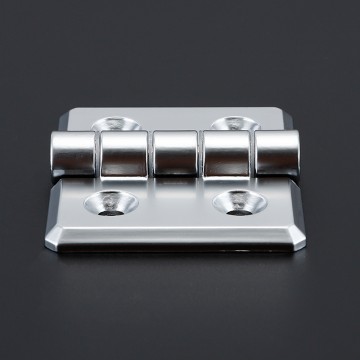
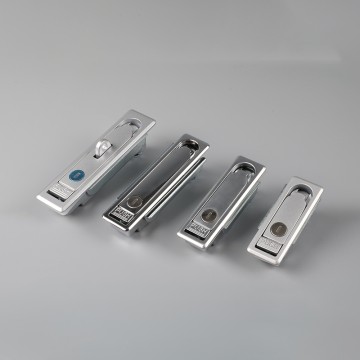
Our core expertise encompasses the design and production of Rod Locks, Plane Locks, Cam Locks, Handle Locks, Handles, Hinges, and Buckle Locks, offering clients over 1,000 product varieties.
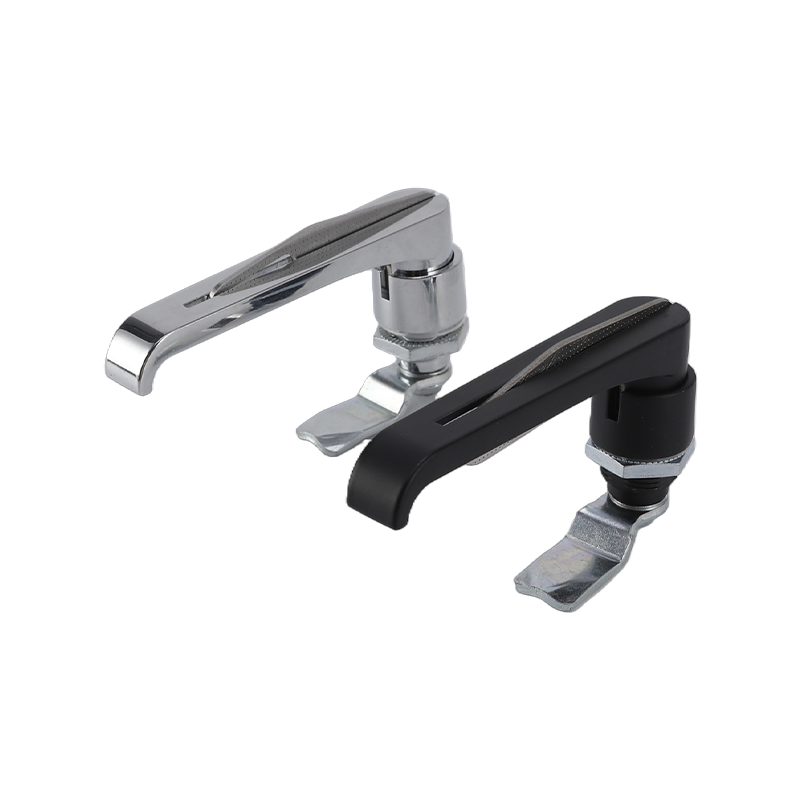
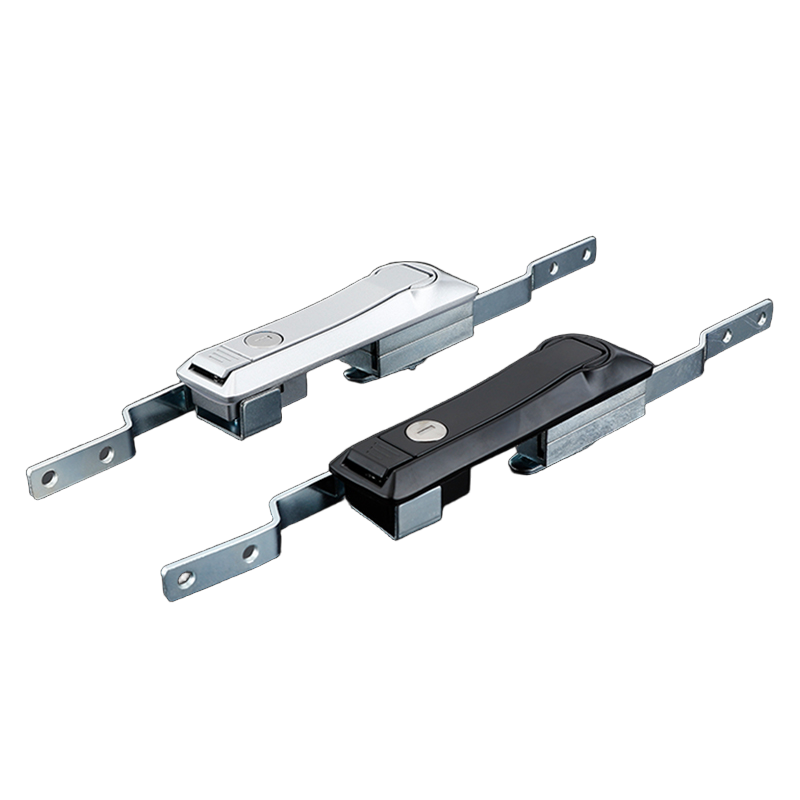
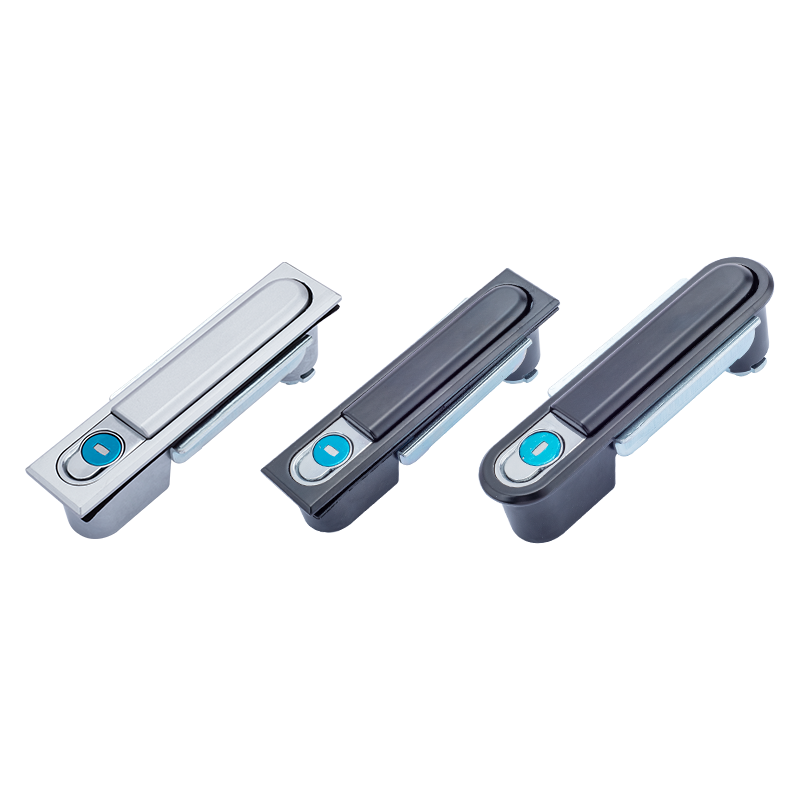
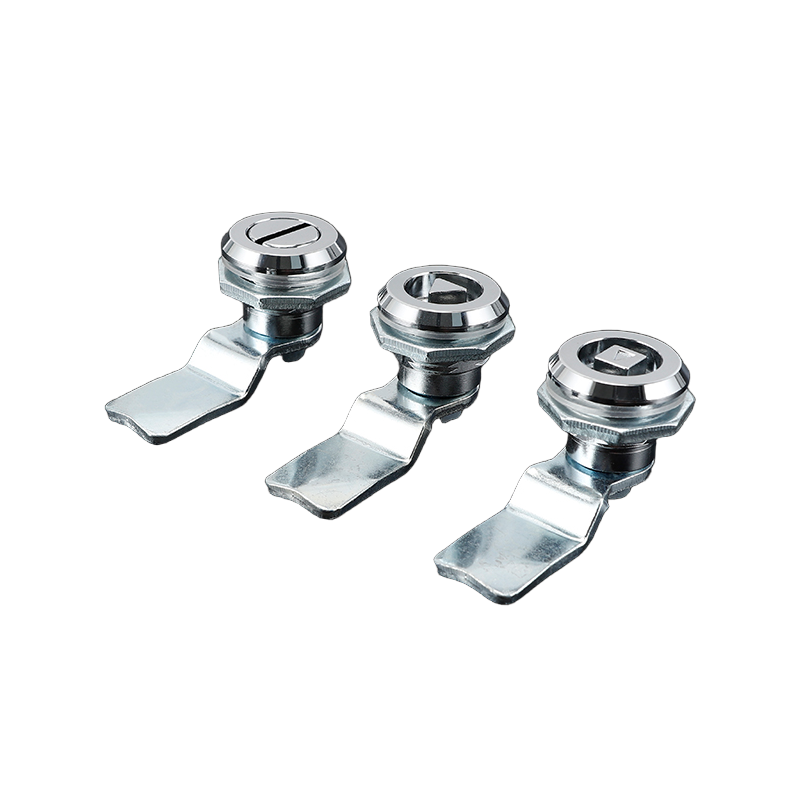
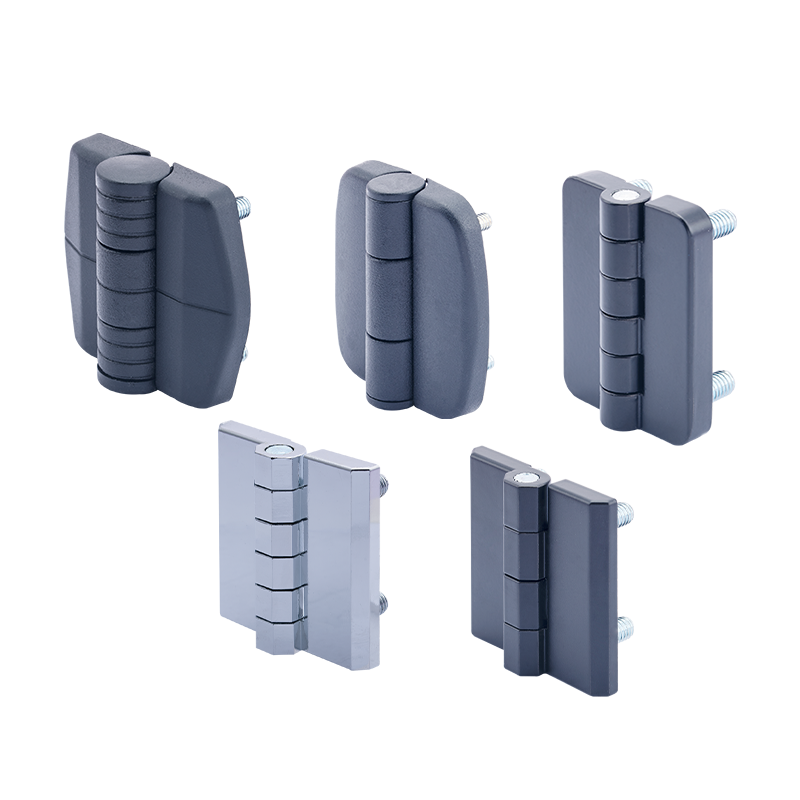
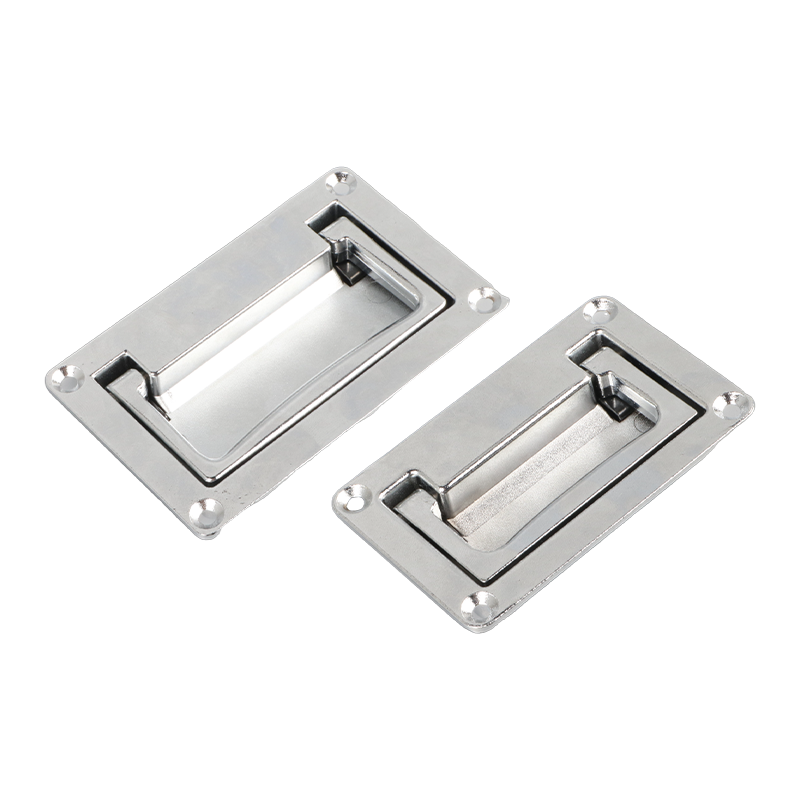
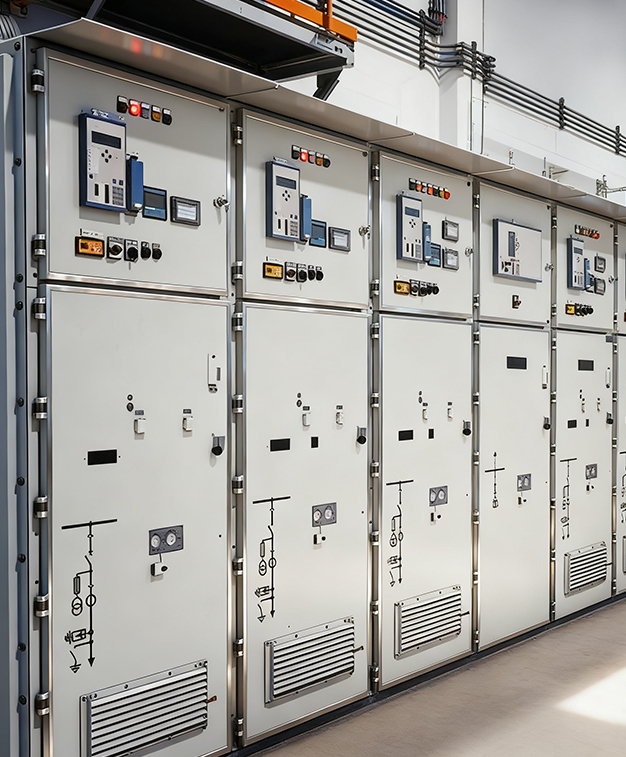
We focus on industrial power cabinets, automobiles and transportation, industrial machinery and equipment, network chassis and cabinets, etc.


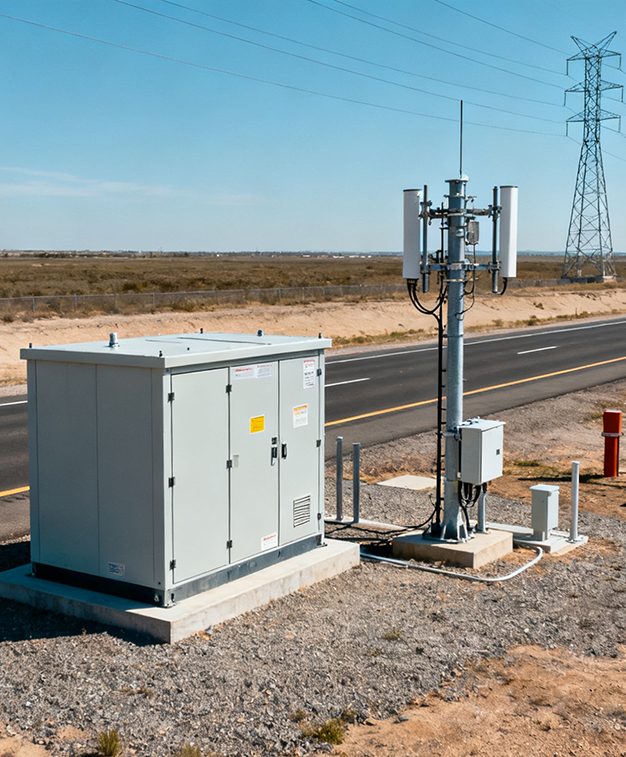

Precision manufacturing, environmental endurance validation, and strict quality control.
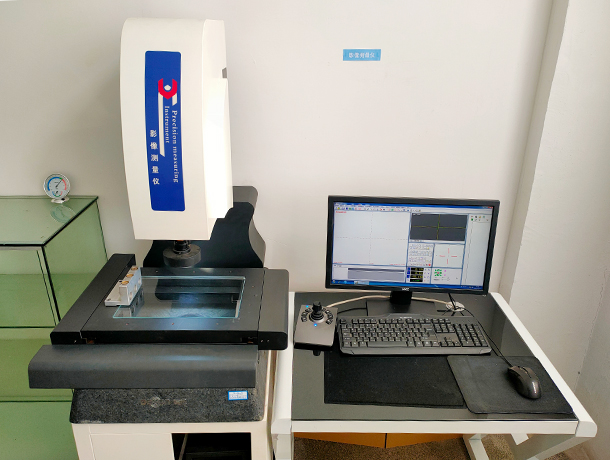
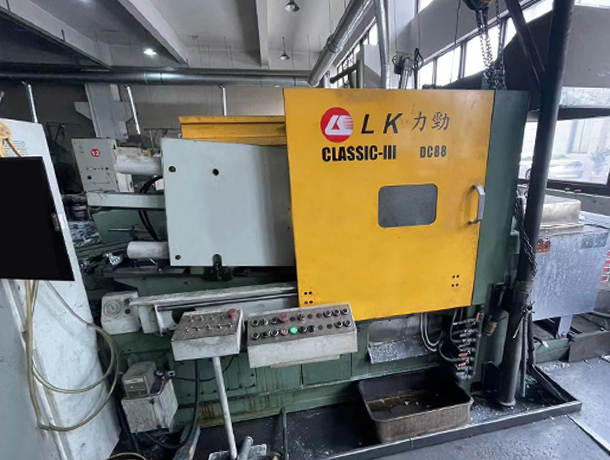
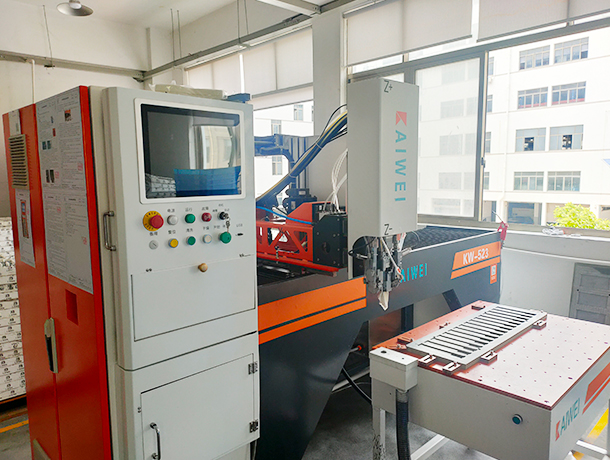
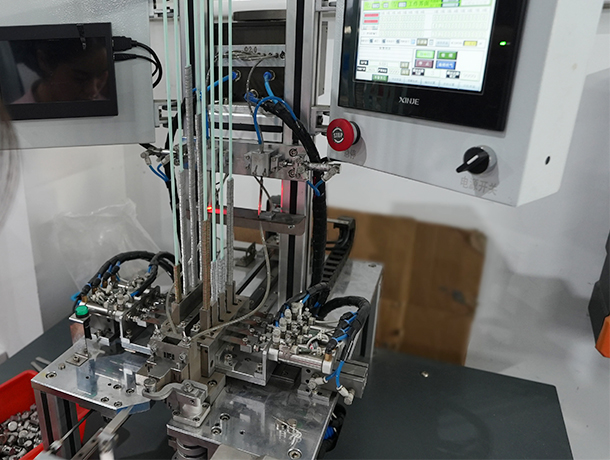
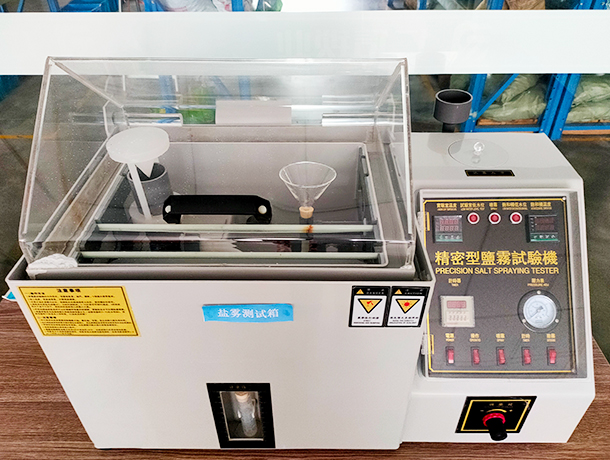
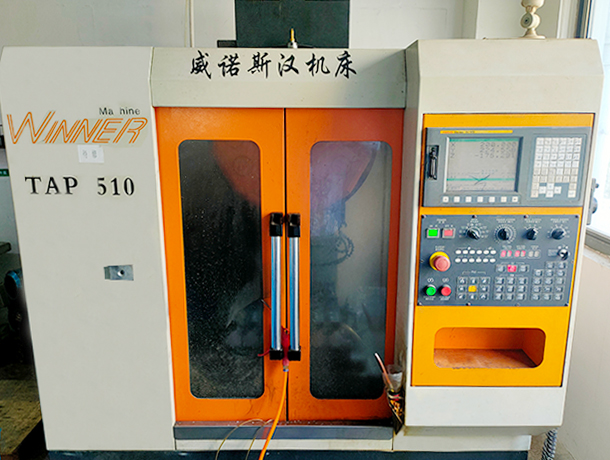
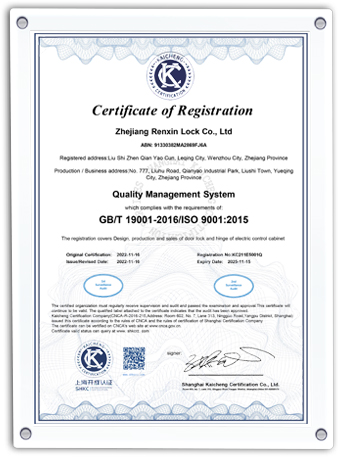
Fully compliant with ISO9001 standards and certified under rigorous international safety and durability testing protocols.
Superior industrial locks with durability, competitive pricing, and rapid delivery. Backed by expert support, we provide reliable security solutions that keep your operations safe and efficient.
Based on ISO9001 quality system standards, meticulously monitor every production step, and continuously improve to build reliability and superior performance into every product, ensuring it exceeds customer expectations.
We provide rapid response, technical support, and reliable solutions to ensure your security and operational continuity.
We provide high-quality, durable locks at competitive prices.
We deliver reliable security solutions quickly to keep your operations running smoothly. Speed and service you can count on.
High-durability latching, multi-point transmission, and hinge components engineered for industrial cabinets.