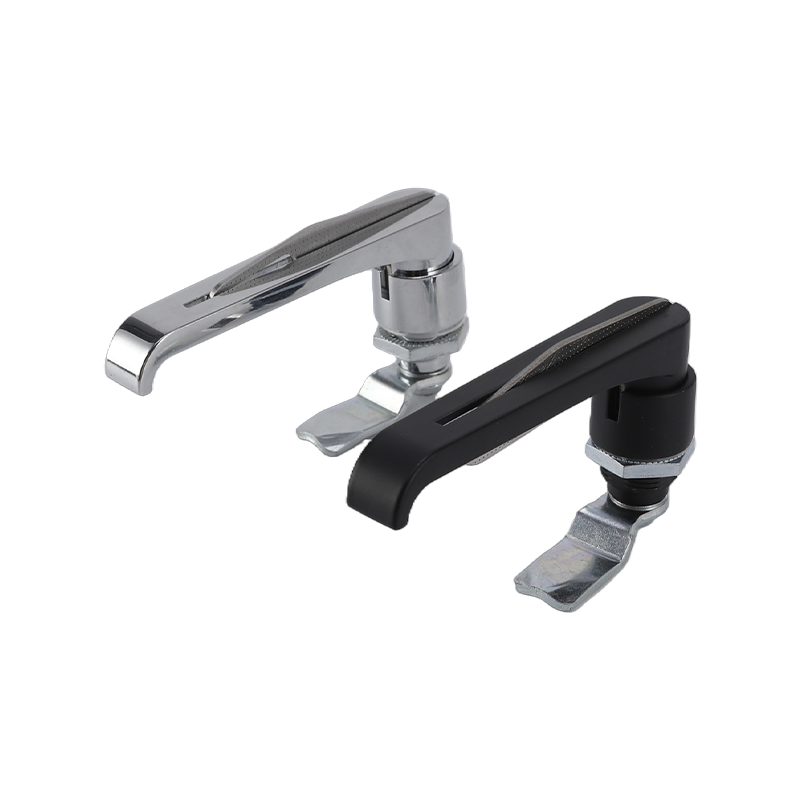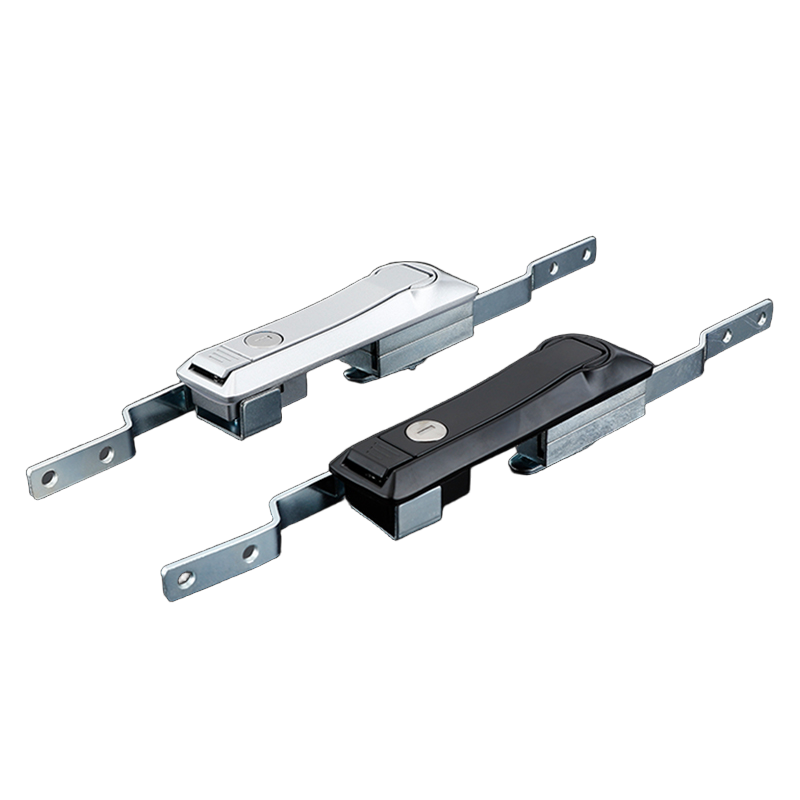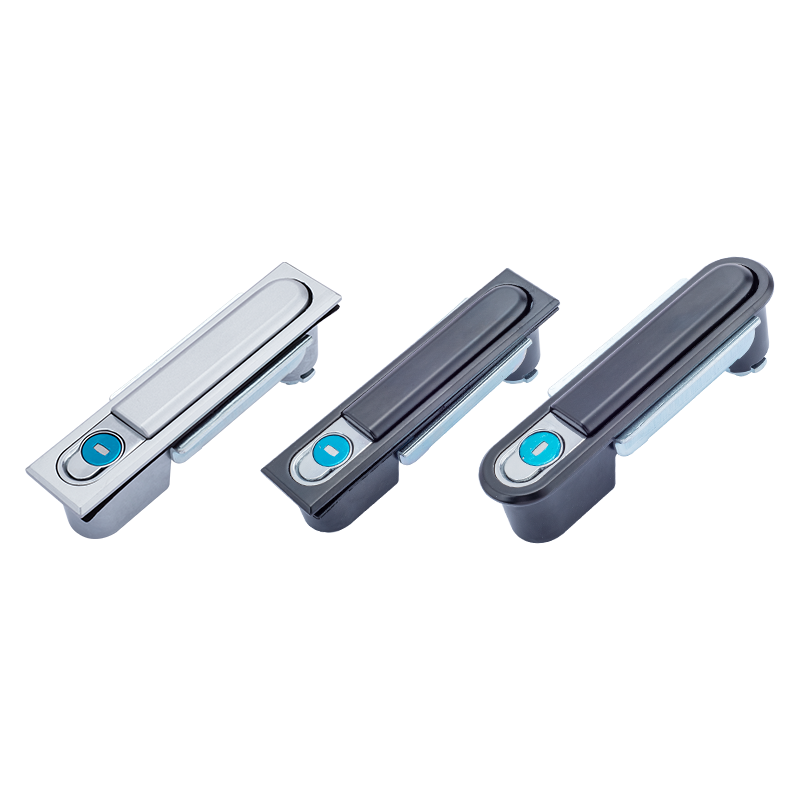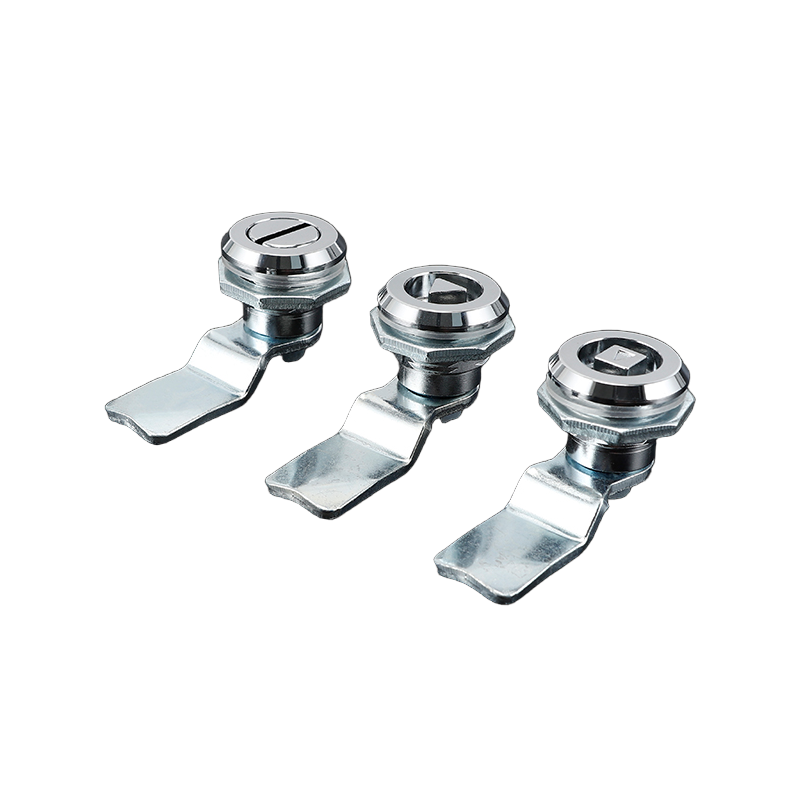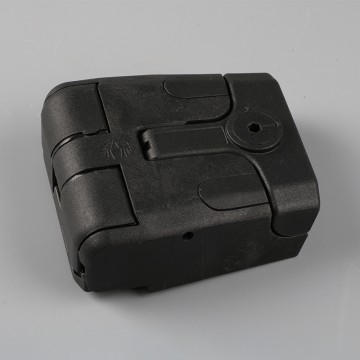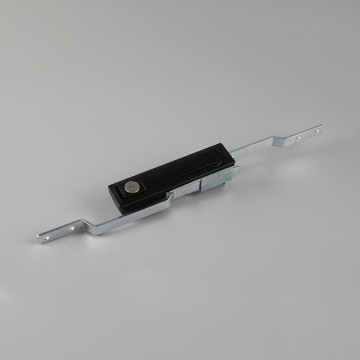
 Rod lock
1. The Strategic Role of the Industrial Small Hinge in Modern Outdoor Enclosure Architecture
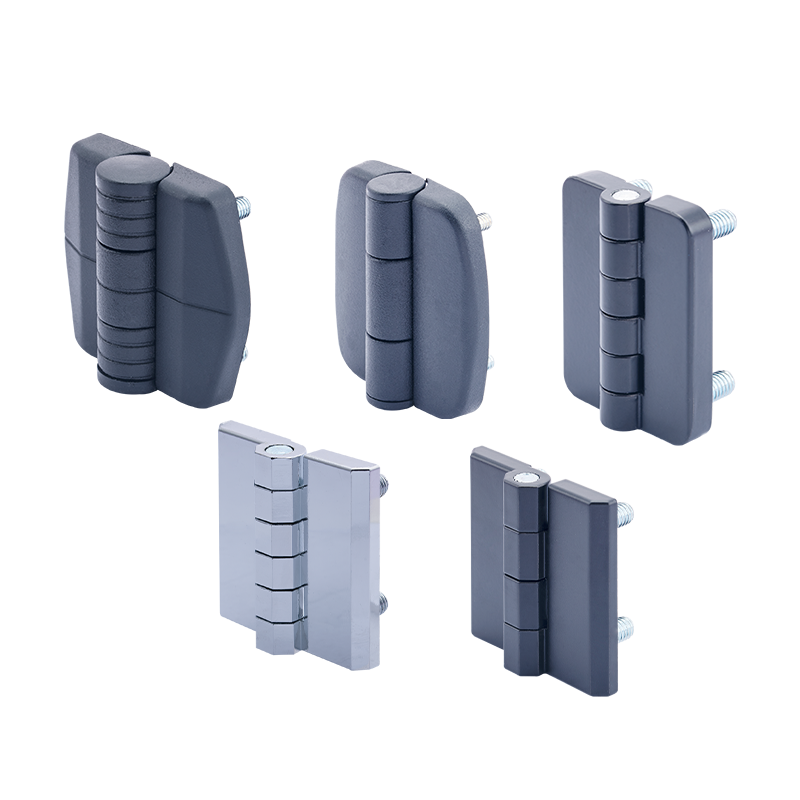
In the contemporary landscape of industrial infrastructure, electronic packaging, and peripheral automation, the mechanical integrity of an outdoor enclosure relies directly on its smallest components. While system architects frequently focus on ingress protection ratings, electronic shielding, and thermal dissipation materials, the mechanical interface—specifically the industrial small hinge for outdoor enclosure systems—governs the sustained operational life and field reliability of the entire assembly. A cabinet door that sags by a mere fraction of a millimeter over five years of seasonal thermal cycling compromises gasket compression, breaches ingress sealing, and exposes multi-million-dollar microelectronics to atmospheric moisture, particulate pollution, and corrosive gases.
Outdoor enclosures deployed across smart energy grids, roadside transportation monitors, solar photovoltaic combiner boxes, and distributed edge computing units endure relentless environmental stress. These compact enclosures demand hinges that occupy a minimal structural footprint while delivering uncompromising mechanical strength. Unlike indoor architectural hinges, an industrial small hinge must withstand dynamic wind-buffeting shear loads, high-amplitude mechanical vibration from rail or automotive corridors, relentless solar ultraviolet (UV) radiation, and galvanic corrosion from salt spray or petrochemical fog.
Precision Compression
Maintains consistent 25% to 35% elastomeric gasket deflection across 20,000+ open-close cycles without structural sag.
Environmental Shielding
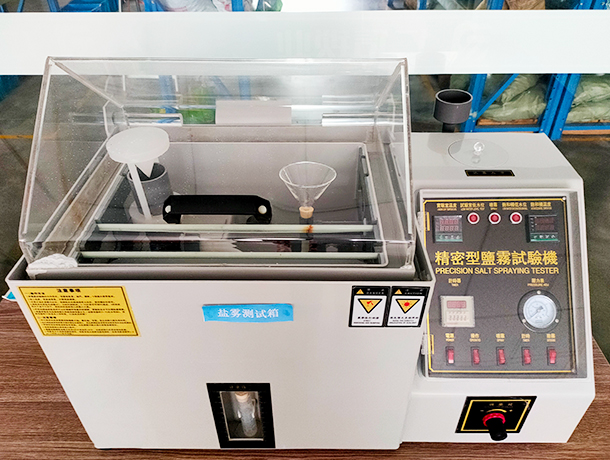
Optimized for severe marine and industrial atmospheres, passing 500+ hours of ASTM B117 neutral salt spray evaluation.
Vandal & Tamper Defense
Concealed pin architectures and shear-resistant pin fasteners engineered to thwart forced entry and sabotage attempts.
2. Commercial Dynamics and Industrial Market Evolution
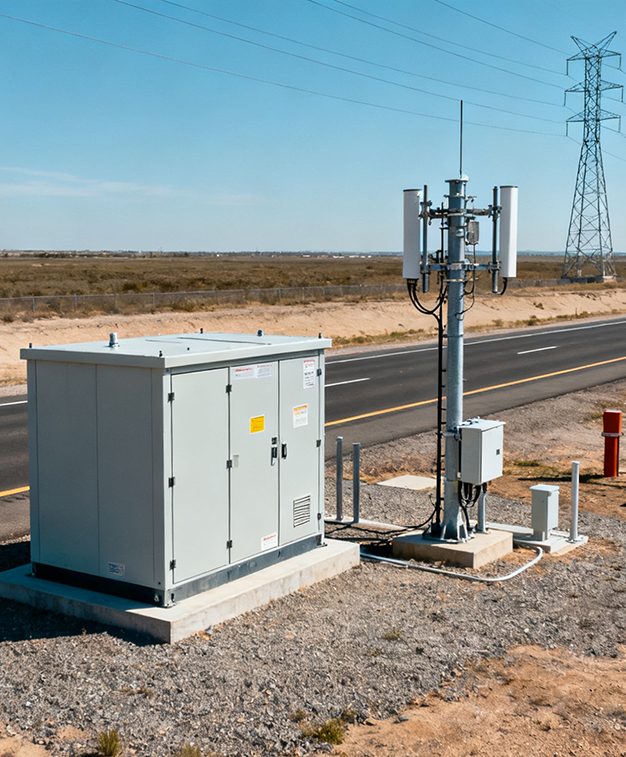
The global demand for compact outdoor enclosures is experiencing unprecedented acceleration, driven directly by macro-trends in distributed telecommunications (5G and edge wireless microcells), electric vehicle (EV) charging infrastructure, smart solar/wind energy aggregation, and industrial IoT (IIoT) sensors. According to industrial hardware market analyses, the deployment of outdoor electrical enclosures is transitioning from massive centralized shelters to decentralized, high-density modular boxes installed on utility poles, roadside gantries, marine ports, and remote desert installations.
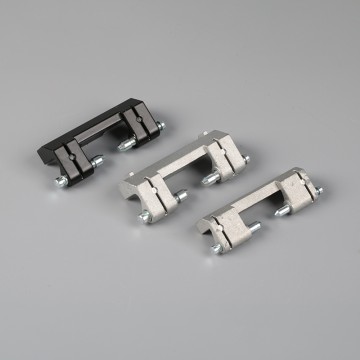
This structural miniaturization places stringent requirements on hinge engineering. Designers can no longer accommodate bulky, protruding external leaf hinges that compromise aesthetic profiles and create leverage points for vandals. Instead, the market demands high-strength, low-profile industrial small hinges fabricated from zinc die-cast alloys or marine-grade austenitic stainless steel. Simultaneously, OEM enclosure manufacturers are under pressure to reduce field assembly times, creating a sharp demand surge for tool-less removable hinges, lift-off mechanisms, and reversible door configurations that simplify installation in confined outdoor spaces.
Market Insight: The Edge Infrastructure Transition
Compact outdoor cabinets housing edge processing units and power distribution systems must guarantee continuous 10-to-15-year lifespans with zero scheduled maintenance. The failure of a single exterior hinge pin due to atmospheric galling or stress corrosion cracking can cause localized seal degradation, resulting in water pooling, component short-circuiting, and catastrophic telecom downtime. Specifying certified industrial small hinges engineered specifically for outdoor enclosures is no longer an afterthought—it is a critical design mandate.
3. Metallurgical Selection and Environmental Degradation Mitigation
Material science lies at the very heart of hinge durability when exposed to outdoor microclimates. An industrial small hinge for outdoor enclosure systems must be selected based on rigorous chemical and mechanical criteria:
Austenitic Stainless Steels (AISI 304 & AISI 316)
For installations in extreme coastal, offshore, or high-humidity tropical zones, austenitic stainless steels provide unmatched resistance against pitting and crevice corrosion. Grade 304 delivers exceptional strength and general weatherability for standard urban and semi-industrial deployments. However, in environments with airborne chloride concentrations—such as coastal solar arrays or marine navigation controls—Grade 316, enriched with 2% to 3% molybdenum, is vital to prevent intergranular micro-fissuring and catastrophic pin seizure.
High-Pressure Die-Cast Zinc Alloys (Zamak Series)
High-grade zinc alloy hinges (such as Zamak 3 and Zamak 5) offer the optimal balance between high tensile strength, dimensional precision, and cost effectiveness. When engineered for outdoor enclosures, zinc alloy hinge leaves undergo multi-stage surface treatments, including zinc phosphate pre-treatment followed by thermoset polyurethane powder coating or advanced electro-deposition (E-coating). This multi-barrier barrier finish ensures that the underlying alloy remains insulated from moisture, acid rain, and UV degradation.
Reinforced Polyamide (PA66-GF30) Engineering Polymers
In environments where electrical insulation, non-sparking characteristics, or complete immunity to galvanic corrosion are non-negotiable (such as chemical processing or railway trackside signalling), glass-reinforced polyamide polymers are increasingly utilized. UV-stabilized PA66 hinges offer substantial weight reductions, integrated color aesthetics, and maintenance-free operational self-lubrication without requiring grease that could attract dust and airborne debris.
| Material Type | Yield Strength (MPa) | Corrosion Resistance | UV Stability | Typical Application Scenario |
|---|---|---|---|---|
| Stainless Steel 316 (CL230) | 290 - 320 | Exceptional (Marine Grade) | Permanent / Total | Offshore wind, coastal telecom, marine automation |
| Zinc Alloy E-Coated (HL019) | 280 - 340 | High (500hr Salt Spray) | Excellent (Polymer Coated) | EV charging pillars, smart grid distribution kiosks |
| Reinforced PA66 (PA Hinge) | 150 - 180 | Impervious to Oxidation | UV-Stabilized Grade | Chemical plants, trackside instrumentation, solar boxes |
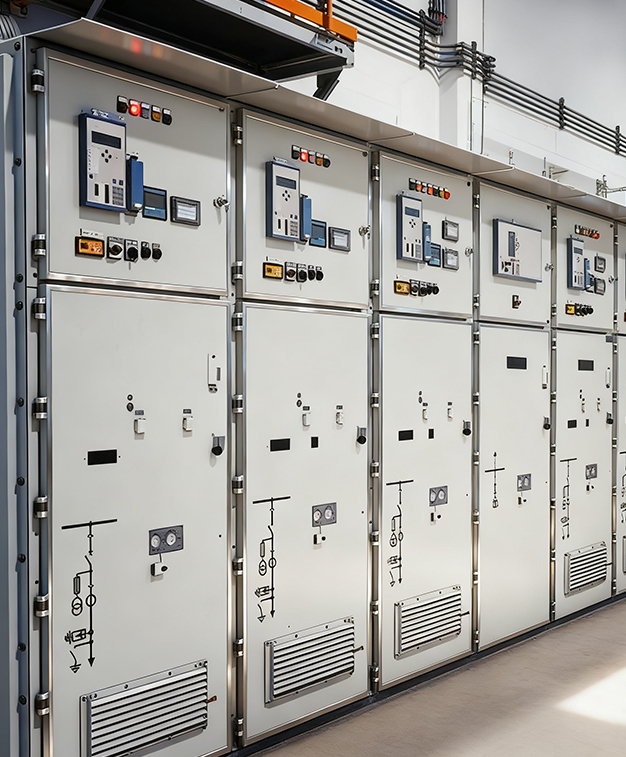
| Removable Pin Steel (CL201) | 310 - 360 | Medium to High (Passivated) | Total | Modular power switchgear, field-serviceable racks |
4. Kinematics, Gasket Compression, and IP Enclosure Sealing Mechanics
The primary thermodynamic function of an outdoor enclosure hinge is not merely facilitating 180-degree or 120-degree door swing—it is providing continuous, calibrated compression against the resilient perimeter gasket (EPDM, silicone, or foamed polyurethane). Achieving IP65, IP66, or NEMA 4X compliance requires that the closed door exerts uniform sealing pressure around all four perimeters.
When an inferior hinge undergoes micro-deformation under the cantilever weight of a door mounted with heavy cooling fans or industrial displays, the hinge-side gasket experiences localized decompression. Rainwater driven by high wind speeds (such as in hurricane or gale-force conditions) exploits this pressure deficit, penetrating through capillary action. Precision-machined industrial small hinges incorporate offset pivot geometry, robust pivot pins with tight radial tolerances (+/- 0.05 mm), and integrated rotational stops that prevent door sagging and ensure zero loss of gasket compression across decades of deployment.
5. Deep Application Scenarios: Where Failure Is Not an Option
Industrial small hinges for outdoor enclosures operate in environments that test the absolute physical limits of materials science:
5G Telecommunication Micro-Nodes & Wireless Gateways
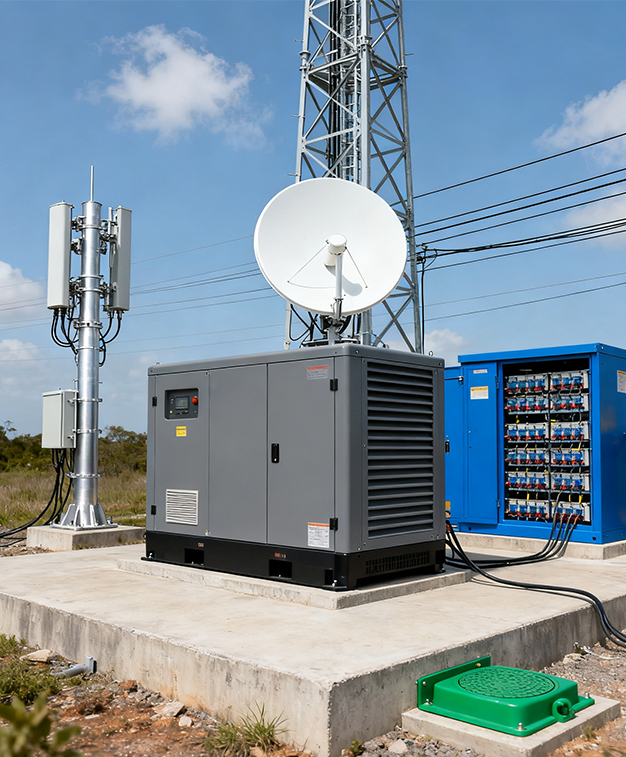
Distributed 5G antennas and remote radio heads (RRH) mounted on towers or high buildings are subject to continuous aerodynamic vibration and high solar radiation. Compact hinges installed in these radio cabinets must resist vibrational loosening of fasteners while preserving electromagnetic compatibility (EMC) via conductive bonding or non-interfering isolation.
Photovoltaic Inverters and Battery Energy Storage Systems (BESS)
Solar combiner units deployed in utility-scale desert farms face 45°C ambient temperatures during midday, dropping sharply to sub-zero levels at night. Hinges must accommodate these massive thermal contraction-expansion cycles without binding or fracturing, ensuring that technicians can easily access internal DC disconnects and string fuses.
Electric Vehicle Fast-Charging Infrastructure
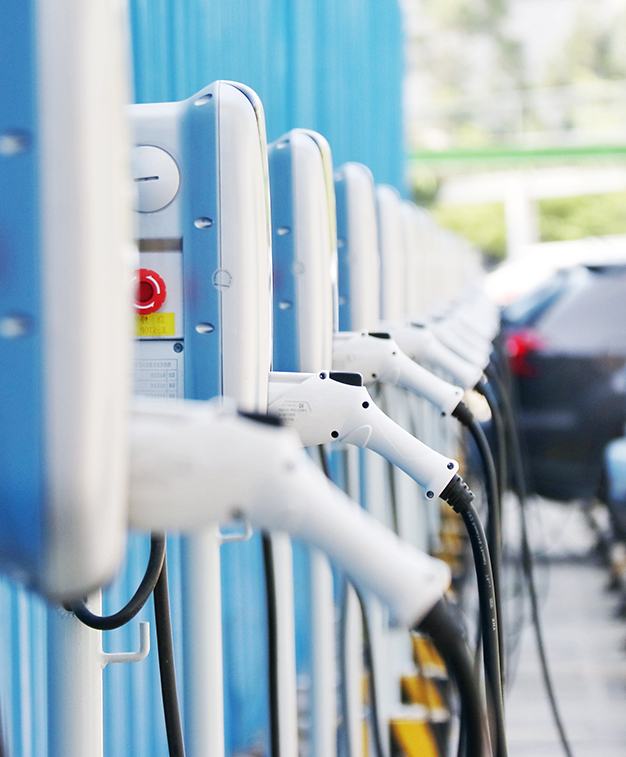
Commercial DC fast chargers operating in public parking lots require vandal-resistant construction combined with sleek, consumer-friendly aesthetics. Small concealed hinges eliminate exposed fixings, protecting critical high-power conversion modules against physical assault and weather ingress alike.
Railway Trackside Signalling and Positive Train Control (PTC)
Cabinets positioned alongside heavy rail lines absorb intense ground shockwaves and magnetic fields every time a locomotive passes. High-performance industrial small hinges maintain their rotational axis and latch alignment despite multi-axis g-force shocks.
6. Future Horizons: Smart Hardware and Additive Precision Metallurgy
As the industrial world integrates artificial intelligence and predictive asset management into field infrastructure, the humble enclosure hinge is likewise evolving. Next-generation hinges are incorporating embedded IoT micro-sensors capable of logging door open/close events, sensing micro-vibrations, and reporting door tilt angles to remote telemetry control systems. Concurrently, precision metal injection molding (MIM) and additive manufacturing are enabling internal lubrication channels and micro-lattice internal cores that decrease weight while increasing torsional rigidity.
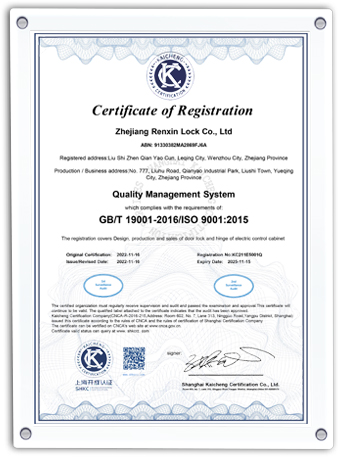
At Zhejiang Renxin Lock Co., Ltd., we continually align our hardware development with these emerging frontiers, ensuring that every industrial small hinge, rod control lock, and plane latch delivers flawless mechanical synergy for your most critical outdoor assets.