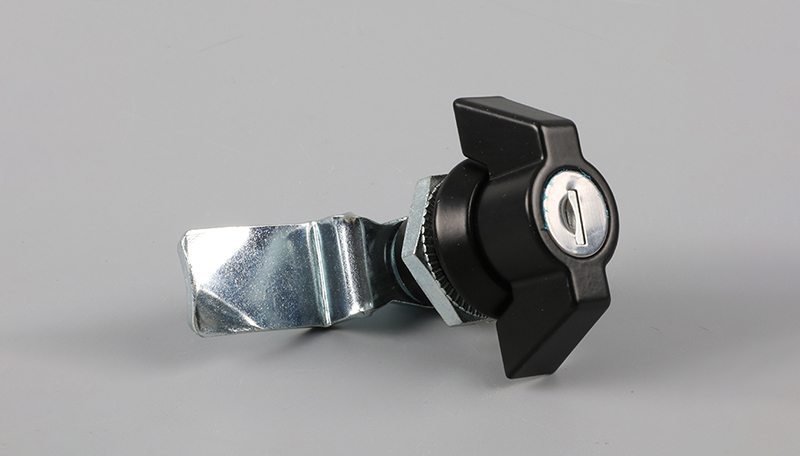
Cam locks are widely used in a variety of industries and applications due to their versatility and ease of use. You might see them installed in cabinets, lockers, safes, office furniture, and even vending machines. However, if you’re considering purchasing or replacing a cam lock, you might be wondering, “Are cam locks universal?” In this article, we’ll answer this question in detail and provide additional insights to help you make an informed decision.
Understanding Cam Locks: Are They Universal?
Cam locks are not universal. While they share a similar design, they vary by size, keying, material, and mechanism, depending on the application. A cam lock for a file cabinet may not fit a locker or vending machine. Key differences include:
●Dimensions and Sizes:Cylinder lengths (e.g., 16mm, 20mm, 30mm) and cam arm lengths vary. Choosing the right size depends on material thickness. An incorrect fit may compromise security.
●Keying Options:Cam locks can be keyed alike (same key for multiple locks), keyed differently (unique keys each), or master keyed (one master opens all). Your choice depends on access needs.
●Material and Finish:Common materials include zinc alloy, brass, or stainless steel. Each offers different durability and appearance. Finish also varies to match product aesthetics.
●Locking Mechanisms:Some cam locks use physical keys, while others rely on electronic or combination systems. These differences mean not all locks are interchangeable.
Because of these variations, always check specifications before purchasing or replacing a cam lock.
FAQs About Cam Locks
Are Cam Lock Keys Universal?
While some manufacturers produce cam locks with universal keys for convenience, this is not always the case. If your locks are keyed alike, a single key can operate all of them. However, keyed differently locks require separate keys. Always check the keying arrangements when purchasing locks to ensure they meet your needs.
How to Replace a Cam Lock?
Replacing a
cam lock is relatively straightforward:
●Remove the Old Lock – Use a screwdriver to loosen the retaining nut or clip, then slide the lock out.
●Check Compatibility – Measure the cylinder length and cam arm size to ensure the new lock fits your material thickness.
●Install the New Lock – Insert the new lock, secure it with the retaining nut or clip, and test it with the key.
Are Cam Locks Interchangeable?
In some cases, cam locks can be interchangeable, but this greatly depends on the specifications, such as the diameter of the cylinder hole, cam arm length, and locking mechanism. Always verify the measurements and locking compatibility before attempting to interchange them.
How Do I Know What Size Cam Lock I Need?
To determine the correct size for your application: - Measure the Thickness of the Material the lock will pass through. - Consider the Length of the Cylinder, ensuring it extends slightly beyond the material for secure locking. - Account for the Cam Arm Size to confirm it will properly secure the connection. If you're replacing an existing cam lock, matching its dimensions with those of the new lock simplifies the process.
Other Factors to Consider When Choosing a Cam Lock
Beyond the basics of size and keying options, consider the following when choosing a cam lock:
1. Security Needs High-value items may need cam locks with advanced features, such as a tubular key design or electronic mechanisms, to provide enhanced security.
2. Durability Outdoor applications require cam locks made of weather-resistant materials like stainless steel. Indoor applications may suffice with zinc alloy or brass materials.
3. Ease of Installation Some cam locks are easier to install than others, so check the installation instructions or consult a locksmith if necessary.
4. Cost and Convenience Some cam locks are designed to be cost-effective for bulk use, such as in office furniture, while others cater to niche, high-security applications. Select what fits your budget and purpose.
Conclusion
Cam locks may look alike, but they are not all interchangeable. Sizes, materials, keying options, and locking mechanisms vary. When buying or replacing one, measure carefully and consider your specific application needs to ensure proper fit and function. Understanding these details helps you choose the right lock for the right level of security. If unsure, consult a professional.


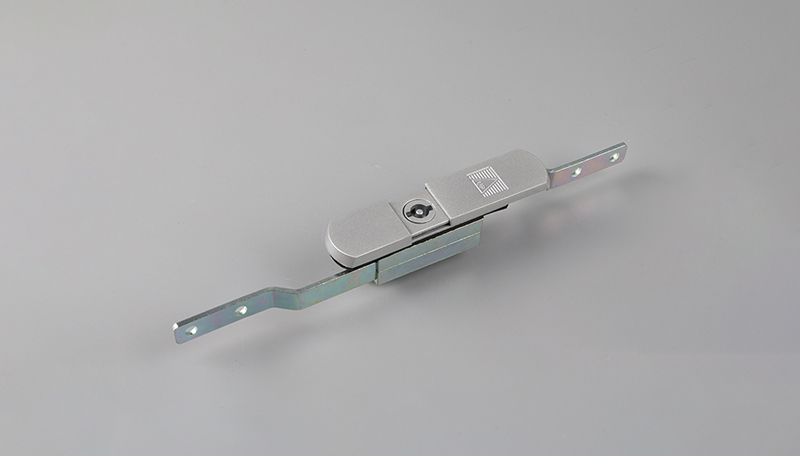
 Rod lock