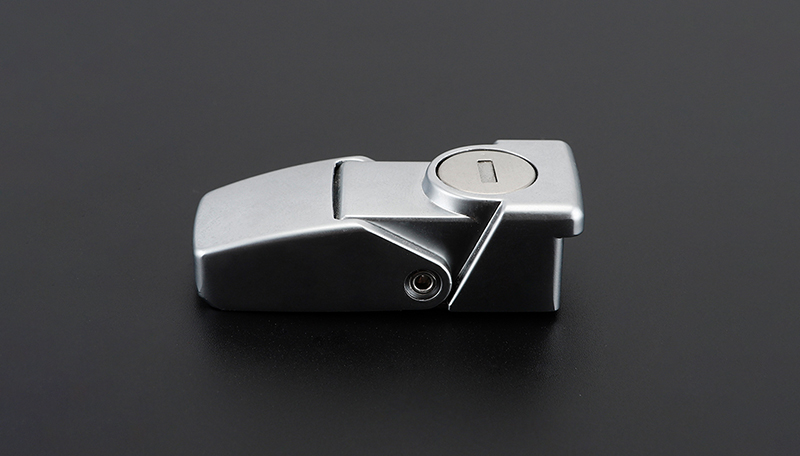
Rod lock

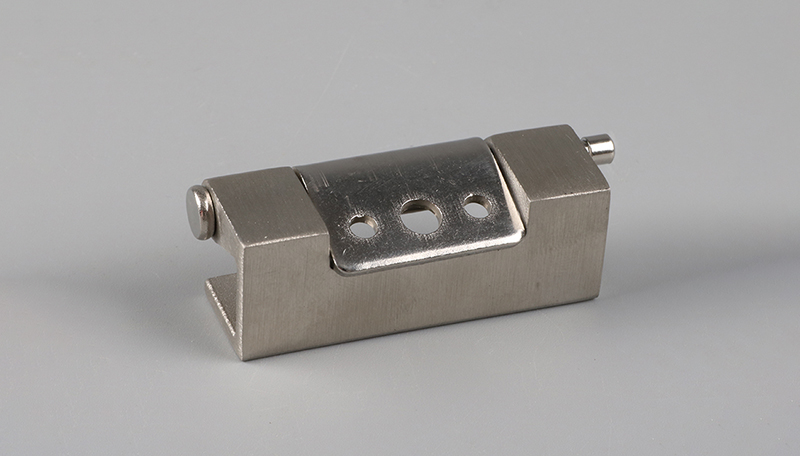
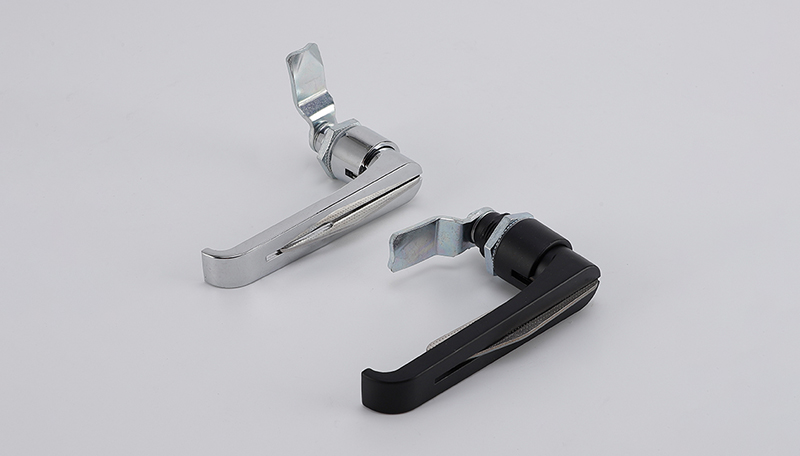
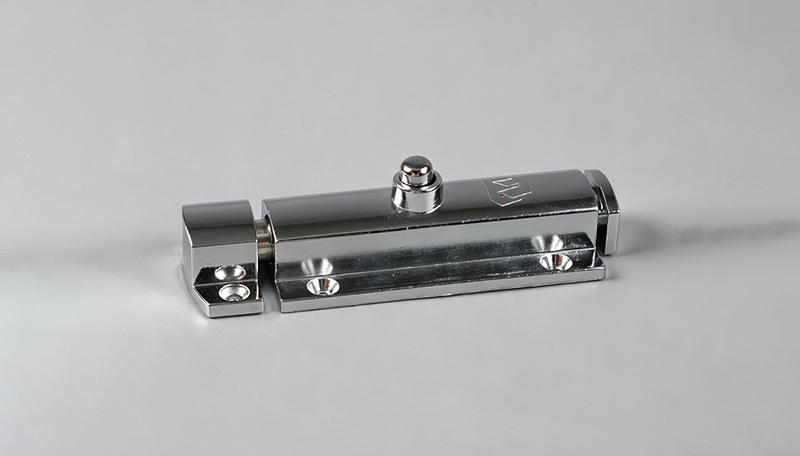
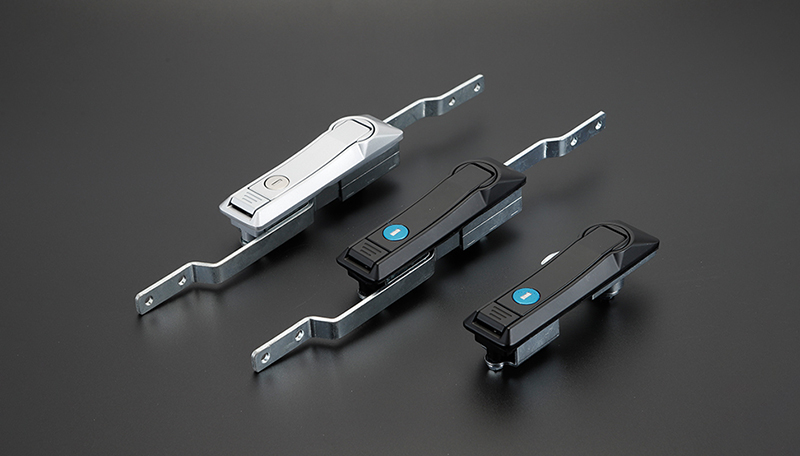
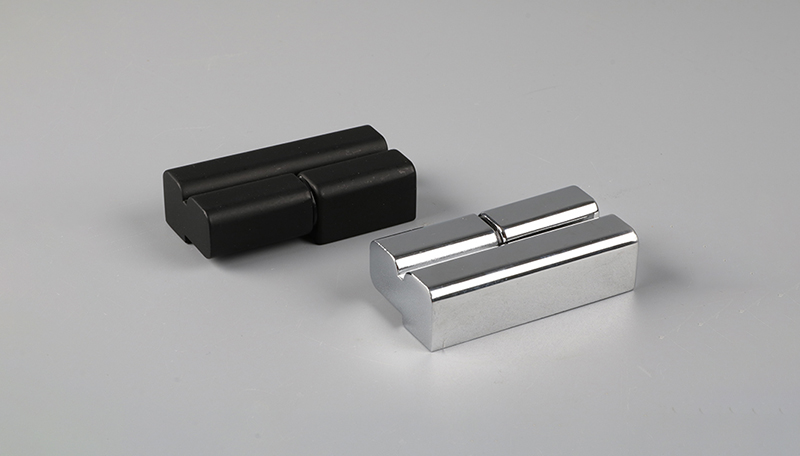
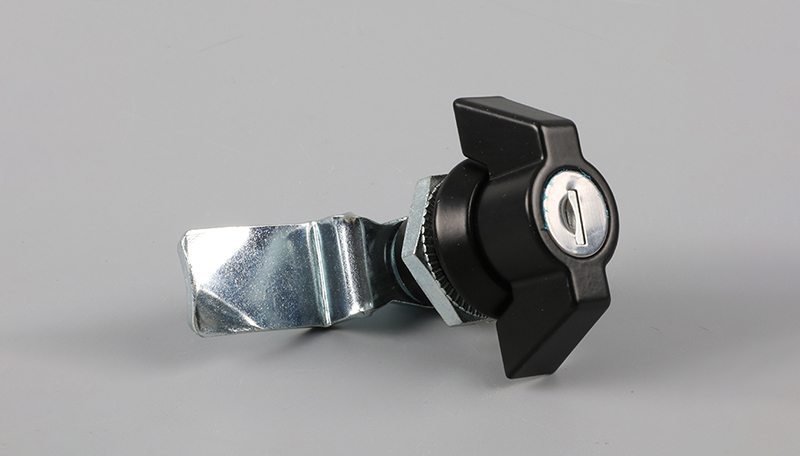
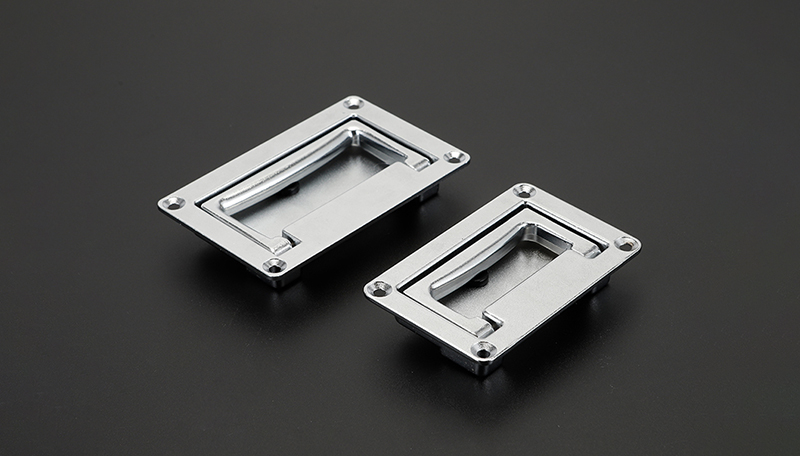
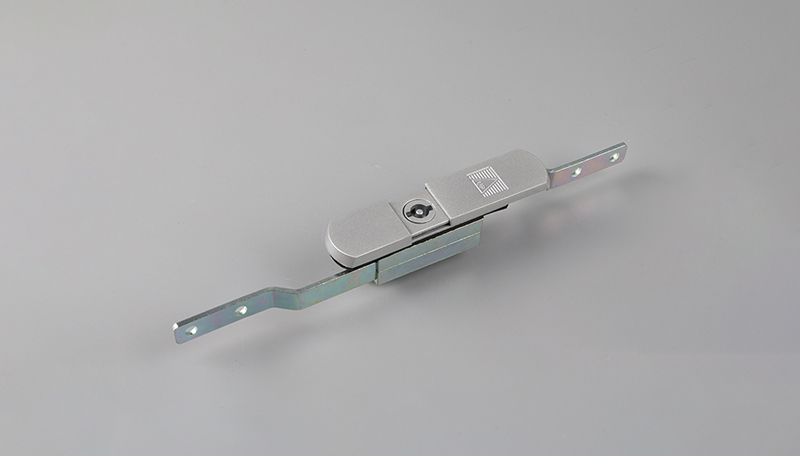
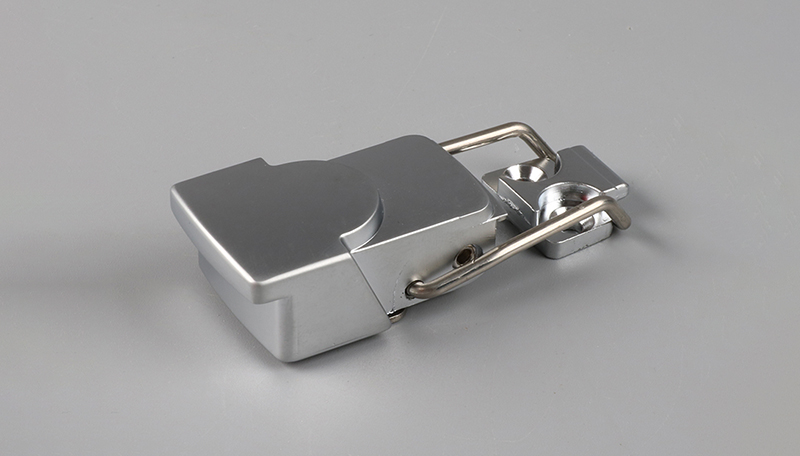
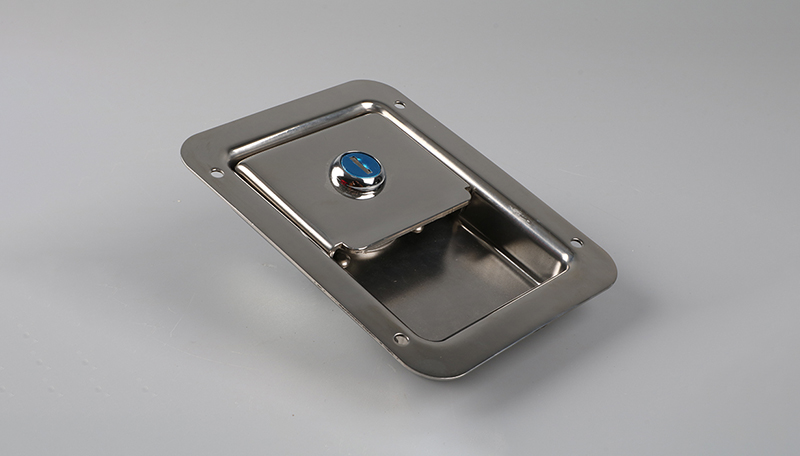
Buckle Locks: The Complete Guide to Types and Applications
Locking designs, locksets and locks have become an important option in a range of industries, as one example would be locking down electrical panel enclosure lids, transporting railcars and recreational vehicles (i.e., RVs), such as vanlifers; commonly referred to as "RV" locks. Due to their durable design and high level of efficiency, these locks are ideally positioned in high-security environments. Therefore, this guide will present insights into all of the different types of locksets available along with common materials used and use cases in various industries.
What Is a Buckle Lock and How Does It Work?
Buckle locks are fastening systems made up of a tough, reliable frame along with a locking tongue / latch. The locking tongue will latch into the frame, and can be released with an appropriate amount of manual manipulation. Buckle locks are important for industrial use because it is possible that if panels or compartments were to accidentally come open, the products or safety of the employee(s) may be at risk.
Common Types of Buckle Locks: Snap and Toggle
Buckle locks in the industrial sector come in two categories: toggle and snap locks. Snap locks simply snap into place when locked to allow for fast access while holding the latch firmly in place; ideal for applications requiring frequent access to electrical panel doors without sacrificing security.
On the other hand, toggle locks use a lever to provide a much more controlled means of opening and closing. Because of this, toggle locks are a great option when it comes to transportation and RVs because secured fastening is very important to prevent moving and/or vibrations from causing the opening of toggle locks accidentally while in transit.
Key Materials: Stainless Steel, Zinc Alloy, and Plastic Buckle Locks
Buckle locks in industrial applications are usually made from powerful and durable materials. Stainless steel locks are a popular choice for use in electrical panels and vehicles because of their high-temperature and corrosion resistance. In other less demanding cases, zinc alloy may provide a strong, lightweight alternative to stainless steel. For non-critical uses, plastic may be the best option since they offer a reasonable level of strength for the price.
Buckle Lock vs. Other Fastening Methods: When to Choose Each
Selecting the proper fastening structure is essential in industrial environments. Buckle-style fasteners exceed all other fastening systems including, but not limited to, screws, bolts, and traditional(s) for the reasons of ease of use and rapid release from the retainer. Additionally, buckle-style fasteners provide a neater and more uniform appearance, which is important to areas sensitive to appearance, such as the interiors of modes of transport. Finally, when fasteners require high-strength and security levels, buckles are preferable over all other fastening products for applications where high-security levels are required, such as distributed electrical systems.
Applications of Buckle Locks in Industry
The use of buckle locks to secure electrical access doors is prevalent throughout countless industries. The strong construction of buckle locks ensures that electrical access doors are secured at all times, protecting sensitive equipment from vibrations or outside force. Buckle locks are also used in both train transportation and RV transportation providing protection against vibrations and unintentional doors opening due to movement within the vehicle.
FAQs about Buckle Locks
What is a buckle lock and how does it work in industrial settings? Buckle locks use both a tongue and frame locking method that is essential in providing an effective closure for all types of panels and compartments, especially where accidental opening could occur within an industrial environment.
What are the common types of buckle locks used in industry? Widely used and trusted because they provide a unique type of functionality, both snap-locks and toggle-locks work well when frequent access is needed, or heightened security is required.
What materials are used for industrial buckle locks? Stainless steel has excellent durability and is good against damage done by weather conditions; it is also cheaper than most other metals including zinc which provides a similar (lightweight) but stronger material. In certain situations, using a type of plastic can yield more cost-effective results compared to stainless and zinc.
When should I choose a buckle lock over other fastening methods in industrial applications? Choose buckle locks if you need an efficient access solution with maximum reliability; they provide added security while showing up better than traditional locks in your electrical panels, or in your transportation vehicles.
Buckle locks are essential medium of fastening equipment used in many types of industries. Their design protects against accidental damage to important equipment through use in a multitude of industries, including electrical panel enclosures and transport vehicles. When you have an understanding of the types, materials and uses of buckle locks, you will be able to choose the correct agent to secure and maintain both safety and performance within an industrial environment.