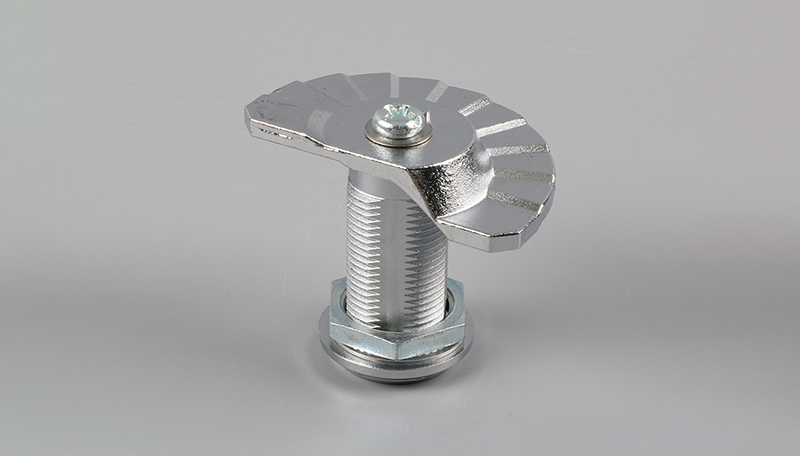
Rod lock

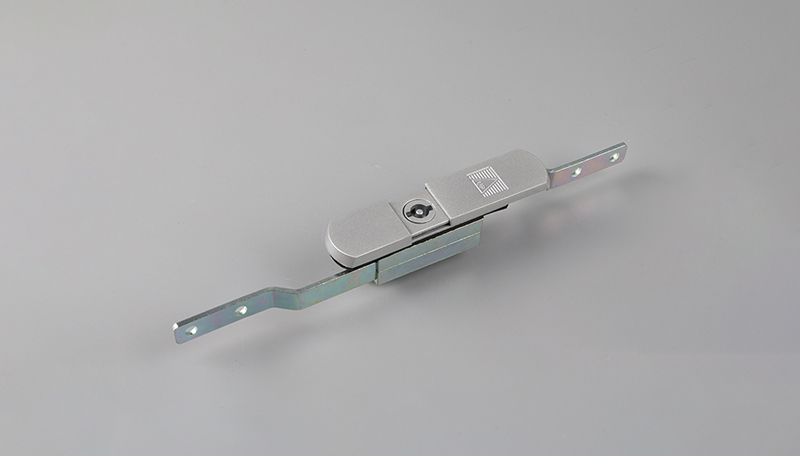
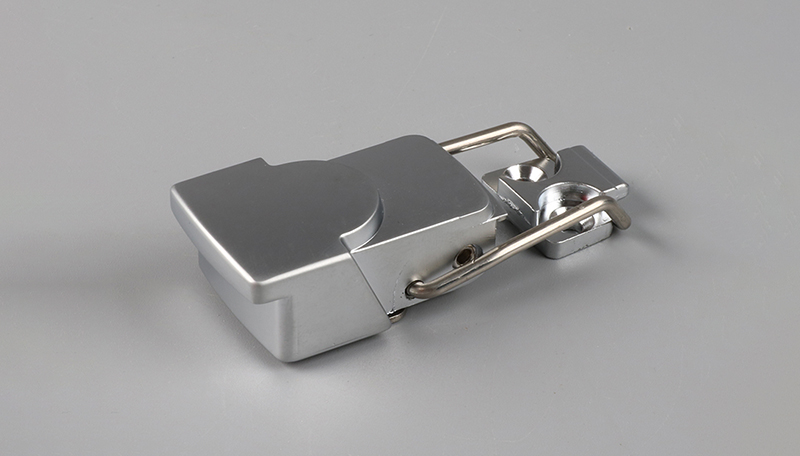
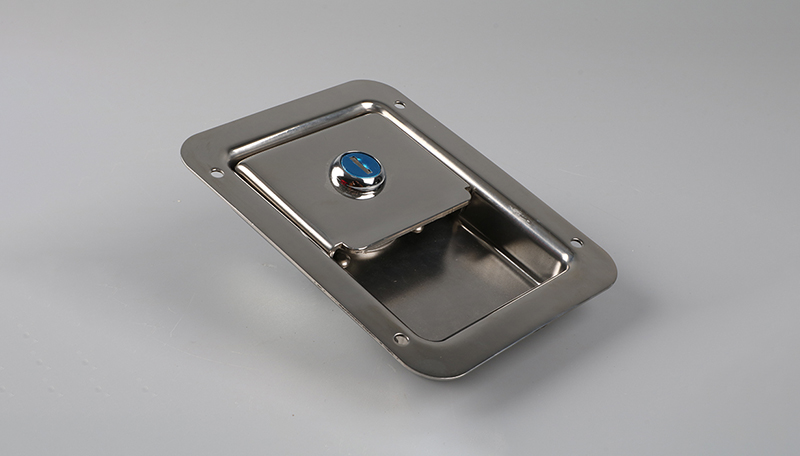
Cam Lock vs. Standard Lock: Which One Suits Your Needs?
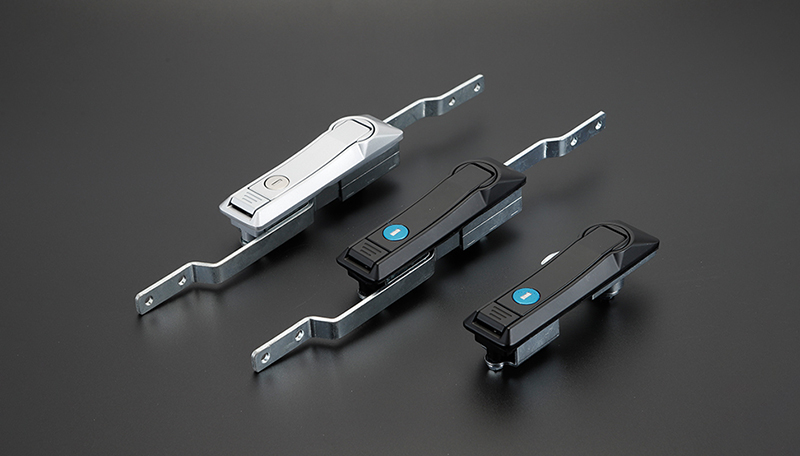
Selecting the right type of lock when securing industrial applications is important. Locks such as cam locks or standard locks are used for securing distribution cabinets, trains, RVs, and other industrial applications. By understanding what features each has and where they best fit with your application, you can make the best choice possible.
What Is a Cam Lock and How Does It Work?
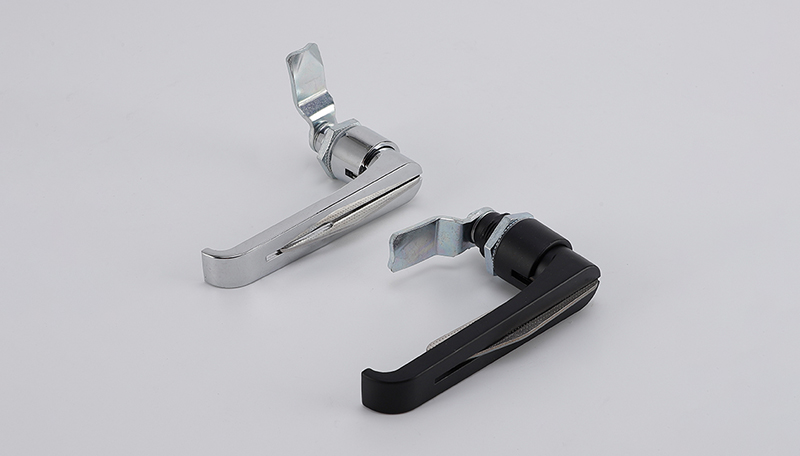
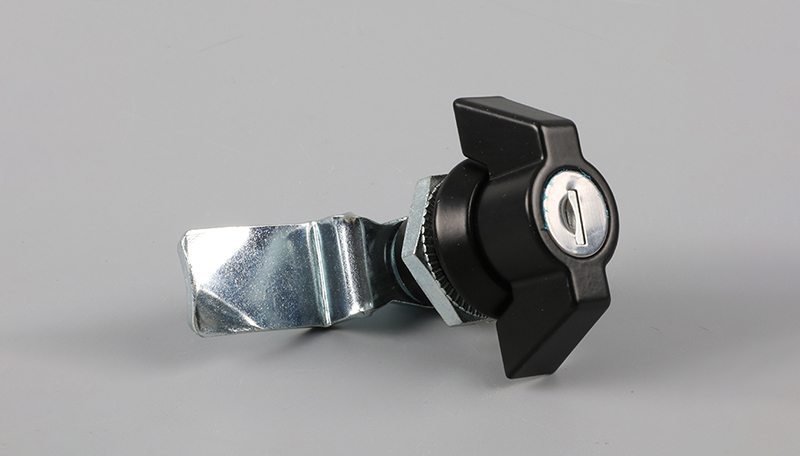
A cam lock is a type of lock that is used in many different industries. It consists of two parts: a circular cylinder-style lock (the "lock barrel") and a rotating cam that will secure the door when the key is turned. Because cam locks are simple to use and very effective, they make great locks for distribution cabinets and similar applications. Cam locks also provide good security and ease of use for authorized users in these environments.
What Is a Standard Lock and Where Is It Used?
Common locks, such as pin tumbler locks, may be widely used for providing high levels of secure safes (both residential and commercial). However, in tightly packed industrial settings, cam locks can provide benefits: greater practicality through smaller and simpler designs for installation.
Typical Applications: Where Cam Locks Excel
Cam locks shine in various industrial applications, including:
- Distribution cabinets: Essential for the secure operation of electrical systems.
- Vehicles: Such as trains and RVs, where space-saving and reliability are crucial.
- Various industrial enclosures and equipment panels.
Cam locks are a great option due to their small size and easy operation when it comes to securing access control systems from unauthorized users as well as providing protection for your business.
How to Choose Between a Cam Lock and a Standard Lock
The decision between cam locks and standard locks in industrial uses hinges on factors such as:
- If you need to get into a box often or in places with little room, then cam locks may be the best option for you.
- For those applications that do not require any additional features or advanced functionality, cam locks provide dependable solutions.
- Installation & Maintenance Ease Of Use For Industrial Applications: Installation and maintenance of cam locks in industrial settings are often easier than other locking systems.
When deciding on the correct choice, consider your specific requirements concerning both the security of the environment and the complexity involved in setting up an installation.
FAQs
What Are Cam Lock Screws?
The cam lock screw is primarily utilized for securing a cam lock in place and is crucial for maintaining stability in many industrial uses, including distribution cabinets. Cam lock screws play an important role to ensure a dependable locking mechanism will be present.
Are Tubular Cam Locks the Same as Regular Cam Locks?
Tubular locks (also known as T-type locks) are usually used in higher security applications and industrial environments. Tubular locks are cylindrical in shape and only accept a tubular key for operation, providing greater security than traditional locking devices.
Can I Replace a Standard Lock with a Cam Lock in Industrial Applications?
In industrial locations, cam locks are used as an alternative to regular locks because they generally take up less space and are easier to operate. This is especially true in distribution cabinets and similar confined areas.
Hayward takes a look at the difference between cam locks and standard locks to help determine the correct lock for your industrial applications. The requirements for security, space and usability should guide your selection process so that you can ensure reliable security as well as efficient use in multiple applications, especially for critical applications such as distribution cabinets.