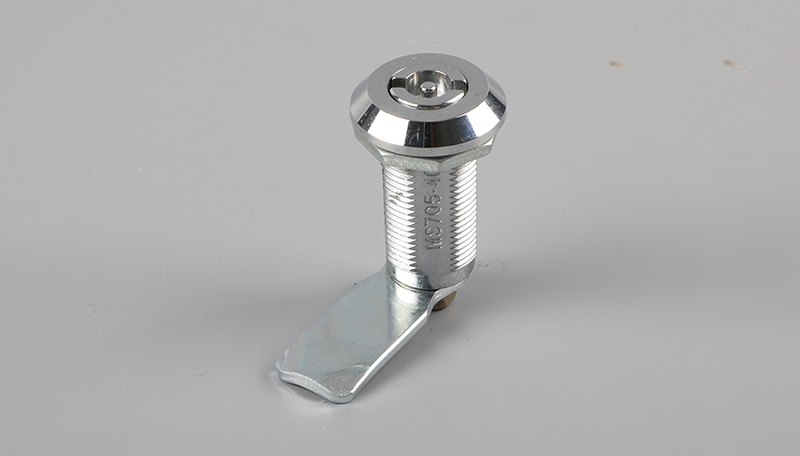
 Rod lock
Cam Locks Explained: Types, Materials, and Industrial Applications
Cam lock In industrial work environments, security solutions are essential. The electrical distribution cabinets and smart vehicles using modern technology in logistics, including trains and RVs, rely on cam locks solutions that meet the specific needs of modern-day industries. This article examines the features, purposes, types and materials of cam locks in order to assist in the selection process and improve industrial operations.
What Are Cam Locks?
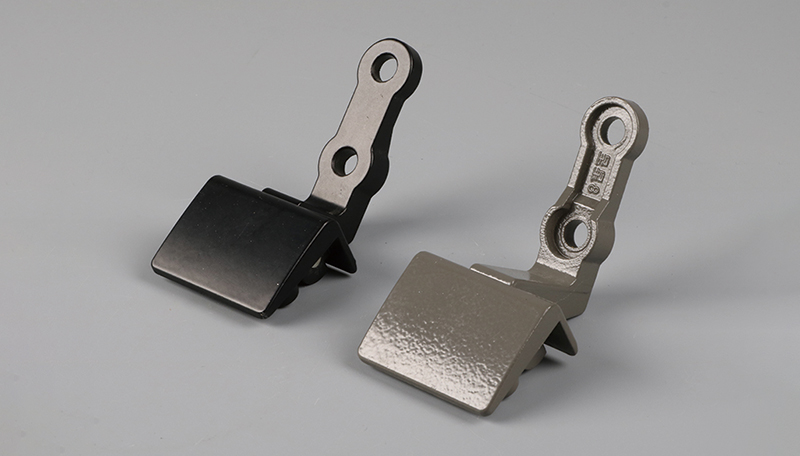
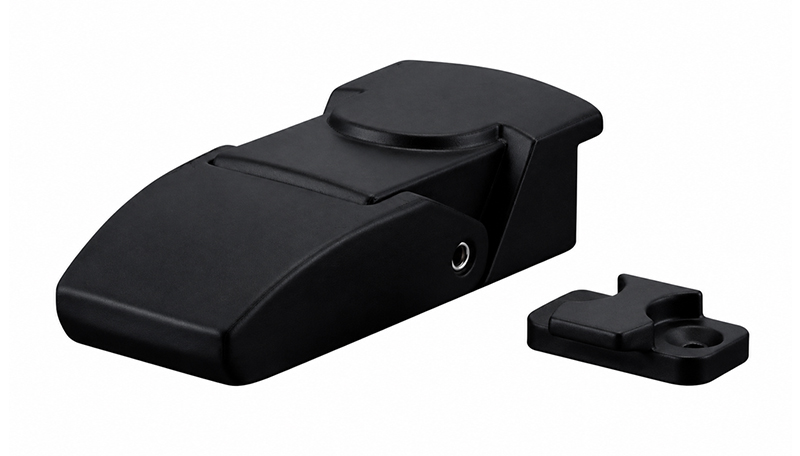
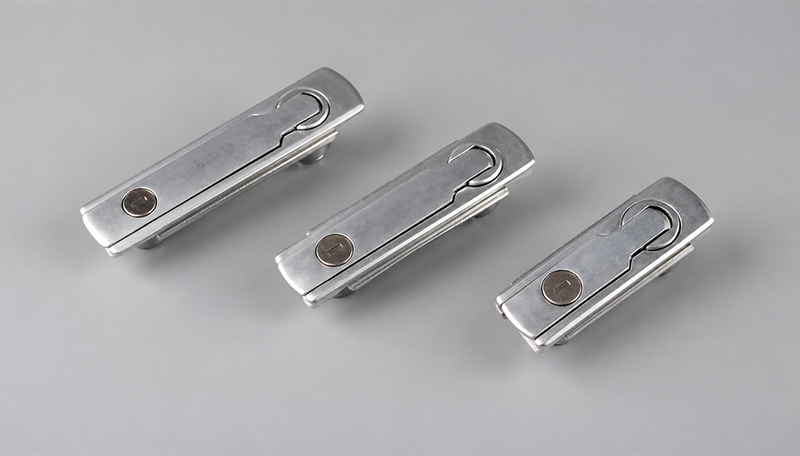
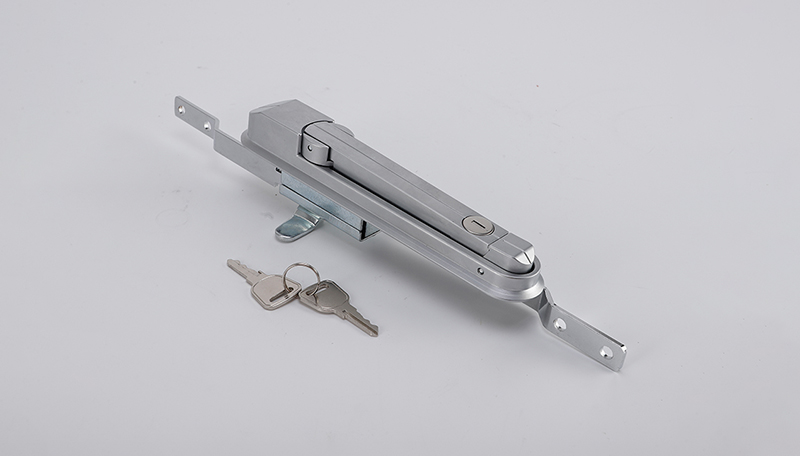
A cam lock is a type of lock in which rotation of a metal cam behind a strike plate or frame locks a door or panel in place. A cam lock is good for use in industries as it can be installed easily, forms part of different types of closures, and can be molded according to customized high-security requirements. The uncomplicated nature of the mechanism results in high reliability of the lock, making it one of the most widely used locking devices for safeguarding crucial equipment in distribution boxes, vehicles, and factory machines.
Types of Cam Locks for Industrial Applications
Industrial facilities require using different kinds of cam locks based on their access requirements and level of security.
Standard Cam Locks: This kind of lock is often found in electrical distribution cabinets and control panels, and it employs a flat or hooked cam for locking purpose, making it very convenient to install and reliable when in use.
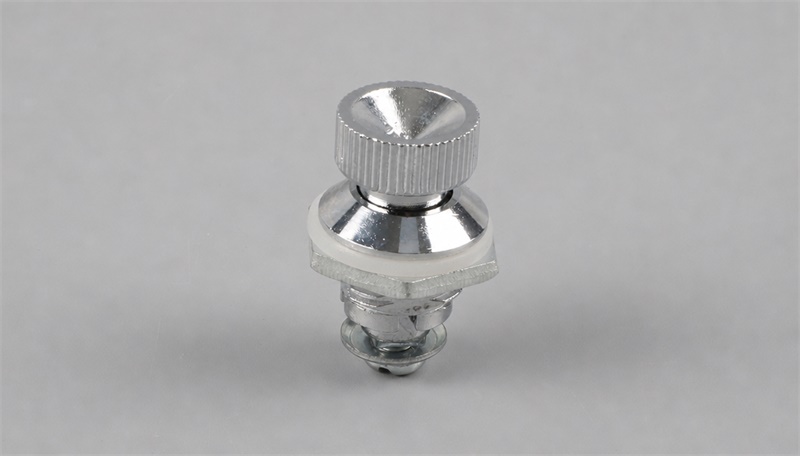
Tubular Cam Locks: The round keyway design in tubular cam locks results in a significant increase in pick resistance. In fact, they are mostly used for securing expensive machinery within industrial facilities that require a high level of security.
Combination and Electronic Cam Locks: Today’s distribution cabinets, particularly those existing in data centers and utility companies, can be fitted with a number of electronic cam locks or combination locks for more sophisticated access management and audit functions.
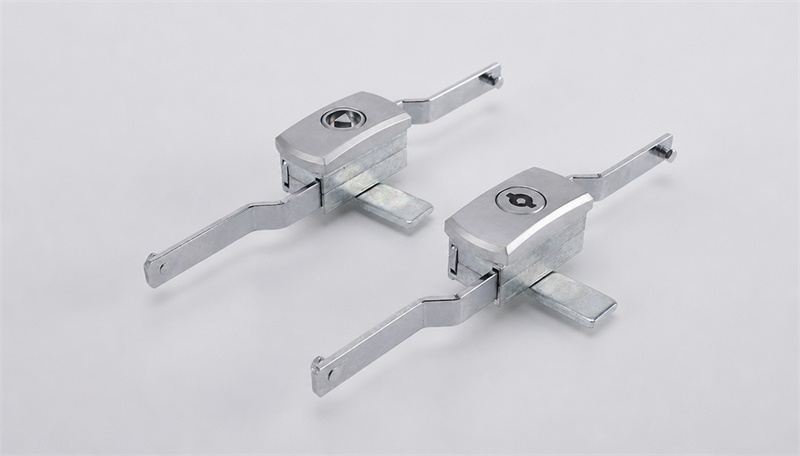
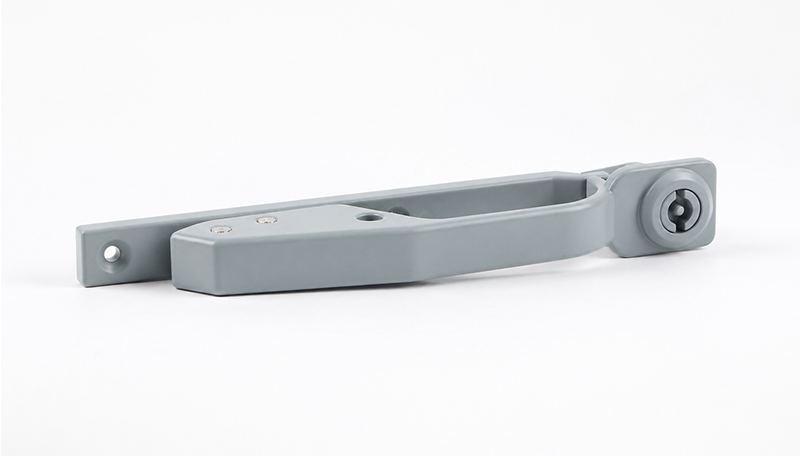
Custom Cam Locks: They are designed for specific uses in industrial transportation (like railroads or recreational vehicles) and may include custom-made handles or cam systems for complicated structures.
Materials Used in Industrial Cam Locks
Material choice directly impacts the longevity and performance of cam locks in industrial settings:
Zinc Alloy: Because of its cost-to-corrosion resistivity ratio, zinc is often used for locks in distribution cabinets. Its usage is recommended only for indoor applications, though it may be plated for improved performance.
Stainless Steel: Stainless steel provides ultimate rust, moisture, and chemical resistance in outdoor and tough environments like trains and RVs.
Brass: Brass cam locks are easy to use and resistant to corrosion, which makes them ideal for high-security environments.
Industrial Applications of Cam Locks
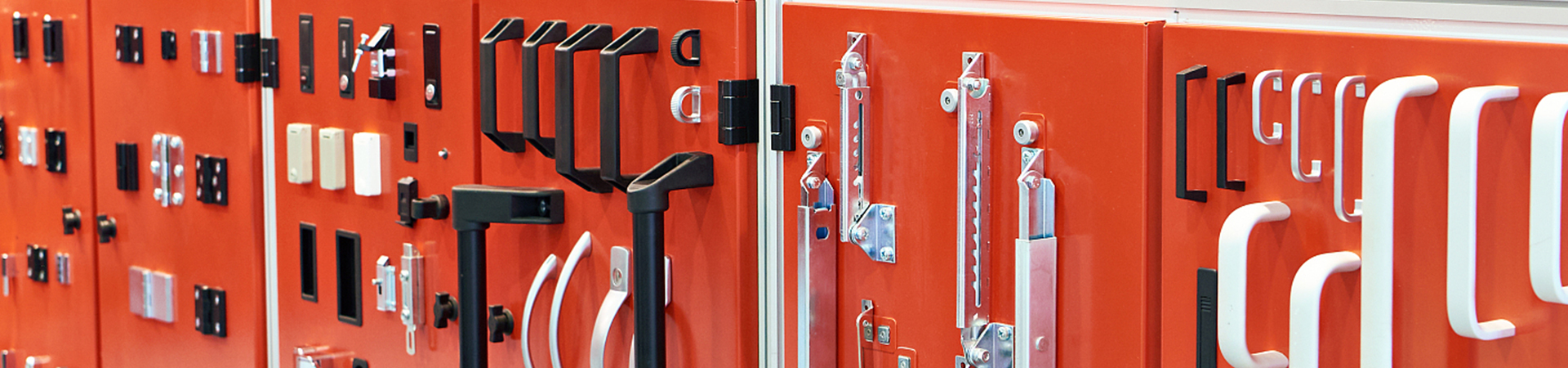
Cam locks are mainly used to protect electrical distribution cabinets, which contain critical controls, power connections, and delicate electronics. They are easy to install, durable, and help prevent unauthorized access. In transportation, cam locks secure equipment bays, storage compartments, and maintenance panels in trains, high-speed rail, and RVs. Their durable materials and precision manufacturing help them withstand vibration and harsh mobile conditions.
Cam locks also control access to cargo containers and secure machine control panels, switchgear boxes, and enclosures. In heavy-duty machinery, cam lock connectors are used to connect or disconnect cables for temporary or mobile power supplies, improving safety in industrial and construction sites.
Choosing the Right Cam Lock for Distribution Cabinets and More
To select the most suitable Cam lock for your industrial application, consider the following:
Enclosure Type: Identify whether you’re securing an electrical cabinet, train panel, or RV compartment.
Security Level: For high-risk areas, tubular or electronic cam locks yield greater safety.
Material Requirements: Match material to environmental conditions—in outdoor settings, stainless steel lasts longest.
Compliance and Standards: Ensure your chosen lock meets relevant industrial safety and access standards.
Maintenance and Security Best Practices
Industrial cam locks must be maintained to ensure consistent security:
Make sure to inspect regularly for signs of wear, rust, or signs of tampering, particularly in distribution cabinets that have been put under the test of humidity or dust. Use the recommended lubrication and change the lock promptly in case of tampering. In case of electronic locks, pay close attention to access logs and change passwords frequently.
Frequently Asked Questions
Which type should I pick for a high-security area?
Tubular cam locks offer strong pick resistance. For advanced access control and audit trails, consider combination or electronic cam locks.
What should I check before buying a cam lock?
Consider enclosure type, required security level, material compatibility, access needs, and relevant compliance standards.
How do I keep cam locks secure over time?
Inspect regularly for wear, rust, or tampering. Use recommended lubrication, replace damaged locks promptly, and for electronic models, review access logs and change passwords often.
Cam locks are important security components in industries which range across everything from electrical distribution cabinets to transport vehicles and large machinery. Their versatility coupled with ease of installation makes them the best and appropriate choice when it comes to protecting sensitive equipment. Facility managers need to use the appropriate type of cam lock according to the application of security for attaining maximum results and compliance.