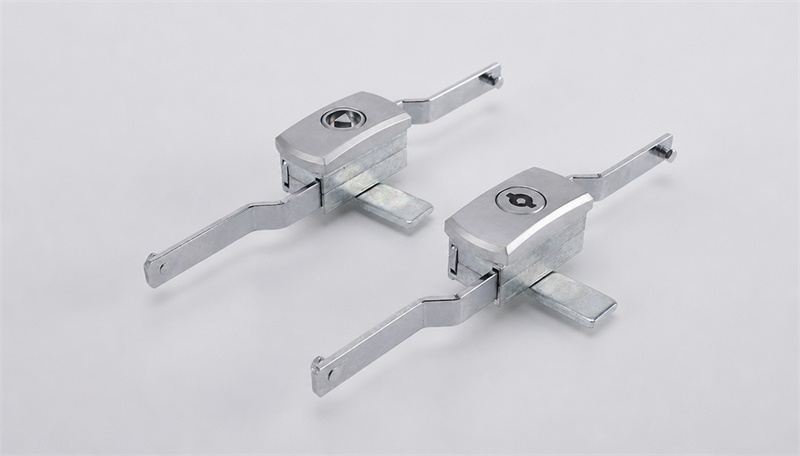
 Rod lock
Choosing the Right Cam Lock for Industrial Enclosures
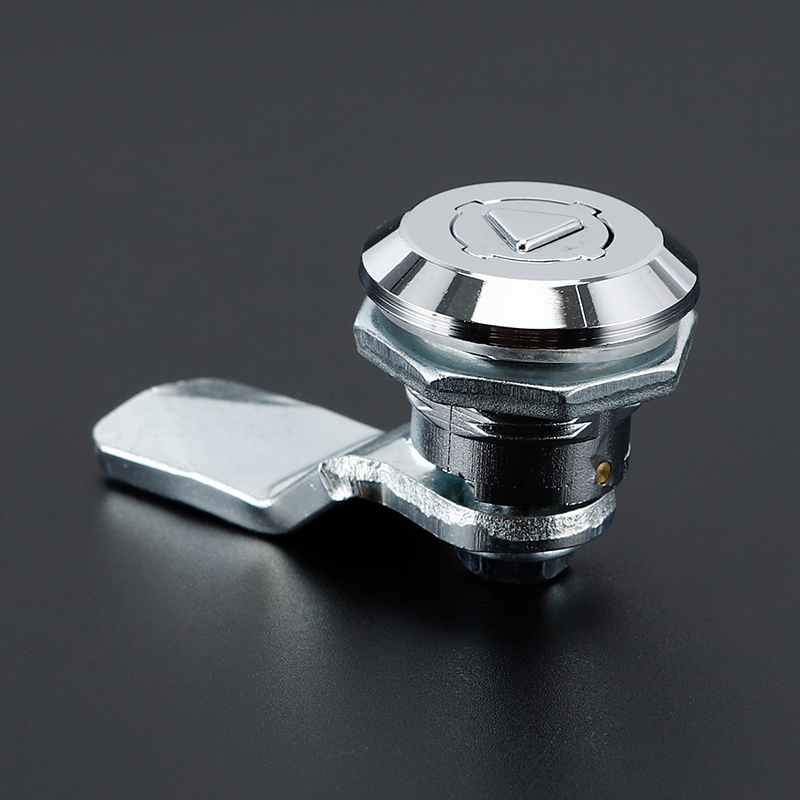
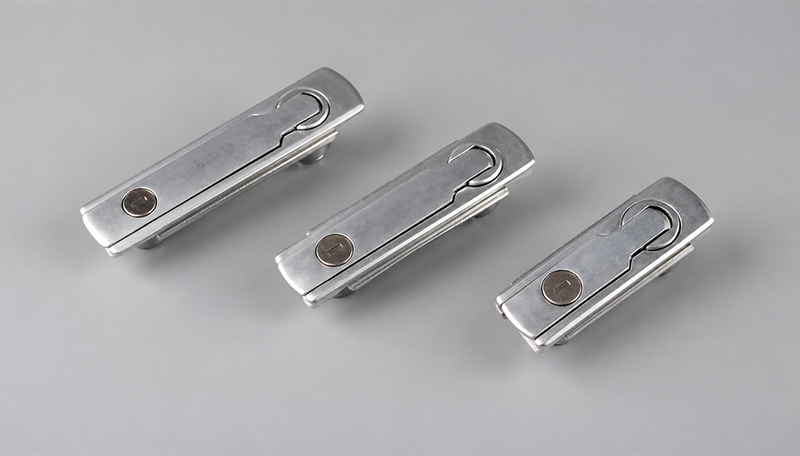
A cam lock is basically a small rotary latch. You turn a key (or a thumb turn), and a flat steel arm swings behind the edge of a fixed frame. That's it. No springs, no complicated linkages. In electrical cabinets, railcar compartments, or RV power bays, this simple setup keeps dust out and controls access without adding bulk or complexity. The panel stays shut until someone deliberately opens it.
Walk through any substation or factory floor, and you'll see rows of gray enclosures. Near the handle, there's usually a small round lock face. That's a cam lock. It sits flush, takes up almost no room inside, and handles vibration and temperature swings that would jam fancier hardware.
Why panel builders stick with this lock
Electrical enclosures are tight. Between DIN rails, terminal blocks, and cable ducts, there's not much free space. A cam lock only needs a small round cutout and a cam arm long enough to reach the frame lip.
Vibration resistance matters more than people think until something fails. Spring-loaded latches can chatter themselves open over time. A cam lock can't. The arm stays trapped behind the strike edge until someone turns the key. That keeps high‑voltage cabinets closed and sensitive gear protected.
Where you'll see these locks every day
Power distribution cabinets
Pad-mounted transformers and switchgear enclosures are often exposed to rain, snow, and sun. Cam locks on these doors need good corrosion resistance and a basic weather seal. Utility crews require quick access, but the cabinet must stay closed against weather and casual tampering.
Railway electrical bays
On passenger trains, components like lighting contactors and battery chargers sit behind small access panels. Constant vibration and temperature swings demand a lock that will not seize or loosen over time.
RV and marine power compartments
Inverter bays and shore power connections face road spray, salt air, and pressure washing. A standard zinc lock may last only one season. Brass or stainless steel lasts much longer and turns smoothly.
Picking the right material depends on where the lock lives
Material choice depends on where the lock lives. Zinc alloy is affordable and works well for indoor control cabinets in climate‑controlled rooms, but it is a poor choice outdoors or near the coast. Brass resists corrosion and won't seize against steel, while stainless steel adds toughness for harsh conditions. Also, don't overlook the cam arm a stiff stamped steel cam lasts for years, whereas a thin, flexible arm can bend and fail to secure anything properly.
Installation mistakes that cause early failures
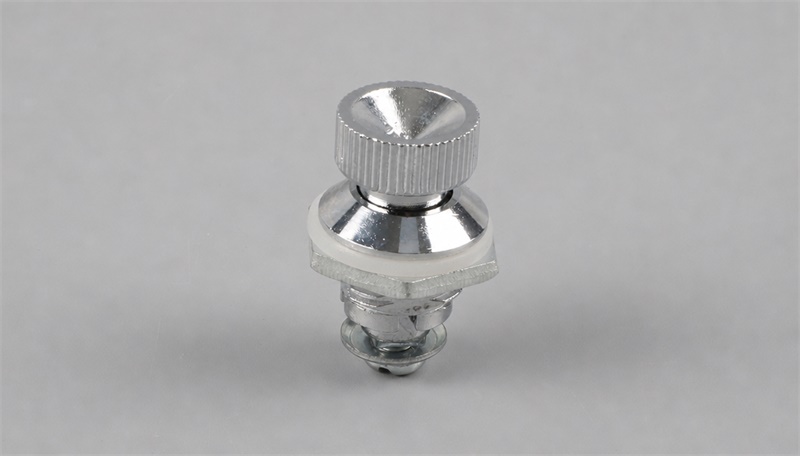
The most common issue is the retaining nut behind the lock face. If you over‑tighten it, the cylinder body deforms inward. Then the lock feels gritty or won't turn at all. The nut should be snug enough that the cylinder doesn't spin freely in the cutout but no tighter.
Cam length causes almost as many problems. Measure from the back of the lock face to the inside edge of the cabinet frame, then add a little extra for gasket compression. If the cam is too short, it won't hold securely under pressure. Too long, and it drags and damages the cabinet over time.
What about security for industrial sites?
Let's be honest: a standard wafer cam lock is not high‑security vault hardware. It keeps a panel closed against weather and stops casual tampering. For most electrical cabinets, that's perfectly fine. The bigger headache is key control many facilities over‑use the same key code across too many enclosures.
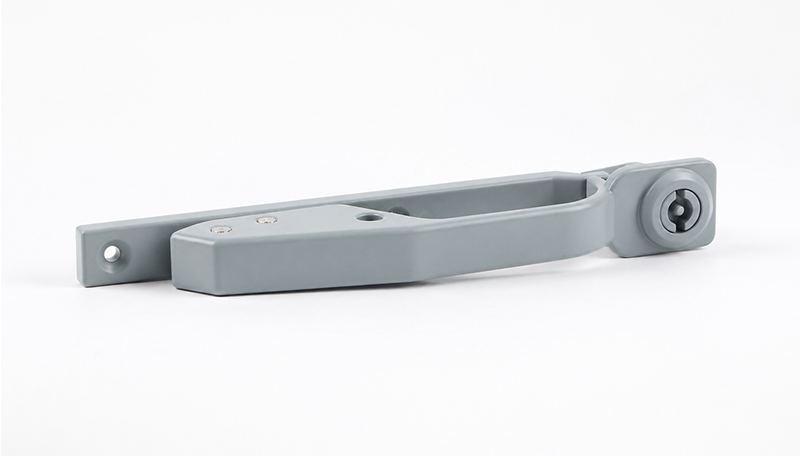
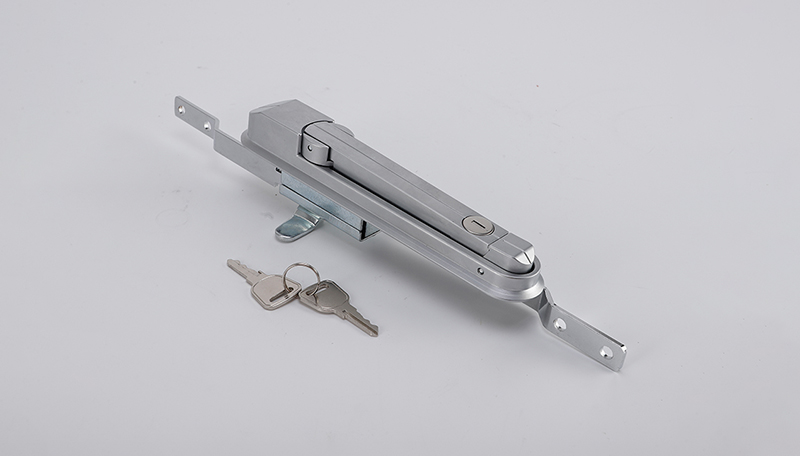
If you need something tougher, you can step up to tubular cam locks with round keys that are harder to duplicate. Some industrial models accept a padlock hasp for two‑layer security. Others work with multi‑point rod systems that lock the top and bottom of the door frame.
When to replace a lock instead of fighting with it
If you have to jiggle or push the key to get it to turn, the lock is failing. Dry graphite powder can sometimes free up sticky wafers without attracting dust. Avoid liquid lubricants they eventually gum up and make things worse.
Replace the lock if the key is bent, the face shows pry marks, or someone has straightened the cam arm more than once. A new cylinder fits the existing cutout in minutes and saves a lot of daily frustration.
Low maintenance, high reliability
Industrial electrical systems are already complex. Breakers, relays, and transformers need constant attention. A cam lock asks for almost nothing: no software, no batteries, just a cylinder and a flat metal arm. Choose the right one and install it properly, and it will outlast the equipment it protects. And when you do need access, it opens smoothly and closes securely.