
 Rod lock

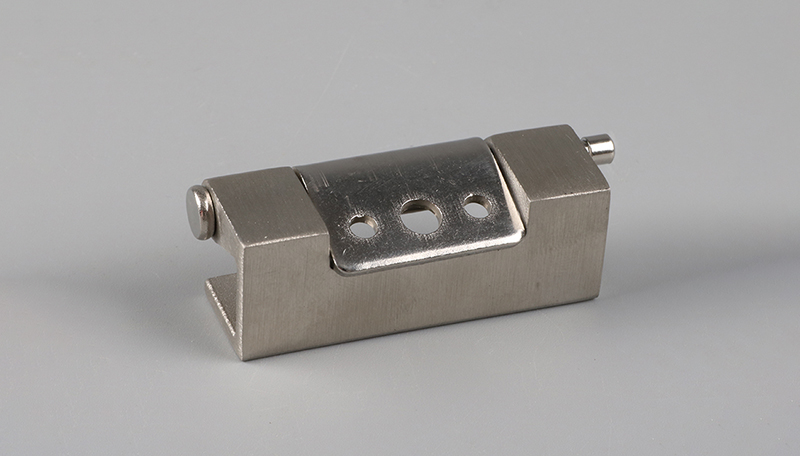
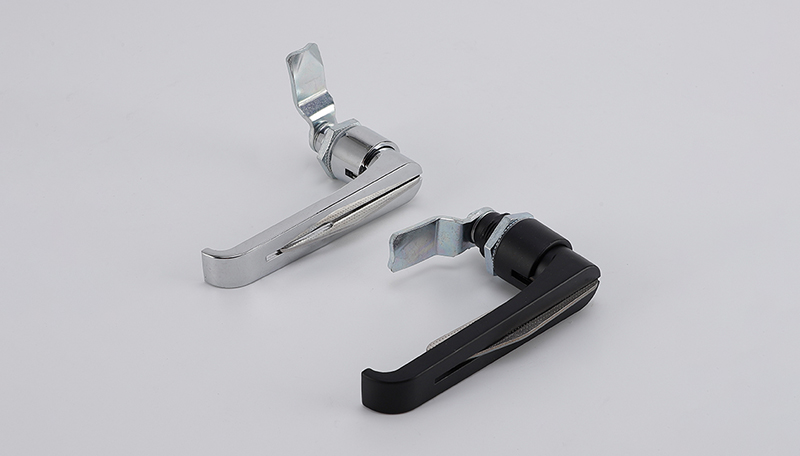
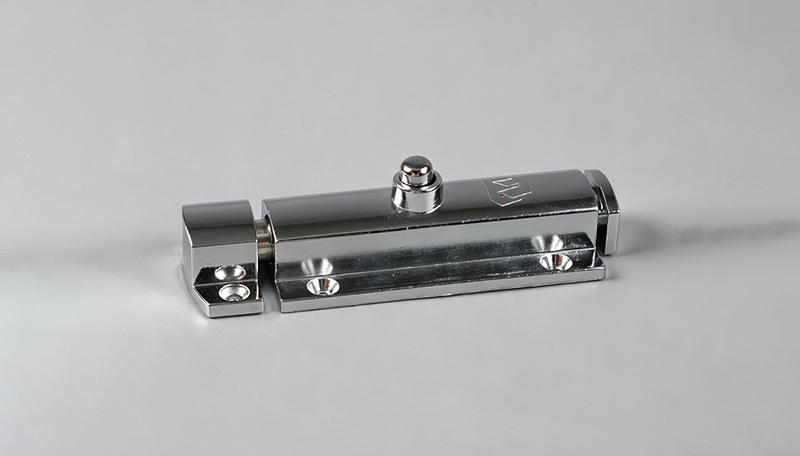
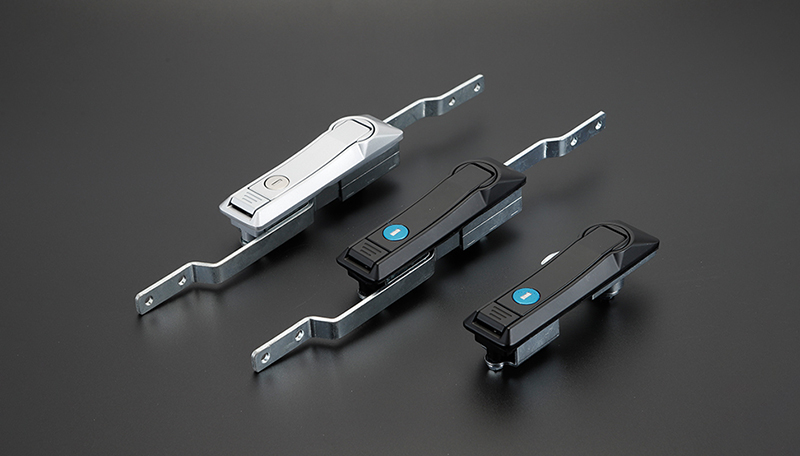
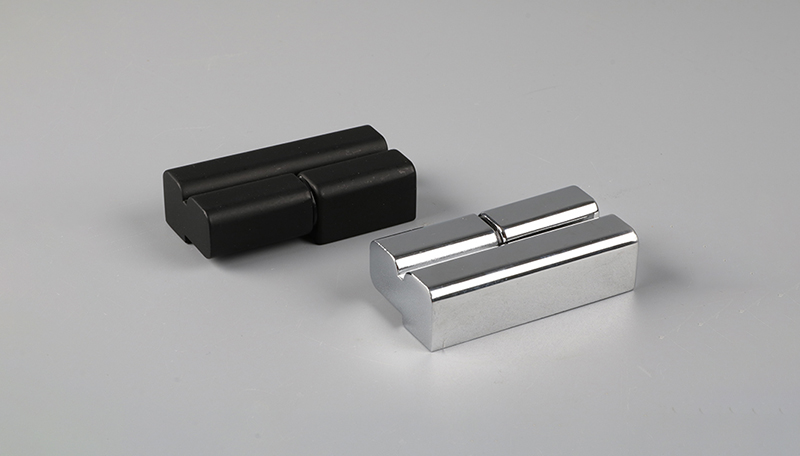
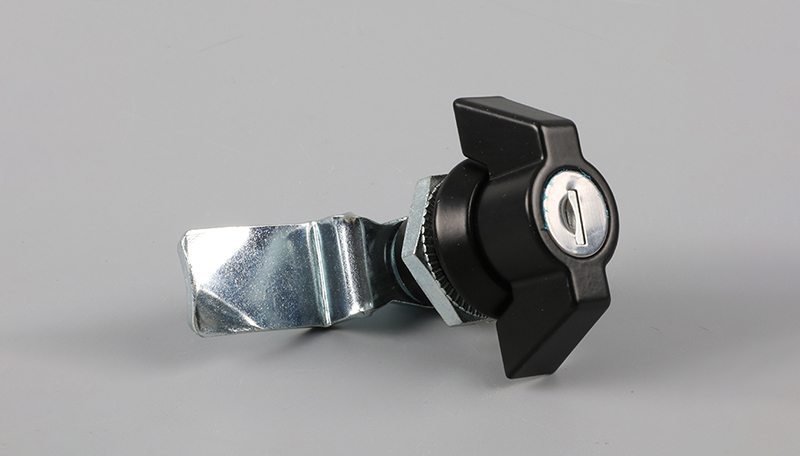
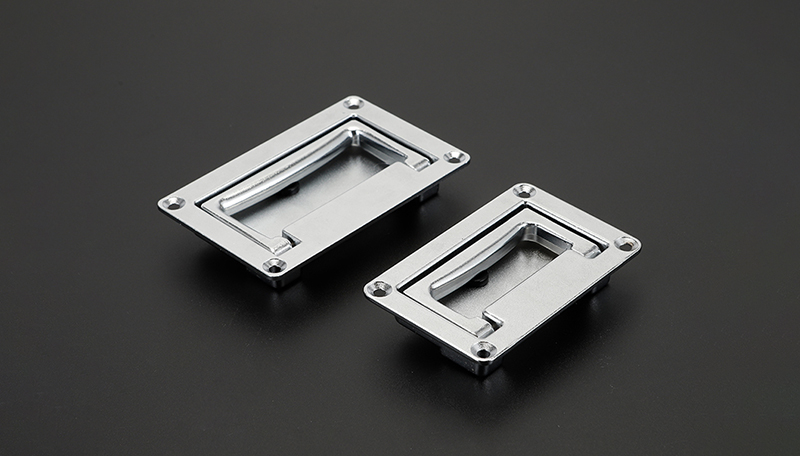
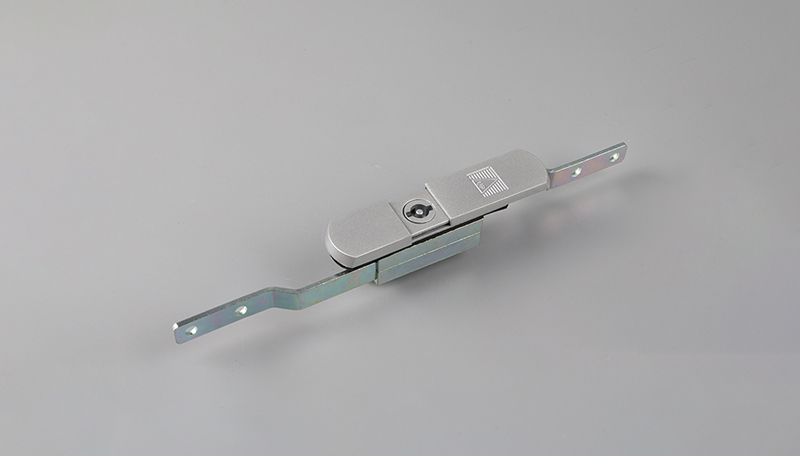
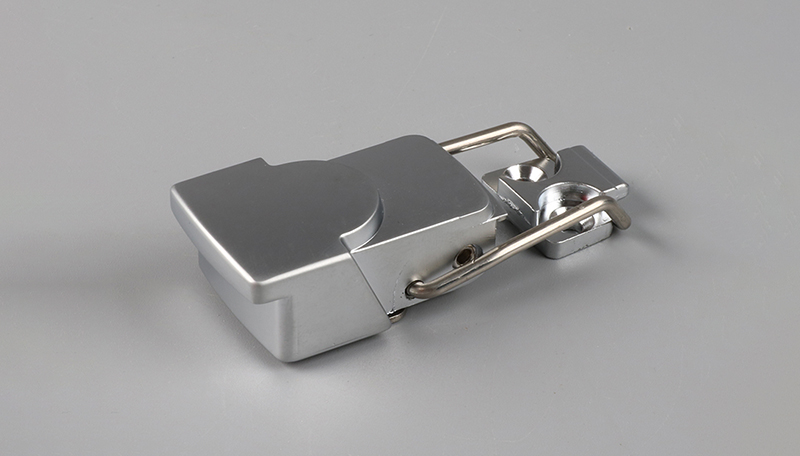
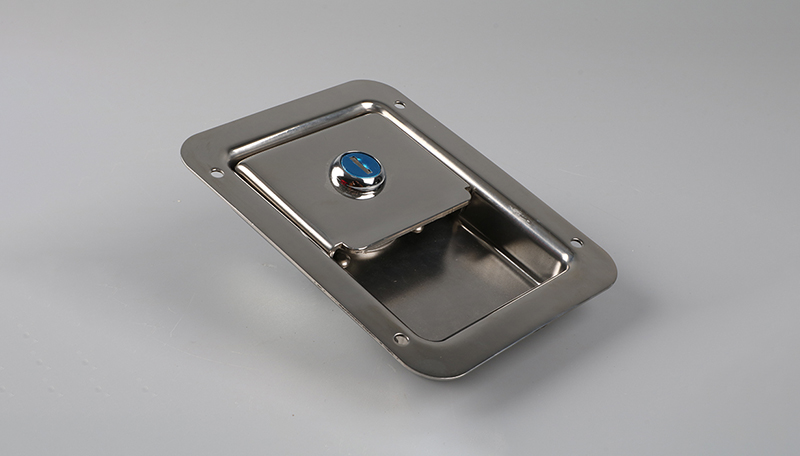
Concealed Type Buckle Lock: Secure & Flush for Industrial Enclosures
On factory floors and remote sites, enclosures like control cabinets and toolboxes are everywhere. What you don't see the lock is often the most important part. A concealed type buckle lock sits flush with the surface, resisting tampering, dust, and moisture. Unlike exposed padlocks or latches, it keeps contents secure without snagging or easy bypass. For industrial and outdoor equipment, it's a simple but critical solution.
Why Choose a Concealed Buckle Lock?
Industrial environments are tough on hardware. Exposed locks get knocked, corroded, or pried open. A concealed type buckle lock addresses these issues directly. It mounts inside the door or panel, with only a small access point visible from the outside. This design makes it much harder for unauthorized individuals to tamper with the mechanism. At the same time, it protects the lock itself from dust, rain, and accidental impacts.
For equipment boxes, server cabinets, or outdoor telecom enclosures, this means longer life and fewer maintenance calls. Operators also appreciate that the flush surface won't catch on clothing, tools, or passing equipment.
Key Benefits for Industrial Users
1.Tamper Resistance
Because the buckle lock is recessed or fully concealed, there are no exposed screws, latches, or hasps to attack. This is a real advantage for equipment located in public or semi-secure areas.
2.Weather and Dust Protection
Concealed designs naturally keep out more contaminants. When combined with a rubber gasket or sealed housing, the lock helps maintain IP ratings for outdoor cabinets and enclosures.
3.Space Efficiency
Toolboxes and device enclosures often have limited real estate. A surface-mounted lock can interfere with stacking or packing. A concealed type buckle lock sits flush, preserving usable space inside and out.
4.Professional Appearance
In customer-facing settings like EV charging stations or public kiosks a clean, flush lock looks more professional and inspires confidence in the equipment's overall quality.
Common Applications for Concealed Buckle Locks
The concealed type buckle lock is not a one-size-fits-all product, but it does fit a wide range of industrial and portable enclosures:
●Electrical and control cabinets:Protects breakers, PLCs, and wiring from unauthorized access.
●Equipment and device enclosures:Secures sensors, monitors, or controllers in factories or field installations.
●Toolboxes and job boxes:Keeps valuable tools safe on construction sites or in workshop trucks.
●Outdoor utility boxes:Used for irrigation controls, telecom junctions, or security system panels.
●Vehicle-mounted compartments:Fire trucks, service vehicles, and RVs benefit from low-profile, vibration-resistant locks.
What Buyers Typically Look For
When selecting a buckle lock, experienced purchasers ask these questions:
What material is it made from? Zinc alloy and stainless steel are common for corrosion resistance and strength.
Does it come with a key? Most concealed locks include a unique key; some offer keyed-alike options for multiple enclosures.
What is the mounting depth? Important for shallow enclosures or thin doors.
Is it weather-sealed? For outdoor use, look for models with a built-in seal or compatible gasket.
How easy is installation? Ideally, it should require only a drilled hole and a mounting nut or screw.
Installation and Maintenance Tips
Installing a concealed type buckle lock is usually straightforward:
●Drill a hole (or cut a square recess) according to the lock's template.
●Insert the lock body from the outside or inside, depending on design.
●Secure it with a retaining nut or screws.
●Attach the cam or latch arm to engage the door frame.
Maintenance is minimal. A periodic check of the key cylinder and a drop of lock lubricant keeps it operating smoothly. For outdoor enclosures, inspect the seal once a year.
Making the Right Choice for Your Enclosure
If you are responsible for specifying or buying hardware for industrial enclosures, the decision often comes down to trade-offs. Exposed latches are easier to install but less secure. Padlocks are strong but vulnerable to cutting. A concealed type buckle lock offers a middle ground that prioritizes clean design, tamper resistance, and protection from the elements.
For toolboxes, device enclosures, outdoor utility boxes, and control cabinets, it is a smart upgrade over basic latches. It adds security without complicating daily access for authorized staff. And because it sits flush, it also reduces the chance of accidental damage or injury.
Summarize
Choosing the right lock for your enclosures is about matching security, durability, and ease of use to your specific environment. A concealed type buckle lock delivers on all three, especially for industrial and outdoor applications. If you are tired of broken latches, lost padlocks, or vandalized access points, this style of buckle lock is worth a closer look. For help selecting the correct size, material, or keying option for your equipment, reach out with your enclosure details finding the right fit is easier than you think.
