
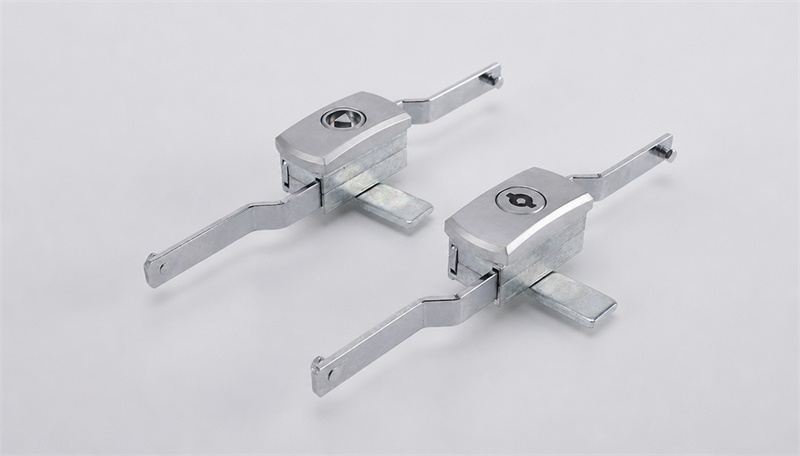
 Rod lock
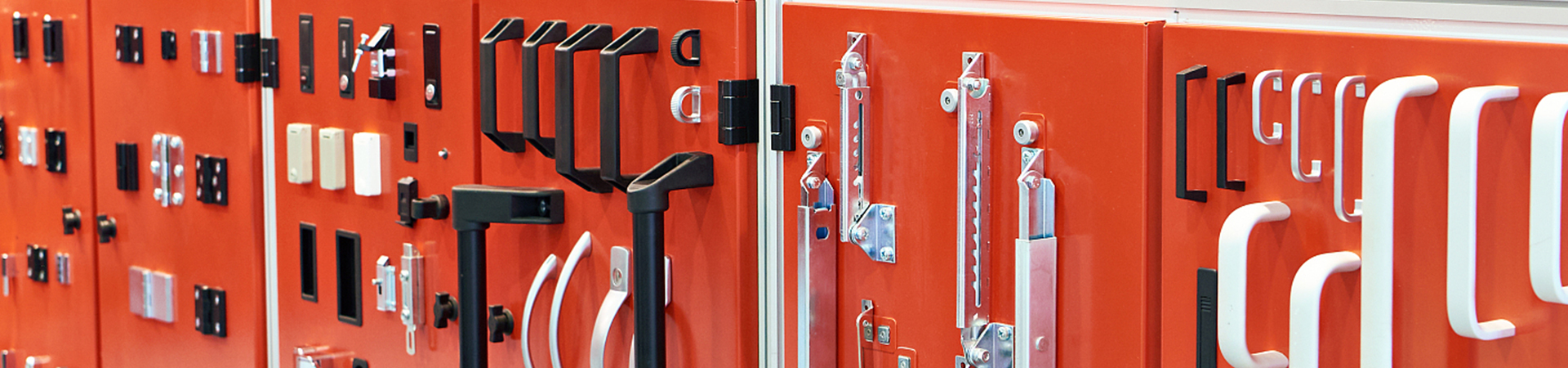
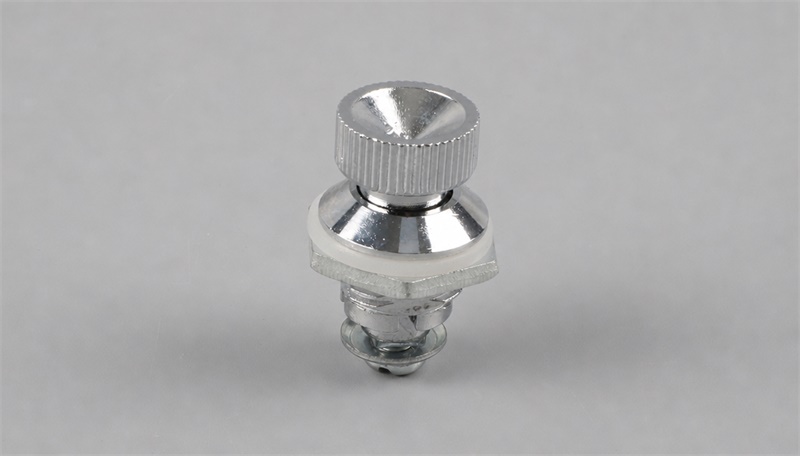
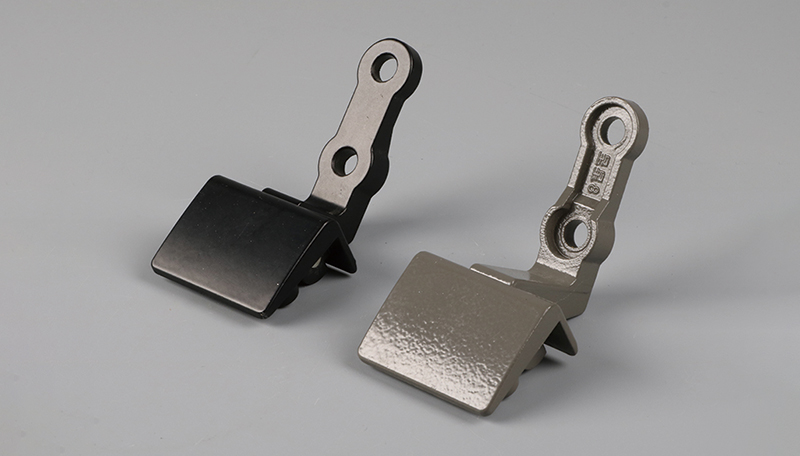
Defining Industrial Hinges and Their Purpose
Industrial hinges are essential components in various applications, ensuring the smooth and efficient operation of heavy-duty doors, panels, and equipment. These hinges are meticulously designed to withstand stress, frequent use, and challenging environments. This comprehensive guide will discuss what industrial hinges are, their common types, how to select the right one, and their applications across different sectors such as manufacturing, automotive, and aerospace industries.
Defining Industrial Hinges
An industrial hinge is a durable mechanical device that allows for rotational movement between two parts or surfaces. Unlike typical residential hinges, industrial versions are built to endure substantial loads and repetitive movements, often found in high-use settings. Industrial hinges are vital for applications that demand reliability and durability, ensuring operations can proceed without interruption or failure.
Common Types of Industrial Hinges
There are several types of industrial hinges, each tailored for specific uses:
- Butt Hinges: Frequently used in heavy doors for their strength and reliability, these hinges are installed in the butt of doors to provide secure swinging action.
- Continuous Hinges (Piano Hinges): Spanning the full length of a door or panel, they distribute weight evenly and are ideal for high-traffic applications.
- Flag Hinges: Known for ease of installation and removal, these are commonly used in equipment that requires frequent access and removal.
- Heavy-Duty Hinges: Designed for the most demanding applications, capable of supporting significant weights and withstanding harsh operating conditions.
How to Select the Right Industrial Hinge
Choosing the correct hinge involves evaluating several factors to align with specific needs. Consider the load capacity required, the frequency of operation, and the environmental conditions (such as exposure to chemicals, moisture, or extreme temperatures). The material of the hinge, whether it's stainless steel, aluminum, or another alloy, should be chosen based on environmental resistance and durability. Additionally, evaluate the hinge's dimensions to ensure it fits the intended purpose without compromising structural integrity.
Industrial Handle Applications Across Different Sectors
Industrial hinges are deployed across various sectors, each having distinct requirements:
In manufacturing, they are crucial for maintaining the operational integrity of machinery doors and access panels. In the automotive industry, industrial hinges are indispensable for the performance of doors, hoods, and trunks, needing to balance durability with weight considerations.
In aerospace, the necessity for lightweight yet strong hinges is paramount in order to uphold safety and efficiency standards. By understanding the specific needs of each sector, industrial hinges can be optimized for improved performance, safety, and longevity.
FAQs
What materials are typically used in manufacturing industrial hinges?
Most industrial hinges are constructed from steel, aluminum, or specialized alloys to provide strength and resistance against wear and environmental factors.
Can industrial hinges be customized for specific applications?
Yes, customization options are available to meet unique requirements of different industrial settings, ensuring compatibility with unique designs and functional needs.
How do I know if an industrial hinge is worn out?
Indications of wear include excessive movement, rust, squeaking, and difficulty in operation. Regular maintenance checks are advised to ensure optimal performance.
In summary, industrial hinges serve as indispensable components in various industries, providing essential support and functionality to a diverse range of applications. Selecting the right hinge from the start ensures that systems operate smoothly and without failure, thereby enhancing efficiency and safety throughout the operation.