
 Rod lock

Electrical Panel Handle: A Complete Guide to Selection and Use
When you approach an electrical enclosure, the very first thing you interact with is the electrical panel handle. It is the key to accessing vital wiring, circuit breakers, and controls. More than just a simple grip, this component is a critical touchpoint for safety, security, and operational efficiency. Whether you are an electrician performing routine maintenance or a facility manager ensuring site safety, understanding this seemingly simple device is essential for choosing the right one for your specific application.
What Is an Electrical Panel Handle?
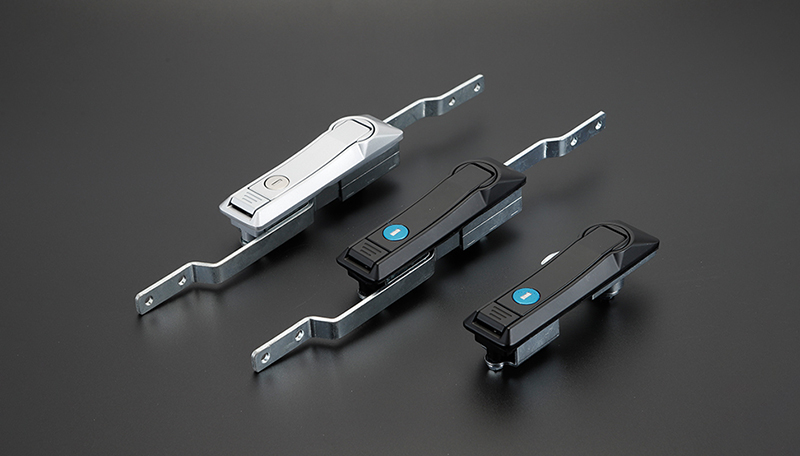
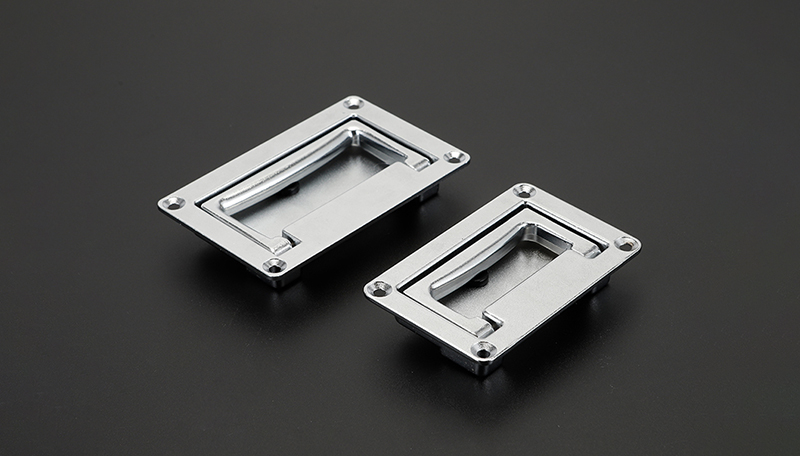
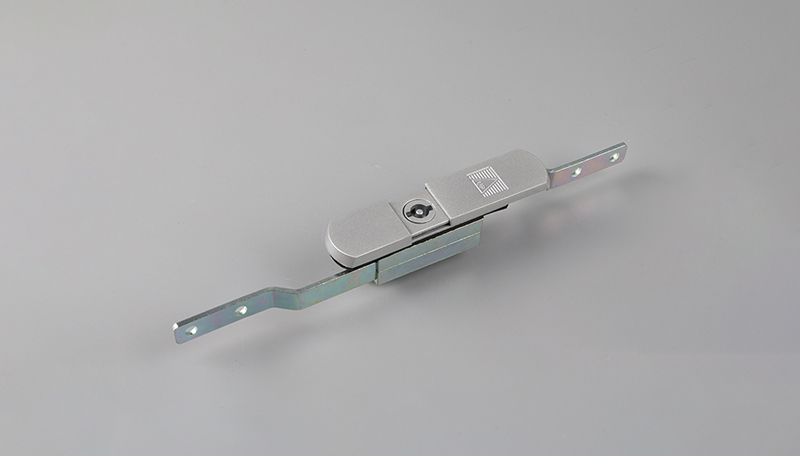
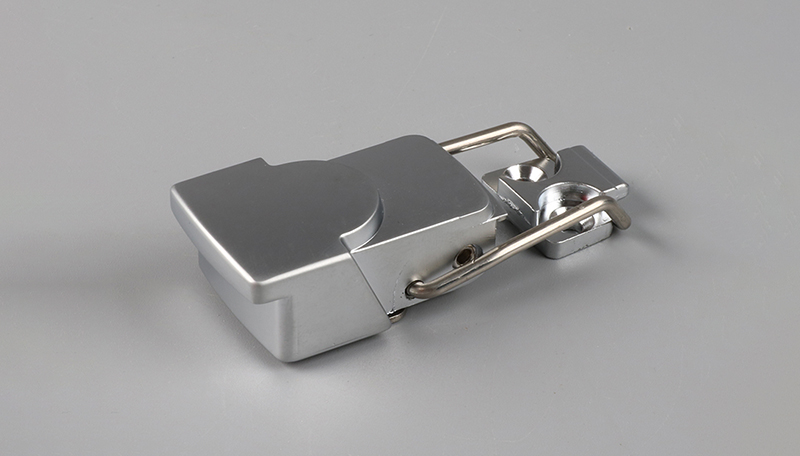
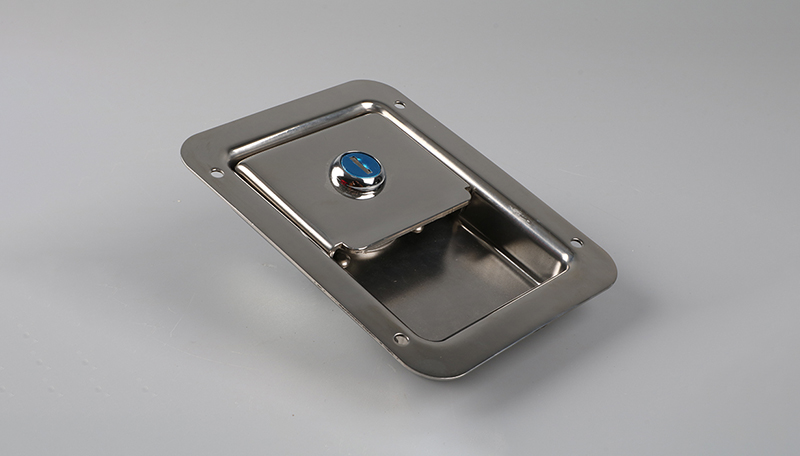
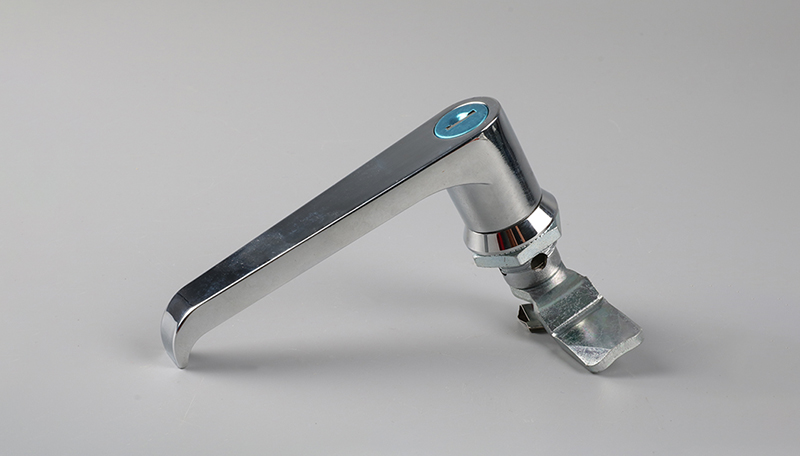
An electrical panel handle is the operating device attached to the door of an electrical enclosure. Its primary function is to provide a reliable means to open and close the panel. Modern handles are engineered to do much more. They often integrate locking mechanisms to prevent unauthorized access, house multi-point latching systems for a secure seal, and are designed to withstand harsh industrial environments. It is the guardian of the equipment inside.
Key Advantages of a High-Quality Handle
Investing in the right panel furniture goes beyond just finding something that fits. A well-designed handle offers several tangible benefits that protect both personnel and equipment.
●Enhanced Safety and Compliance: In industrial settings, safety is paramount. Many handles are designed to allow for lockout/tagout procedures, ensuring that panels cannot be energized while maintenance is being performed. This helps facilities comply with strict workplace safety regulations.
●Durability and Longevity: Industrial enclosures are often located in demanding environments. A robust electrical panel handle, typically made from materials like stainless steel or heavy-duty zinc alloys, resists corrosion, impact, and wear. This ensures reliable operation for years, reducing the need for frequent replacements.
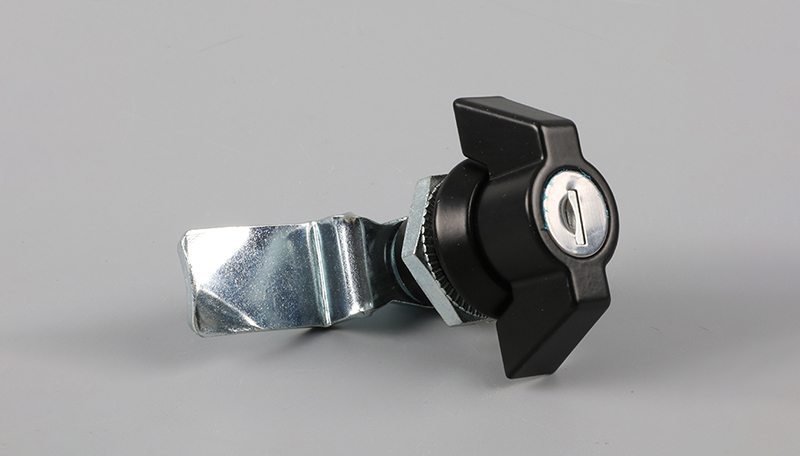
●Tamper Resistance and Security: Protecting sensitive electrical components from tampering or vandalism is a top priority. Many handles feature key-locking inserts or are designed to accept padlocks, providing a physical barrier against unauthorized entry.
●Ergonomic Operation: For panels that are accessed frequently, an ergonomic handle design reduces strain on the user. A smooth, comfortable grip makes opening and closing heavy doors effortless, improving the daily workflow for technicians.
Common Applications and Use Cases
The versatility of the electrical panel handle means it can be found across a vast range of applications. The specific demands of the environment often dictate the best type of handle to use.
Industrial Manufacturing Facilities
On a factory floor, panels are subject to vibration, dust, and constant use. Heavy-duty compression latches or multi-point handles are common here. They ensure a tight seal against contaminants and provide the strength needed to secure large, heavy doors on motor control centers and distribution panels.
Commercial Buildings
In offices, schools, and hospitals, aesthetics often matter as much as function. Sleek, modern handles in a variety of finishes are used on IT and telecommunication cabinets. These need to be secure but also blend seamlessly with the professional environment.
Outdoor and Harsh Environments
For applications like traffic control cabinets, outdoor telecom enclosures, or wastewater treatment plants, weather resistance is critical. Handles with built-in gaskets and made from corrosion-resistant materials protect the internal components from rain, ice, and extreme temperatures.
Renewable Energy Systems
As solar and wind power installations grow, so does the need for durable enclosures. Compact, secure handles are used on inverter and combiner boxes, providing easy access for technicians while withstanding constant exposure to the elements.
How to Choose the Right Electrical Panel Handle
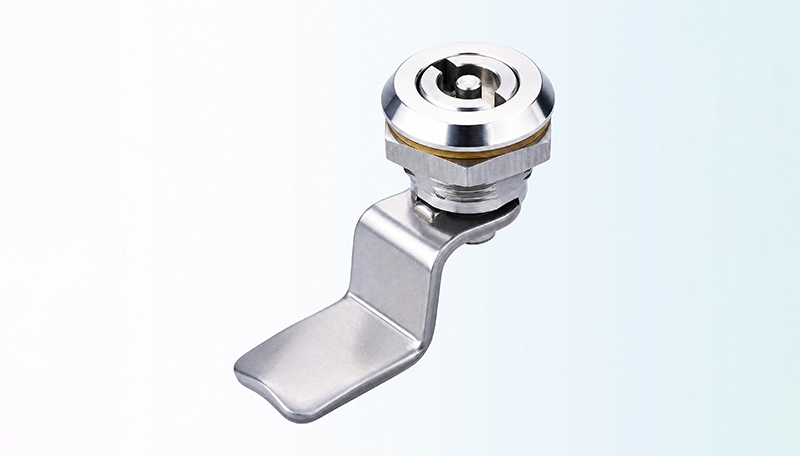
Selecting the correct component involves considering several practical factors. First, evaluate the material plastic handles are cost-effective for light-duty indoor use, while metal handles are mandatory for high-security or outdoor settings. Next, consider the locking mechanism. Do you need a simple tool-operated style for quick access, or a high-security cylinder lock? Finally, think about the style of operation: a simple lift-and-turn handle might suffice for a small junction box, but a large enclosure may require a geared swing handle for smooth, multi-point latching.
By understanding these key features and applications, you can confidently select the perfect electrical panel handle that meets your needs for security, durability, and ease of use.
