
 Rod lock

Handle Lock: Definition, Function, and Industrial Applications
Handle locks are an essential locking device for safeguarding commercial items and locations. Handle locks protect commercial property (including electrical distribution cabinets) and industrial transportation vehicles (including RVs and trains), to provide extra protection from loss due to theft or damage due to weather conditions or vandalism. In this article we will provide in-depth information about the handle lock including its function, and how it can be used in various industries to provide a reliable locking device for businesses.
What is a Handle Lock?
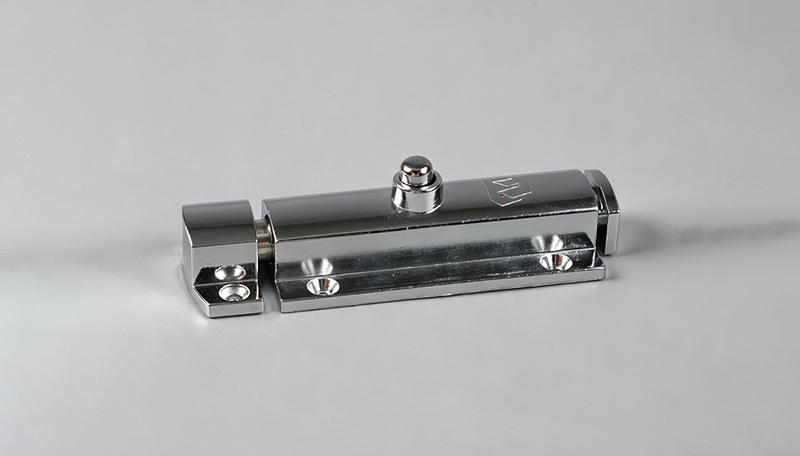
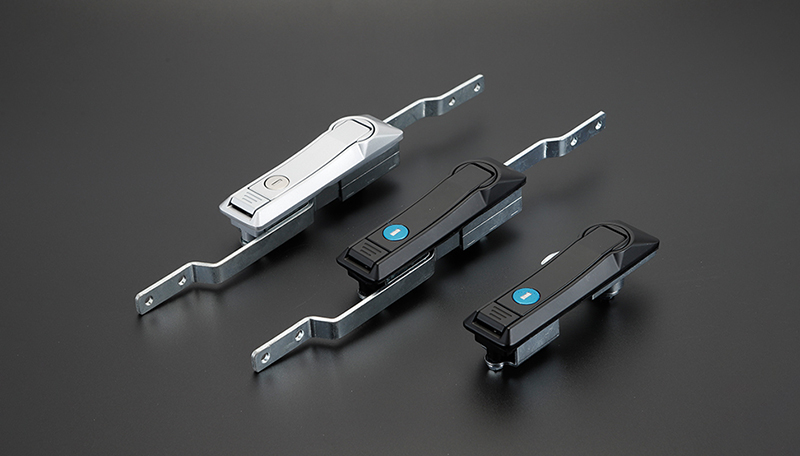
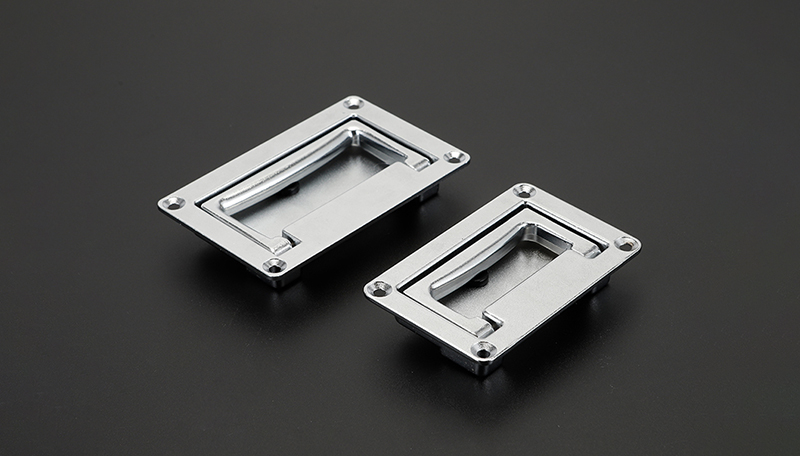
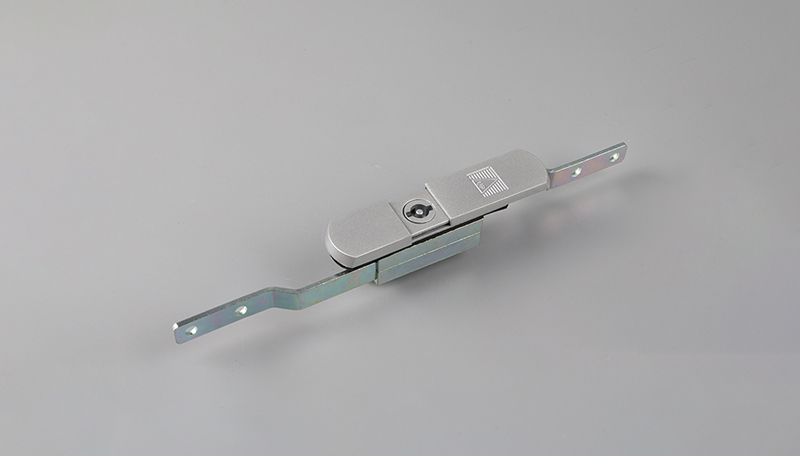
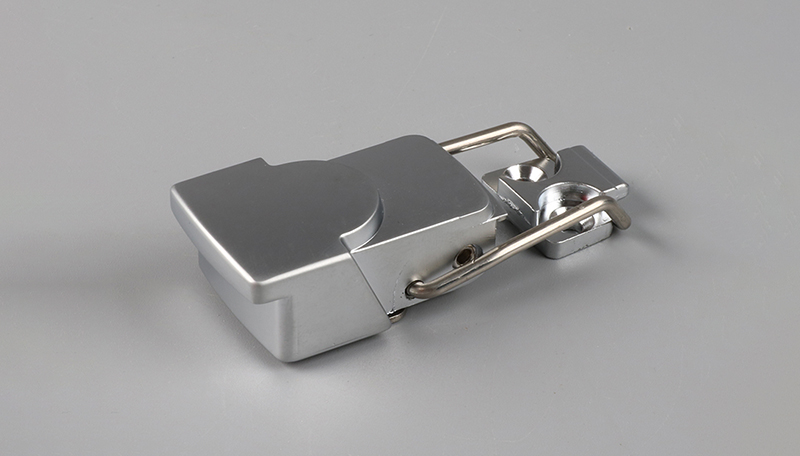
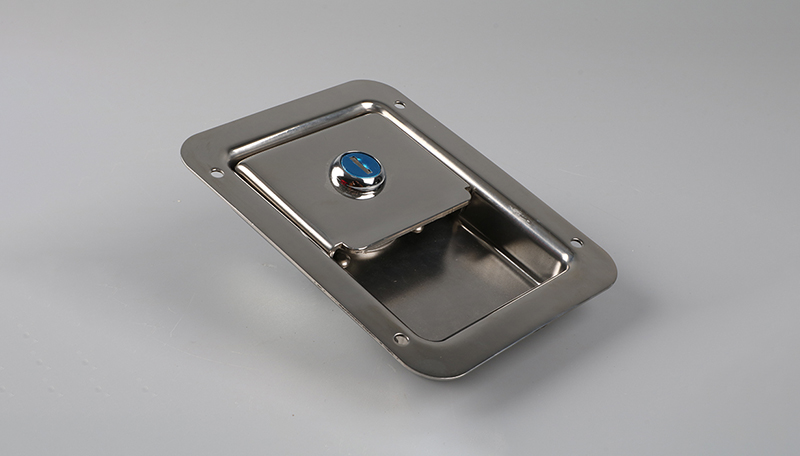
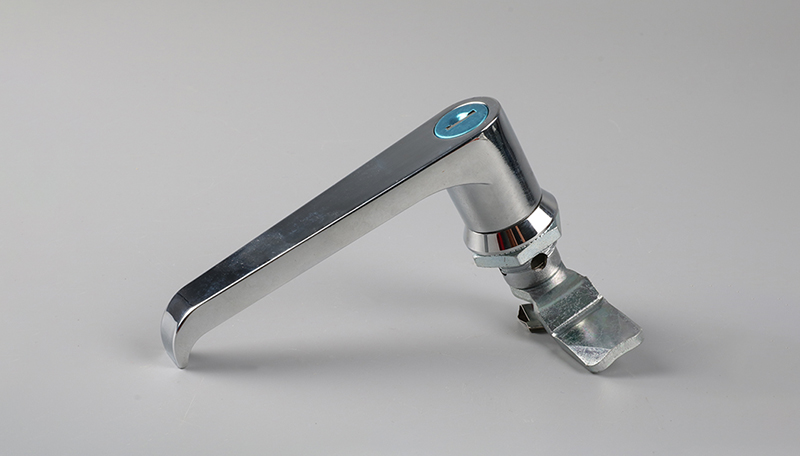
A handle lock consists of an integrated handle and a locking system, which typically mounts inside an enclosure. The handle lock is primarily used in lockers/enclosures, cabinets, or access points where security features and functionality are of utmost importance. Handle locks are designed so that they provide secure fastening as well as allowing users to easily unlock the enclosure and lock it again. In an industrial environment, handle locks must meet many strict standards for resistance of tampering, durability under adverse conditions, and/or compliance with applicable industrial regulations.
The Function of a Handle Lock in Industrial Settings
For industrial applications, a handle lock's main purpose is to secure access to critical/sensitive equipment (or other equipment). The lock not only restricts unauthorized physical access but also provides various lock functionality (e.g., manual or electric). This lock functionality protects valuable electrical or mechanical components or tools or any other high-value items that are stored inside cabinets, compartments, or enclosures.
The design of industrial lock handles may be developed to have an ergonomic design, be resistant to weather, be weather resistant, and resistant to corrosion and wear, so that they continue to function properly in extremely demanding situations.
Common Uses of Handle Locks in Industry
Handle lock sets are most frequently found within an industrial environment, where safety, reliability and ease of operation is required. Some examples of how handle locks are commonly utilized include:
1. Electrical Distribution Cabinets
Locks for industrial and commercial applications are vital to providing a secure means of access for electrical enclosures including power distribution cabinets, switchgear and control panels. Locks that provide access control to these types of enclosures provide a degree of safety for the contents within the enclosure by preventing unauthorized access and thereby reducing the potential of tampering, theft and accidental damages. An important feature for locks in these types of applications is dust and moisture resistance, this can be especially important in conditions with extreme weather or hazardous environments.
2. Transportation Vehicles
Transportation vehicles including buses, RV's and trains typically have handle locks on them. For instance, train handle locks are made to lock down access points to essential compartments and equipment, allowing for the safe operation of trains. Many RVs and campervans use handle locks to secure storage areas, doors, utility access points and other areas to create a balance of convenience and durability.
3. Industrial Machinery
Machinery and plant machinery that need a periodic maintenance program are commonly supplied with homes or entry points that are secured by locking devices. Locking devices are used to limit access of unauthorized persons to machines and prevent accidents, inappropriate use or damage, in addition to protecting publicly owned assets.
4. Server Racks and IT Cabinets
Locker keys are essential in data centers and/or office buildings as they protect server racks along with cabinets with IT equipment. These locks can keep sensitive documents and highly-priced equipment secure from people with unauthorized access, thereby significantly reducing the chances of a data breach or theft.
5. Telecommunications Enclosures
Most telecom hardware is kept within the confines of a specific enclosure with strong & tamper-resistant handles, which protects critical infrastructure & provides a way to keep communication networks up & running when in an extremely rugged or sensitive environment.
6. Medical Equipment and Supply Cabinets
Lock handles in hospitals and labs are used to protect medical devices, drug inventories, and sensitive information (like patient records). Lock handles can also be integrated into cabinets for regulatory compliance as well as protecting at-risk environments.
Key Features of Industrial Handle Locks
Different features must be considered when selecting industrial unhandle locks to provide maximum performance for demanding environments:
- Longevity - Industrial handle locks are commonly constructed of materials such as zinc alloys or stainless steel in order to resist wear and corrosion.
- Because of their waterproof and dustproof designs, these locks can be utilized in outdoor cabinets or vehicles that are subject to difficult weather conditions (rain, dust, etc.).
- Lock Options for Either Keyed or Keyless Types: Such locks can be equipped with either traditional keys, electronic code access, or RFIDs depending on what is needed for security control.
- Safety Standards: It is crucial that many industrial handle locks comply with certain safety standards, guaranteeing that they will be correspondingly compliant with legal requirements and/or industry-related standards or laws.
Types of Locks Used in Industrial Applications
These six different types of locks are regularly used in many different applications.
Examples of types of locks include:
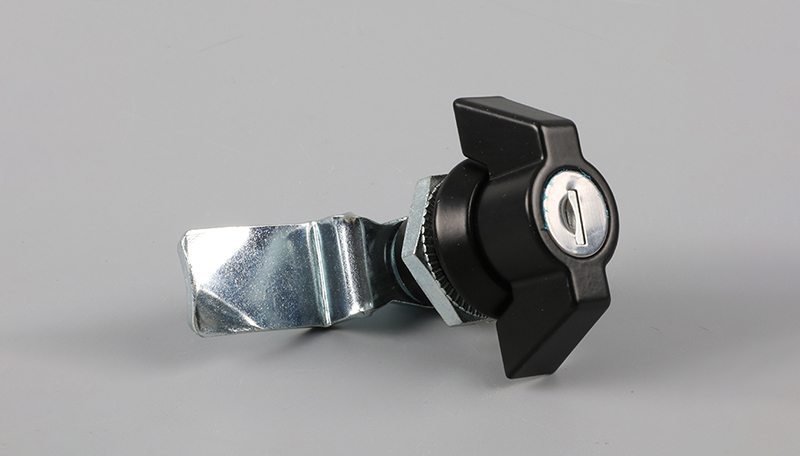
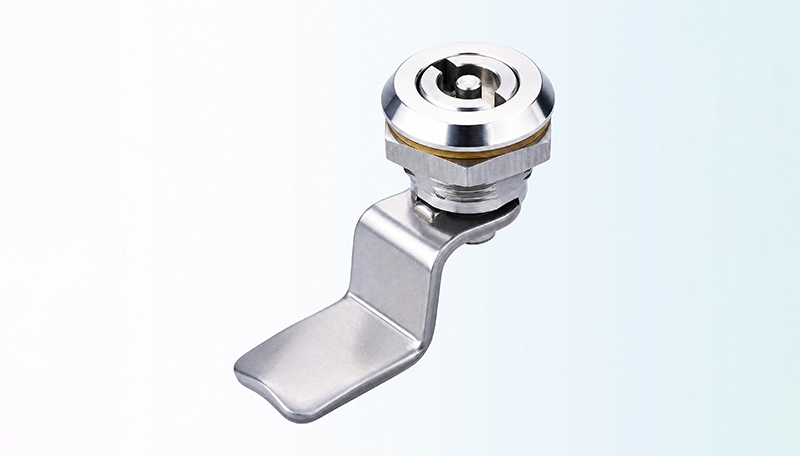
- Cam Locks: Typically used in small cabinets, lockers or drawers. They are compact and easy to use.
- T-Handle Locks: T-Handle locks are often found on vending machines, storage compartments, and utility cabinets.
- Push-Button Locks: Used in locations with controlled access such as, server rooms and healthcare.
- Compression Locks: Designed to compress against a gasket creating a tight, weatherproof seal when closed. Compression locks typically used in electrical or outdoor enclosure units.
- Swing Handles: Swing handles are found on most electrical cabinets and provide ergonomic design features along with high security locking mechanisms.
- Quarter-Turn Locks: Quarter-turn locks are easy to operate and are used for access panels or/and light-weight enclosures.
FAQs about Handle Locks in Industrial Use
What are the advantages of using handle locks for electrical distribution cabinets?
With handle locks in place, there is a level of security that prevents unauthorised access to sensitive electrical components. These locks also protect electrical components from environmental hazards such as dust, moisture and extreme temperature which ensures that the locks and the cabinets provide reliable service for a long time.
Handle locks are commonly used on trains, RVs and many other types of moving vehicles, so the necessary compartments are securely locked for both safety and functional purposes. The solid construction of handle locks can endure vibration, temperature fluctuations and the extraordinary amount of use these types of locks experience!
Is it possible to customize handle locks for unique purposes?
Yes, many manufacturers produce handle locks with a variety of different material options, locking mechanisms, and design features so that their handle locks can meet a broad array of different industrial uses.
Conclusion
Handle locks provide a reliable, flexible security solution for industrial applications such as electrical cabinets, transit vehicles, and machinery enclosures. They combine secure protection with easy access, safeguarding valuable assets while enabling efficient operations across all industries. When selecting a handle lock, consider both your specific operational requirements and the environmental conditions it must withstand. Whether you need ultimate security for trains or a rugged lock for electrical distribution cabinets, handle locks deliver the security and performance that modern industries depend on.
