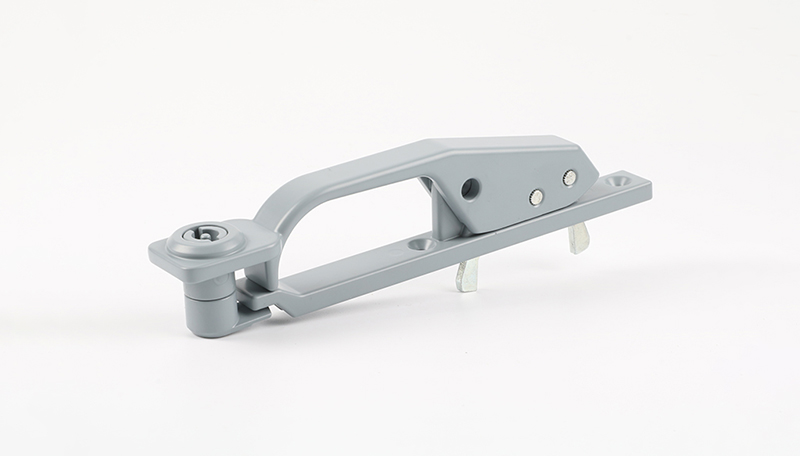
Rod lock

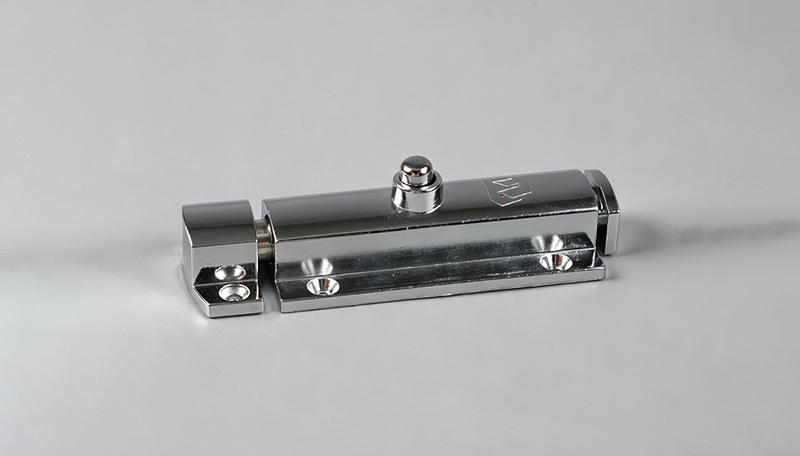
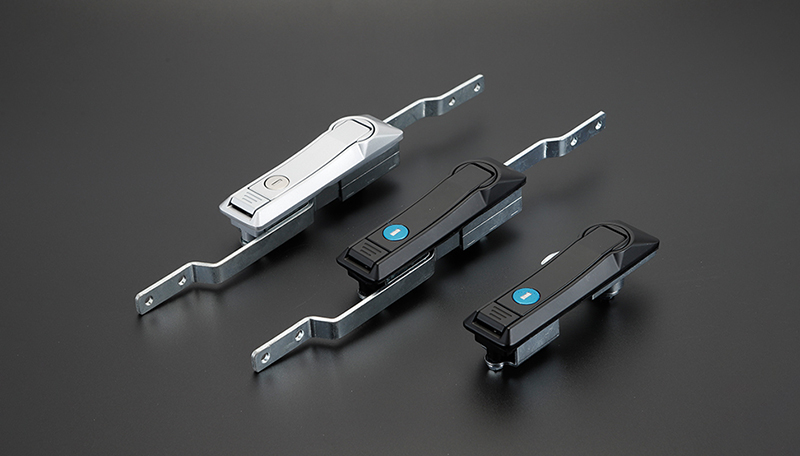
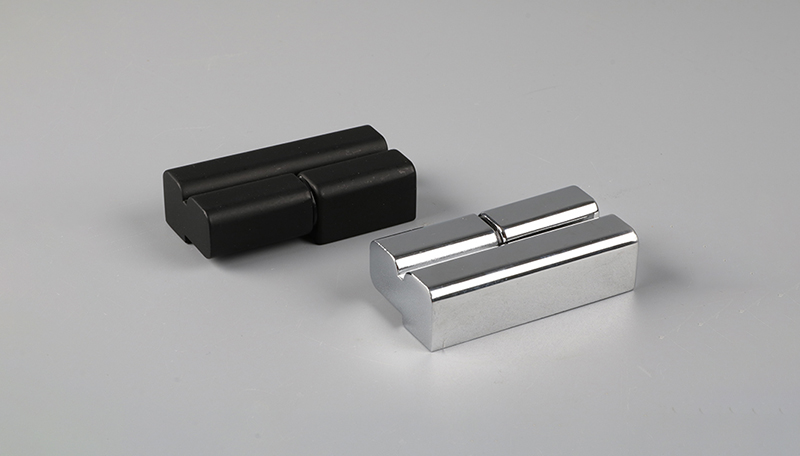
Handle Lock for Cabinet: A Complete Guide to Types & Installation
A cabinet handle lock is a vital security component in industrial settings, commonly used on electrical distribution cabinets and in transportation applications such as automotive, RV, bus, and rail systems. Designed with robust materials and sophisticated mechanisms, these locks secure valuable equipment while withstanding heavy use and allowing convenient access. This guide explores key applications of handle locks for cabinets across electrical panels and vehicles, and offers practical tips on installation and selecting the right lock handle for your specific needs.
Primary Industrial Applications of Handle Locks for Cabinets
Lock devices handle locks for cabinets are becoming more prevalent in settings that require stringent controls and access to equipment, machinery, and/or electrical devices. Here are a few of the industrial applications using this type of lock:
1. Electrical Distribution Cabinets: In industrial plants, electrical panels containing circuit breakers, switches or other operational systems need to be secured by handle locks. Locks are an effective means of providing security from unauthorised access, and protecting personnel.
2. Transportation Vehicles: Railway Systems, Buses, and Other Passenger Trains Will Use Cabinet Handle Locks For Engine Compartment, Storage, And Other System Security.
4. Outdoor Protective Enclosures: Many external electrical cabinets and enclosures use weather resistant key type locks that will secure these devices from tampering and elements and are the preferred way of securing these types of cabinets and enclosures.
Types of Handle Locks Suitable for Industrial Cabinets
Heavy-duty and adaptable locks are essential to industrial applications. Here are some of the most frequently used handle locks created for applications subjected to extreme conditions.
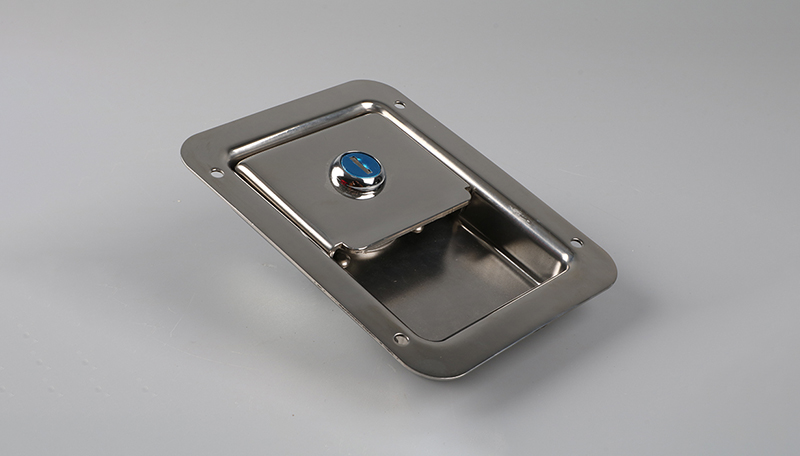
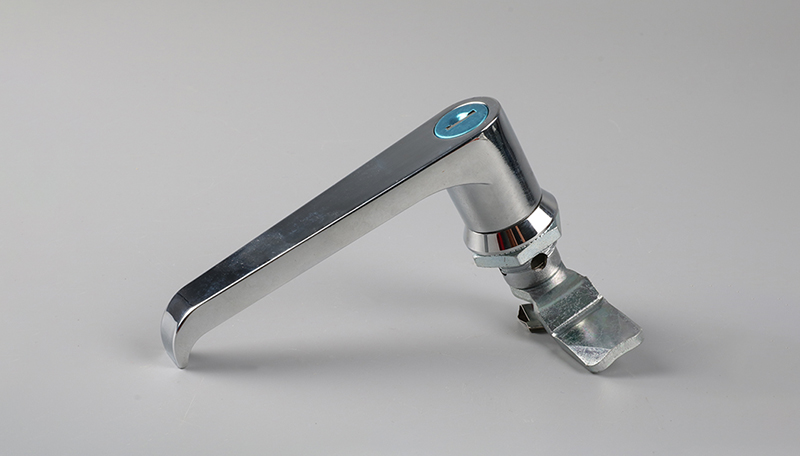
1. Swing Handle Locks: Typically found in electrical distribution cabinets, these types of locks are designed for quick access but still provide a high level of security. They are usually available with a key, combination or electronic access to allow the user to choose how best to lock their cabinet.
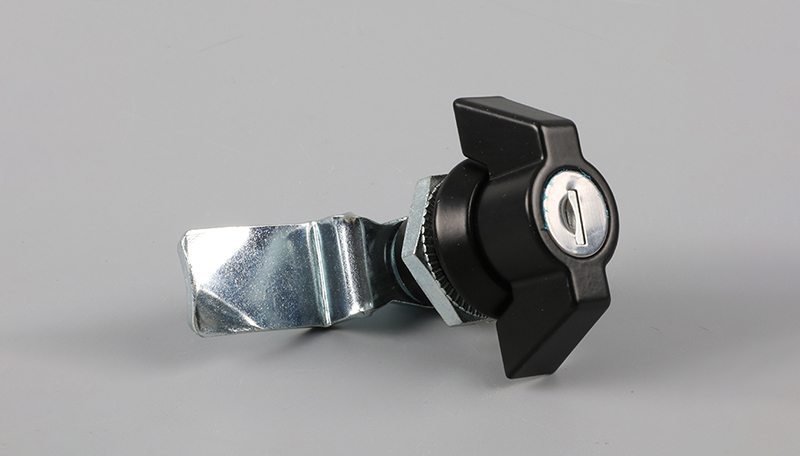
2. T-Handle Locks: Due to their strength, T-handled locks are typically found on transport vehicles and give good protection for storage and trailers.
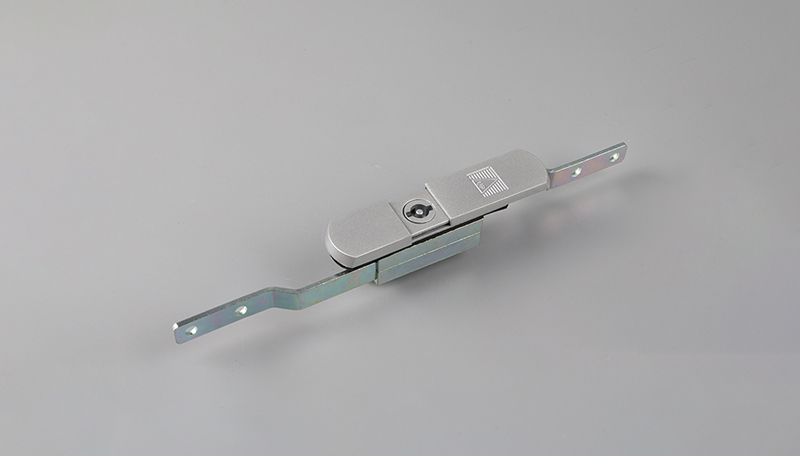
3. Multi-Point Latch Locks: Locking cabinets in high-security situations is best accomplished by using multiple points of locking along the length of the cabinet door to create multiple unnecessary weaves in order to make it complex for a person to tamper with locked doors.
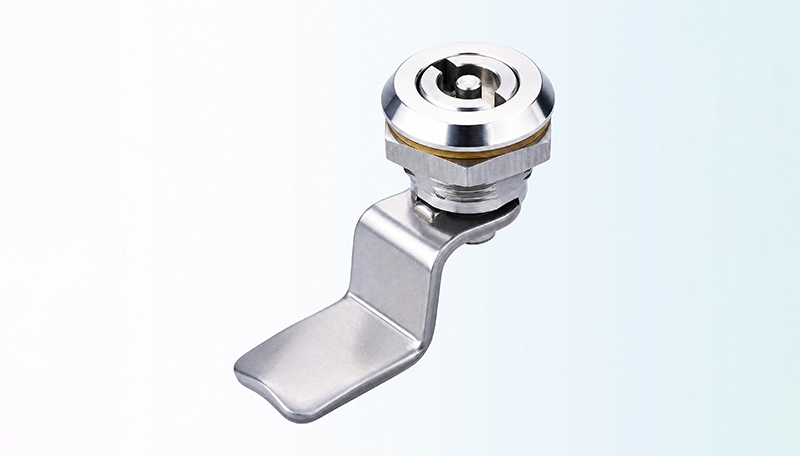
4. Compression Locks: These types of locks are generally used where a tight seal is required so it is common for these kinds of locks to be used to ensure that cabinets are sealed against water, dust or vibration; therefore, both types will provide an excellent fit for outdoor cabinets as well as for the transport of products.
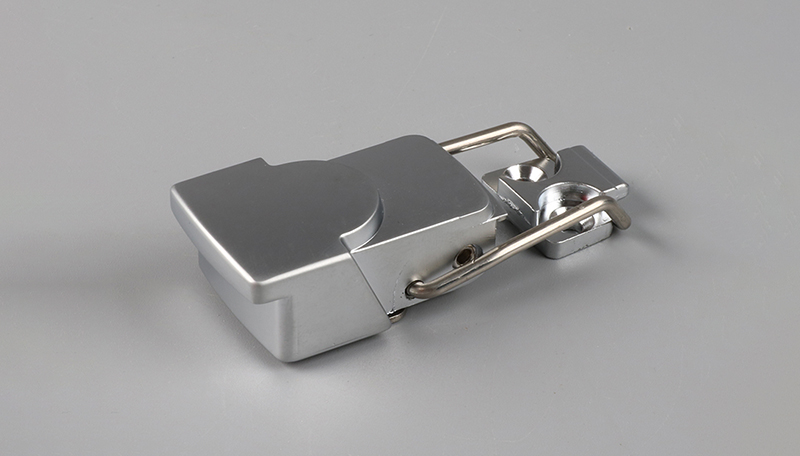
5. Padlockable Handle Locks: Additional security can be added to these locks because they feature a padlock-style lock. These locks are common in shared offices or industrial facilities when a flexible/modular security option is required.
Choosing the Right Handle Lock for Your Industrial Cabinet
Selecting the appropriate lock or handle for an industrial application requires consideration of various factors. To help make the selection process easier, please refer to our recommendations:
1. Material Compatibility: Choose handle locks designed for use on metal cabinets if your cabinet is comprised of metal. These types of locks typically offer better durability in industries and are able to withstand considerable abuse due to their construction.
2. Environmental Factors: The locks for outside use should be chosen based on their ability to prevent corrosion from being exposed to the elements. Corrosion-resistant locks made of stainless steel or zinc alloy will provide long-lasting durability, even when exposed to harsh conditions.
3. Security Level: Due to their containing sensitive equipment, electrical cabinets and industrial cabinets should be locked using high-security locking systems like multi-point latching and tamper-proof designs.
4. Ease of Use: To improve operations for high-traffic industrial or transport sites, use simple-to-use locks like swing handle and electronic locks for efficiency.
How to Install a Handle Lock on an Industrial Cabinet
Depending on what type of lock you have and the structure of your cabinets, the installation process may differ. Here is a general step-by-step guide to installing handle locks.
Step 1: Gather Tools and MaterialsGather your supplies, which will include a drill, screws, screwdriver, and possibly measuring tape. Be sure to review the manufacturer’s specifications for any special tools you may require for installation.
Step 2: Measure and Mark the PositionIdentify the proper handle lock location. In the case of industrial cabinets, this is usually set either in the middle of the door, or away enough from the side or bottom of the door so that it can be easily reached in an ergonomic manner.
Step 3: Prepare the Cabinet DoorMake sure to use a drill to create all the required hole locations for the mounting of locks; be sure the size of these hole locations conforms to the measurements shown in the lock’s installation instructions.
Step 4: Attach the LockPlace the handle lock into the appropriate hole and line it up with the lock mechanism. Tighten down screws; make sure that you do not over-tighten, since this could damage the lock or cabinet.
Step 5: Adjust and TestAfter installing the lock, be sure to test the lock to check for proper operation and whether or not the cabinet will stay securely closed. If the lock needs some slight adjustments, adjust them until they are lined up as intended.
FAQs about Industrial Handle Locks for Cabinets
What type of handle lock works best for electrical distribution cabinets?Swing handle and multi point latch locks offer reliable locking options for electric cabinets as they offer safety and can be used with a range of industrial equipment.
Are there weather-resistant handle locks for outdoor cabinets?Absolutely, corrosion resistance and the ability to withstand extreme weather conditions is a common feature of both stainless steel and zinc alloy compression locks.
How often should I inspect industrial cabinet locks?
Locks on industrial cabinets should be inspected regularly, ideally once every 3–6 months, to ensure they remain functional and free of wear or damage.
A durable handle lock for cabinet is essential for securing industrial equipment, preventing unauthorized access, and maintaining a safe workspace. Choosing the right lock type—such as a swing handle, compression, or electronic lock—and installing it correctly helps protect electrical cabinets, transportation vehicles, and other industrial setups. Evaluating your specific needs ensures you find the most suitable security solution.