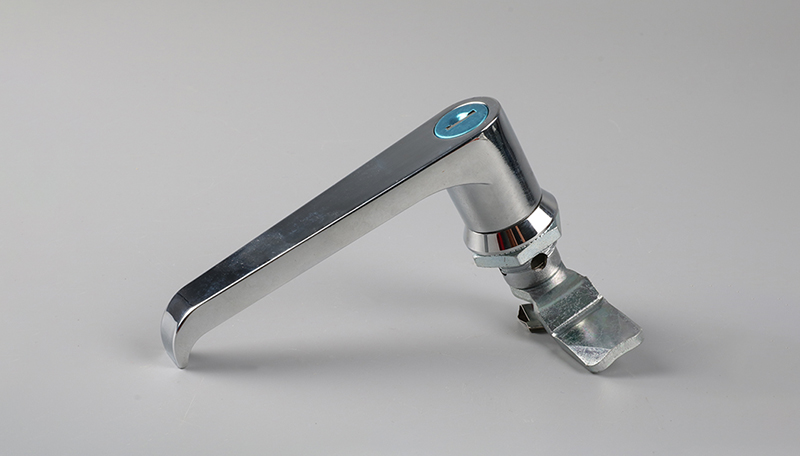
Rod lock

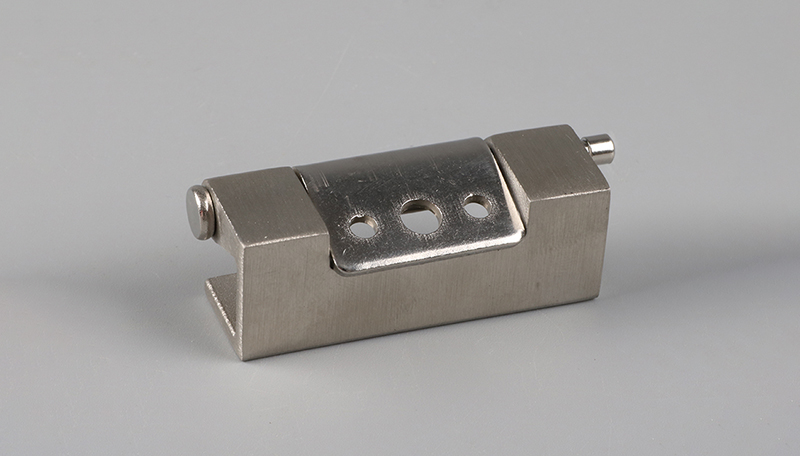
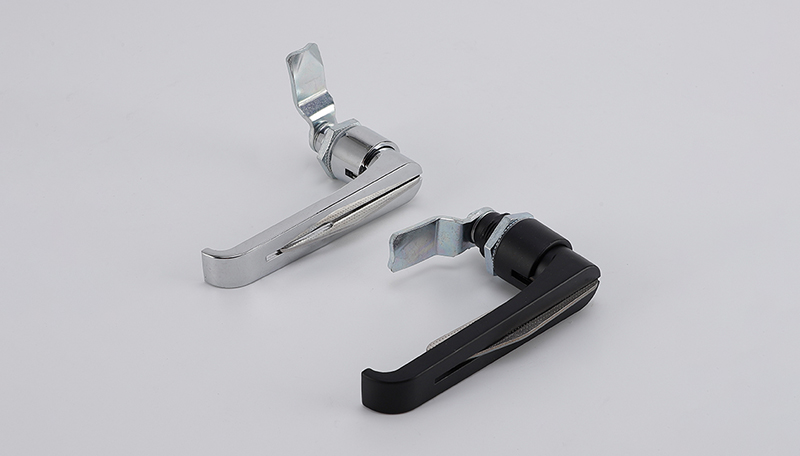
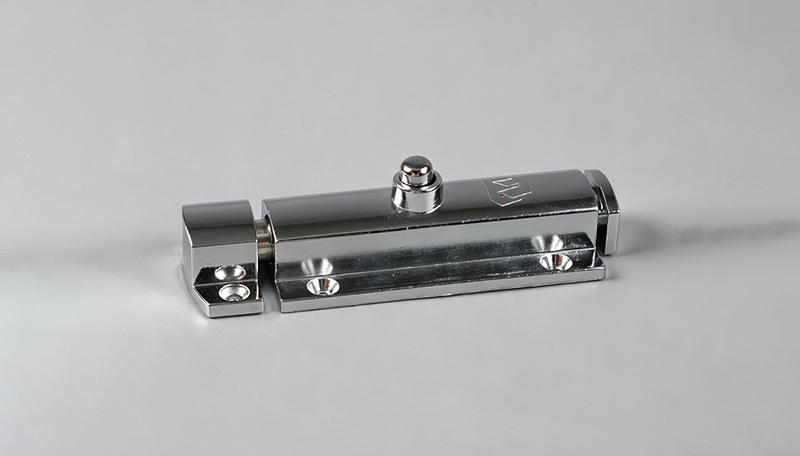
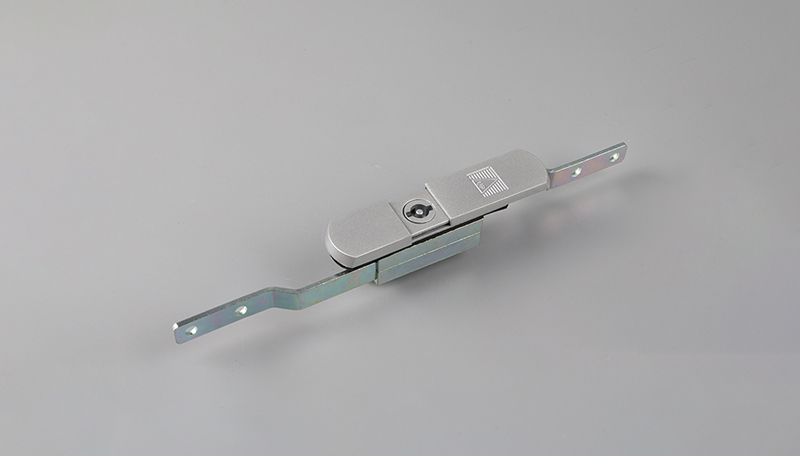
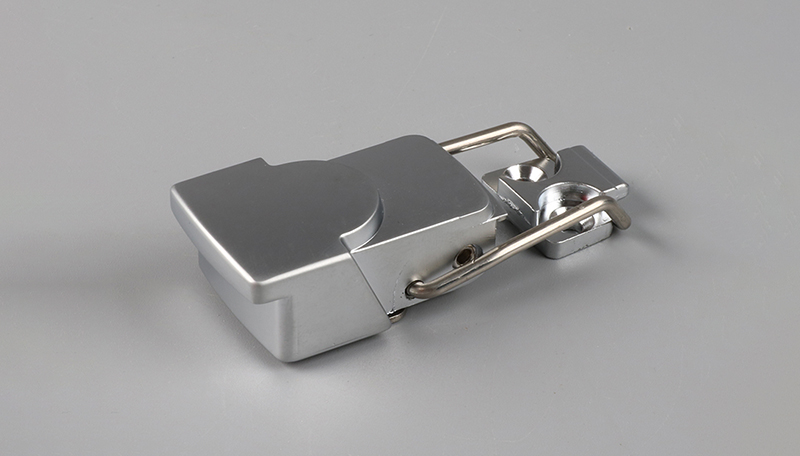
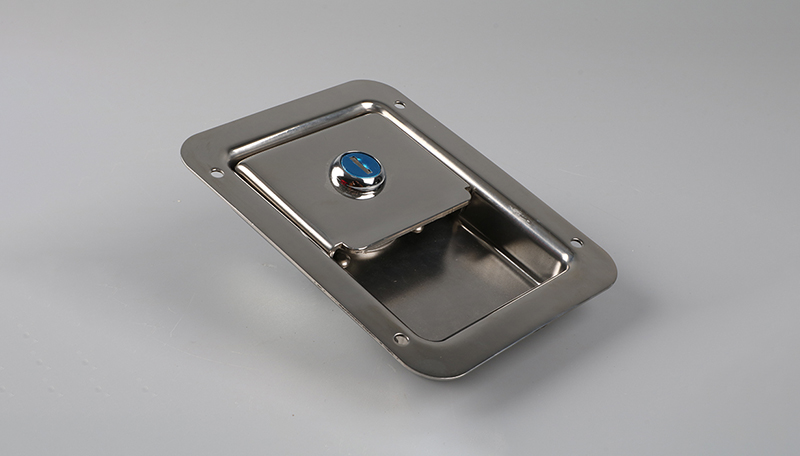
Handle Locks: Benefits and Best Uses
The door handle lock is a physically simple invention that combines the operation of door opening with a locking function. This feature not only allows access to doors but also allows locking some doors to restrict access to storage cabinets, panels, machines, etc.
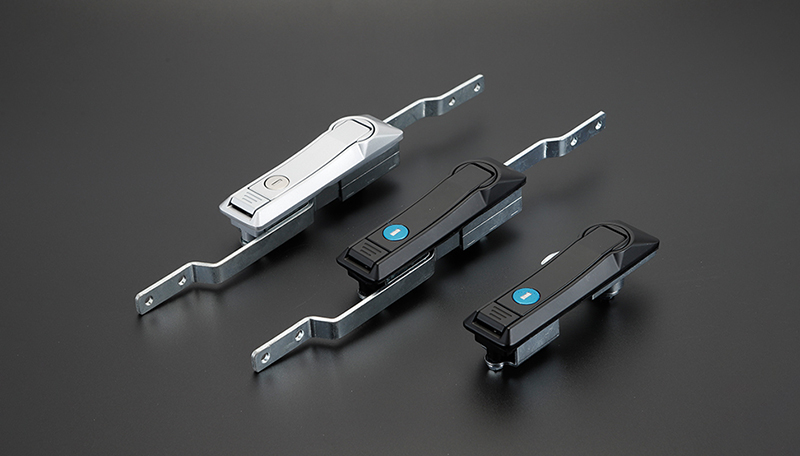
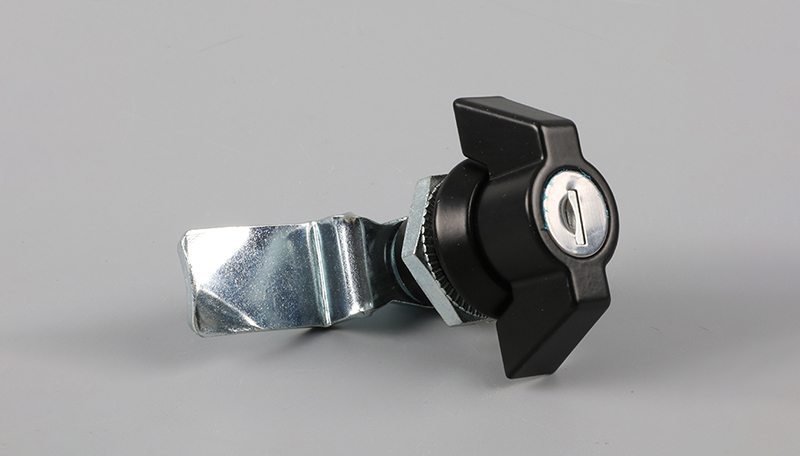
You can choose from various types of handle locks, including industrial handle locks, lever handle locks, swing handles, T-handles, quarter-turn locks, and locked models. Your choice will depend on your needs with regard to security measures, door size, operating frequency, and climate conditions.
What Are Handle Locks?
A handle lock is defined as a handle which already contains a cam, latch, bolt, or cylinder. Once unlocked, the handle will allow the door or the panel to open. If it is locked though, the mechanism is going to keep it shut.
These types of locks function with the help of keys, codes, electronic access mechanisms, or through the use of another padlock. Typically, they are applied on electrical boxes, control cabinets, tool chests, machines, and equipment used outside.
Key Benefits of Handle Locks
Convenient Operation
With the help of a locking handle one is able to unlock and open the door very easily and conveniently. Lever designs and T-handle designs are very easy to grab and use by the operators, even if they have the gloves on.
Better Security
An appropriate Handle Lock ensures the safety of tools, electric components, papers, and dangerous tools. There are key, master key, combination, or electronic locks for different access needs.
Space-Saving Design
The combination of handle and lock saves door space. This is helpful for size-constrained cabinets, dense control panels and mobile instruments.
Reliable Door Retention
Different types of handles can release when vibrations, movement or pressure shifts take place. Multipoint models work by utilizing locks that connect rods at various points for improved retention.
Durability and Environmental Protection
Stainless steel, zinc alloy, coated steel, or reinforced plastic could be utilized in industrial designs. Weatherproof variants help keep outdoor equipment safe against dust, humidity, and rust.
Common Applications
Handle locks are mostly required in lockable electrical and control enclosures, as well as in instance of working with machinery, systems of automation, equipment used in telecommunications, toolboxes, cabinet compartments with tools, generators, equipment of HVAC and utility equipment that is to be used outdoors.
When it comes to machinery, it is important to select a robust design that can endure vibration and heavy use. As far as electrical cabinets are concerned, a quarter-turn or swing handle is appropriate. Because of their outdoor usage, the materials used should be resistant to corrosion while ensuring that sealing is assured.
How to Choose the Right Handle Lock
Before purchasing, check the following specifications:
- Required security level and key system
- Door thickness, cutout size, and mounting pattern
- Cam shape, latch reach, and locking direction
- Material and corrosion resistance
- Operating frequency and grip comfort
- Required dust, water, or weather protection
When it comes to machinery that is considered to be critical for safety, it's important to determine whether or not the handle must be designed with an interlock or a lockout/tag-out. The handle lock must not act instead of a safety guard or emergency release that is already required.
Installation and Maintenance
Make sure to refer to the manufacturer’s dimensional drawings in order to install the latch correctly. Do not forget to clear off burrs, evenly tighten the mounting mechanism and check if the latch works properly when the door is in both closed and open positions. If the handle is stuck, first fix the door position before trying to force the handle.
Ensure that the machine is well-maintained, check the screws and seals, and apply the correct lubricant. The necessary replacement will occur whenever there is wear of key, cam, spring, or cylinder.
Frequently Asked Questions
Are handle locks suitable for industrial use?
Absolutely. Industrial handle locks are made for equipment doors, machines, and electrical covers. Choose a lock based on the anticipated load, vibrations, as well as the frequency of use.
Can handle locks be used outdoors?
Of course, as long as the product is meant for the outdoors. Ensure that the materials used are resistant to corrosion, that they are fitted with proper seals, and that the rating is appropriate to the environment.
What is a lever handle lock used for?
A lever handle lock is an easy-to-use lock that is effective for doors, cabinets, and equipment panels that need regular access.
To summarize, having the correct Handle Lock contributes to enhanced security, convenient access, efficient utilization of space, as well as effective door holding. To achieve the desired performance of the product over time, select the appropriate lock to fit the nature of the application, its surroundings, size of door, and security criteria.