
 Rod lock


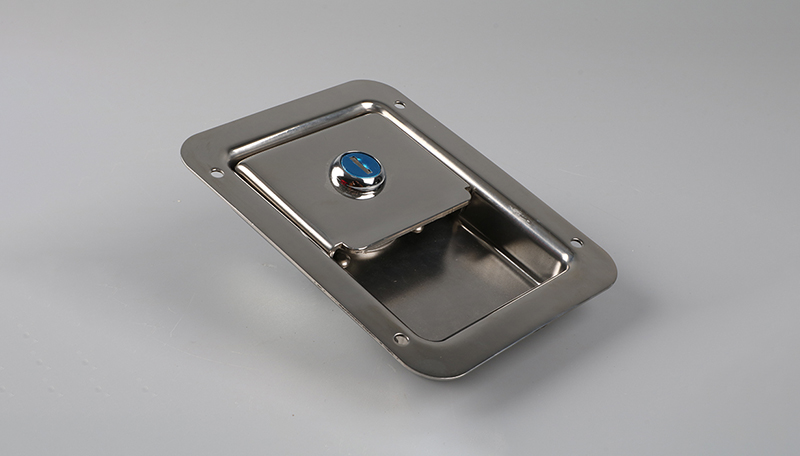
How Are Torque Hinges Made?
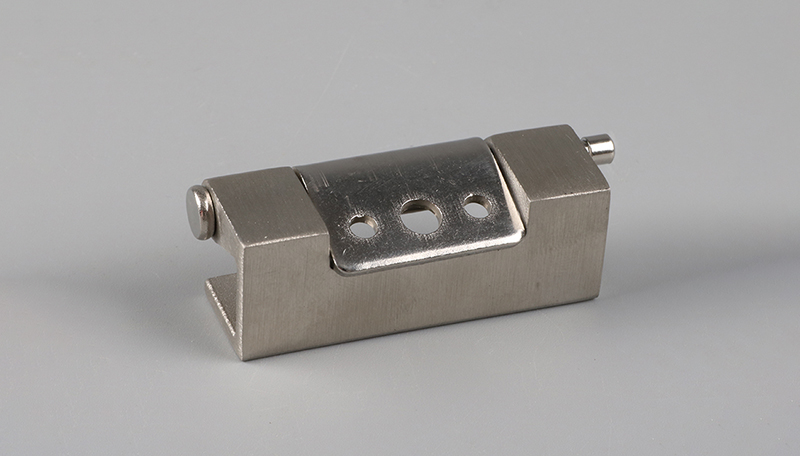
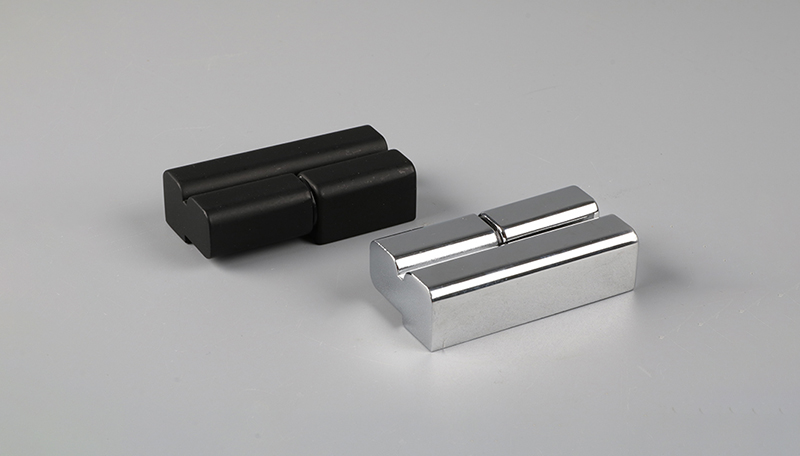
A torque hinge, also known as a friction hinge, is a specialized type of hinge designed to provide resistance when opening or closing. This resistance is what allows objects like laptop screens, folding tablet stands, and cabinet doors to stay in place at any angle without the need for additional support. Torque hinges are widely used in industries such as electronics, automotive, and furniture manufacturing.
How Are Torque Hinges Made?
The process of manufacturing torque hinges involves several key stages, from material selection to assembly. The steps are outlined below:
Material Selection
First, high-quality materials are chosen to ensure durability and strength. Common materials include stainless steel, aluminum alloys, or specialized plastics for lightweight applications. The choice of material depends largely on the intended use of the hinge.
Design and Engineering
Precision engineering ensures that components of the hinge deliver the exact amount of torque needed. Engineers use advanced software to design hinges that meet specific requirements, whether for load-bearing capacity, rotational range, or environmental conditions.
Fabrication
Metal parts are manufactured using processes such as stamping, machining, or casting. These techniques shape and prepare the hinge components to precise dimensions.
Torque Mechanism Integration
The unique feature of a torque hinge is its resistance mechanism. This is typically achieved by incorporating friction plates, springs, or other tension-generating components. The mechanism ensures that the motion is smooth while maintaining the desired level of resistance.
Assembly
The final step is assembling the hinge. Components are put together using automated machinery or skilled manual labor, depending on the complexity of the design. The assembly process includes inserting the torque mechanism, securing the components, and conducting quality tests to ensure optimal functionality.
How Do Torque Hinges Work?
Torque hinges work by creating controlled resistance to rotation. This resistance is usually generated by friction or torsion springs. The combination of forces allows the hinge to hold its position at any angle. In a concealed torque hinge, the mechanism is hidden, making it an ideal solution for applications where aesthetics are as important as functionality.
Frequently Asked Questions
How do torque hinges work?
Torque hinges work by utilizing friction or spring-loaded mechanisms to provide resistance during rotation. This allows the connected components to stay in place at any desired angle.
How are hinges manufactured?
Hinges are generally manufactured through processes like stamping, machining, or casting. The precise method depends on the hinge type and the materials used. For torque hinges, additional components like springs or friction plates are integrated during assembly.
How are hinges assembled?
Hinges are assembled by combining individual components, such as leaves, pins, and torque mechanisms, into a single unit. Assembly can involve automated machinery or manual labor, followed by rigorous quality testing.
What is the formula for torque of a hinge?
The torque of a hinge can be calculated using the basic formula: Torque = Force × Distance, where force is the applied load, and distance is the perpendicular distance from the axis of rotation to the point where the force is applied. Precise calculations are crucial for designing hinges that function as intended.
Applications and Trending Uses of Torque Hinges
Torque hinges are increasingly used in various environments, including:
- Electronics: Laptops, tablets, and monitors.
- Furniture: Cabinets and hidden compartments.
- Automotive: Cup holders, glove boxes, and visors.
- Medical Equipment: Adjustable beds, trays, and instrument cases.
Innovation in concealed torque hinge designs is also trending, with a focus on creating sleeker, unobtrusive solutions for consumer products.
The Future of Torque Hinges
As industries strive for more streamlined and user-friendly designs, the demand for compact and durable torque hinges continues to grow. Innovations in materials and manufacturing processes are set to make torque hinges even more versatile and reliable in the years to come.
Conclusion
Understanding "how torque hinges are made" gives us a deeper appreciation for these small but powerful components that enhance the functionality of countless products in our daily lives. From intricate manufacturing processes to their wide-ranging applications, these hinges truly have a significant impact. Whether you're looking to source torque hinges for your business or simply curious about their workings, this guide has covered the essentials to help you make informed decisions. For more information or to discuss your requirements, feel free to reach out to our team of experts today!
