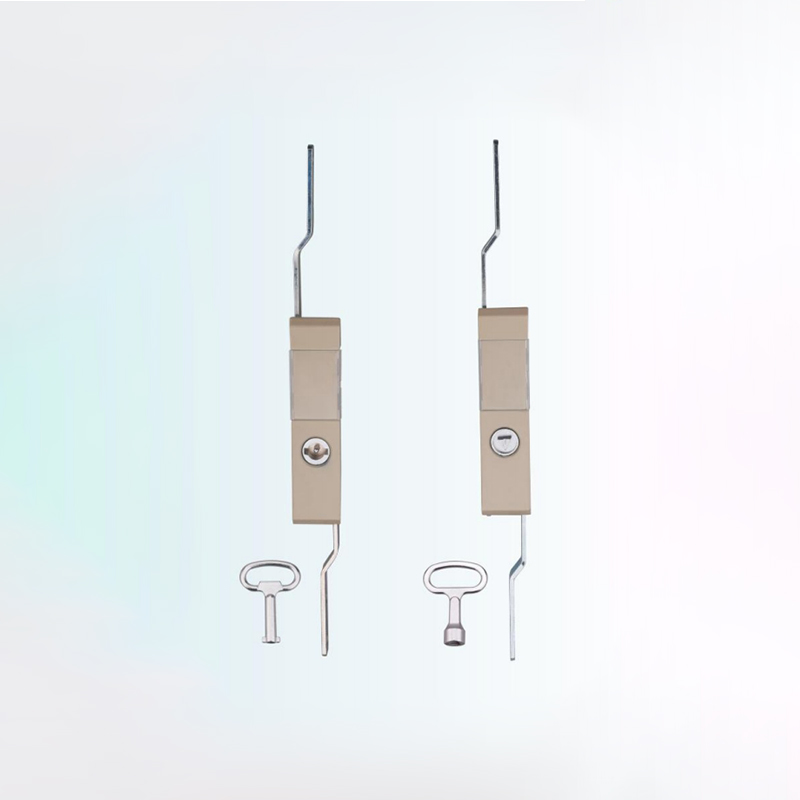
Rod lock

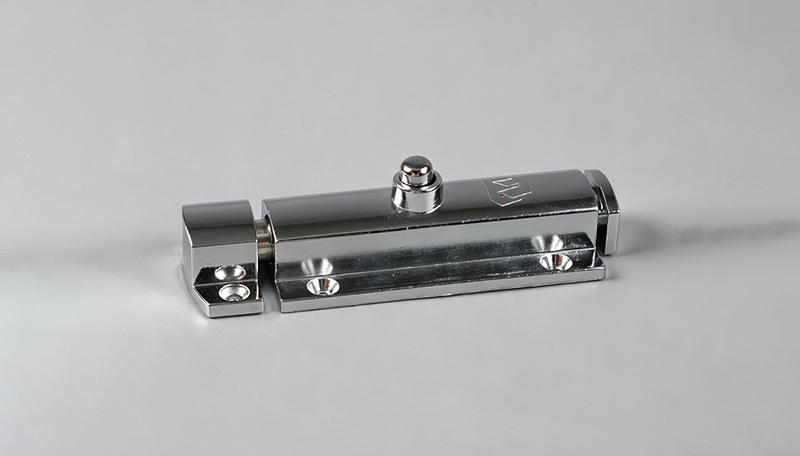
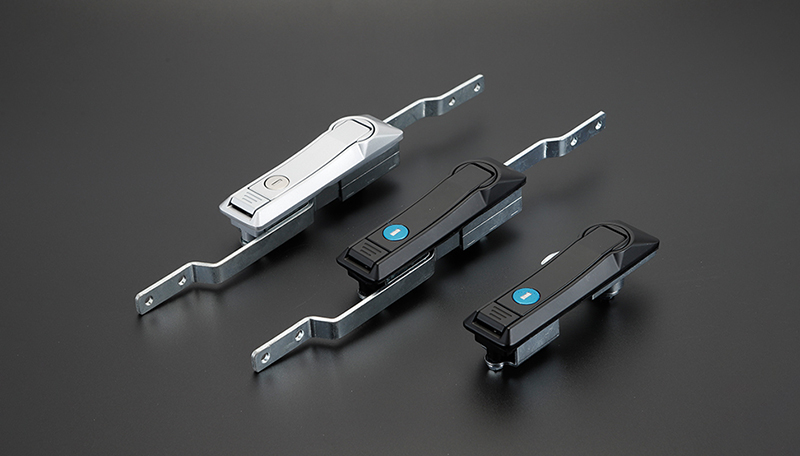
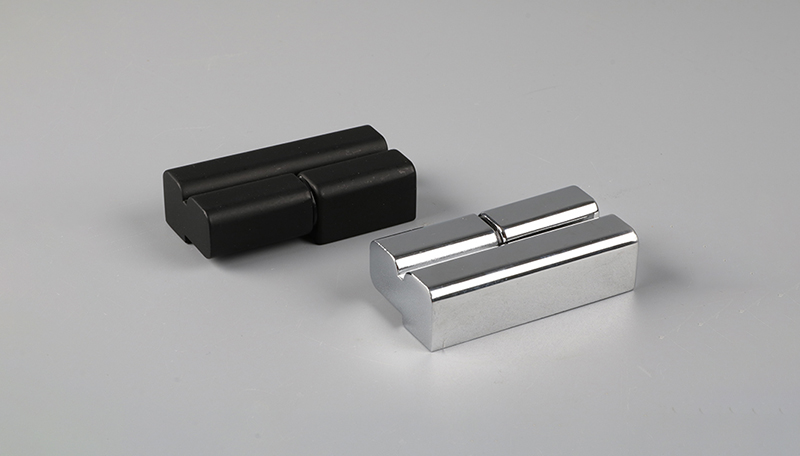
How Rod Locks Work: Securing Panels and Enclosures?
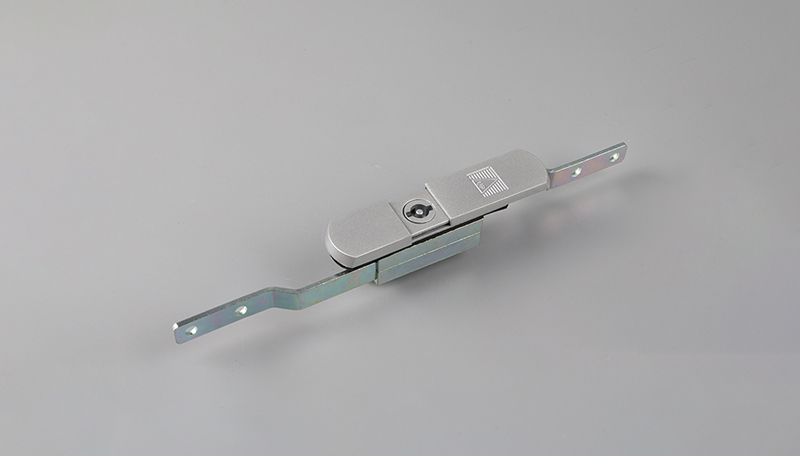
You might not pay much attention to a rod lock when you open an electrical cabinet, but it's often what keeps the door securely closed when it counts. At its core, a rod lock is a mechanical latching system that uses sliding metal bars to hold doors, panels, or access covers closed at several points at once. When you turn the handle or key, the rods move outward from a central mechanism and lock into place on the frame. This creates a tight, stable seal that a basic single-point latch just can't match.
How Multi-Point Locking Actually Works
Knowing how the mechanism operates helps explain why it's so widely used in industrial enclosures and vehicles. Inside the lock housing, a gear or cam system turns the rotating motion of your hand or key into straight, linear movement.
As you twist the handle, the internal parts push the connected rods up and down or side to side. Typically made from stainless steel or zinc-plated metal, these rods slide through guide brackets until their tapered ends lock firmly into the receivers on the cabinet frame. Turning the handle the other way retracts the rods and releases the door. The big advantage here is multi-point contact. Instead of holding the door only near the handle, the lock distributes pressure across the top, bottom, and sometimes sides of the enclosure.
Why Electrical Cabinets Depend on Rod Locks
If you work with industrial control panels or outdoor telecom enclosures, maintaining a proper seal is critical. Electrical cabinets often need strong IP or NEMA ratings to keep out dust, water, and corrosive fumes. A weak, single-point latch can allow the corners of the door to bend outward, breaking the gasket seal and letting moisture inside.
Rod locks fix this by pulling the entire door edge evenly against the gasket. That's especially important for outdoor power cabinets in rainy areas or factory enclosures that get regular washdowns. By keeping the door flat and properly aligned, rod locks protect breakers, contactors, and PLCs from environmental damage.
Vibration Resistance for Transportation Uses
Rod locks also perform extremely well in moving equipment. On train electrical cabinets, RV storage bays, and other mobile enclosures, constant vibration can cause standard latches to come loose. A simple slam latch might pop open on a bumpy road or rough rail line.
The multi-point rod system holds up much better. Since the rods lock into frame receivers, they only release when the handle is deliberately turned. They won't gradually open from vibration alone. For RV owners, that means compartments holding propane or batteries stay secure while driving. For rail technicians, it means undercarriage electrical boxes stay closed even at high speeds.
Common Types of Rod Lock Setups
When replacing a lock or designing a new panel, you'll usually see a few common configurations:
- Two-point vertical locking: One rod up, one down. The most popular style for floor enclosures and server racks.
- Three-point locking with side bolts: Often used on wider doors to stop the center from flexing open.
- Slam-close rod locks: Let you push the door shut without turning the handle. The beveled, spring-loaded rods snap into place automatically.
Keeping Rod Locks Working Smoothly
Even though rod locks are built tough, they can still stick or bind over time. If a cabinet door becomes hard to close or the handle feels rough, the problem is rarely the lock body itself. Most often, it's misaligned rods. A bent guide bracket or loose keeper can cause friction.
Fixing it is usually simple. Loosen the screws on the guide brackets, let the rods find their natural position, then retighten. A small amount of dry lubricant on the rod ends also helps keep operation quiet and easy.
Summarize
Whether you're securing a high-voltage electrical cabinet or an outdoor storage compartment on an RV, the idea is the same. Rod locks offer even, reliable holding power that keeps doors sealed and internal parts protected. It's a straightforward mechanical solution that often outperforms more complex electronic locks in harsh, high-vibration environments.