
 Rod lock

How Secure Is a Cam Lock?
The security of a cam lock when it comes to protecting belongings is an essential consideration when selecting a locking device. Cam locks are a common locking mechanism used to secure cabinets, drawers, mailboxes, lockers, and other enclosures. But how secure are they? This article will highlight the advantages and disadvantages of cam locks as well as their vulnerabilities and applications to give you an in-depth understanding of the capabilities of a cam lock, whether you’re interested in utilizing one or not.
What Is a Cam Lock?
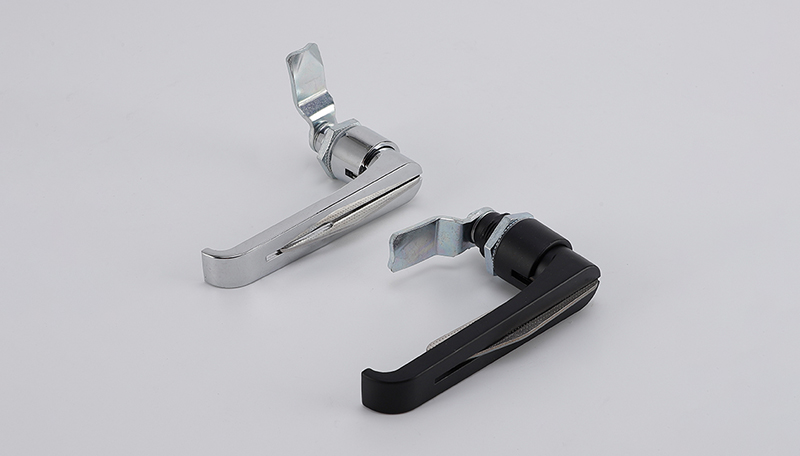
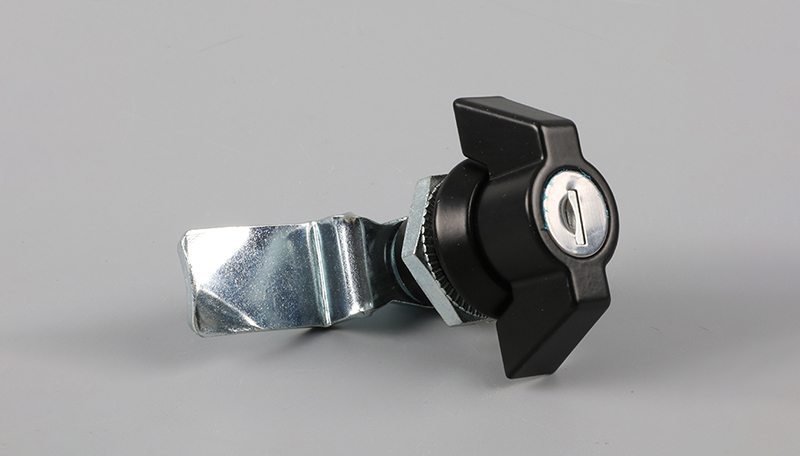
A cam lock is essentially a device used to secure access to various types of enclosures that works on the basis of rotating a flat piece of metal (the part of the lock that rotates around its axis and locks or unlocks the lock), also known as the “cam.” The cam is operated by turning a key in the lock cylinder. Cylinder cam locks are very versatile and available in various lengths, sizes, and materials depending on their application. This wide applicability makes them suitable for use in numerous products, such as office furniture, vending machines, mailboxes, toolboxes, and even some types of standard home safes.
Cam locks are very popular because they are small, simple to install, and inexpensive. However, the question remains: how secure are they?
How Secure Are Cam Locks?
In terms of security, cam locks fall within the moderate range, making them suitable for low- to medium-security applications. Here are a few pros and cons associated with their security:
Cam Lock Advantages
- Simple Installation: The design of cam locks makes installation easy and straightforward; no special tools or skills are required. For example, the cam lock can be installed on a drawer or filing cabinet in just a few minutes.
- Key Control Options: Many higher-grade cam locks feature unique key designs that make it more challenging for unauthorized individuals to duplicate the key.
- Durability: Cam locks are commonly made of stainless steel or brass, along with other materials that resist tampering and daily wear and tear over time.
- Versatility: Cam locks can be used for a variety of purposes, from securing furniture to protecting small safes.
Cam Lock Disadvantages
- Susceptibility to Picking: Lower-grade cam locks that lack complex internal mechanisms are more vulnerable to being picked with basic lock-picking tools.
- Limited Resistance to Force: Cam locks are not designed to withstand heavy physical impacts or force. They can be compromised by heavy impacts, drilling, or prying.
- Standardized Manufacturing: Many low-cost, mass-produced cam locks use a small number of key patterns, increasing the likelihood of key duplication.
A well-manufactured cam lock can provide sufficient security for low-risk indoor uses. However, when protecting valuable property or when additional security is required, cam locks should be used in combination with another type of locking device, such as a deadbolt or an electronic lock.
Are Cam Locks Strong?
Cam locks tend to be strong enough for everyday use. The materials used to manufacture a cam lock significantly influence its durability. Brass and stainless steel varieties offer better resistance to force and tampering than those made from plastic or lightweight metals like aluminum. While cam locks are not designed to withstand extreme force, they can deter opportunistic theft in low-risk situations. For improved security, consider cam locks with features such as anti-drill protection or unique keyways, which minimize the risk of picking and bumping.
Can a Cam Lock Be Removed?
Yes, cam locks are removable, but the ease of removal depends on whether you have the key. If you have the key, removal is simple: unlock the cam lock, unscrew the securing nut or clip, and pull it out. Without the key, however, removing a cam lock can be more challenging and may require professional tools, such as lock-picking tools or drills, depending on the lock's security features.
How to Maximize the Security of Your Cam Lock
If you choose to use cam locks, here are some practical tips to maximize their security:
- Choose High-Quality Locks: Opt for premium cam locks with features like unique key profiles or anti-drill protection to make them harder to manipulate.
- Regular Maintenance: Keep your cam locks clean and well-lubricated to ensure smooth operation and prevent wear over time.
- Pair with Additional Security Measures: Use cam locks in combination with other security solutions such as alarm systems, security cameras, or reinforced enclosures.
- Evaluate the Risk: Ensure that the level of security provided by your cam lock aligns with the value and risk profile of the items being protected.
Alternatives to Cam Locks
If you’re considering whether a cam lock is the right solution for your security needs, consider whether an alternative option might better suit your situation. Some options include:
- Keypad Locks: These locks provide keyless entry and offer higher security, making them suitable for areas such as office doors or safes.
- Deadbolts: Typically used in homes, deadbolts provide higher security levels than most cam locks.
- Electronic Cam Locks: These locks integrate digital technologies, such as RFID or keypad systems, to enhance both security and access tracking.
Conclusion
Cam locks are a practical and affordable option for securing personal or business items in low- to medium-security applications. Even though cam locks do not provide the same level of protection as high-security locks, a high-quality cam lock made from durable materials with advanced features can still offer reliable access control. To enhance security, combining cam locks with additional measures and ensuring proper maintenance can significantly reduce the risk of unauthorized access. Before selecting a cam lock, it’s important to evaluate the specific security requirements of your situation to ensure that it’s the right choice for your application.
