
 Rod lock

How To Handle Locks Work
Locks are an essential part of modern security systems, providing safety, convenience, and peace of mind. Among the various lock mechanisms available, handle locks stand out for their ease of use and versatility. But how exactly do handle locks work, and how can they meet different needs? This guide will explore the workings of handle locks, their use in various applications, and helpful troubleshooting tips so you can make the most informed decisions for your security needs.
How Does a Handle Lock Work?
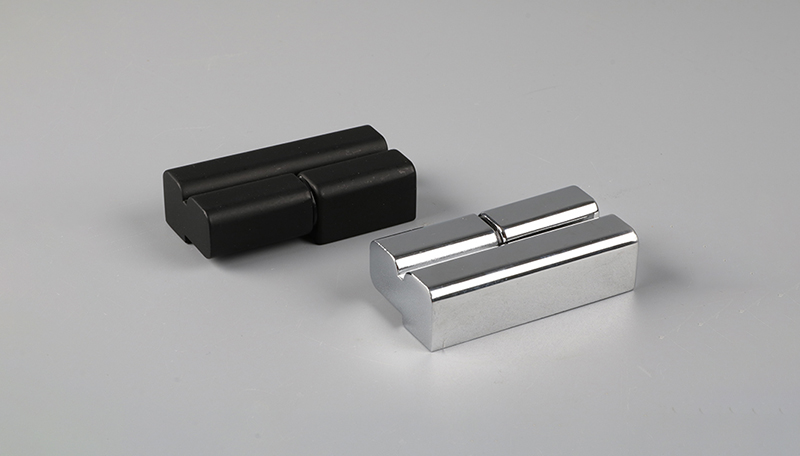
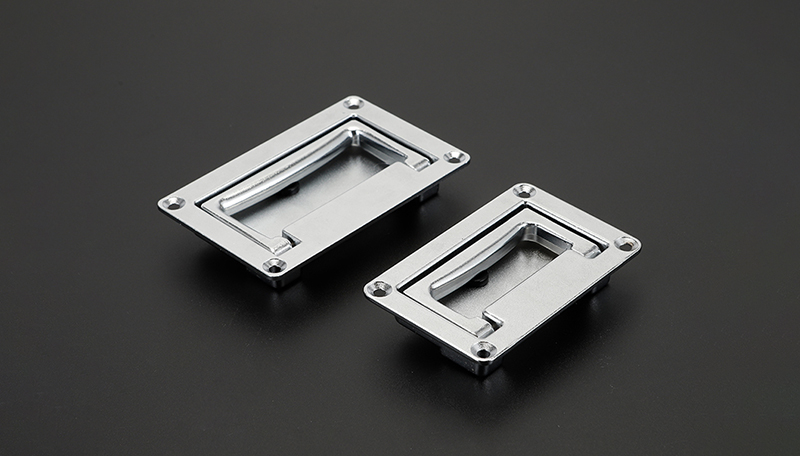
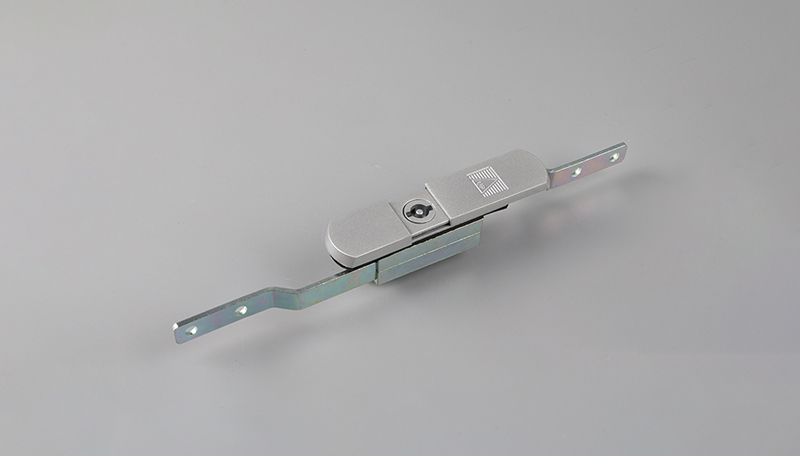
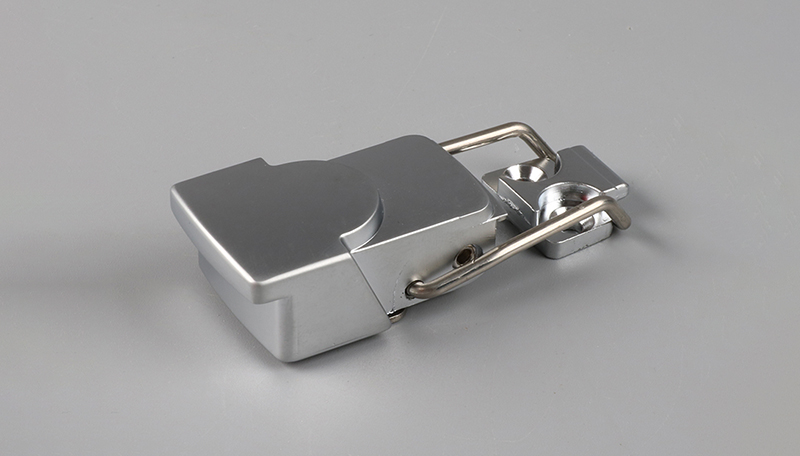
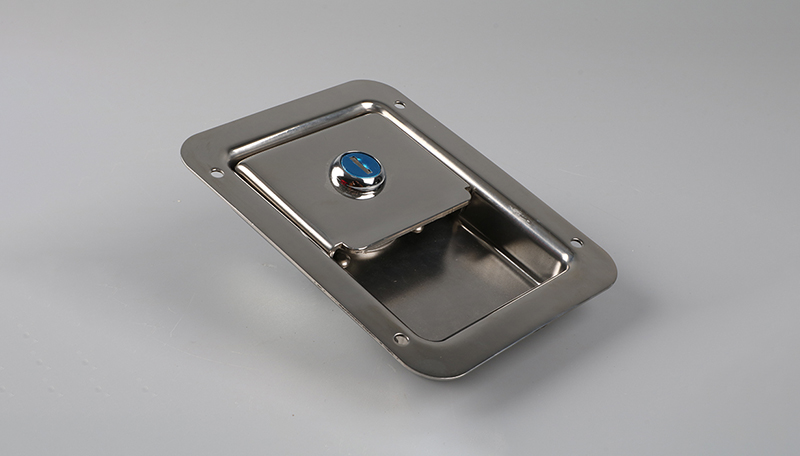
A handle lock is a simple yet effective mechanism that integrates a handle and a locking device, often found in residential, commercial, and industrial applications. The basic functionality involves rotating or pulling the handle to release the latch, which allows the door or enclosure to open. When locked, the handle mechanism becomes disabled, restricting unauthorized access.
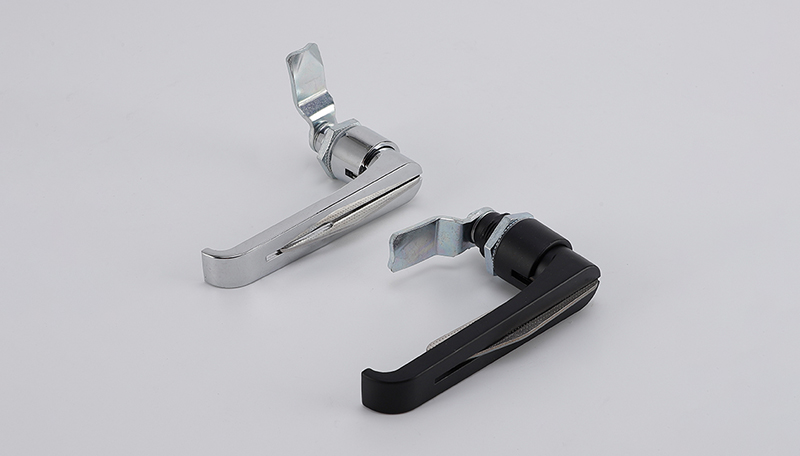
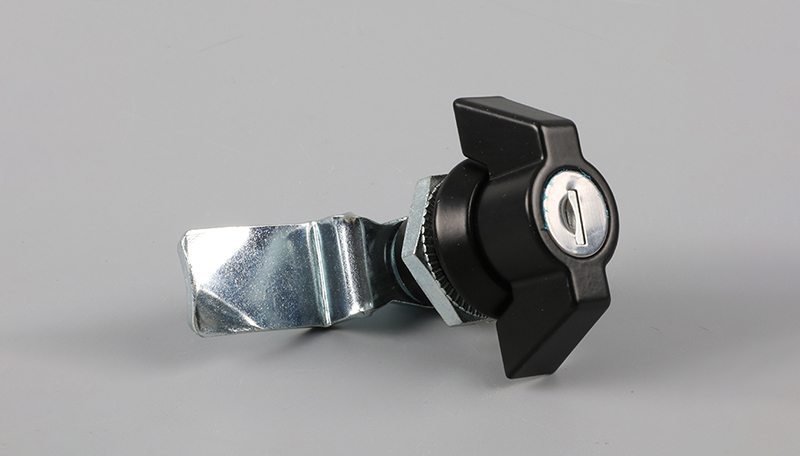
Internally, handle locks typically use a combination of latches, springs, and locking cylinders. The key interacts with the locking cylinder to engage or disengage the latch or bolt. In lever handle locks, for instance, the lever provides a user-friendly grip to operate the locking mechanism easily. These locks come in various designs for different door types, including sliding doors and cabinets.
How Handle Locks Work in Electrical Enclosures
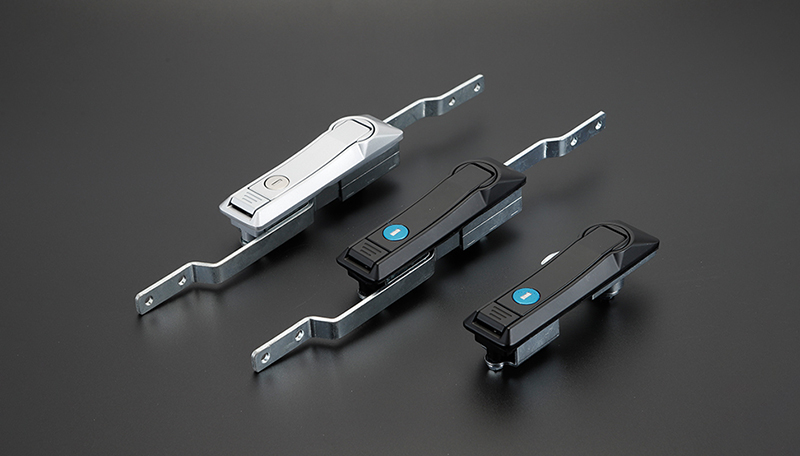
For industrial and electrical applications, handle locks are frequently used in electrical enclosures to secure sensitive equipment from unauthorized access and environmental factors. Here's how they work in such settings:
- Quick Access: Many electrical enclosure handle locks are designed to offer quick, tool-free access to authorized personnel to facilitate routine maintenance.
- Waterproof and Dustproof Designs: Specialized handle locks, such as those with a quarter-turn mechanism, often include gaskets or seals to keep out moisture and dust, adhering to IP-rated standards.
- Various Locking Options: Handle locks for electrical enclosures may be available in keyed, padlockable, or tool-actuated designs, catering to different security levels.
This versatility makes these locks ideal in industries ranging from telecommunications to automotive assembly plants.
Handle Lock vs. Cam Lock: Which Is Better?
Choosing between a handle lock and a cam lock often depends on the specific application and required security level.
| Feature | Handle Lock | Cam Lock |
|---|---|---|
| Application | Best for doors, enclosures, and access panels requiring frequent use | Ideal for cabinets, drawers, and low-frequency use scenarios |
| Security Level | Often more secure with advanced locking mechanisms | Basic security, suitable for less critical applications |
| Ease of Use | More intuitive, especially for frequent access | Simple but may require additional effort to lock or unlock |
In general, handle locks are the better choice when you need robust security paired with quick and frequent access, while cam locks are simpler solutions for lower-security needs.
Handle Lock Troubleshooting Tips
Even the best locks require occasional troubleshooting. Here are common handle lock issues and how to resolve them:
- Stiff or Jammed Handle: Lubricate the moving parts with a dry lubricant. If the problem persists, check for misalignment or wear and tear.
- Key Won’t Turn: Ensure you’re using the correct key. Clean the keyhole with a small amount of compressed air to remove debris.
- Loose Handle: Tighten screws or fasteners that might have loosened over time. If the handle is damaged, consult with a locksmith for possible replacement.
- Lock Won’t Engage: Inspect the latch or locking cylinder for damage. If necessary, replace defective parts or consult a professional for repairs.
Benefits of Choosing the Right Handle Lock
The right handle lock not only enhances security but also offers added convenience and durability. Here are some advantages:
- Enhanced Safety: High-quality handle locks minimize unauthorized access, safeguarding your property and valuables.
- Durability: Many handle lock mechanisms are built from corrosion-resistant materials, ideal for harsh environments.
- Customization: Many manufacturers offer handle locks with customization options, such as finish, locking direction, and key type, ensuring compatibility with your specific needs.
- Ease of Installation: Handle locks are often user-friendly and can be installed with standard tools, making them suitable for DIY projects.
By understanding these benefits, you ensure not only higher security but also improved functionality and aesthetics for your doors or enclosures.
Final Thoughts
Understanding how handle locks work helps you choose the right one for your needs whether for a residential door, industrial enclosure, or cabinet. Their effectiveness depends on proper selection, installation, and maintenance. By applying basic troubleshooting and choosing the right type for your application, you can extend the life and security of your lock. If unsure, consult a security expert or locksmith.
