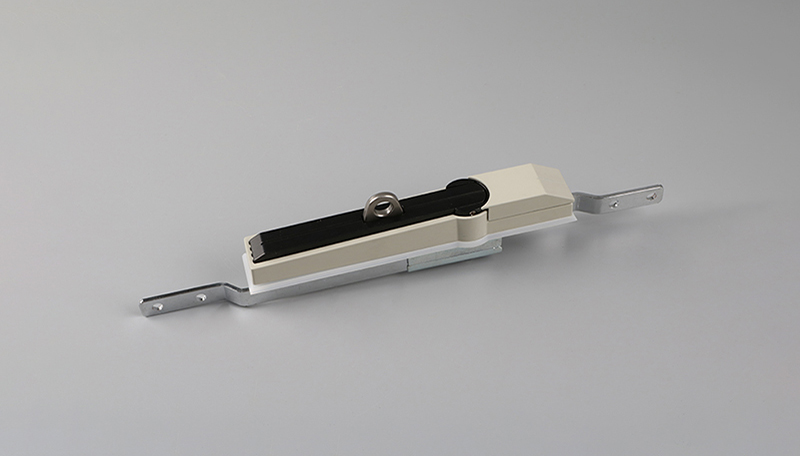
Rod lock

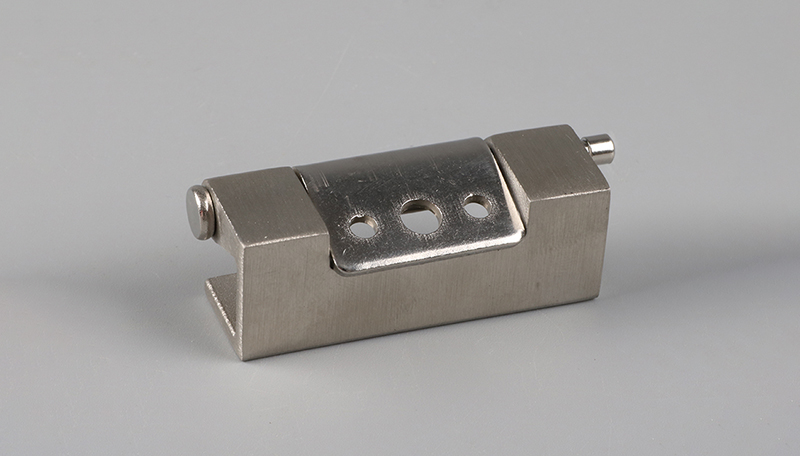
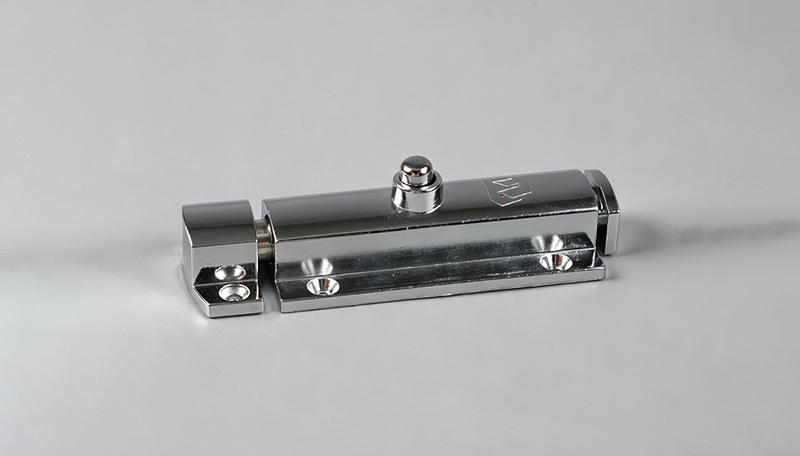
How to Install a Cabinet Lock: Step-by-Step Guide
When it comes to industrial applications such as electrical cabinets, control panels, or specialized enclosures found in trains, RVs, or other vehicles, having a reliable and secure cabinet lock is crucial. These locks ensure the safety of sensitive equipment and prevent unauthorized access. This guide provides a detailed step-by-step process to help you install a cabinet lock efficiently, focusing on industrial-grade applications commonly used in environments like distribution boards, RV storage compartments, and train control panels.
Choosing the Right Cabinet Lock for Industrial Use
For industrial cabinets like distribution boxes or vehicle enclosures, it’s important to select a durable and secure cabinet lock designed for heavy-duty applications. Common types include compression locks, cam locks, and multi-point latches. Here's how to choose the right one:
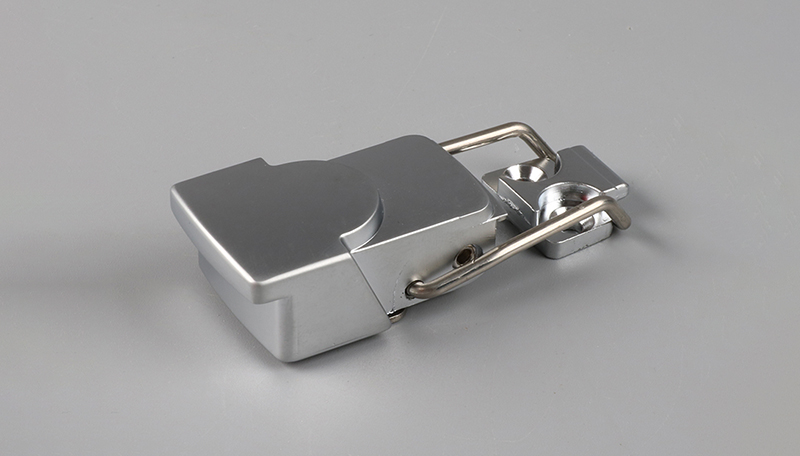
- Compression Locks: Ideal for electrical cabinets and enclosures, they provide a watertight and dustproof seal, protecting sensitive electronics.
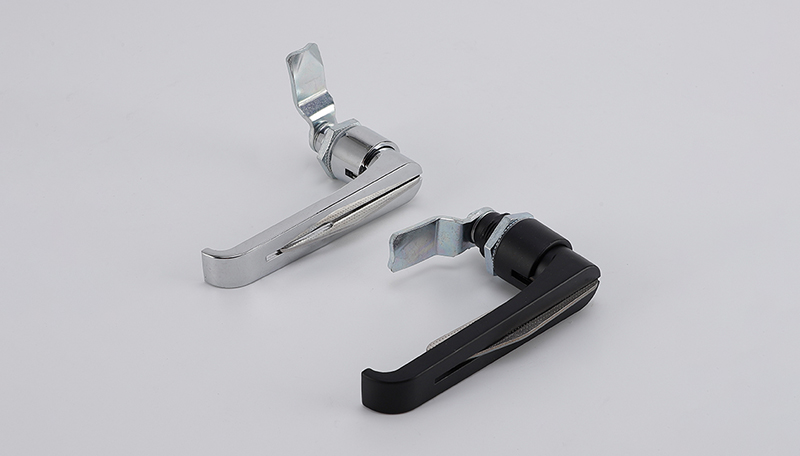
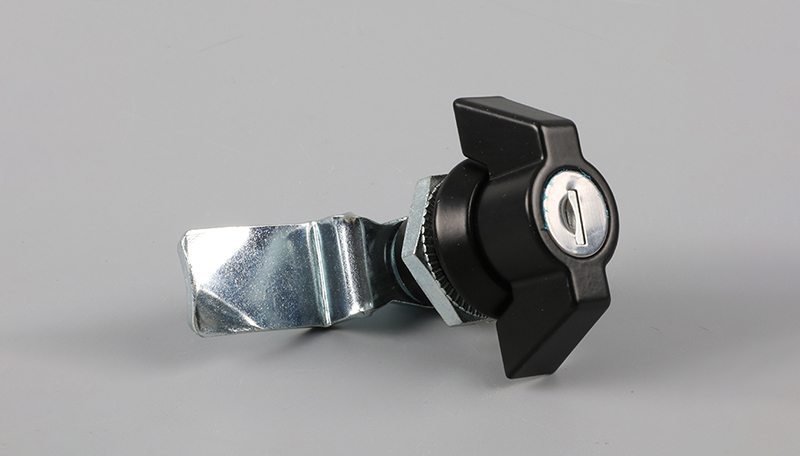
- Cam Locks: Versatile and easy-to-install, cam locks are suitable for utility cabinets and drawers within vehicles like RVs.
- Multi-Point Locks: Often used in tall electrical lockers or server racks, these locks secure multiple points along the cabinet door for enhanced protection.
To ensure compatibility, consider the material and thickness of your cabinet door (e.g., metal, fiberglass) and whether your application requires special certifications, such as IP ratings for water resistance or tamper-proofing.
Understanding Your Lock’s Components
Industrial-grade cabinet locks are generally more robust and may include the following components:
- Lock Body or Cylinder: The main mechanism where the key is inserted or where a digital unlocking system resides.
- Cam or Hook: Moves to secure the cabinet when locked. Hooks are common in sliding doors, while cams work with rotating latches.
- Mounting Nut or Screws: Used to secure the lock to the cabinet.
- Seal or Gasket: Found in compression locks, this part ensures protection against dust and water ingress.
- Strike Plate: The metal plate into which the cam or latch locks.
Types of Cabinet Locks and Their Specific Use Cases
Different settings require different types of cabinet locks. Below are common lock types and where they are best used:
1. Compression Locks: Best for electrical cabinets or outdoor enclosures requiring a weatherproof solution. These locks typically need precise drilling to align with a mating mechanism to create the seal.
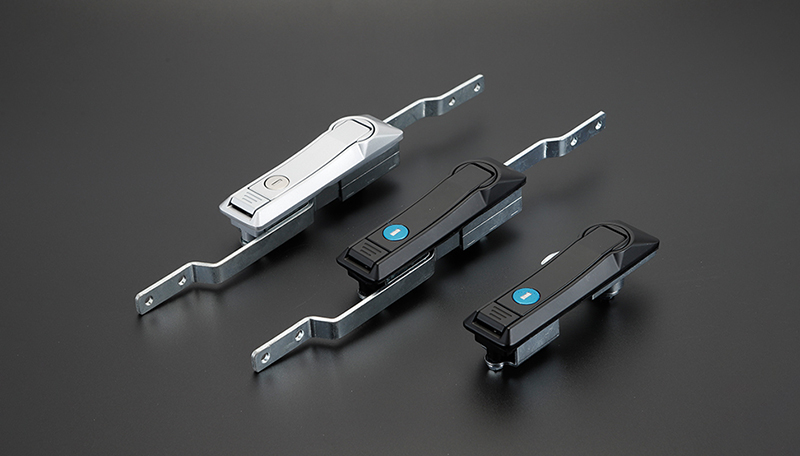
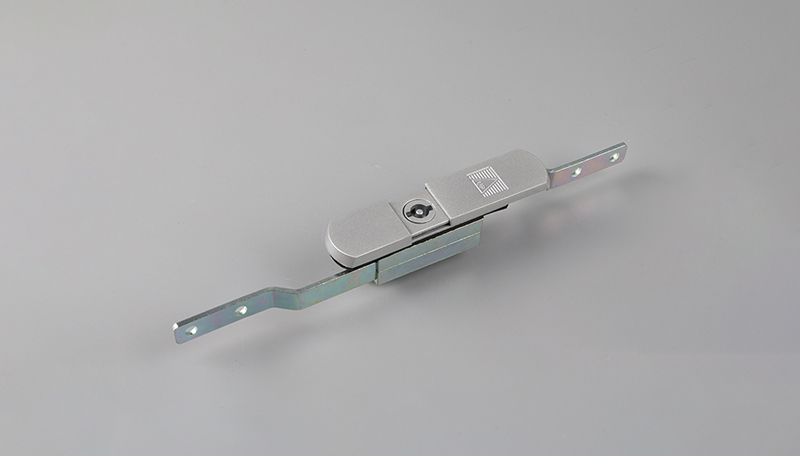
2. Swing-Handle Locks: Widely used in industrial distribution cabinets as they allow for easy access while offering robust security features. These often come with multi-point locking options that secure tall cabinets at multiple spots.
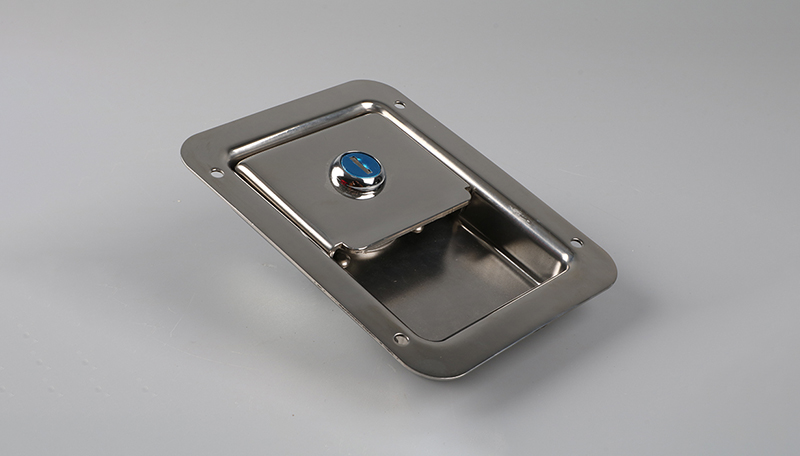
3. Mechanical and Smart Locks for Transportation Cabinets: In trains, RVs, or buses, you’ll often find mechanical cam locks or even electronic smart locks. These provide secure locking solutions for storage spaces, utility compartments, and emergency equipment enclosures.
Step-by-Step Installation Process for Industrial Cabinet Locks
Here’s how to install a standard industrial cabinet lock:
1. Prepare your tools: You’ll typically need a drill, screws, screwdriver, wrench for mounting nuts, pencil, and measuring tape. For more advanced locks like smart cabinet locks, you may also need wire strippers or other electrical tools.
2. Mark the mounting area: Use a pencil and measuring tape to accurately position where the lock will be installed. For multi-point locks, measure and mark all the locking points.
3. Drill mounting holes: Based on the lock's specifications, drill appropriately sized holes into the cabinet door. Be cautious when working with materials like metal or fiberglass to avoid cracks or uneven edges.
4. Install the lock body: For cam or compression locks, insert the lock cylinder into the hole and secure it with the provided mounting nut or screws. If you’re installing a swing-handle lock, ensure all components, including rods for multi-point mechanisms, are connected properly.
5. Attach accessories: Secure any required accessories like gaskets, cams, or strike plates. Align them perfectly to ensure a snug and secure fit.
6. Test the locking mechanism: Before concluding, test the lock with the key or handle to ensure it functions smoothly. For smart cabinet locks, set up the digital system and test its functionality.
Maintenance Tips for Industrial Cabinet Locks
To maximize the lifespan and performance of your industrial cabinet locks, follow these maintenance tips:
- Regularly inspect the lock for dirt, rust, or damage, especially in harsh environments.
- Lubricate the lock mechanisms with a high-quality lubricant specifically designed for industrial applications.
- Check gaskets and seals on compression locks for wear and tear, replacing them if necessary to maintain weather resistance.
- For smart locks, ensure batteries or power connections are in optimal condition to avoid lockouts.
Conclusion
Installing an industrial-grade cabinet lock is an essential step for securing critical infrastructure, such as electrical panels, distribution boards, and equipment compartments in vehicles like RVs and trains. By choosing the right lock for your specific application and following a meticulous installation process, you can ensure durable and reliable security. Regular maintenance will help keep your cabinets secure over time, providing long-lasting protection for your valuable assets. A well-installed cabinet lock not only complies with industrial safety standards but also brings peace of mind in high-security environments.