
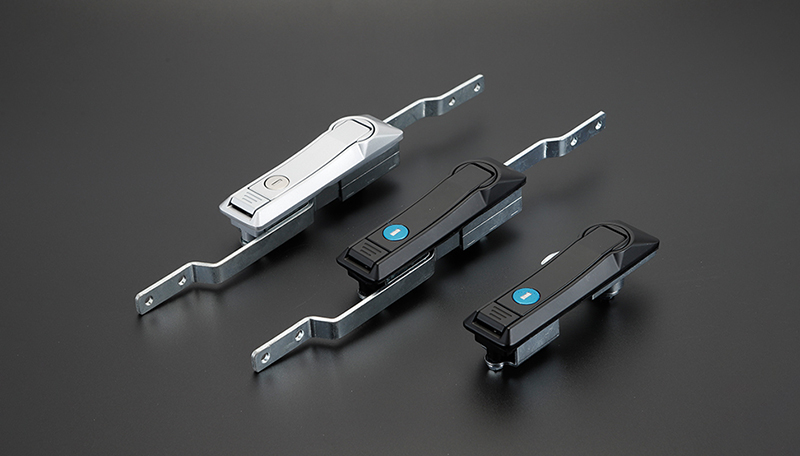
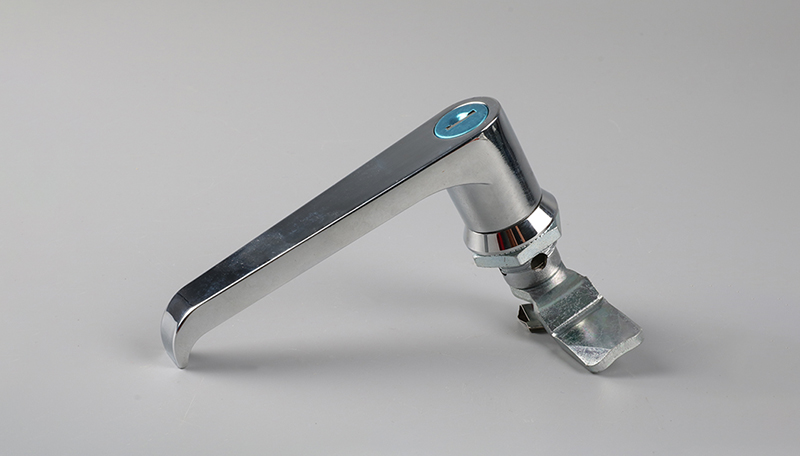
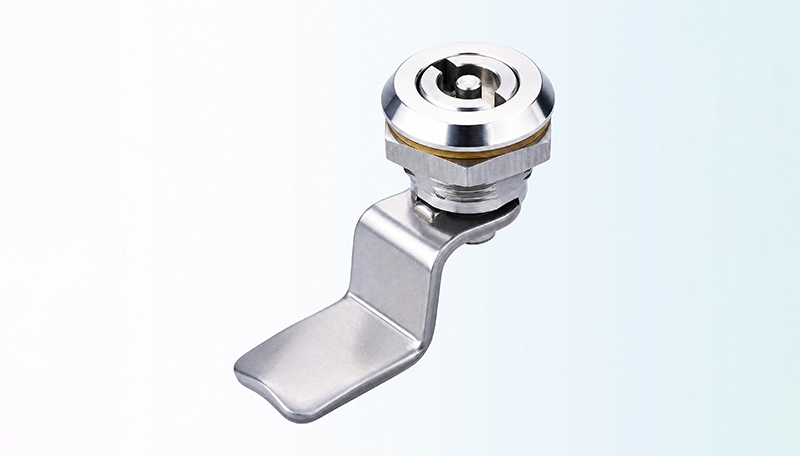
 Rod lock

How to Use Control Lock: A Complete Guide
The Control Lock feature is an essential addition to a variety of appliances and devices. Whether you're using it for home appliances or industrial equipment, understanding how to activate and deactivate a Control Lock can improve safety, ensure secure usage, and prevent operational disruptions. This comprehensive guide explores how to set up, use, and maintain Control Lock features effectively, along with examples and reasons why they are vital. Let’s dive in!
What Does a Control Lock Do?
Control Lock mechanisms are designed to temporarily disable or secure the controls of a device to prevent accidental or unauthorized use. Here are common examples:
- On washing machines and dryers, Control Locks prevent unwanted changes to settings during operation.
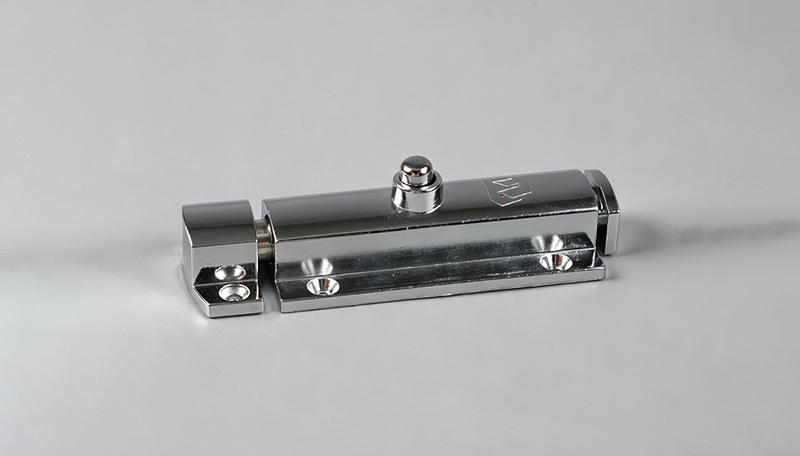
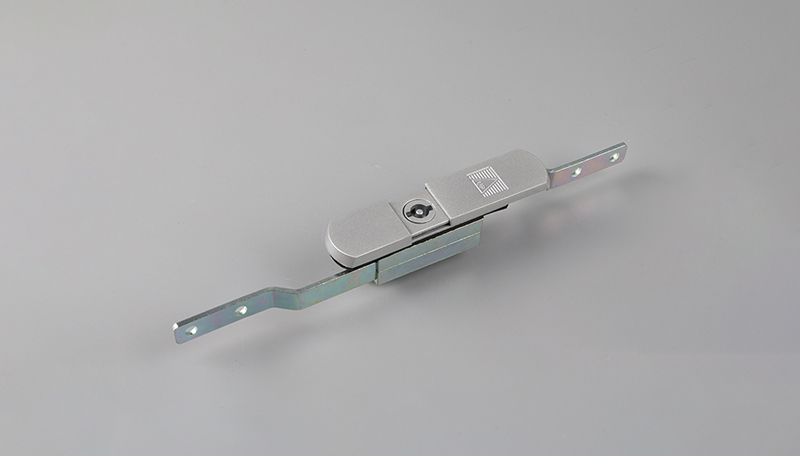
- Industrial instruments often include Rod Control Locks to secure levers and essential moving parts.
The overarching goal is safety, enhanced efficiency, and protection for both the device and its users.
How to Open a Control Lock?
Deactivating a Control Lock varies by device, but here are common methods:
- Button Combination: Follow manufacturer-specified key combinations, such as pressing and holding the “Control Lock” button for several seconds.
- Check the User Manual: Refer to the manual for detailed instructions specific to your appliance or equipment model.
- Reset the Power: If the lock won’t release due to a functional issue, unplug the device for a few minutes and reconnect it.
- Seek Expert Help: For complex systems like Rod Control Locks, reach out to the manufacturer’s customer service team.
How Does a Lock Work Step by Step?
Here’s how Control Lock systems typically operate:
- Activation: Engage the lock via buttons, a software command, or other controls.
- Implementation: The lock automatically disables control inputs, preventing the execution of any commands.
- Deactivation: Turn off the lock either manually through user actions, or automatically when safety conditions are met in advanced systems.
These steps apply universally, whether your system is a household appliance or industrial machinery outfitted with a Control Lock.
Common Applications of a Control Lock
Control Lock features are found across numerous settings and industries. Below are some key examples:
- Home Appliances: Washing machines, ovens, and dishwashers often use Control Locks to avoid accidental setting adjustments.
- Industrial Equipment: Devices in factories frequently employ Rod Control Lock systems for added security and safety.
- Automobiles: Many modern vehicles include Control Locks to prevent accidental changes to dashboard settings during driving.
Why Is Using a Control Lock Important?
Control Locks provide a range of benefits, making them crucial in various applications:
- Safety: Prevents unintended activation, especially by children or unauthorized individuals.
- Efficiency: Reduces disruptions in workflows or operational processes.
- Security: Limits access to sensitive controls, particularly in industrial environments.
FAQs About Control Locks
What Does a Control Lock Do?
It disables controls such as buttons, switches, or levers to minimize accidental operations or unauthorized use.
How to Open a Control Lock?
This typically involves pressing and holding a designated button or key combination for a specific amount of time, such as 3 seconds, as indicated in the user manual.
How Does a Control Lock Work Step by Step?
The system includes activation to disable inputs, implementation to prevent commands, and deactivation either manually or automatically under safe conditions.
Tips for Ensuring Proper Use and Maintenance
Maximize the efficiency and functionality of Control Lock systems by following these best practices:
- Fully read your device's user manual to familiarize yourself with its specific Control Lock functions.
- Conduct regular tests to ensure the lock operates correctly.
- Schedule routine maintenance and inspections, particularly for equipment utilizing Rod Control Lock systems.
- Train all users in proper and responsible usage to avoid tampering or misuse.
Adhering to these suggestions safeguards both the equipment and those using it from potential harm or user-related errors.
Conclusion
The Control Lock is a vital feature that enhances the safety, efficiency, and reliability of modern devices and systems. From securing the settings on household appliances to protecting complex machinery through Rod Control Lock mechanisms, this function ensures smooth and safe operations. Always consult your device manual for tailored instructions or reach out for support when necessary. By mastering the proper use of Control Lock features, you’ll gain the confidence to operate your equipment safely and efficiently, no matter the application.
