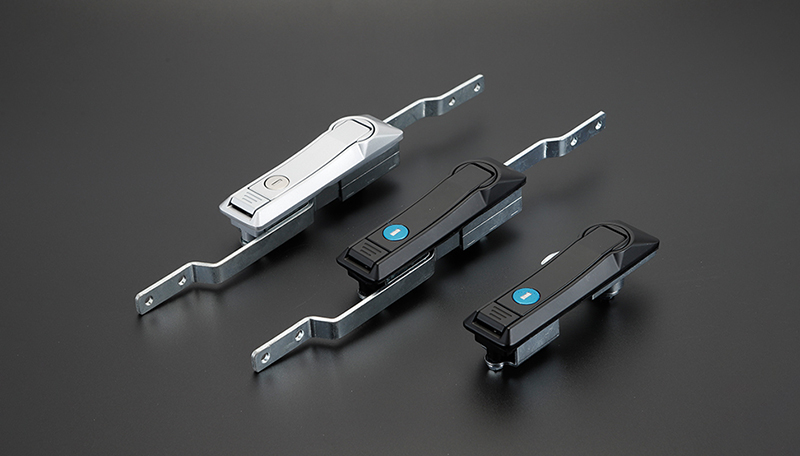
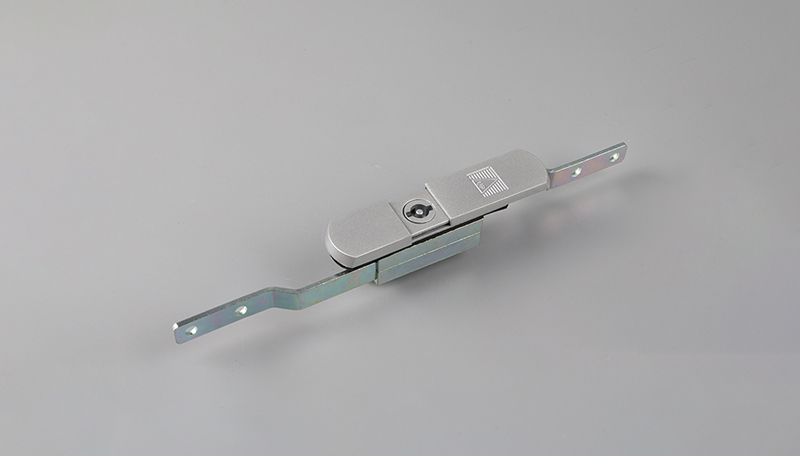
 Rod lock
Identifying Appropriate Cabinet Hinges
Navigating the world of cabinet hinges can feel overwhelming given the sheer variety of options on the market. Whether you are refreshing a kitchen, repairing a broken mechanism, or building cabinetry from scratch, a clear understanding of hinge types and their specific functions is essential for making an informed decision. This guide will walk you through the critical factors of hinge selection, covering distinct styles, installation methods, and compatibility requirements. We will also address some frequently asked questions to clarify any lingering uncertainties.
Importance of Selecting Appropriate Cabinet Hinges
Cabinet hinges serve as critical components, bearing the weight of each door while ensuring precise alignment, seamless operation, and visual cohesion. Selecting the wrong hinge can compromise both function and appearance. A clear understanding of hinge types and their specific applications is essential to avoid costly mistakes, unnecessary delays, and future frustration. Investing the time upfront to choose the correct hardware ensures long-term performance and preserves the integrity of your cabinetry.
Types of Cabinet Hinges
There are several types of cabinet hinges available, and they are not interchangeable; rather, cabinet hinges have been designed for specific purposes, styles and types of cabinets. Below are the most common types of cabinet hinges:
1. Overlay Hinges
Overlay hinges are designed for use on cabinets with door overlays that cover the front edge of the cabinet frame. These are among the most common types of hinges used in modern cabinets today. Overlay hinges work well for frameless or face-frame cabinets where the door overlaps the opening.
2. Inset Hinges
Inset hinges are great to use when the door is inset into the cabinet frame and is flush with the cabinet's surface. Inset hinges are visible from the outside of the cabinet and are commonly used for cabinets with a more traditional or classical look.
3. European (Concealed) Hinges
European (concealed) hinges are installed inside the cabinet and remain hidden when the door is closed. These are especially popular in modern and minimalist designs due to their clean and sleek aesthetic.
4. Full Overlay, Half Overlay, and Partial Wrap Hinges
Each of these hinge styles determines how much of the cabinet face frame or box will be covered by the door. Full overlay hinges cover the entire face frame, half overlay hinges cover half of it, and partial wrap hinges only partially wrap around the front of the cabinet.
How to Determine the Right Cabinet Hinge
1. Check Your Cabinets
Start by identifying whether your cabinets are frameless or face-frame. This initial step will significantly narrow down your options, as face-frame hinges are often different from those used for frameless cabinets.
2. Measure Current Hinges (If Replacing)
If you are replacing old hinges, carefully measure their dimensions to ensure you get the correct replacement. Take note of the overlay size or inset size, as well as the distance between screw holes.
3. Evaluate Door Functionality
Consider the opening style of your cabinet doors. Would a wider swing provide better access? Do you need soft-close hinges to prevent doors from slamming? These preferences will help you choose the right hinge for your needs.
4. Examine Aesthetic Factors
Are you aiming for a modern look or a vintage appearance? Select hinges that complement your cabinet design and home decor. Concealed hinges are ideal for contemporary spaces, while exposed inset hinges work well in rustic or traditional settings.
Are Cabinet Hinges Interchangeable?
No, cabinet hinges are not universal. While some hinge designs allow for versatile applications, most hinges are created specifically for certain cabinet configurations and door styles. Knowing your cabinet type, measurements, overlay or inset specifications, and hinge style is crucial before making a selection.
What is the 1/3 Rule for Cabinet Pulls?
Although not directly tied to hinges, cabinet pulls or handles play a critical role in achieving a harmonious look. According to the "1/3 rule," cabinet pulls should ideally be located at the lower third of upper cabinets or the upper third of lower cabinets. This positioning helps ensure both ergonomic functionality and a visually balanced design.
How to Install Cabinet Hinges
Once you've chosen the perfect hinges, installing them properly is essential. Here's a quick guide:
Step 1: Mark the hinge placement on both the cabinet door and frame with accurate measurements.
Step 2: Drill pilot holes for the screws to prevent splitting the wood when attaching the hinges.
Step 3: Start by attaching the hinges to the cabinet door, then secure the door to the cabinet frame.
Step 4: Adjust the hinges to ensure proper alignment and smooth operation. Most modern hinges come with adjustment screws for fine-tuning.
FAQs
How Do I Determine What Kind of Cabinet Hinge I Need?
When selecting a cabinet hinge, you should first identify your cabinet type and the cabinet door style. Consider the door's functionality, such as whether you need soft-close hinges, and take precise measurements. If unsure, consult a cabinet hardware expert for advice.
Are All Cabinet Hinges Universal?
No, hinges are designed for specific cabinet types and door styles. For example, concealed European hinges are suitable for frameless cabinets, whereas inset hinges are designed for doors set inside a face-frame cabinet.
What Is the Difference Between Overlay and Inset Hinges?
Overlay hinges allow the cabinet door to sit on top of the cabinet frame, covering part or all of it. In contrast, inset hinges position the door inside the cabinet frame, making it flush with the cabinet's surface.
Conclusion
Choosing the right cabinet hinges doesn't have to be a daunting task. By identifying your cabinet style, taking accurate measurements, and considering your design preferences, you will be able to select hinges that deliver the best combination of functionality and aesthetics. Whether you're replacing old hardware or installing new cabinets, investing in quality hinges ensures durability and a polished look over time. If you have any doubts, don't hesitate to seek advice from a knowledgeable hardware specialist. Good luck with your cabinet project!