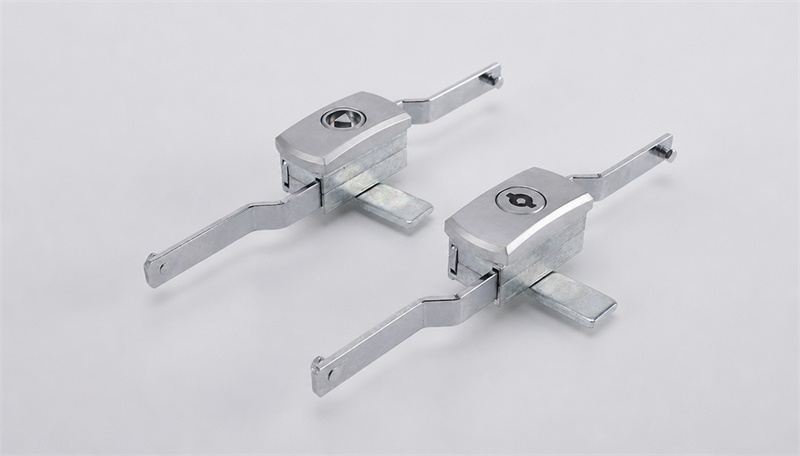
Rod lock

Industrial Hinge Buying Guide: Stainless Steel, Weld-On & More
Our industrial hinge buying guide covers stainless steel, weld-on, zinc alloy, piano and heavy-duty hinges. It compares materials, installation styles, load ratings and key specs for machinery enclosures, cabinet doors and security gates.
Choosing the right industrial hinge is critical for long service life, operational safety and consistent performance. Built for heavy loads, repeated cycles and harsh environments, industrial hinges are widely used on machine access doors, storage compartments, security fences and custom metal enclosures. A properly matched hinge reduces maintenance and improves equipment reliability. This guide breaks down the most popular industrial hinge types—including stainless steel, weld-on and zinc alloy hinges—to help mechanical OEMs and procurement teams make confident selections.
Types of Industrial Hinges Explained
Industrial hinges come in multiple styles, engineered for different load requirements and installation workflows:
Butt Hinges: Butt hinges are widely used for gates and cabinet doors, delivering stable performance with a surface-mounted design.
Weld-On Hinges: Weld-on hinges are built for high-demand scenarios. They are welded directly onto metal surfaces to create a secure, permanent connection. This hinge style is a top pick for security gates, truck bodies and large equipment cabinets where bolt-on hinges cannot meet tamper-resistance demands.
Continuous (Piano) Hinges: Continuous piano hinges run the full length of a door or panel. They distribute weight evenly across the hinge line to prevent panel sagging, making them well suited for machinery enclosures and long storage access panels.
Heavy Duty Industrial Hinges: These heavy-duty hinges are engineered for frequent cycling and heavy load requirements. They are used on oversized industrial doors, security gates and thick equipment panels. Their reinforced construction maintains stable performance under sustained heavy use.
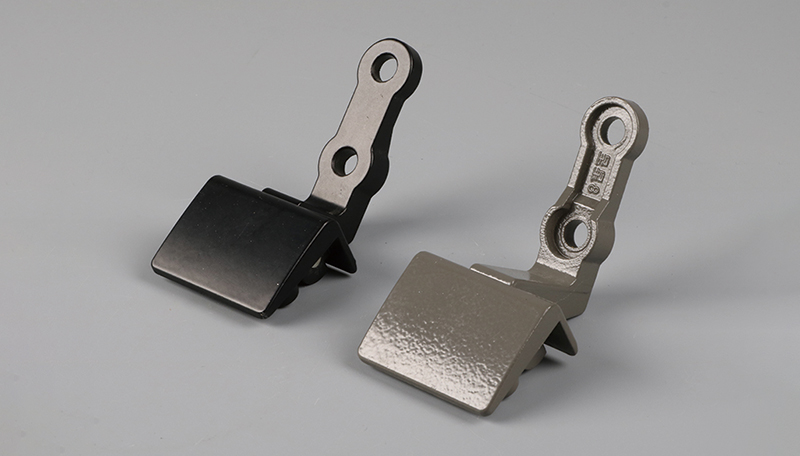
Zinc Alloy Hinges: Zinc alloy hinges are a budget-friendly option with moderate corrosion resistance. They work well for indoor electrical enclosures, light machine covers and standard equipment cabinets. The lightweight body also simplifies on-site installation. For instance, there is the zinc-alloy hinge that is black, has a rotational angle of approximately 120 degrees, and works on doors whose panels are 2.0mm thick.
Stainless Steel Industrial Hinges: Pros & Best Uses
Stainless steel industrial hinges stand out for outstanding wear resistance and corrosion protection. The core advantages are listed below:
Corrosion Resistance: Stainless steel hinges resist moisture, rust and aggressive weather exposure. They are the preferred hinge choice for food processing machinery, marine equipment and outdoor industrial installations.
Strength: Thanks to high tensile strength, stainless steel hinges are fitted on cleanroom doors, heavy machine enclosures and security equipment that face heavy loads and frequent operation.
Hygiene: The smooth, non-porous surface restricts bacterial growth, fitting strict hygiene standards for pharmaceutical and medical processing equipment.
When sourcing stainless steel hinges, always confirm the material grade. Grade 304 stainless steel hinges suit general industrial indoor and outdoor use, while grade 316 stainless steel hinges are required for saltwater or chemical-rich environments. A common mistake buyers make is selecting 304 stainless steel hinges for coastal or washdown environments, where 316 is required.
Weld-On Hinges: Features & Applications
Weld-on hinges feature secure, permanent mounting. They are fixed to metal frames via welding.
Sturdy Construction: Weld-on hinges are manufactured from carbon steel or stainless steel. They can withstand repeated impact and offer reliable tamper-proof performance.
Applications: This hinge style is frequently specified for security gates, waste dumpsters, trailer ramps and large metal cabinets where permanent connection and high load capacity are priorities.
For reliable results, careful alignment and skilled welding are required during fitting. Once installed, weld-on hinges deliver dependable service even in tough working conditions.
Zinc Alloy Hinges: Balancing Cost & Performance
Zinc alloy industrial hinges strike a practical balance between low cost and solid functional performance. Natural oxidation resistance makes them suitable for indoor locations with mild environmental conditions. A typical product has the following specifications: zinc alloy as the main material, black finish, about 120-degree rotation angle, and compatibility with the door panel thickness of 2.0mm. All these specifications are perfect for cabinets, covers of light machines, and furniture through the combination of functionality and looks.
Zinc alloy hinges have lower mechanical strength compared to carbon steel or stainless steel. For this reason, these hinges are best reserved for medium-weight indoor panels and should not be used under extreme vibration or corrosive conditions.
How to Choose the Right Industrial Hinge
Selecting the best industrial hinge requires evaluating several key factors before purchase:
Load & Frequency: Calculate the door weight and daily opening cycles first. Heavy-duty hinges are designed for large, heavy doors and high-frequency use. Zinc alloy hinges suit light-load access panels that open less often.
Material: Stainless steel delivers strong rust resistance; affordable zinc alloy suits light-duty cabinet applications, while welded steel offers high security for permanent installations.
Installation Method: Weld-on hinges create permanent connections; surface-mounted butt hinges support easy replacement and adjustment. Continuous piano hinges spread weight evenly along long panels.
Features: Check rotation angle, surface finish, panel thickness compatibility, and optional functions such as spring self-closing or removable hinge pins.
Always align your hinge selection with relevant industry standards and site conditions, including moisture, chemical splash or salt exposure.
Maintenance & Installation Tips
Correct installation and regular maintenance help industrial hinges maintain stable performance over time:
Installation: Precision alignment is essential for weld-on hinges, and weld quality directly impacts long-term safety. Surface-mounted butt hinges also require high-strength fasteners and accurate alignment.
Lubrication & Inspection: Consistent lubrication reduces squeaking and rust build-up. Periodic visual inspections let you spot early wear before hinge failure occurs. Remember to replace damaged or aged hinges promptly to keep equipment safe.
These simple practices extend hinge service life and keep your doors, gates and panels operating reliably.
FAQ
What is the difference between 304 and 316 stainless steel hinges?
Grade 304 suits general indoor and outdoor industrial use, while grade 316 is required for saltwater or chemical-rich environments. A common buyer mistake is choosing 304 for coastal or washdown applications where 316 is needed.
Can zinc alloy hinges be used outdoors?
Zinc alloy hinges offer only moderate corrosion resistance and lower mechanical strength than steel or stainless steel. They are best reserved for medium-weight indoor panels and should not be used under extreme vibration or corrosive conditions.
Do weld-on hinges require professional installation?
Yes. Weld-on hinges need careful alignment and skilled welding during fitting, and weld quality directly impacts long-term safety. Once properly installed, they deliver dependable, tamper-proof service even in tough conditions.
How do I determine the right load capacity for my hinge?
Calculate the door weight and daily opening cycles first. Heavy-duty hinges suit large, heavy doors and high-frequency use, while zinc alloy hinges fit light-load access panels that open less often.
Selecting the right industrial hinge is a balance of material, installation method, load capacity, and functional features. Stainless steel and weld-on hinges deliver strength and longevity for heavy-duty use, while zinc alloy hinges offer practical and attractive solutions for lighter applications, such as those requiring a black finish and specific rotation angle suitable for panels up to 2.0mm thick. Careful consideration and proper maintenance ensure reliable, safe, and efficient operation across industrial settings.