
 Rod lock

Panel Handles: A Complete Guide on Selecting a Handle
When choosing a panel handle such as for an electrical cabinet, a transportation system like trains, or a recreational vehicle, it is important to know your specifications or requirements. Panel handles help with the usability, function, and security of the equipment as well as provide a means to improve aesthetics of the equipment or systems. The information in this article is intended to be a resource to help you identify what a panel handle is, types of different panel handles such as their uses and materials, as well as your considerations when purchasing one so you can make an informed decision.
What is a panel handle?
A panel handle is a type of handle that has been specifically engineered or designed to attach to a panel, which could consist of a door, a cabinet, and/or an enclosure. They allow for ease of use to open, close, etc. Panel handles can be used across many types of industries and provide more than just functionality because they are also an important component in creating accessible and user-friendly equipment.
What are the types of panel handles?
There are many different styles and designs of panel handles that can be used for various applications. Some examples include the following:
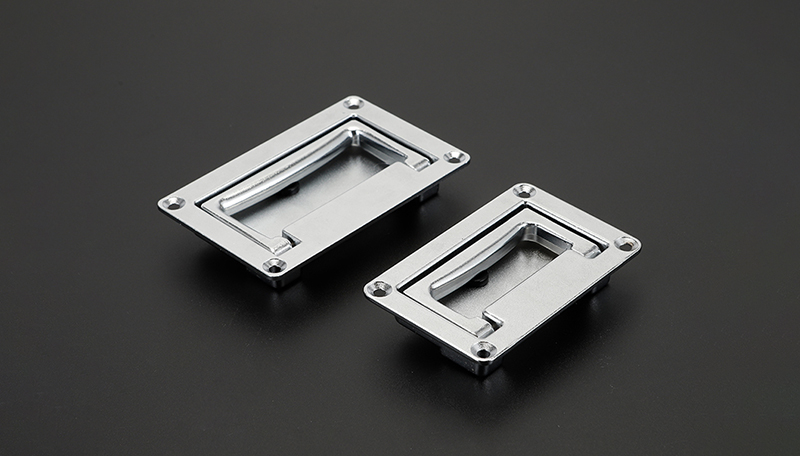
- Recessed Handles: Recessed panel handles are installed to be flush with the panel surface, therefore reducing the amount of protrusion of the panel handle and giving the user a sleek finished look (used in tight space applications such as electrical cabinets).
- Pull Handles: Pull handles provide ease of grip for the user (normally thicker than recessed handles) making them a great option for heavier door and/or panel applications such as an industrial enclosure or a transportation application.
- Folding Handles: Folding handles can be pivoted from the mounted position to allow them to lay flat when not being used. These are particularly beneficial for compact spaces or designs where protrusion could pose issues.
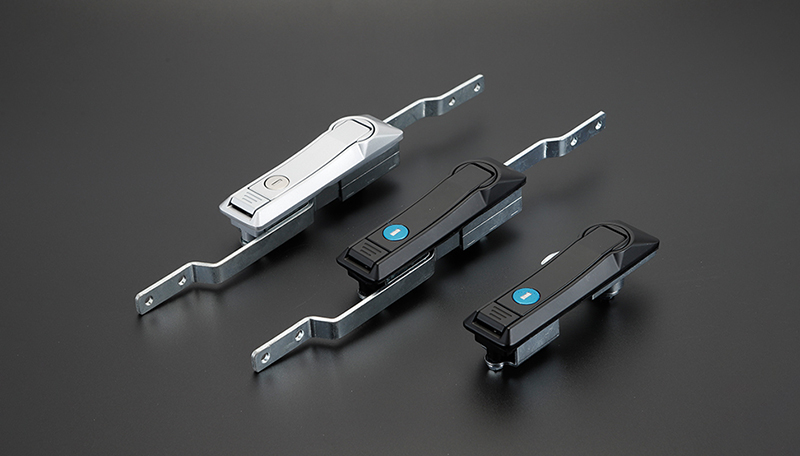
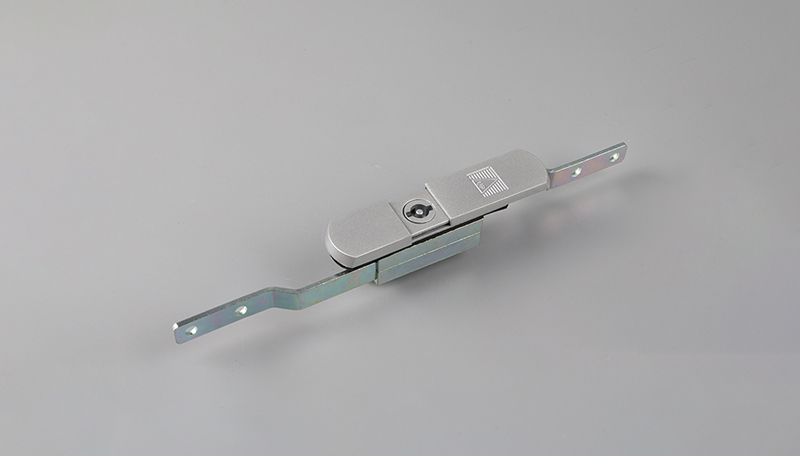
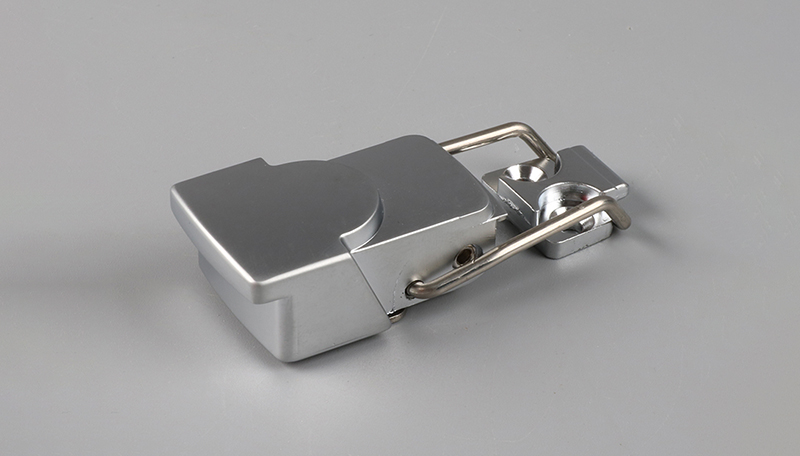
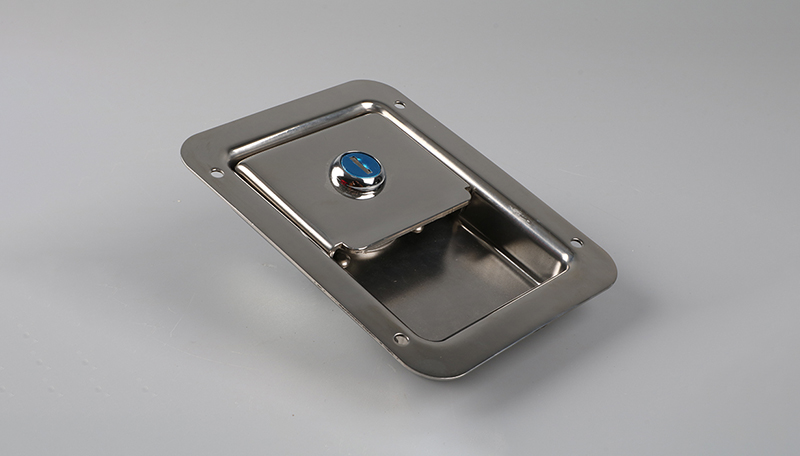
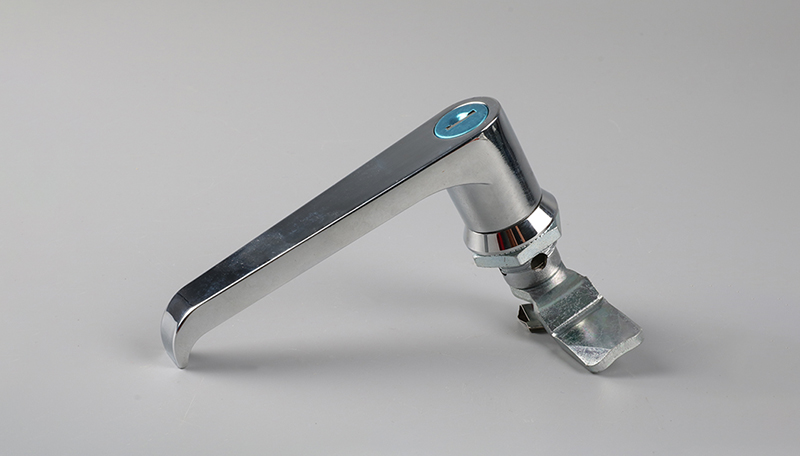
- Latching Handles: Metal handles are another way to secure access; this method provides both security and a comfortable way to use the panel as well. Latching handles combine the functionalities of a standard handle and a locking mechanism to secure the panel.
What materials are used in panel handles?
The choice of handle material directly impacts its longevity, looks, and ability to perform effectively. Some examples of commonly used handle materials are as follows:
- Stainless Steel: Stainless steel handles provide high tensile strength, as well as resistance to rusting, making them ideal for industrial uses both indoors and out, or in humid environments.
- Aluminum: Lightweight and inexpensive, aluminum handles are often the best option for many applications requiring reduced weight.
- Plastics: High-quality, engineered plastics provide cost-effectiveness, rust resistance, and comfortable ergonomics, making them suitable for indoor applications.
- Zinc Alloys: These alloys offer a good combination of strength and flexibility, along with aesthetically pleasing finishes such as chrome plating.
What are panel handles used for?
Panel handles are critical devices in a variety of applications across multiple industries:
- Electrical Cabinets: Provide safe and simple access to internal systems. They ensure the panel remains secure but accessible.
- Transportation Systems: Commonly used in trains, buses, and aircraft to allow passengers or operators easy access to compartments or functional panels.
- RVs and Camping Vans: Enhance the accessibility and usability of storage areas, movable panels, doors, and other components used in recreational vehicles.
- Industrial Machinery: Facilitate convenient access to operational panels for maintenance purposes and regular use.
Factors to consider when choosing a panel handle
To select the best panel handle for your needs, the following aspects should be considered:
- Material and Finish: Selecting a material that withstands your application environment, such as stainless steel for outdoor use, is critical.
- Installation Style: Choose from recessed, flush, or projecting styles based on the spatial availability and design vision for your equipment.
- Weight Capacity: Ensure the chosen handle is sufficiently sturdy to support the weight of your panel or door.
- Ergonomics: Opt for handles that provide a comfortable and secure grip, especially for frequent use.
- Security Features: If access control is needed, consider latching or lockable models.
Maintenance tips for panel handles
Maintaining your panel handles properly helps extend their life and ensures they function optimally:
- Regularly clean with soap and water to prevent dirt, debris, or grease buildup.
- Inspect for rust or corrosion if exposed to harsh environmental conditions, and address any issues promptly.
- Check screws and mounting brackets periodically to ensure they are fastened securely to prevent loosening.
- Use lubricants on moving parts as needed to facilitate smooth operation.
FAQs: Answers to common questions about panel handles
1. What is the most durable material for panel handles?
Stainless steel is widely considered the most durable option due to its mechanical strength, rust resistance, and ability to endure challenging environmental conditions.
2. Can panel handles be customized to match equipment design?
Yes, many manufacturers offer options for custom-designed handles. Customers can choose from a range of materials, finishes, styles, and sizes to suit their specific needs.
3. How do I choose the right size handle?
Consider the size and weight of the panel or door, as well as the available installation space. For heavier panels, opt for a larger, more robust handle, while smaller panels may benefit from compact designs that fit the available space.
4. Are panel handles resistant to rust?
The rust resistance of a handle largely depends on its material. Stainless steel, anodized aluminum, and chromed zinc alloy handles are highly resistant to rust and are suited for environments prone to moisture or exposure to the elements.
5. Can panel handles be installed on interior doors?
Yes, many interior door handles qualify as panel handles, particularly if they're used for enclosures or cabinets. Be sure to select a style and finish that complements your interior design.
Conclusion
To be successful in selecting the right panel handle, it's essential to carefully evaluate your needs, the intended application, the environment of use, and the handle's material and design. By choosing a handle that excels in functionality and aesthetics, you can ensure it meets your expectations. Whether for industrial, transportation, or recreational use, panel handles provide an indispensable solution for ensuring ease of operation and enhancing accessibility across a variety of applications.
