 Rod lock
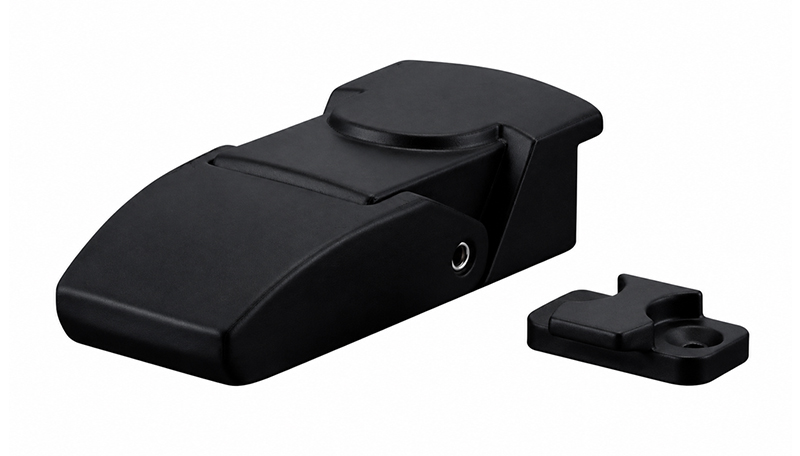
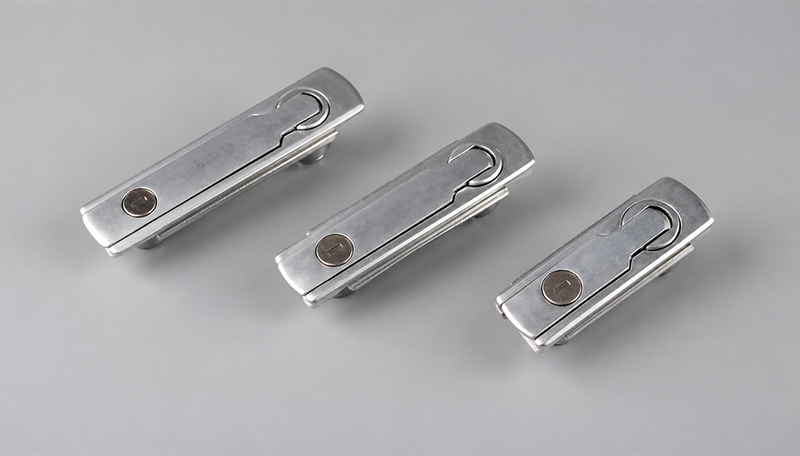
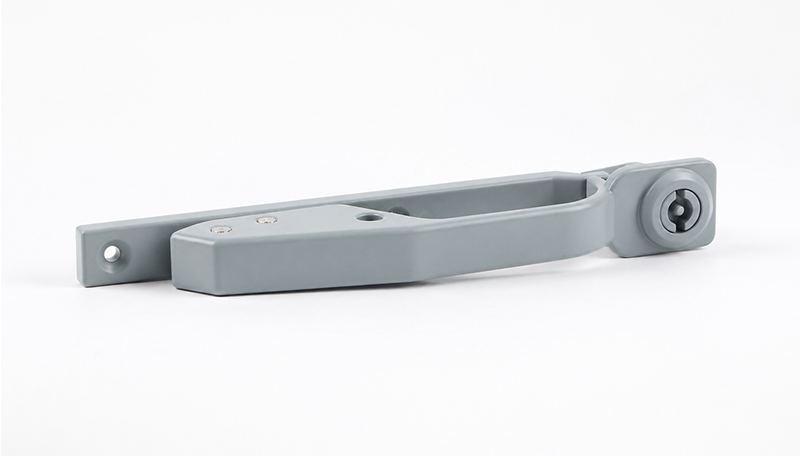
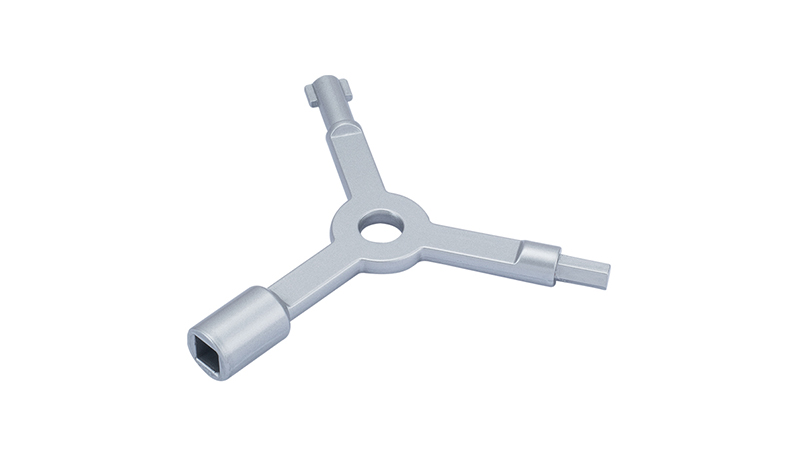
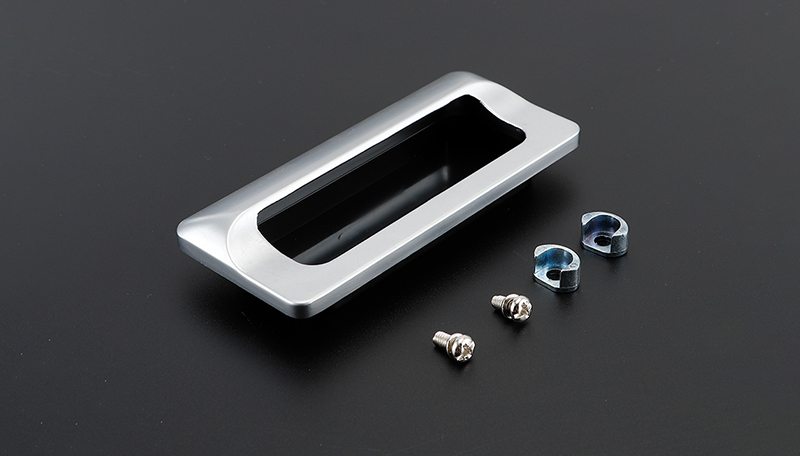
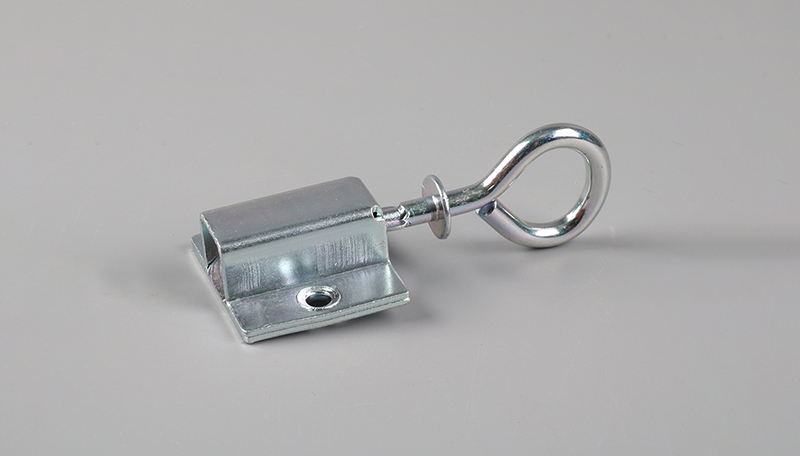
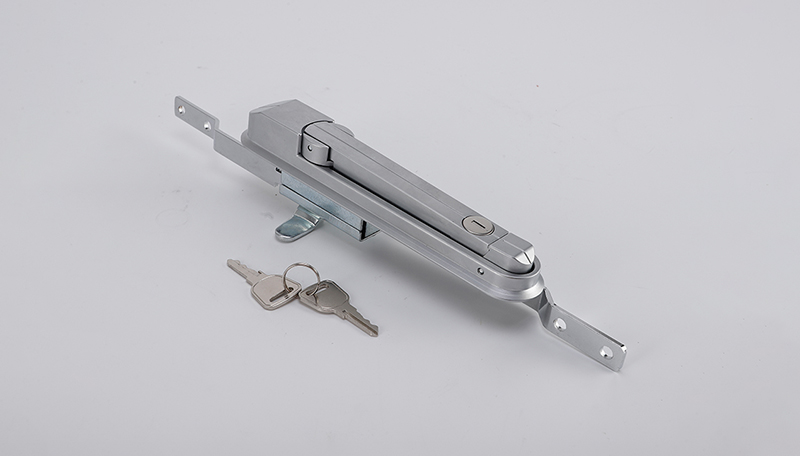
Rod Control Lock for Machinery OEMs: Durable Locking System
This article draws on supplier audits, assembly-line observations, and product specification comparisons conducted across industrial lock manufacturers serving machinery OEMs. It is written for procurement and design engineers evaluating rod control locks for enclosure applications.
Machinery OEMs often struggle with tall enclosure doors that vibrate and must keep a gasket seal through repeated open-close cycles. A single-point cam latch may allow the door to flex and the gasket to compress unevenly, creating a wear spot over time. A rod control lock solves this by driving vertical rods from one handle turn, engaging the frame at several points and spreading clamping force around the door perimeter.
How a Rod Control Lock Works
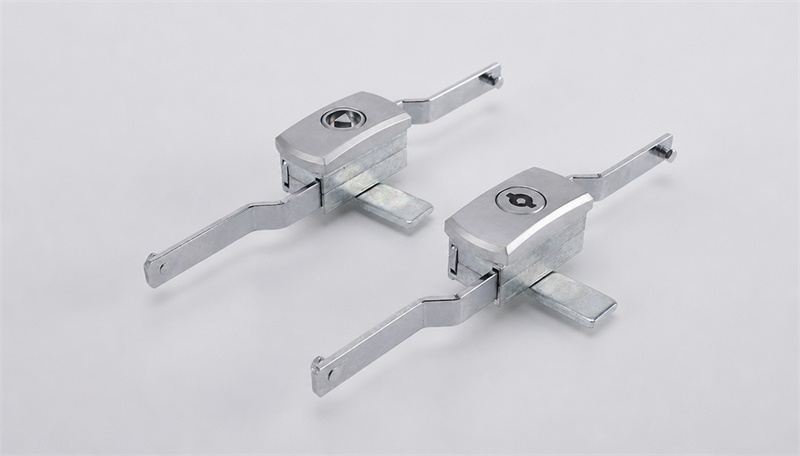
The mechanism is relatively straightforward. A swing handle or rotary handle sits on the door face, and turning it rotates a gear or cam inside the lock body. That rotation pushes or pulls control rods running vertically through guide brackets on the door's inner surface. The rods extend together and engage receivers on the cabinet frame—top, bottom, and sometimes a midpoint.
For machinery OEMs, the key consideration is how this affects the door. Multi-point pull helps keep the door flat against the gasket rather than bowing at one spot. On equipment opened for maintenance several times a shift, this can influence gasket life and how the door feels after a year of service. In a supplier audit we conducted last year, one OEM's maintenance team reported that switching from single-point latches to two-point rod locking on a 1.4-meter enclosure door reduced visible gasket compression set at the corners after twelve months of three-shift operation—a specific case, but one that illustrates where the difference shows up.
Construction and Specifications
Industrial rod control locks are fairly consistent across suppliers. Lock bodies and handles are usually die-cast zinc alloy, which casts to tight dimensions and suits volume production. Control rods are mild steel with zinc plating or powder coating; stainless steel options exist for outdoor or washdown equipment, though the cost premium should match actual exposure.
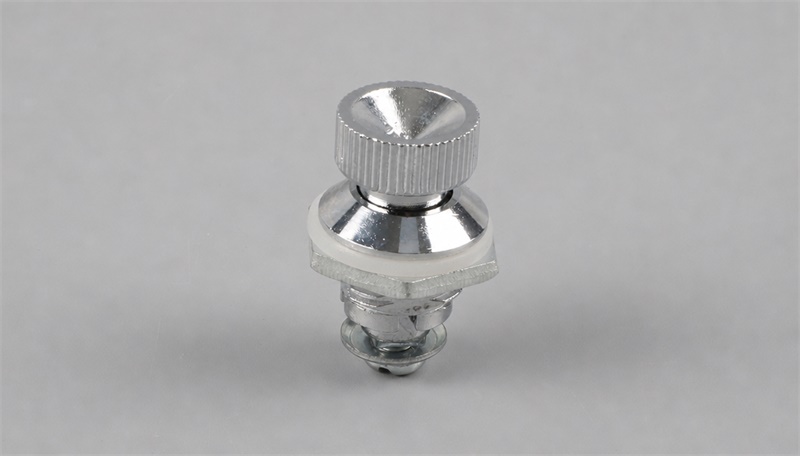
A common machinery configuration illustrates this: a zinc alloy body with sand chromium plating for moderate corrosion resistance and low glare, a single or triangular core cylinder (the latter limiting access to maintenance staff with a specific key), and a 1–3 mm door panel range covering typical electrical and control cabinet sheet-metal gauges.
A typical specification range, compiled from published datasheets of several suppliers, looks like this:
|
Parameter |
Typical Value |
|
Product name |
Rod control lock |
|
Body material |
Zinc alloy |
|
Finish |
Sand chromium plated |
|
Lock cylinder |
Single core or triangular core |
|
Applicable door panel |
Thickness 1–3 mm |
Stroke matters during specification: it sets how far the rods travel, and that travel must match the receiver depth and door-to-frame gap. Too short a stroke leaves the rods barely engaging; too long a stroke may raise handle effort or affect door alignment. The 1–3 mm door thickness range should be confirmed early against the actual panel gauge, since doors at the upper end may need a different guide bracket or receiver standoff than those at the lower end.
OEM Customization Options
Catalog rod locks rarely drop into a machinery design without adaptation, and customization requests cluster around four areas.
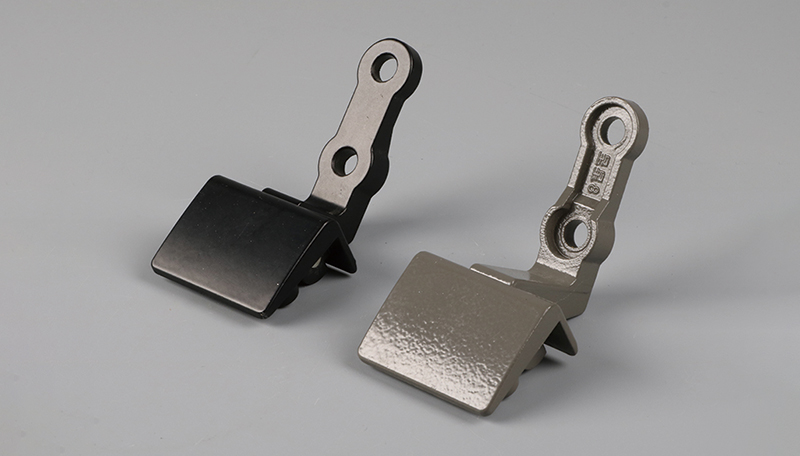
Rod length: Rods are cut to customer-specified lengths. This affects packaging dimensions and installation instructions, so it is easier to settle before tooling. Round and flat rods are both used; flat rods work better on heavier doors, where a slide channel gives more guidance than a simple bracket.
Keying: OEMs often want keyed-alike cylinders so one key opens all access points, with master-key systems also common. The choice between single core and triangular core is part of this: a triangular core limits access to those carrying the matching key. Confirm the keying scheme early, as cylinder options differ by supplier.
Finish: Zinc plating, black powder coating, and chrome plating are standard. Sand chromium plating sits between bright chrome and matte black in appearance and durability, and hides handling marks better than high-polish finishes. Check finish compatibility against specific cleaning agents or chemicals rather than relying on a general "corrosion resistant" label.
Mounting dimensions: Cutout and hole patterns can be adapted to existing door designs. Supplier engineering support matters here, since a lock that fits the existing punch is a very different procurement decision from one requiring a cabinet redesign.
Quality Assurance: What to Verify
A rod control lock has several moving interfaces—handle pivot, gear or cam engagement, rod-to-guide friction, and receiver contact. Quality problems rarely appear as outright failures; they more often show up as lot-to-lot inconsistency, with some units stiff, some with handle play, and some not extending fully.
Testing every unit matters more than batch sampling. The key check is stroke synchronization: mount the lock in a fixture simulating the door frame, actuate it, and confirm the rods extend and retract fully with stroke at each locking point inside tolerance. In one audit, a supplier had built this into a semi-automated station; another tested three units per shift and visually inspected the rest. The difference in lot consistency was noticeable during sample evaluation.
Material verification is the other half. Check zinc alloy castings for porosity, since shrinkage voids may appear as surface defects after plating—a cosmetic issue that can also become a corrosion point. Rod straightness affects handle effort, as a bowed rod may bind in its guide. For IP-rated products, sample units should be water-spray or immersion tested to the claimed rating rather than just labeled IP65. Without a test report, treat the IP claim as unverified.
For triangular-core locks, confirm that keyway dimensions match the standard the maintenance team actually uses, and ask for the core's material and tolerance data. A cylinder that is dimensionally loose in the housing will show up as handle wobble long before the lock fails outright.
FAQ
Can a rod control lock be retrofitted to an existing enclosure?
Yes, if the door has clearance for rod guides and the frame can accept receivers at the locking points. Retrofits involve drilling and alignment, which is easier during initial fabrication. For new equipment, specify rod locking from the start.
What handle types work with rod control systems?
Swing, L-, T-, and rotary handles are all used. Handle choice affects stroke and feel, so match it to door size and access frequency. Some suppliers sell the rod mechanism separately to pair with an existing handle platform.
How do I determine the correct rod length?
Measure from the lock body mounting center to the top and bottom frame receivers, then add engagement depth. Suppliers typically ask for a door drawing or these dimensions; adjustable rod ends can absorb minor variations.
What is the difference between two-point and three-point configurations?
Two-point systems engage top and bottom; three-point systems add a side or center point for larger doors or higher security. Door height, weight, and required gasket compression determine the choice, and taller doors often benefit from the third point to prevent bowing.
What does "triangular core" mean for access control?
A triangular core uses a triangular key instead of a conventional flat or cross key. It is often specified where the OEM wants to limit access to maintenance staff carrying the matching key. Key replacement and keyed-alike setups depend on the supplier's core standard.