
 Rod lock

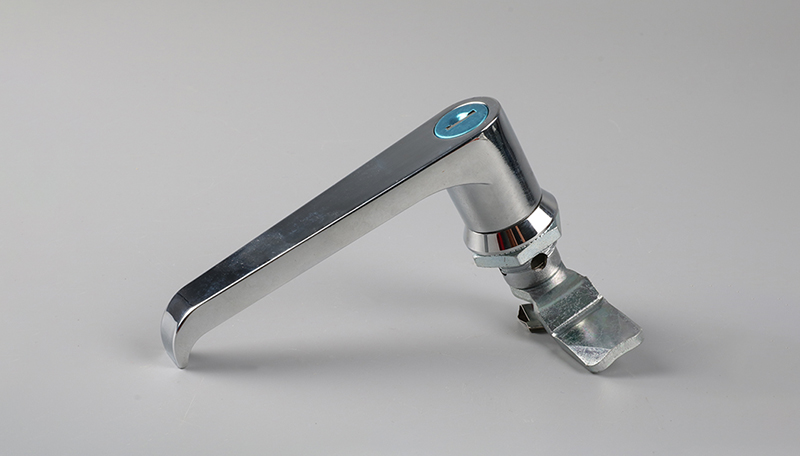
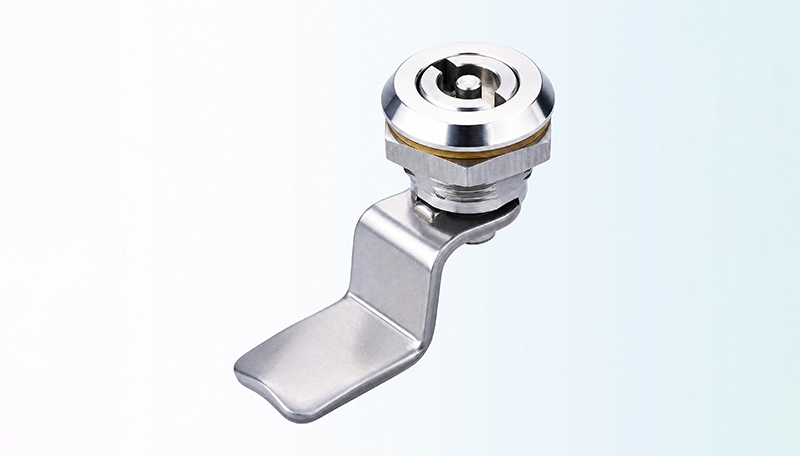
Rod Control Lock: The Complete Guide to Multi-Point Enclosure Security
If you have ever struggled with a cabinet door that refuses to compress its gasket evenly, or worried about a tall enclosure being pried open, you have already identified the need for a better latching system. A rod control lock is the engineering solution to these exact problems. It is a centralized locking mechanism that uses vertical rods to secure the top and bottom of a door simultaneously, transforming a standard cabinet into a highly secure, environmentally sealed unit.
What is a Rod Control Lock?
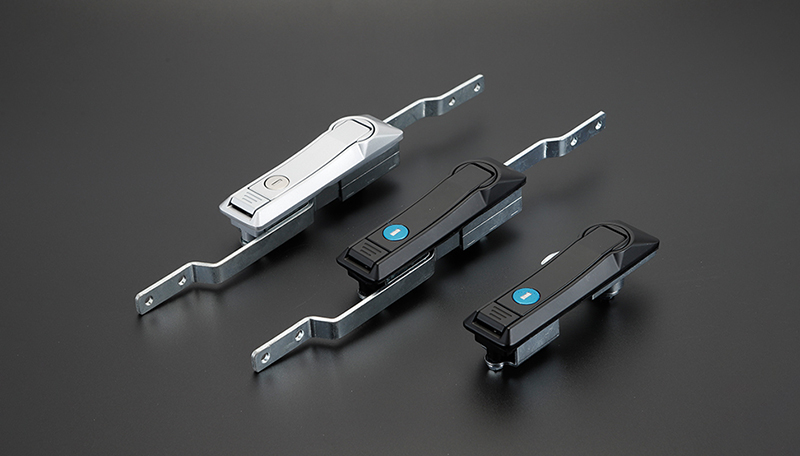
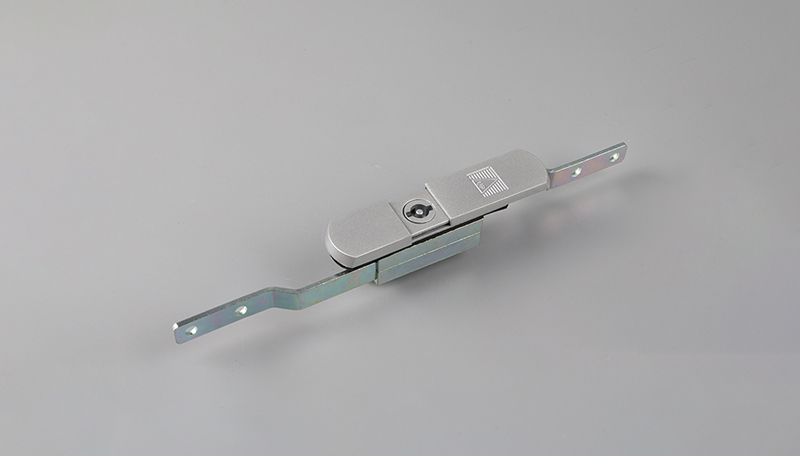
Think of a rod control lock as the command center for your enclosure's security. When you turn the handle, it doesn't just move a small latch; it drives two metal rods one upward, one downward. These rods slide into brackets at the top and bottom of the door frame, pulling the door tight against its seal. This multi-point engagement is what distinguishes a rod lock from a simple cam lock. It distributes pressure evenly, preventing the door from bowing and ensuring that dust, water, and unwanted visitors stay exactly where they belong: on the outside.
Why Choose a Multi-Point Rod System?
For buyers, the decision often comes down to specific, tangible benefits. A rod control lock offers advantages that directly impact maintenance costs, equipment safety, and operational reliability.
1. Consistent Compression for Environmental Seals
For enclosures requiring NEMA 4 or IP66 ratings, a single center latch often allows door flex and gaps. A rod lock pulls the door evenly against the gasket, creating a critical seal that protects sensitive electronics from rain, dust, and washdowns.
2. Maximum Tamper Resistance
Single-point latches are vulnerable to prying at their weakest point. Because a rod control lock distributes force across two points at the door extremes, it requires significantly more force to breach. This makes it ideal for public areas or remote sites where vandalism is a concern.
3. Vibration and Rattle Prevention
In industrial or mobile applications, vibrations can loosen standard latches over time. A properly adjusted rod lock maintains constant tension on the door, eliminating rattles and preventing premature wear caused by constant movement.
4. Ergonomic Operation for Large Doors
Though they secure two points, quality rod control locks feature geared handles that provide mechanical advantage. A smooth quarter-turn or half-turn generates the linear force needed to move the rods, allowing even a six-foot cabinet door to be sealed shut with one hand.
Common Applications for Rod Control Locks
Understanding where these locks are used helps buyers visualize them in their own projects. You will typically find a rod control lock in these scenarios:
●Industrial Control Panels: Large panels housing PLCs and drives need to be secure from tampering but accessible for programming. The multi-point seal also keeps factory floor contaminants out.
●Telecommunications Cabinets: Outdoor cabinets containing fiber optic splices and network switches rely on these locks to maintain a stable internal temperature by keeping the weather seal uncompromised.
●HVAC and Mechanical Units: Rooftop units and mechanical rooms use rod systems to ensure access doors close tightly, preventing energy loss and maintaining system pressure.
●Marine and Transportation: On boats or trucks, equipment is subject to constant motion. A rod lock ensures that cabinet doors stay shut regardless of the bumps or waves encountered.
How to Select the Right Rod Lock for Your Needs
When browsing options, you will want to pay attention to three specific details to ensure the rod control lock fits your application.
First, measure the door height. The rods must be cut to the exact length to engage the top and bottom strikes properly. Second, consider the material. Stainless steel versions offer excellent corrosion resistance for outdoor or food processing environments, while zinc-plated steel is a durable and cost-effective choice for indoor use. Finally, look at the handle style. Some include key locks for security, while others are tool-operated for quick access by maintenance staff.
By matching these features to your environment, you ensure that your enclosure remains secure, sealed, and serviceable for the long haul.
