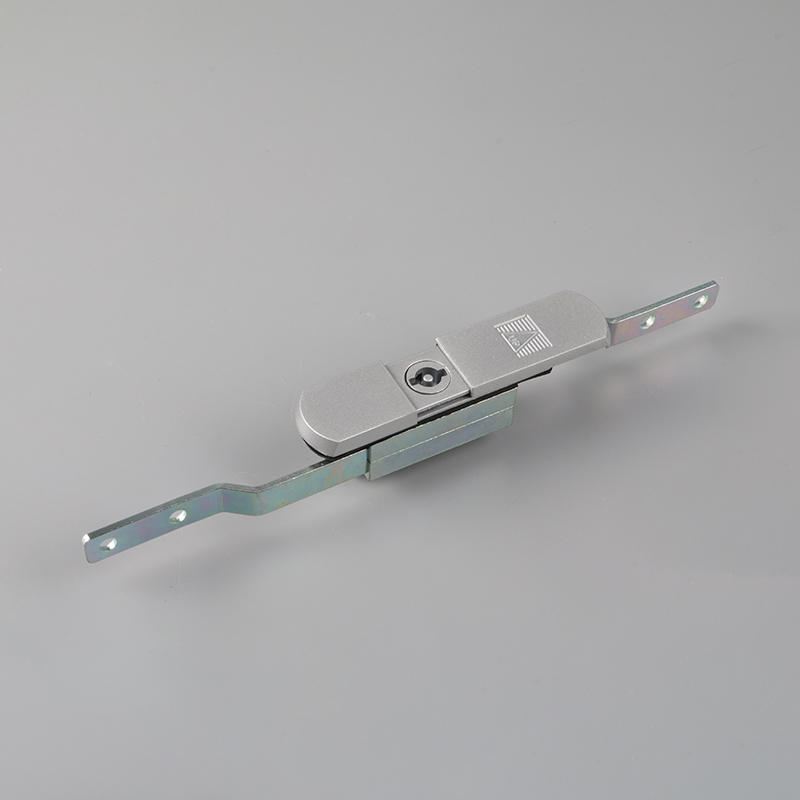
 Rod lock
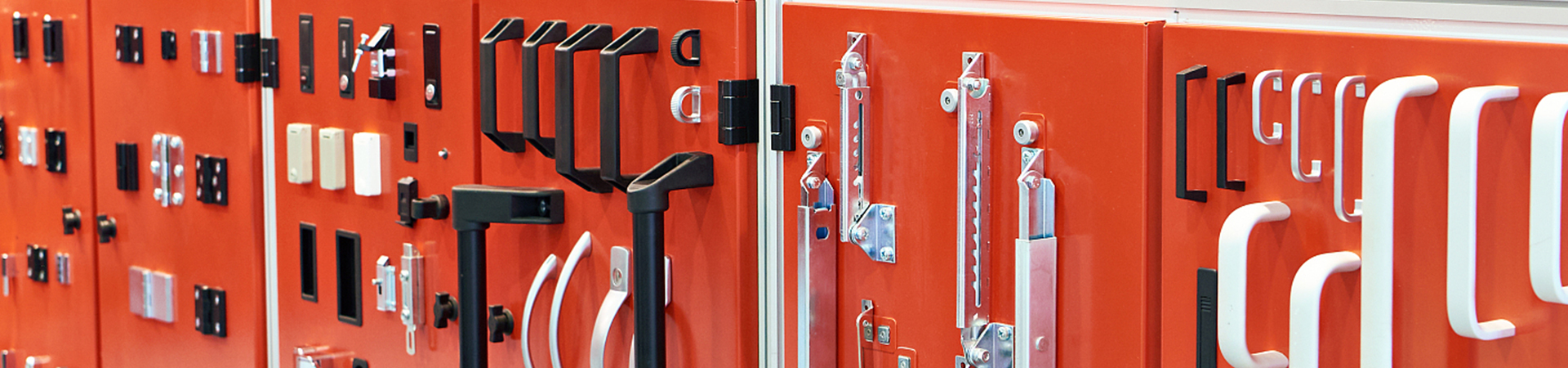
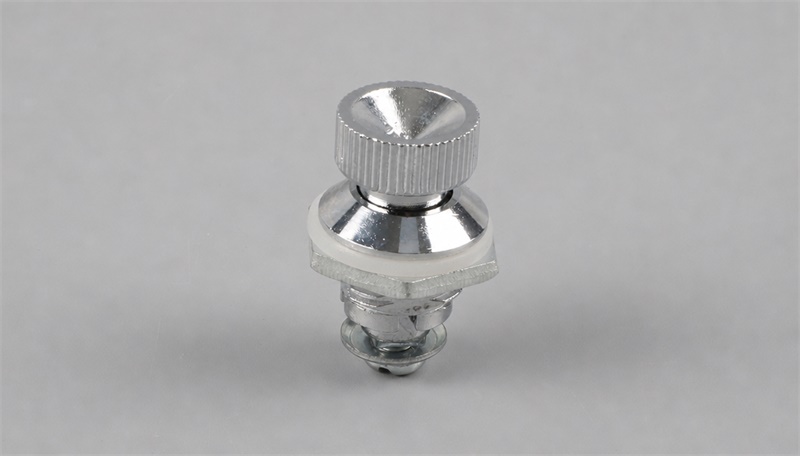
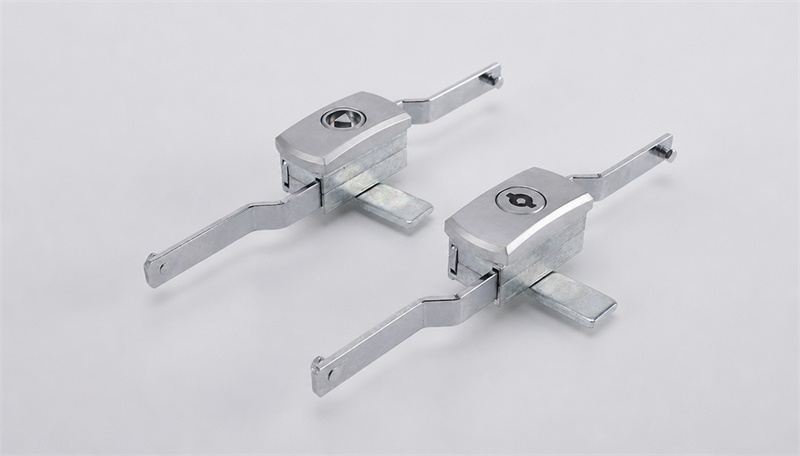
Rod Lock Troubleshooting: Common Issues and Their Fixes
Rod locks play a vital role in numerous applications, ranging from securing doors to maintaining machinery stability. Over time, even durable rod locks may develop issues due to wear, poor installation, or hidden mechanical failures. This article discusses common rod lock challenges and effective solutions. Whether you're dealing with a rod lock for doors, a door rod lock clip, or any other type of rods lock, the insights provided will help you properly resolve these problems.
Common Rod Lock Issues and Reasons Behind Them
Although rod locks are relatively simple devices, they are susceptible to malfunctions. Here are some common issues:
1. Rod Lock Sticking or Jamming
Rod locks may jam or stick due to dirt, debris in the mechanism, inadequate lubrication, or rust on metal parts.
Solution: Disassemble the rod lock (if possible) and inspect for visible obstructions. Apply a lock-specific lubricant (e.g., WD-40) to reduce friction. Clean any rust using a rust remover product. Routine maintenance is crucial to preventing recurrence of this issue.
2. Misaligned or Loose Lock Components
If the rod is not properly aligned with the locking mechanism, it may not function as intended. This often results from wear over time or improper installation.
Solution: Carefully examine the lock's alignment with the door or machinery. Tighten any loose screws and adjust the rods to fit securely within the mechanism. Replace worn components if necessary for full functionality.
3. Broken Door Rod Lock Clip
Rod locks depend on high-quality components, such as the door rod lock clip. A broken clip can prevent the rods from locking securely.
Solution: Replace the clip with an OEM (Original Equipment Manufacturer) part to ensure compatibility and reliability. Using quality replacement components will enhance durability.
Diagnosing and Resolving Lock Actuator Trouble
In certain systems, rod locks are controlled by lock actuators. These components can fail over time, affecting rod lock functionality. Here’s how to diagnose and resolve actuator-related issues:
1. Signs of Lock Actuator Failure
Common indicators of a malfunctioning actuator include:
- No response when engaging the lock.
- Unusual noises or resistance during operation.
- Irregular locking or unlocking performance.
2. Confirming Actuator Failure
To verify the problem, disassemble the lock mechanism and test the actuator independently. Use a multimeter to check electrical connectivity, particularly for electronically operated locks. If the actuator has indeed failed, it may require repair or replacement.
Solution: Clean and lubricate the actuator components, or replace faulty parts as needed. Refer to the manufacturer’s manual or seek professional support for further guidance.
Preventative Maintenance for Rod Locks
To minimize repairs and keep your rod lock functioning optimally, consider the following maintenance tips:
- Conduct regular inspections for signs of wear and tear.
- Apply lock-safe lubricants periodically to ensure smooth operation.
- Avoid forcing the lock open or shut, as this may damage internal components.
- Keep the surrounding area clean to prevent debris from contaminating the lock mechanism.
Seeking Professional Assistance
When rod lock issues are too complex to resolve on your own, consulting a professional locksmith or manufacturer is advisable. Experts can perform detailed inspections and use specialized tools to address intricate mechanical or electrical challenges effectively.
FAQs: Common Questions About Rod Lock Troubleshooting
What Are the Common Problems with Rod Locks?
Frequent issues include jamming, misalignment, broken parts, and lock actuator failures. Routine upkeep can minimize these problems.
How Can I Solve Rod Lock Issues?
Identify the root cause—be it dirt buildup, misalignment, or mechanical failure. Then clean, lubricate, or replace components as needed for resolution.
How Can I Confirm a Lock Actuator Failure?
Use a multimeter to test the actuator’s electrical performance. Failure symptoms include lack of responsiveness, unusual noises, or inconsistent engagement/disengagement. Repairs or replacements may be necessary.
Conclusion
Rod locks are indispensable for securing doors, machinery, and other operations requiring stability. Recognizing and addressing common issues—like jamming, misalignment, and actuator problems—ensures timely solutions. While regular maintenance is key to preventing serious problems, seeking professional help when needed is essential. Maintain the functionality of your rod lock to keep your system—whether it’s a door, window, or machine—working effectively and safely.