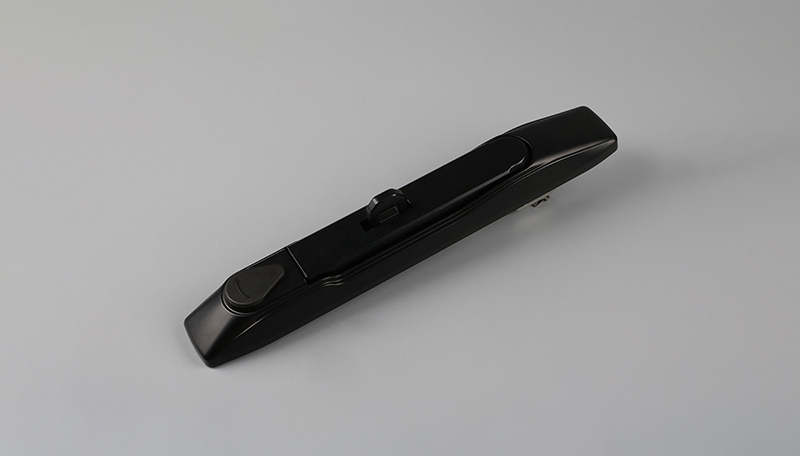
Rod lock

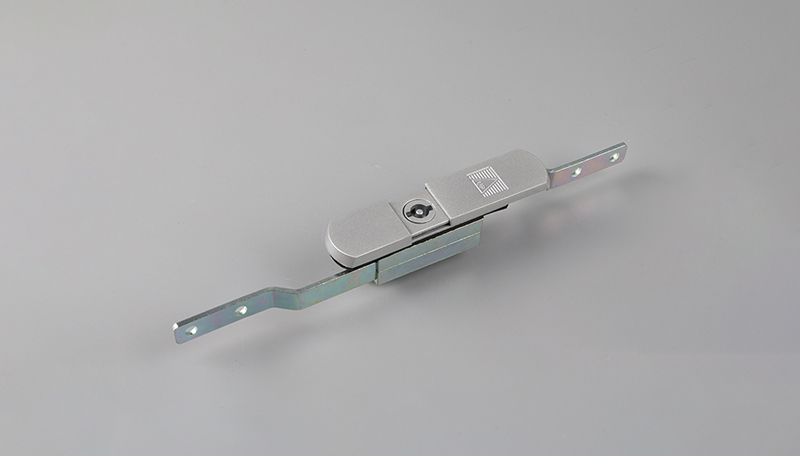
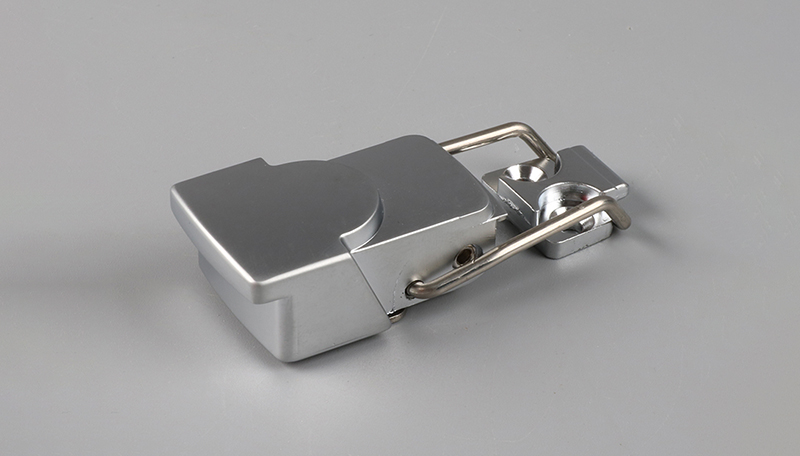
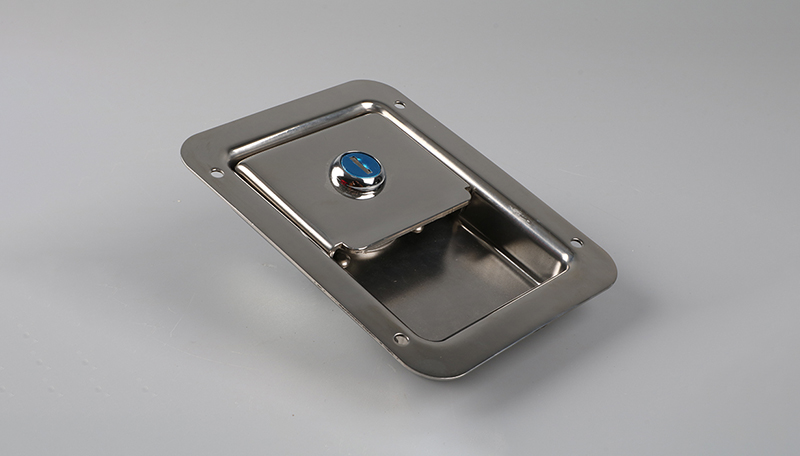
Rod Lock vs Standard Cam Lock: Which Is Right for You?
The appropriate choice of lock depends on the item you want to safeguard. A rod lock is made to keep the rod of a hydraulic, pneumatic, or linear actuator still. A regular cam lock is used to protect the doors of drawers, machine compartments, and electronic boxes.
Even if both goods share the name locks however they function differently. Therefore, knowing these differences will help you pick out the safer and more efficient lock for your application.
What Is a Rod Lock?
A rod lock is a device that prevents the motion of the linear actuator rod by holding it in place. It may be used for pneumatic and hydraulic cylinders or equipment automated with such systems.
Rod locks can be used in applications like lifting systems, presses, packaging machines, machine tools, and material handling machinery. Depending on the design of the product, they can keep a load in place in case of loss of air or hydraulic pressure.
Air and spring activated lock is known as pneumatic rod lock, while a hydraulic pressure operated lock is referred to as hydraulic rod lock. Always confirm the correctness of the specification given by the manufacturer.
What Is a Standard Cam Lock?
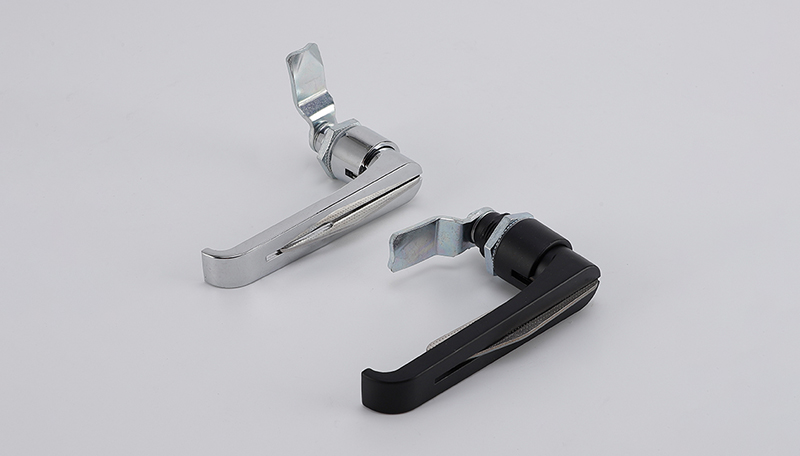
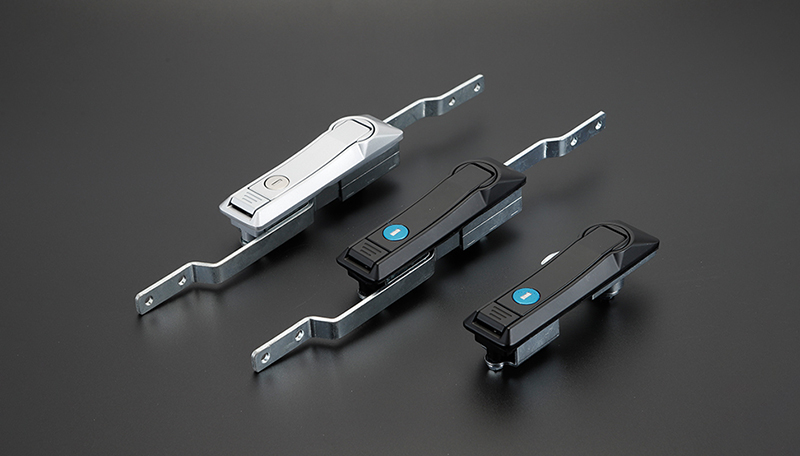
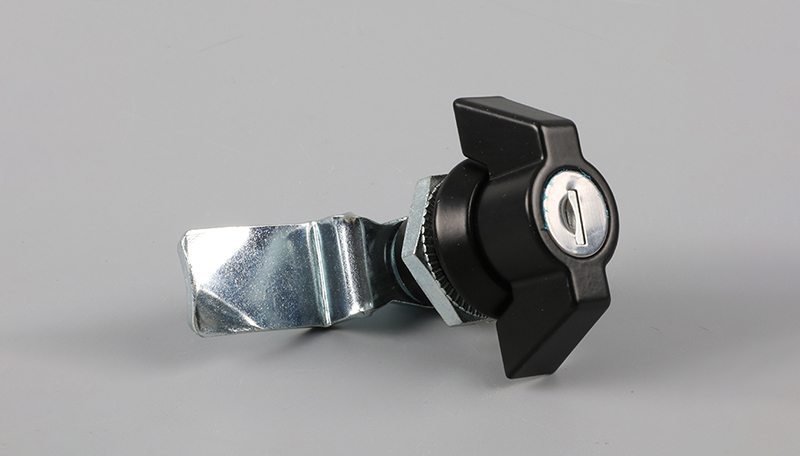
The quarter-turn cam lock is a typical locking mechanism for any door, panel, cabinet, or enclosure. The mechanism is simple as it requires turning either the key, knob, or tool which rotates the cam behind and secures the entrance.
Cam locks are utilized regularly in electric cabinets, control boxes, tool cabinets, server racks, and industrial access panels since they perform the function of securing access to these devices. However, it is worth mentioning the fact that cam locks are not specifically made for the purpose of bearing a cylinder rod or supporting any heavy loads.
How Rod Locks Work
A rod lock features internal components that create a clamping grip over an actuator's rod. Upon release, the rod will resume its natural extension and retraction process. When engaged, the lock can refrain from any axial movement.
It is crucial that the most rod locks only activate when the actuator has come to a halt. If the lock engages while the rod is in motion, this will lead to impact or damage of machine components as well as the rod. The rod diameter, alignment, load direction and pressure must also be right for successful operation.
Key Differences in Security and Function
| Comparison | Rod Lock | Standard Cam Lock |
|---|---|---|
| Main purpose | Hold an actuator rod in position | Secure a door, panel, or cabinet |
| Typical operation | Pneumatic, hydraulic, spring, or mechanical | Key, tool, knob, or quarter-turn insert |
| Controls | Linear movement and load position | Physical access |
| Common applications | Cylinders, presses, lifting equipment, and automation | Enclosures, cabinets, control panels, and access doors |
Which Lock Should You Choose?
Pick a Rod Lock if the intention is to stop a pneumatic, hydraulic, or linear actuator from working. It is the right decision for keeping a vertical load in place, making an object stable, or safeguarding against using a rod after losing pressure.
Select a standard cam lock in case your aim is to offer protection against unauthorized entry to a cabinet, control box, machine panel, or storage compartment. It is often a straightforward, cost-effective, and easy solution for enclosure applications.
These products can be used in conjunction. A cam lock can be used to close a machine access door and, at the same time, a rod lock can keep a cylinder secured. Nevertheless, a cam lock is not interchangeable with an actual load-holding device.
Choosing the Right Lock for Your Application
Confirm the bar diameter, maximum load, mounting position, operating pressure, cycle frequency, and environmental conditions before choosing a bar lock. Dust, humidity, chemicals, vibrations, and temperature may affect lifespan.
When using a cam lock, it’s vital to take into consideration a range of parameters like panel thickness, cutout dimensions, cam length, material, locking mechanism, and passive resistance level requirements. Just having a weatherproof lock is not enough for a case being waterproof; it also depends on the design and the door sealing.
When dealing with safety equipment machinery, thoroughly evaluate the total control mechanism and abide by relevant lockout/tagout protocols. Rod in positionlock may ensure safe positioning but cannot take place of physical barriers, isolating energy sources or guarding equipment.
Frequently Asked Questions
Can a cam lock hold a pneumatic cylinder rod?
No, a conventional cam-lock isn’t made to handle the shock loads or axial force produced by a cylinder. Instead, a pneumatic or hydraulic rod lock that is sized correctly should be utilized.
Are all rod locks fail-safe?
No. There are some that engage when pressure is gone, and then there are some other that have different functions. Make sure that you have the pressure-release or pressure-engage function of the product before installing it.
Can a rod lock engage while the actuator is moving?
Generally, the answer is no. Most rod locks are constructed to allow the unlocking of motion when the motion stops. Dynamic locking only applies if explicitly stated by the manufacturer in the product manual.
In summary, you should choose a Rod Lock for actuator position control and load holding, while a standard cam lock will suffice for cabinet and door access control. The decision should consider required function, load, environment, as well as safety aspects, rather than just focusing on cost or looks.