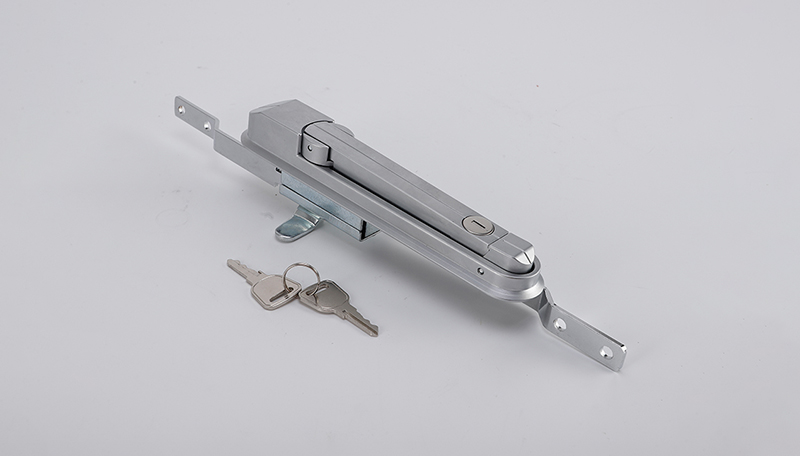
 Rod lock

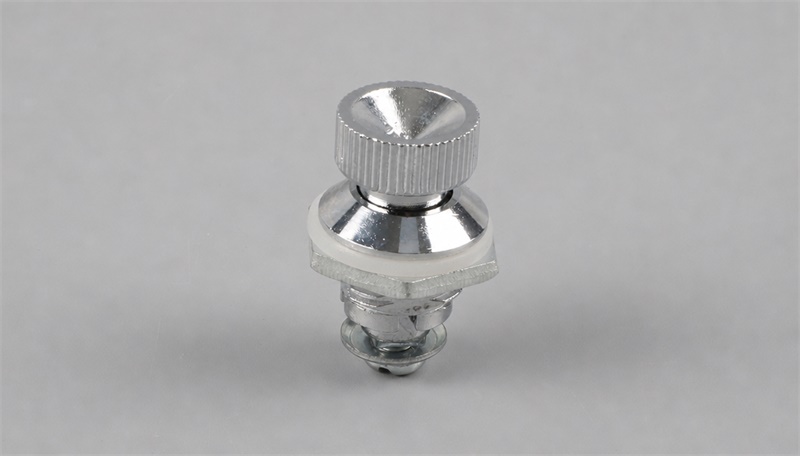
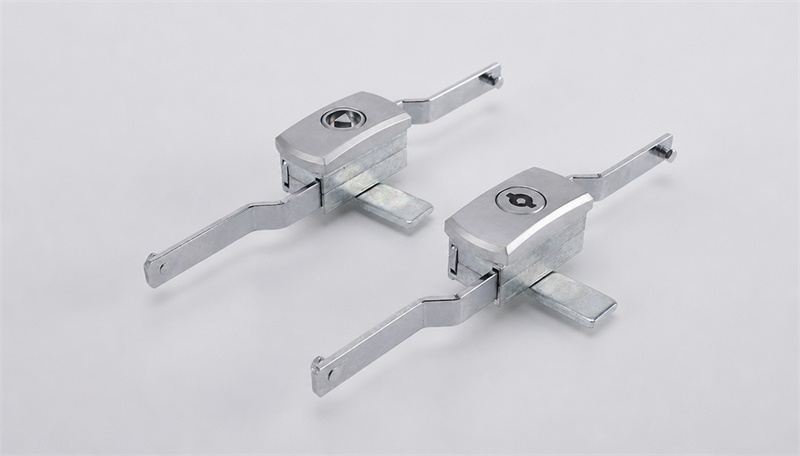
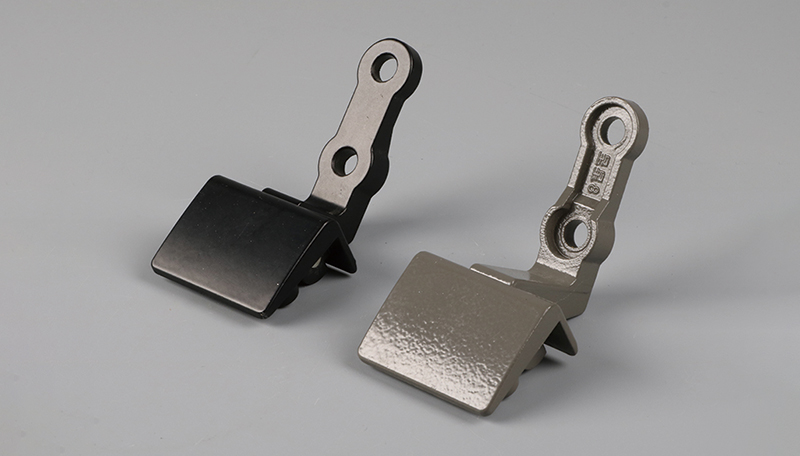
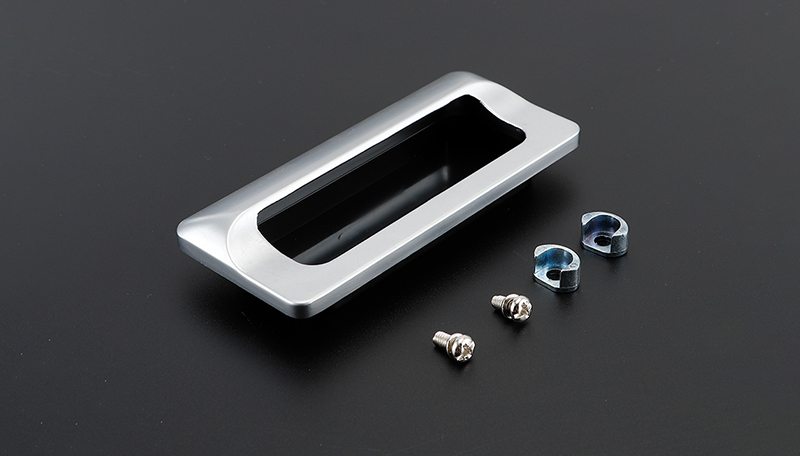
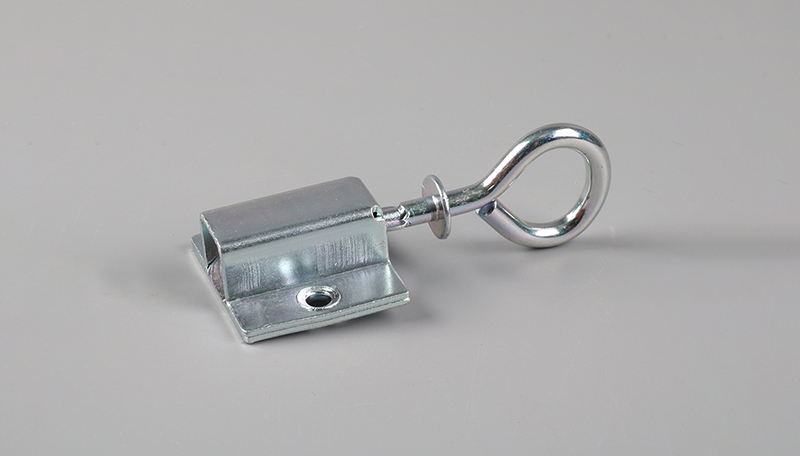
Rod Locks Explained: Types, Materials, and Applications
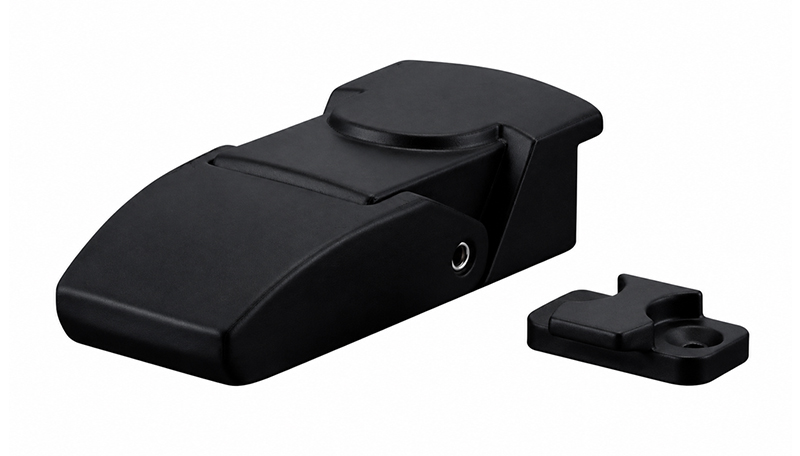
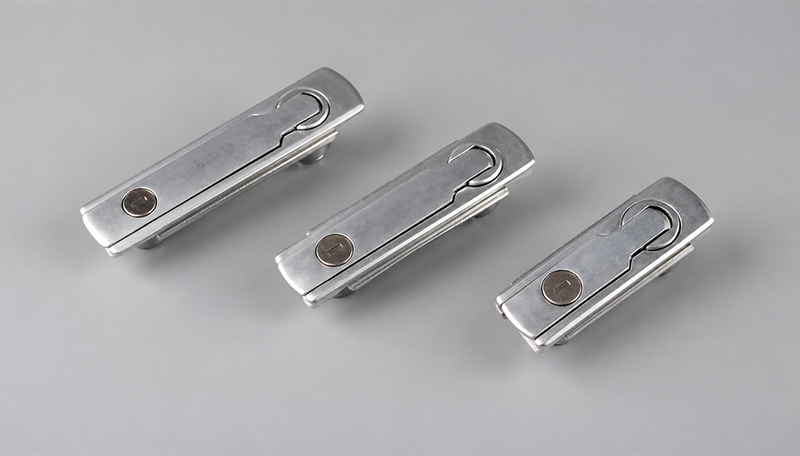
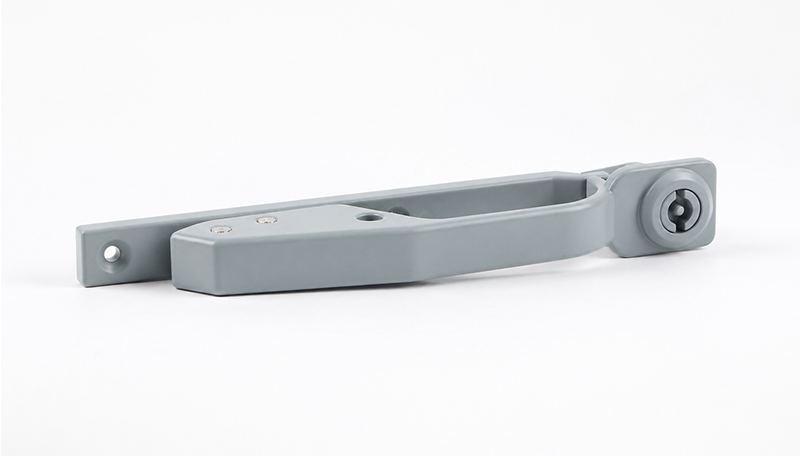
Rod Lock devices are specialized mechanical components used to secure and hold the position of a rod within various systems. Their core function is to prevent unintended rod movement, especially in load-bearing operations or during emergency stops. Rod locks are essential for enhancing safety, precision, and reliability, particularly in critical applications where safeguarding equipment and personnel is vital.
In industrial environments, rod locks are especially common in electrical distribution cabinets, where consistent rod positioning is crucial to maintain the integrity and safety of electrical components. Beyond industry, rod locks are making their mark in the transportation sector—for example, in high-speed railway carriages and recreational vehicles (RVs)—where secure locking ensures operational safety and minimized equipment vibration during travel.
Industrial Applications of Rod Locks
Rod locks are mainly used in industrial settings, especially electrical distribution cabinets. Inside these cabinets, they secure or lock movable panels and mechanical parts, keeping electrical connections stable and safely isolated when needed. By preventing accidental or unauthorized movement, they protect both expensive equipment and maintenance personnel.
In transportation, rod locks are used in the structural and ancillary control systems of high-speed trains and motorhomes, holding access panels, seats, or storage modules firmly in place for passenger safety and easy maintenance. They are also widely used in other cabinet-type assemblies in industrial automation, providing reliable holding force for both safety and operational efficiency.
Types of Rod Locks
Rod locks can be classified based on their actuation and locking mechanisms, with three main types utilized in distribution cabinets and mobile equipment:
Pneumatic Rod Lock: Activated by air pressure, these are ideal for environments with a ready air supply, offering swift engagement and reliable holding for cabinet doors and panel locks.
Mechanical Rod Lock: Relying on manual force, cam action, or lever engagement, mechanical rod locks are favoured for their simplicity and independence from power sources, making them especially suited to electrical cabinets and RVs.
Hybrid Rod Lock: Combining manual and automatic features, hybrid designs are increasingly found in industrial and transport applications, supporting higher safety standards without requiring continuous energy input.
Each type can be tailored for specific rod diameters, mounting conditions, and required holding forces, ensuring flexibility for a wide variety of installation configurations.
How Rod Locks Work
The operation of a rod lock centers on applying friction or physical pressure to hold a rod in place. Pneumatic rod lock variants use air pressure to actuate jaws or pads that clamp the rod, while the absence of pressure triggers a spring mechanism to provide a fail-safe lock—important in critical systems such as distribution cabinets for energy infrastructure.
Mechanical rod locks require manual engagement, offering straightforward and robust action, particularly useful where energy supply is uncertain, such as in mobile power units and RVs. Rod lock engagement and release must be smooth and reliable to avoid electrical arc risk or components coming loose in transit.
Choosing and Maintaining Rod Locks
Selecting an optimal Rod Lock for a distribution cabinet or transportation application involves considering holding force requirements, available installation space, and the anticipated frequency of actuation. Pneumatic rod locks are recommended for automated industrial equipment, while mechanical designs are best in environments with demanding safety or simplicity needs.
Maintenance is straightforward for cabinet rod locks: regularly check friction surfaces for wear, ensure actuation mechanisms are free of debris, and use corrosion-resistant units in damp or mobile environments. Keeping a regular inspection schedule is the best way to ensure reliable operation and prevent costly failures.
FAQ: Rod Locks in Industrial and Transport Applications
What are the key applications for rod locks?
Rod locks are most widely used in distribution cabinets within electrical and industrial facilities, as well as in control and safety panels on high-speed trains and recreational vehicles.
What materials are rod locks made from?
Rod locks are primarily made from hardened steel, stainless steel, aluminum, and engineering plastics, depending on the load, corrosion, and weight requirements of the application.
Which type of rod lock is best for distribution cabinets?
Mechanical rod locks excel in static cabinet applications due to their robustness and reliability without relying on external power, while pneumatic rod locks are ideal for automated systems.
How often should rod locks be maintained in industrial settings?
Regular inspection and cleaning every six to twelve months is recommended, with increased frequency under heavy use or in demanding environments such as on mobile platforms.
Rod locks are essential devices for maintaining safety and stability in industrial distribution cabinets and transport vehicles. Their reliability, the choice of robust materials, and easy adaptation to various installation scenarios make them a first-choice solution for secure rod positioning and access control. By incorporating the right rod lock system, industrial and transportation sector operators can achieve elevated safety standards, reduce maintenance requirements, and ensure seamless operation across diverse challenges.