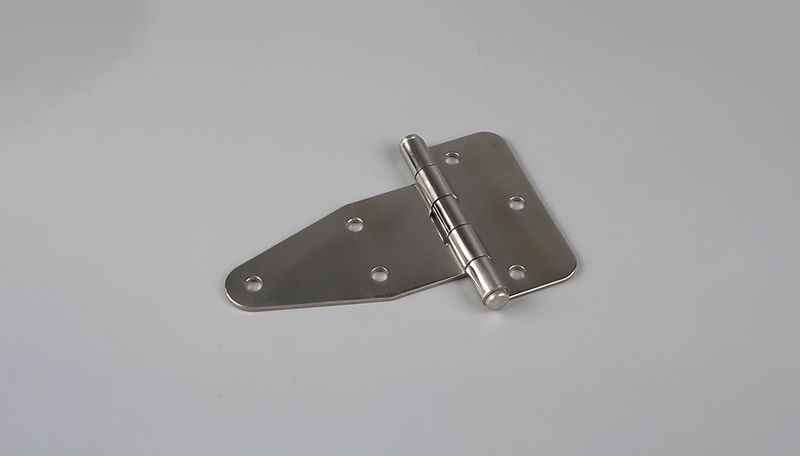
Rod lock

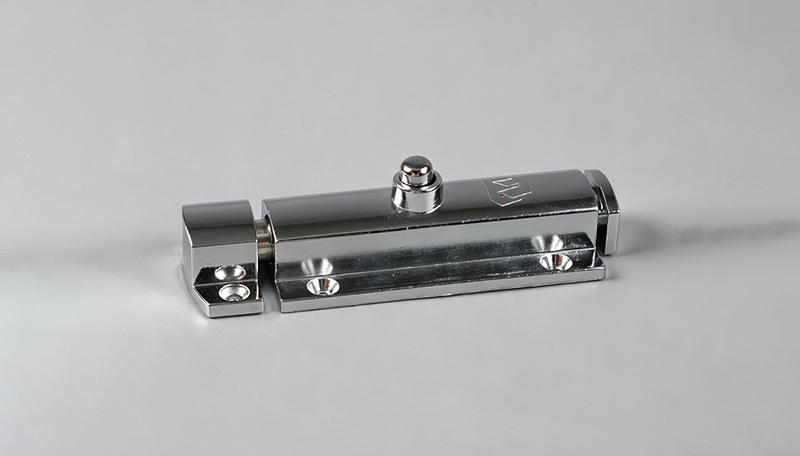
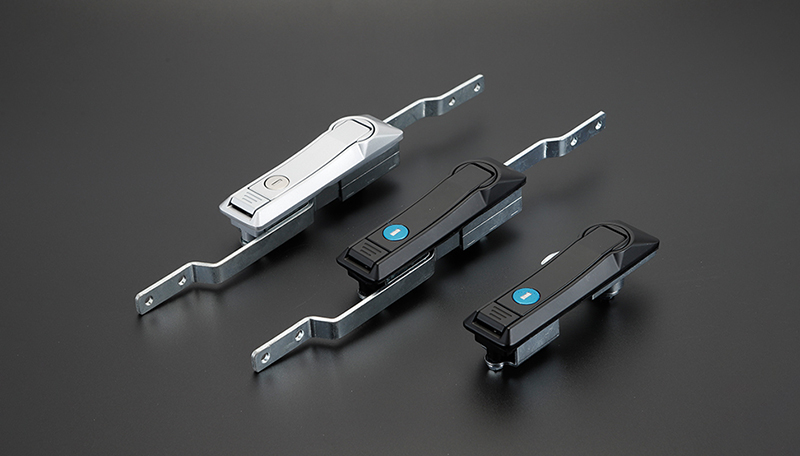
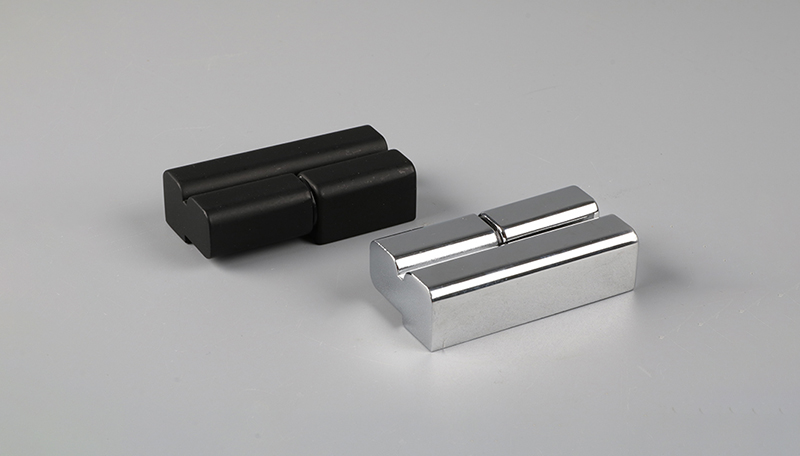
Stainless Steel Concealed Hinges: A Practical Guide
Stainless steel concealed hinges offer a clean, modern look while keeping the hinge completely hidden when the door or panel is closed. They are widely used in electrical enclosures, industrial cabinets, machinery doors, and outdoor equipment where both appearance and durability matter. Unlike exposed hinges, these designs sit flush inside the frame, protecting the pivot mechanism from dust, moisture, and physical damage. For buyers looking to balance aesthetics with long-term reliability, they remain a solid, understated choice.
Why Material Choice Comes First
Concealed hinge lifespan depends heavily on material. 304 or 316 stainless steel concealed hinges offer strong rust and corrosion resistance. Zinc alloy is more affordable but best kept to dry indoor applications. For outdoor, coastal, food, or chemical environments, 316 stainless steel is the safer option. A good brushed, polished, or passivated finish further guards against scratches and early wear.
Where Stainless Steel Concealed Hinges Fit Best
These hinges appear in more places than buyers sometimes realize. Common application areas include:
●Outdoor electrical cabinets and telecom enclosures exposed to rain and humidity.
●Food and pharmaceutical machinery, where easy cleaning and corrosion resistance are both required.
●Industrial control panels that need a flush, tamper-resistant exterior.
●Generator and compressor housings where vibration resistance matters.
●Marine and coastal equipment, where salt spray quickly degrades lower-grade metals.
●Cleanroom or medical equipment, where concealed hardware supports hygiene standards.
In each case, hiding the hinge inside the enclosure doesn't just improve the visual profile it also reduces the number of exposed parts that can collect dirt or suffer impact damage.
What to Check Before Ordering
Choosing the right stainless steel concealed hinge means matching the product to the real-world conditions it will face. Practical details to confirm with a supplier include:
●Load rating and door weight capacity especially for larger access panels.
●Opening angle—130°, 180°, or custom ranges depending on the door design.
●Gasket compatibility—whether the hinge works with a compression gasket for IP-rated enclosures.
●Mounting style—screw-on, weld-on, or press-in versions all affect installation time.
●Material certificate—look for clear grade marking, particularly for 304 or 316 stainless steel.
●Surface treatment—passivation or electro-polishing can further improve corrosion resistance.
Reliable suppliers typically offer dimensional drawings, material data sheets, and samples before bulk orders. This step helps avoid mismatches that lead to poor alignment, seal failure, or hinge binding during operation.
Design and Installation Tips
Concealed hinges require precise cutouts small misalignments lead to uneven gaps or poor closure. For high-vibration equipment (generators, railway, automation), select hinges with reinforced pins or bushings. Built-in safety stops on some models prevent over-opening damage. Installation is simple with pre-drilled holes and standard fasteners. On thin sheet metal, add backing plates or reinforcement brackets to spread the load and avoid fatigue.
Frequently Asked Questions
Can I use stainless steel concealed hinges outdoors?
Yes. For most outdoor applications, 304 stainless steel works well. In coastal or chemical-heavy areas, 316 stainless steel is the more reliable option due to its higher resistance to salt and industrial chemicals.
Are these hinges compatible with waterproof enclosures?
Many models are designed to work with rubber gaskets and compression locks. When correctly installed, they help maintain the enclosure's dust and water resistance without creating a weak point at the hinge side.
Do stainless steel concealed hinges require maintenance?
Generally, they need very little upkeep. Occasional cleaning and checking the mounting screws for tightness is usually enough. In highly corrosive settings, specifying passivated or electro-polished hinges reduces long-term maintenance further.
What load capacities do these hinges typically support?
Load ratings vary by size and design. Small concealed hinges for light access doors might handle 10 to 30 kg per pair, while heavy-duty industrial versions can support significantly more. Always confirm the exact rating with the supplier based on door weight and usage frequency.
Long-Term Value for Equipment Builders
For buyers equipping machines or enclosures that must operate reliably for years, stainless steel concealed hinges offer a quiet but essential advantage: they reduce the number of external failure points. A hinge that rusts, seizes, or loosens prematurely can compromise panel alignment, strain the lock, and lead to costly field repairs. Choosing a corrosion-resistant, properly rated hinge from the start helps equipment perform consistently and leaves a better impression on the end user.